
Is Palma Safe for Solo Female Travellers? Local Advice & Safety Tips
Last updated June 2026: is Palma safe for solo female travellers? In short, yes - Palma de Mallorca is widely considered one of the more relaxed Spanish city bases for a woman travelling alone, thanks to a compact, walkable centre, a well-used seafront promenade, and a daytime café and market culture that makes solo exploring easy. The nuance worth knowing before you book is that Palma the city behaves very differently from the island's dedicated party resorts, and this guide breaks down exactly where that distinction matters. Expect neighbourhood-by-neighbourhood guidance, night-time logistics, common scams, and the emergency resources worth saving before you land.
The Verdict: Is Palma Safe for Solo Female Travellers?
Yes: Palma is widely considered one of the safer city bases in Spain for a woman travelling alone, and that reassurance holds up well against the wider Balearic conversation about safety. Violent crime against tourists is rare, and the practical risks that do exist are dominated by petty theft and nightlife-related incidents rather than personal safety threats during daylight hours. Palma the city also behaves very differently from Mallorca's dedicated party resorts, so a solo safety read on Palma should not be conflated with headlines about the island's late-night strips further along the coast. For the full picture beyond this solo-focused breakdown, the Palma safety overview covers general risk factors, seasonal patterns, and how the city compares across the year.
Safest Neighbourhoods for Solo Female Travellers
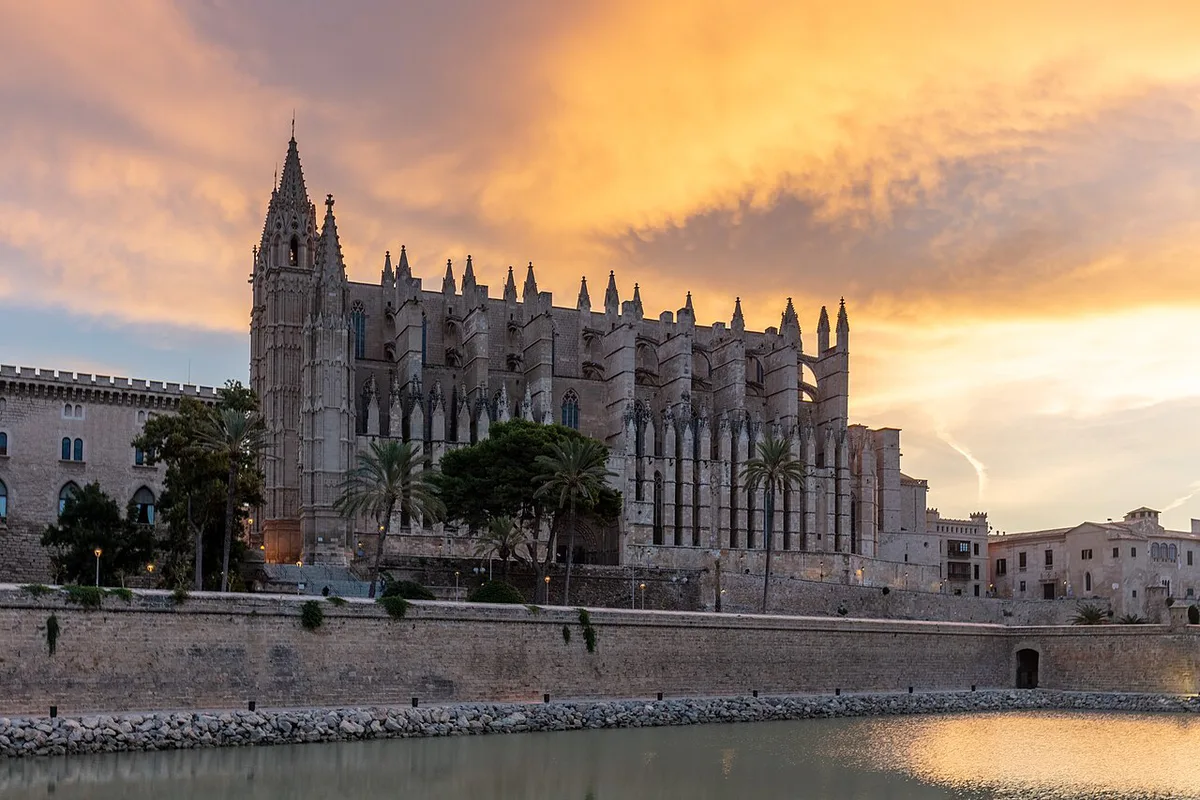
Three areas stand out as consistently comfortable for solo walking, dining, and getting back to accommodation without overthinking the route. The Old Town (Casco Antiguo) is dense, walkable, and busy with foot traffic for most of the day and early evening, though its narrowest alleys thin out and lose lighting well after midnight. Santa Catalina has a trendy, market-driven social scene that suits solo dining particularly well, with enough passers-by and open-fronted bars that eating alone rarely feels conspicuous. Portixol, the small coastal pocket east of the centre, keeps a relaxed, local, jogger-and-dog-walker feel that reads as safe through most of the day and into the evening. Booking accommodation inside one of these three pockets, rather than on the city's outer edges, is the simplest structural safety decision a solo traveller can make before arrival.
- Old Town (Casco Antiguo) - high foot traffic and walkable, but narrow alleys dim after midnight
- Santa Catalina - trendy, market-driven, comfortable for solo dining and evening drinks
- Portixol - coastal and local, with a relaxed daytime feel favoured by joggers and dog-walkers
- The Paseo Marítimo corridor - open and well used, good for daytime and early-evening walks
Areas to Approach with More Caution
The clearest exception to Palma's generally relaxed feel is the party strip, where a concentrated late-night bar and club scene brings the same risks solo women are warned about in nightlife districts across Europe, including drink-spiking and pushy group behaviour. Treat the beach itself after dark as a grey area rather than a flat no-go: it is quiet and disconnected from the passers-by that make the Old Town or Santa Catalina feel comfortable at the same hour, so it is better saved for daytime. Peripheral and more industrial pockets away from the tourist core deserve the same baseline caution any solo traveller would apply in an unfamiliar residential area at night, wherever in the world that happens to be. Booking centrally and staying oriented rather than wandering into unfamiliar outer districts after dark closes most of this gap. For a fuller street-level breakdown of where to stay more alert, the areas to avoid in Palma guide goes into specific pockets in more depth.
Navigating Palma Alone at Night
Paseo Marítimo, the seafront promenade, stays busy and well lit for a comfortable evening walk, especially the stretch closest to the marina and Old Town where restaurant terraces keep the pavement active late into the evening. Side streets that run inland from the main tourist routes lose both foot traffic and lighting much faster, so cutting through them after dark is where solo caution matters most. Transitioning from central Palma to the island's dedicated party hubs, such as Magaluf, changes the risk profile substantially: those resorts are built around late-night group drinking, and the safety trade-offs are real enough to deserve separate planning rather than being treated as a casual extension of a night out in the city. Lower-key solo evenings, such as an early tapas crawl or a sunset walk along the seafront before the bars fill up, keep the reward-to-risk ratio firmly in your favour. The dedicated Palma night safety guide expands on specific timing and route advice for later hours.
Solo safety in Palma hinges on two decisions: booking accommodation in Old Town, Santa Catalina, or Portixol, then adapting transport mode—walking bright, busy routes by day, switching to taxis when darkness and quiet streets converge.
Public Transport and Solo Logistics
Official taxis, hailed from a marked rank or booked through Radio Taxi Palma, remain the most straightforward late-night option and are the standard fallback once the bus network thins out for the night. Uber and Cabify both operate in Palma and across Mallorca, giving solo travellers a trackable, cashless alternative to street hails, though availability can run lighter than on the Spanish mainland, so building in a short wait is sensible rather than assuming an instant match. Daytime buses are run by EMT within the city and by TIB across the wider island, and both are a normal, well-used way to get around; it is really only the last services of the night where a ranked or app-booked taxi is the more comfortable choice for a solo rider. Airport transfers after dark are safest handled the same way, with a pre-booked taxi or ride-share direct to accommodation beating a wait for a connecting bus with luggage late at night. The Palma public transport safety guide breaks down routes and timing in more detail.
Common Scams and Petty Crime to Avoid
Petty theft, not violent crime, is the dominant risk in Palma, and it clusters around exactly the places you would expect: dense pickpocketing hotspots such as Plaza España and the streets funnelling tourists toward the Cathedral. Distraction scams built around a sudden mess on your clothing, sometimes framed as bird droppings or an offered sprig of rosemary, are a known setup for a hand in a bag or pocket while you are focused on cleaning up or being polite to a stranger. At the beach, the everyday risk is simply an unattended bag while you swim; treat sunbathing spots the way you would any crowded tourist beach and keep valuables with a neighbour, a locker, or on your person. None of this is unique to solo women, but travelling without a second person to watch belongings makes the basic habits, a bag worn zipped and in front, minimal cash carried, more worth building into the daily routine from day one. The Palma tourist scams guide covers the full list with more prevention detail.
Petty theft clusters around major tourist zones like the Cathedral and Plaza España, but basing yourself in pedestrian-friendly neighborhoods—Old Town, Santa Catalina, Portixol—keeps you surrounded by foot traffic. Adding taxis after dark and basic precautions creates the layered approach underlying Palma's solo safety.
Solo Socialising: Meeting People Safely
Solo socialising in Palma works well because the city's food and walking-tour culture is genuinely built around casual, low-pressure meetups rather than a bar-first scene. Free walking tours through the Old Town are an easy, structured way to meet other travellers on day one, and language exchange evenings, common in a city with a sizeable expat and student population, offer a low-key way to build a temporary social circle. Choosing a boutique or design-led hostel over a party hostel changes the crowd substantially if the goal is rest and light socialising rather than a nightlife-first stay. For solo dining, Santa Catalina's market-and-bar cluster and the Old Town's plaza-facing cafés are both set up for single diners, with enough counter seating and open kitchens that eating alone does not stand out.
- Free walking tours through the Old Town - a low-pressure way to meet other travellers on arrival
- Language exchange evenings - draw on Palma's expat and student population
- Boutique or design-led hostels - a calmer alternative to party-focused hostel dorms
- Santa Catalina's market and bar cluster - counter seating that suits solo diners
Emergency Contacts and Local Resources
112 is the single emergency number across Spain, covering police, fire, and ambulance, and it is the number to call first in any serious incident anywhere in Palma. The city also runs a SATE (Servei d'Atenció al Turista Estranger) service, a foreign tourist assistance desk staffed alongside local police specifically to help visitors report crimes, replace documents, and navigate the local system in English and other languages, a meaningfully different level of support than most cities offer solo travellers. Pharmacies (farmacias) are identified by an illuminated green cross and operate on a rotating farmacia de guardia system, so at least one stays open overnight in any given area; staff can point you to the nearest hospital or urgent care if a pharmacy visit is not enough. Saving the 112 number and noting the nearest SATE or police point on arrival costs a few minutes and closes the gap on the one genuinely practical prep step most solo itineraries skip.
How Palma Compares for Solo Female Travellers
Palma is frequently discussed alongside Barcelona and Madrid in solo-travel safety conversations, and in our editorial assessment the comparison favours Palma largely on scale: it is a smaller, more walkable city core with fewer of the dense, high-volume pickpocketing zones that mainland hubs are known for around major transit and landmark clusters. That does not mean petty theft risk drops to zero in Palma, only that the crowded-metro-and-landmark pattern driving theft in bigger cities is less pronounced in a city of Palma's size and layout.
| City | Petty Theft Risk | Solo Female Comfort Level | Night-time Caution Areas |
|---|---|---|---|
| Palma de Mallorca | Low to moderate, concentrated around tourist hotspots | High, in our editorial assessment | Party strip and the beach after dark |
| Barcelona | Moderate to high, especially around transit hubs and Las Ramblas | Moderate, in our editorial assessment | Busy tourist corridors and the metro at peak times |
| Madrid | Moderate, concentrated around major squares and metro lines | Moderate to high, in our editorial assessment | Certain nightlife districts late at night |
When to Walk and When to Take a Taxi at Night
A simple rule works well in Palma: walk when your route stays on bright, busy streets, and switch to a taxi when the route depends on quiet shortcuts. A solo walk from La Seu Cathedral through Parc de la Mar, along Passeig del Born, or across Santa Catalina’s main restaurant streets is usually a reasonable early-evening choice because there are other pedestrians, open terraces, and clear exits. The same is true for the central stretch of Paseo Marítimo near the marina, especially before the late-night bar crowd thins.
Take an official taxi or app-booked ride if you are returning after midnight from Santa Catalina toward an unfamiliar side street, crossing from the seafront into darker residential lanes, carrying luggage from Plaça d’Espanya, or travelling back from Magaluf or another resort area. The extra cost is usually less important than avoiding a long, poorly lit walk while tired or disoriented.
Frequently Asked Questions
Is Palma safe for solo female travellers at night?
Central Palma is comfortable for an evening walk along well-used routes such as the seafront, but treat the party strip and the beach after dark as the two clear exceptions. Sticking to lit, busy streets and taking a taxi once crowds thin out covers most of the practical risk.
What is the safest area to stay in Palma as a solo woman?
The Old Town, Santa Catalina, and Portixol are consistently the most comfortable bases, combining walkability, daytime and early-evening foot traffic, and easy access to solo-friendly dining. Booking centrally in one of these pockets is a simpler safety decision than trying to judge a peripheral neighbourhood from a listing alone.
Should solo female travellers avoid Magaluf and Palma's party strip?
Not necessarily avoid outright, but plan it separately from a city-based stay. The concentrated late-night bar scene brings drink-spiking risk and pushy group behaviour that simply are not part of an evening in the Old Town or Santa Catalina, so go in with a plan for getting home rather than treating it as a casual extension of the night.
Is public transport safe for solo women travelling around Palma?
Daytime EMT city buses and TIB regional buses are a normal, well-used way to get around, and official taxis, including Radio Taxi Palma, cover the later hours comfortably. Uber and Cabify also operate across Mallorca as a cashless, trackable alternative, though it is worth building in a short wait since availability can be lighter than on the mainland.
What is the emergency number in Palma and Spain?
Dial 112 for police, fire, or ambulance anywhere in Spain, including Palma. The SATE foreign tourist assistance service is a further resource specifically for visitors reporting crime or needing help in English.
Are ride-sharing apps like Uber and Cabify available in Palma?
Yes, both operate in Palma and more broadly across Mallorca, alongside the traditional taxi network. They are a useful cashless backup for late-night journeys, though wait times can run longer than travellers used to mainland Spain might expect.


