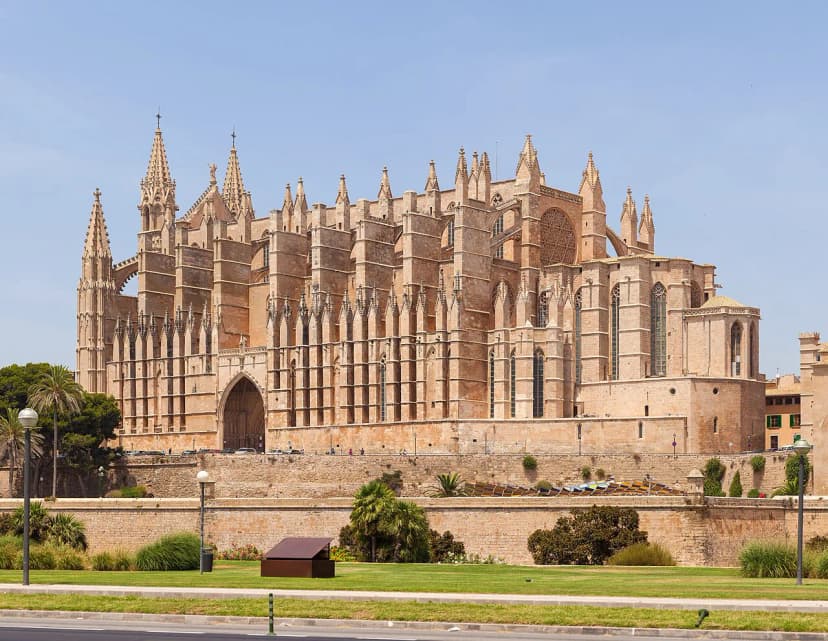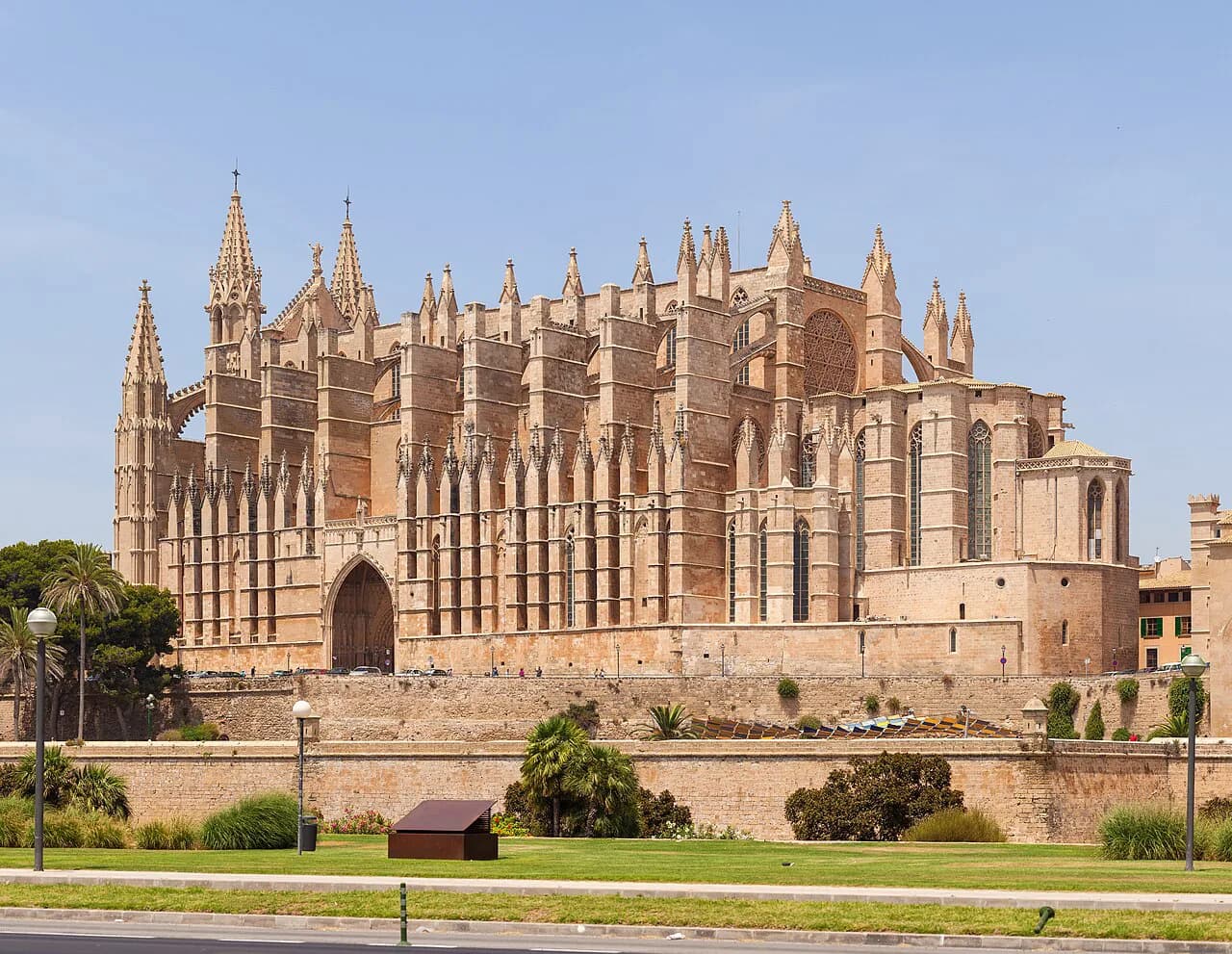
Is Palma Safe? What Travelers Need to Know Before Visiting
Last updated July 2026, this guide answers the question that comes up before every Mallorca trip gets booked: is Palma safe for a weekend break, a family holiday, or a longer stay? The short answer is yes for the vast majority of visitors — Palma's cathedral quarter, seafront promenades, and central neighborhoods see very little violent crime, and the real day-to-day risk is petty theft and low-grade tourist scams rather than anything more serious. The sections below break down exactly where that risk concentrates, how Palma city differs from Mallorca's party-resort headlines, and what practical steps make a visit safer.
Is Palma Safe in 2026? The Quick Answer
For nearly every traveler, the honest answer to is Palma safe is yes, with the same everyday caution you would use in any mid-sized European city. Palma de Mallorca is the Balearic Islands' capital, and it functions more like a compact, walkable Mediterranean city than the all-inclusive party zones that generate Mallorca's occasional bad press. Violent crime against tourists is rare, and most safety issues visitors actually encounter are opportunistic — an unattended bag on a café terrace, a phone left on a restaurant table near Plaça Major, a distraction scam on a crowded street. The headlines about Mallorca trouble almost always trace back to a handful of high-density nightlife strips on the island's edges, not the historic core where most independent travelers spend their time. That distinction matters: a family staying in the Old Town and a group on a big-night-out itinerary in a party resort are, in practical terms, visiting two very different Mallorcas with very different risk profiles.
- Violent crime targeting tourists is rare across Palma city
- Petty theft and pickpocketing are the main practical risk in crowded tourist areas
- The Old Town, Santa Catalina, and Portixol are considered comparatively calm and walkable
- Higher-incident nightlife trouble concentrates in party resorts outside the historic center, not central Palma
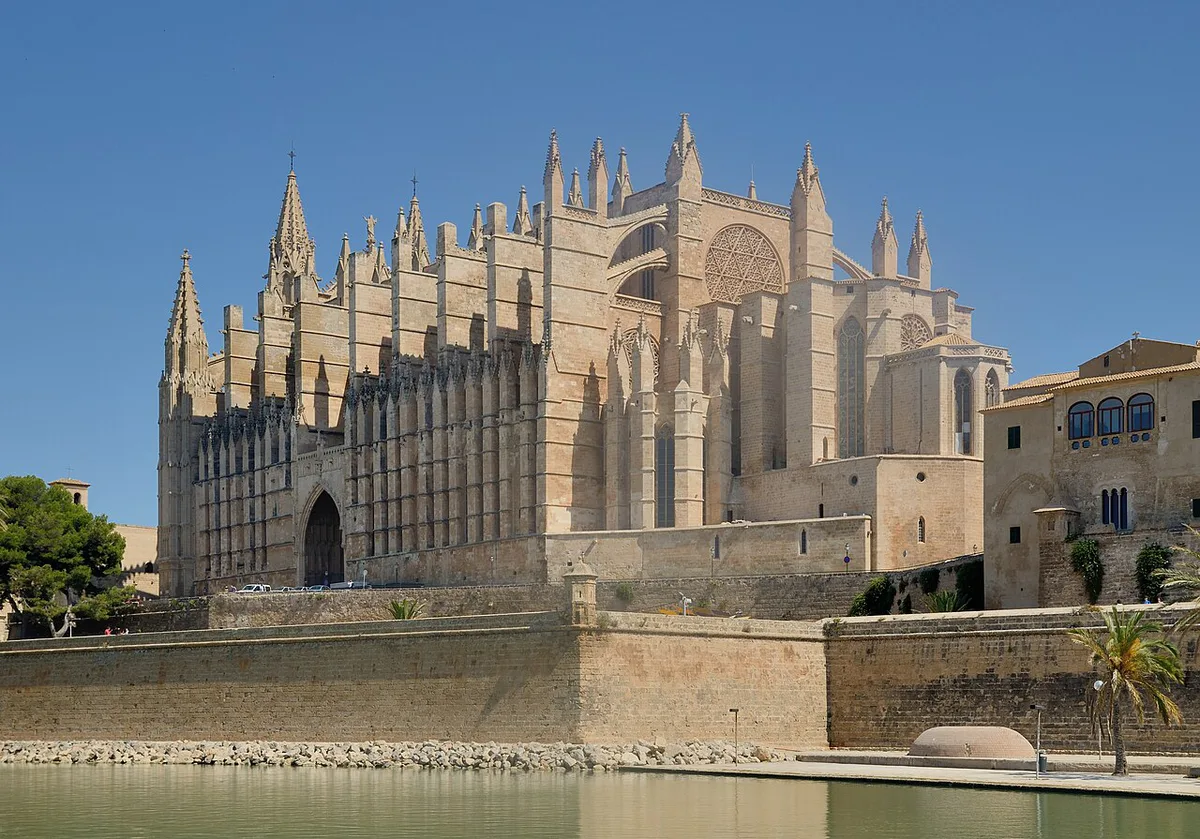
Crime Overview: Petty Theft vs Personal Safety
Crime in Palma splits into two very different categories: petty property crime, which is a genuine and fairly common nuisance, and violent crime, which is uncommon and rarely involves tourists. Pickpocketing is the complaint that comes up most often, and it clusters in exactly the places you would expect — dense, distracted crowds around Plaça d'Espanya, the queues and photo spots near the cathedral (La Seu), and the narrow shopping streets of the Old Town where a bag left open or a phone resting on a café table is an easy target. None of this is unique to Palma; it is the standard petty-crime pattern of almost any major European tourist destination, and it responds to the same basic countermeasures: cross-body bags, zipped pockets, and not leaving valuables unattended. Independent crime-index tracking gives a useful sense of scale. Numbeo's crowd-sourced crime and safety indices, cited widely by destination guides, place Palma's crime index meaningfully below several major European capitals and its safety index correspondingly higher — a pattern consistent with the general experience that Palma feels calmer and lower-tension than a city of comparable size on the mainland. As with any crowd-sourced index, treat these as a directional comparison rather than an official statistic — but the pattern lines up with on-the-ground reporting: Palma's core tourist areas are calmer than many mainland capitals, even as pickpocketing remains a real nuisance in the busiest pockets.
| City | Numbeo Crime Index | Numbeo Safety Index |
|---|---|---|
| Palma | 36.33 | 63.67 |
| Copenhagen | 26.29 | 73.71 |
| Oslo | 33.38 | 66.62 |
| Berlin | 44.44 | 55.56 |
| London | 54.50 | 45.50 |
| Paris | 57.94 | 42.06 |
Neighborhood Safety Map: Where to Stay and Areas to Use Caution
Where you base yourself in Palma changes your practical safety experience more than almost any other factor. The Casco Antiguo (Old Town) around the cathedral is the classic choice: dense with pedestrian-only lanes, well-lit at night, and busy enough with restaurant and hotel traffic that it feels calm well into the evening. Santa Catalina, the food-market neighborhood just west of the center, and Portixol, the small former fishing quarter along the eastern waterfront, are both popular with travelers and locals alike for the same reason — walkable, residential-feeling streets rather than transient nightlife strips. On the other end of the spectrum, a handful of Palma's outer, non-tourist residential districts come up repeatedly in local safety discussions: Son Gotleu, La Soledat Nord, and parts of Mare de Déu de Lluc, along with outlying neighborhoods such as Son Banya and El Rafal Nou. These areas see higher rates of property crime and, in some cases, drug activity, and locals generally advise avoiding them — but it is worth keeping the context: these are peripheral residential neighborhoods that essentially never appear on a visitor itinerary, not zones a traveler staying near the cathedral, Santa Catalina, or the waterfront would pass through by accident. For a fuller street-by-street breakdown, the areas to avoid in Palma guide covers exactly which districts warrant extra caution and why. Separate again from both categories are Palma's nightlife zones — Paseo Marítimo and Playa de Palma (S'Arenal) — where the concern is less about crime targeting tourists specifically and more about the alcohol-driven friction that comes with any dense, late-night entertainment strip.
Local safety discussions flag peripheral residential neighborhoods like Son Gotleu and La Soledat Nord, yet these areas never appear on visitor itineraries. The opportunistic crimes tourists actually encounter—pickpocketing, scams—concentrate in the crowded central areas where travelers spend their time.
- Safe, walkable zones: Casco Antiguo (Old Town), Santa Catalina, Portixol
- Use extra caution: Son Gotleu, La Soledat Nord, parts of Mare de Déu de Lluc
- Outer residential districts flagged in local reporting: Son Banya, El Rafal Nou
- Nightlife zones with a different risk profile: Paseo Marítimo, Playa de Palma (S'Arenal)
Safety for Different Kinds of Travelers
Solo female travelers generally report feeling comfortable walking around central Palma during the day and in the well-trafficked parts of the Old Town, Santa Catalina, and the waterfront in the evening. As in most Mediterranean cities, occasional catcalling or unwanted attention is the more common complaint rather than anything approaching physical danger, and sticking to lit, populated streets after dark — rather than shortcuts through quiet side lanes — is the standard local advice. The solo female travel safety guide goes deeper into specific neighborhoods, transport choices, and accommodation tips for traveling alone. Families tend to find Palma straightforward: the Old Town's pedestrianized core keeps young children away from heavy traffic, the city beaches operate lifeguard-monitored flag systems in season, and healthcare access is solid, with the Balearic Islands' public health service, IB-Salut, backing up a well-developed private clinic network that's used to treating visitors. The main practical concerns for families are the same ones that apply anywhere with sun and water — heat, hydration, and beach supervision — rather than anything crime-related. For digital nomads and prospective expats, the calculus shifts slightly. Long-term residents tend to weigh home security and neighborhood character over single-trip logistics: ground-floor apartments benefit from secure entry systems, and longer-term renters generally gravitate toward the same calmer residential pockets — Santa Catalina, Portixol, and similar central-adjacent neighborhoods — that work well for short visits, while approaching the outer residential districts with the same caution outlined above.
- Solo female travelers: stick to lit, populated streets after dark in the Old Town, Santa Catalina, and the waterfront
- Families: pedestrianized Old Town streets, flag-monitored beaches, and solid healthcare access via IB-Salut and private clinics
- Digital nomads and expats: prioritize secure ground-floor entry and calmer residential neighborhoods for long-term stays
Common Scams and Tourist Pitfalls to Know Before You Go
Palma's scam landscape is low-stakes and opportunistic rather than dangerous, but it is worth recognizing the patterns before arrival. None of these involve real danger — they are financial nuisances that rely on distraction and social discomfort rather than confrontation. The common tourist scams in Palma guide breaks down a longer list, including how each one typically opens and the exact response that shuts it down fastest.
- Trileros (the pea-and-shell or ring game): street operators run a fast, rigged guessing game with accomplices posing as players, designed purely to take onlookers' cash — walking past without engaging is the only reliable countermeasure
- Unlicensed taxis and lookout scams near the port: cruise passengers and ferry arrivals are the usual targets, approached by unofficial drivers offering inflated rides, sometimes with a lookout partner working the crowd — only use marked, licensed taxis or an app-based booking
- 'Rose women' and friendship-bracelet approaches in the Old Town: a vendor ties a bracelet onto a wrist or presses a flower into a hand before demanding payment — firmly declining before any physical contact avoids the awkward follow-up
Public Transport, Nightlife Zones, and Getting Around Safely
Getting around Palma is straightforward and, on the whole, low-risk. EMT Palma operates the city's bus network, and TIB (Transports de les Illes Balears) runs the regional train lines connecting Palma to towns across the island; both are standard, well-used public services rather than something to be wary of, though the same pickpocket awareness that applies to any crowded transit system in Europe is worth carrying onto a packed EMT bus during peak hours. The public transport safety tips guide covers route-specific advice for using EMT buses and TIB trains as a visitor. After dark, the calculus changes mainly around the nightlife strips rather than the city as a whole. Central Palma — the Old Town, Santa Catalina, the cathedral-front promenade — stays busy and reasonably well-lit well into the evening, and walking back to a hotel in these areas is generally considered low-risk. The bigger nightlife zones, Paseo Marítimo and Playa de Palma, carry the more typical big-night-out risks: dense crowds, heavy drinking, and the drink-spiking awareness that applies to any high-density nightlife strip in Europe — watching drinks being made, not accepting rounds from strangers, and sticking with a group are the standard precautions. Covering the longer stretch between the center and the popular hotel districts along the bay late at night is best done by taxi or bus rather than on foot, since the route runs past long, quieter sections of promenade. For a fuller nighttime breakdown by neighborhood, see Palma safety after dark.
- EMT Palma buses and TIB regional trains are standard, well-used services — keep bags zipped during crowded peak hours
- Central Palma stays busy and well-lit into the evening, keeping walking risk low near the Old Town and waterfront
- Paseo Marítimo and Playa de Palma carry standard big-night-out risks: watch drinks, stick with a group
- Cover long stretches between hotel districts and the center by taxi or bus late at night rather than on foot
Natural Hazards: Sea, Sun, and the Tramuntana Mountains
Palma and the wider island carry a set of environmental risks that have nothing to do with crime but matter just as much for a safe trip. At the beach, pay attention to the flag system — a red flag means the water is closed to swimming — and to jellyfish warnings, since Portuguese man o' war sightings do occur seasonally along Mallorca's coastline and their sting warrants medical attention rather than home remedies. Balconing — jumping or climbing between hotel balconies or into pools, usually alcohol-related — is a well-documented, entirely avoidable risk concentrated in the island's high-density party resorts rather than central Palma, and it is worth flagging precisely because it causes some of the most serious injuries linked to Mallorca tourism each year. Inland, the Serra de Tramuntana mountains northwest of Palma are the island's main hiking draw, and their trails demand normal mountain precautions: carrying enough water for the heat, checking trail markers rather than assuming a path is obvious, and avoiding exposed ridgelines in the height of summer afternoon sun. Mediterranean wildlife hazards are minor but worth knowing about — pine processionary caterpillars appear on the island in spring and their hairs can cause skin and respiratory irritation on contact, and scorpions, while present, are rarely encountered outside rural, undisturbed ground.
- Sea: check the beach flag system and jellyfish warnings before swimming
- Balconing: never climb or jump between balconies or into pools, especially when alcohol is involved
- Hiking: carry enough water and check Tramuntana trail markers before setting out, particularly in summer heat
- Wildlife: give pine processionary caterpillar nests a wide berth in spring
Practical Emergency Information for Palma
Basic preparation makes any safety issue easier to handle. Spain's general emergency number is 112, which connects to police, medical, or fire response with English-speaking staff available. Palma also has SATE (Servicio de Atención al Turista Extranjero) offices — a police service specifically set up to help foreign tourists report crimes and get support in their own language, a resource that general safety guides often skip. Police presence in the city covers both a central Palma station and a station in S'Arenal, serving the respective residential and nightlife zones. Reporting a crime (filing a denuncia) can be done in person at a police station or, for many property crimes, online, and it's worth doing promptly if travel insurance reimbursement depends on a police report.
Most travel-safety guides skip SATE, Palma's police service for foreign tourists, which offers crime reporting and support in multiple languages. Given that most risks are opportunistic and financial, knowing how to file a denuncia promptly matters most for insurance claims.
- Emergency number: 112 (police, medical, fire)
- SATE offices provide tourist-specific police support in English and other languages
- Police stations serve central Palma and S'Arenal
- File a denuncia in person or online, and do it promptly if it affects an insurance claim
The Bottom Line: Should You Feel Safe in Palma?
Weigh the full picture and the case holds up well: this is a city where the realistic risks are financial and avoidable — a pickpocketed phone, a scam that costs a few euros, a rough night in the wrong nightlife strip — rather than anything that should keep a trip off the table. The clearest safety decision a traveler makes isn't really about Palma at all; it's about which Mallorca they're booking. A base in the Old Town, Santa Catalina, or Portixol delivers a walkable, well-lit, low-tension experience that lines up with Palma's generally strong safety reputation. A base in one of the island's dedicated party resorts trades that calm for a louder, higher-friction nightlife scene where the standard precautions — sticking with a group, watching drinks, avoiding balcony antics — matter considerably more. Either way, ordinary city-travel habits, a little neighborhood awareness, and knowing where to turn in an emergency cover the vast majority of what could go wrong.
Palma City vs Magaluf and S'Arenal: Know the Difference
A lot of “Mallorca safety” anxiety comes from mixing up Palma city with the island’s dedicated party-resort strips. Palma’s Old Town, La Seu cathedral area, Santa Catalina, Portixol, and the central waterfront are urban, restaurant-heavy areas where the main risk is petty theft in crowds. Magaluf, by contrast, is in Calvià, west of Palma, and has a much more nightlife-driven profile around Punta Ballena and nearby hotel zones. S’Arenal and parts of Playa de Palma, east of the city, sit closer to Palma but can feel very different late at night because of bar crawls, large groups, and alcohol-related disorder.
This distinction matters when choosing accommodation. If you want museums, tapas streets, shopping, and a calmer evening atmosphere, stay in central Palma rather than booking based only on the word “Mallorca.” If your itinerary includes Magaluf or S’Arenal nightlife, use the same precautions you would in any high-density resort zone: travel back by licensed taxi or bus, keep your group together, and do not walk long, quiet promenade stretches alone after drinking.
For trip-planning details, see UK FCDO travel advice for Spain.
Explore is safe in other cities
Frequently Asked Questions
Is Palma safe at night?
Yes, particularly in the well-lit, busy stretches of the Old Town, Santa Catalina, and the cathedral-front waterfront, where restaurant and hotel foot traffic keeps streets active well into the evening. The bigger nightlife zones along Paseo Marítimo and Playa de Palma carry the usual big-night-out risks — heavy drinking, dense crowds — so the standard precautions around drinks and group travel matter more there than in the historic center.
Is the tap water safe to drink in Palma?
Yes. Tap water across Palma and the rest of Mallorca meets Spanish and EU drinking-water standards and is safe to drink straight from the tap, though many locals and visitors alike prefer bottled water for taste rather than any safety concern.
Is Palma safer than Barcelona?
Numbeo's crime and safety indices, which track Palma against several major European capitals, consistently place it toward the safer end of that comparison, and Palma's tourist density and reported pickpocketing volume are both considerably smaller in scale than Barcelona's well-documented hotspots. That said, both cities remain broadly safe for ordinary tourism — the difference is more about the intensity and concentration of petty theft than any fundamental gap in danger.
Are Magaluf and S'Arenal part of Palma, and are they less safe?
S'Arenal (Playa de Palma) sits within Palma's municipal boundary as its main nightlife and beach strip, while Magaluf is a separate resort town further along the coast in Calvià. Both see more alcohol-fueled nightlife friction and occasional trouble than Palma's historic center, which is the main reason the two get conflated with the city's own safety record in general searches.
What should solo female travelers know before visiting Palma?
Central Palma is generally comfortable to explore alone, day or night, in the busier parts of the Old Town, Santa Catalina, and the waterfront, with occasional catcalling being the more common complaint rather than anything more serious. The solo female travel safety guide covers neighborhood-specific and transport advice in more depth.
How much time should I plan for reporting a lost or stolen item in Palma?
Filing a denuncia at a police station or online typically takes under an hour for straightforward petty theft, and doing it promptly matters most if a travel insurance claim depends on having an official police report.
Stay Safe in Palma
Every Palma safety guide on one page — areas, scams, night rules, and getting around.