Is Corfu Safe? A Complete 2026 Guide to Safety in Corfu
Last updated April 2026, the short answer to is Corfu safe is yes: for the vast majority of visitors, this Ionian island delivers a low-key, low-risk holiday where violent crime against tourists is rare, and the honest safety story sits elsewhere. The real hazards on Corfu are less about muggings in Corfu Town (Kerkyra) and more about quad bikes, scooters, and narrow mountain roads, which repeatedly show up as the leading cause of tourist injury on the island. This guide breaks down what actually deserves your attention, from the Kavos nightlife strip to tap water and transport choices, so you can plan with clear eyes rather than vague worry.
The Bottom Line: Is Corfu Safe in 2026?
Overall, Corfu ranks among the calmer Greek island destinations for personal safety. Greece as a whole tends to sit toward the lower-risk end of travel advisories issued by bodies like the UK Foreign, Commonwealth and Development Office (FCDO) and the U.S. Department of State, and Corfu does not carry any island-specific warnings beyond the standard seasonal cautions about heat, road conditions, and alcohol-related incidents in nightlife resorts. Violent crime targeting tourists is uncommon. The genuine risk profile is concentrated in two places: two-wheeled and quad-bike accidents on unfamiliar roads, and the fallout from heavy drinking in a small number of party-focused resort towns. Travelers who rent a vehicle cautiously, stay alert in crowded tourist zones, and use common sense after dark encounter very few problems.
Corfu Crime Rates and Personal Safety
Petty crime is the more realistic concern than violent crime. Bag snatching, pickpocketing in crowded markets, and opportunistic theft from unattended beach towels or parked rental cars do happen, particularly around the Old Town's busiest lanes and during peak summer weeks when foot traffic is heaviest. Keeping valuables in a secured bag, avoiding leaving phones or wallets visible in cars, and using hotel safes for passports and cash covers most of the realistic risk. For a closer look at how petty offenses trend across the island and where they cluster, see Corfu's crime rate breakdown, which puts the island's numbers in context against other Greek destinations. Reports to local authorities, including the Hellenic Police, remain the standard channel for any theft or dispute, and officers in tourist-heavy areas are generally used to assisting visitors.

Safest Neighborhoods vs Areas to Approach with Caution
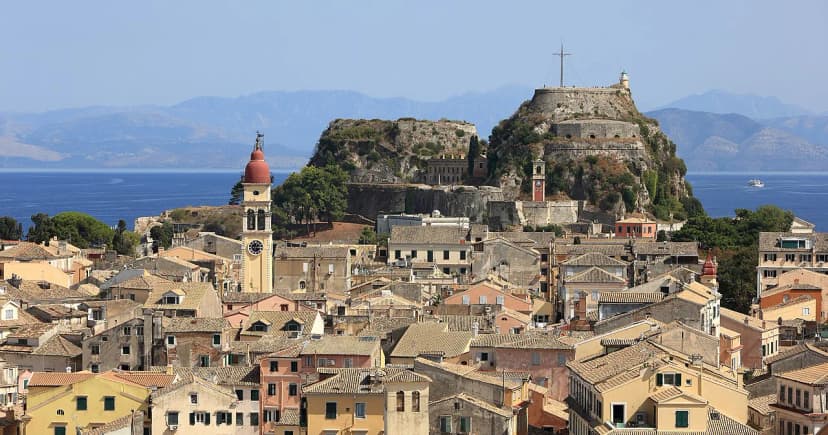
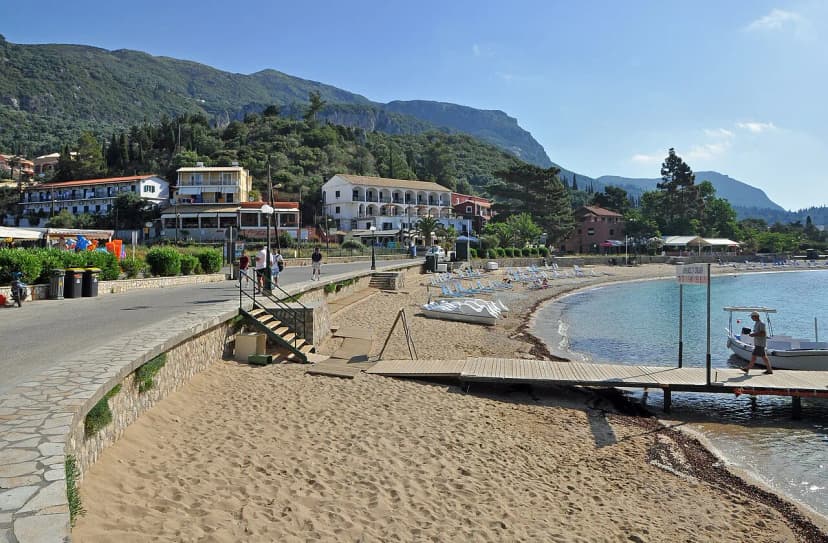
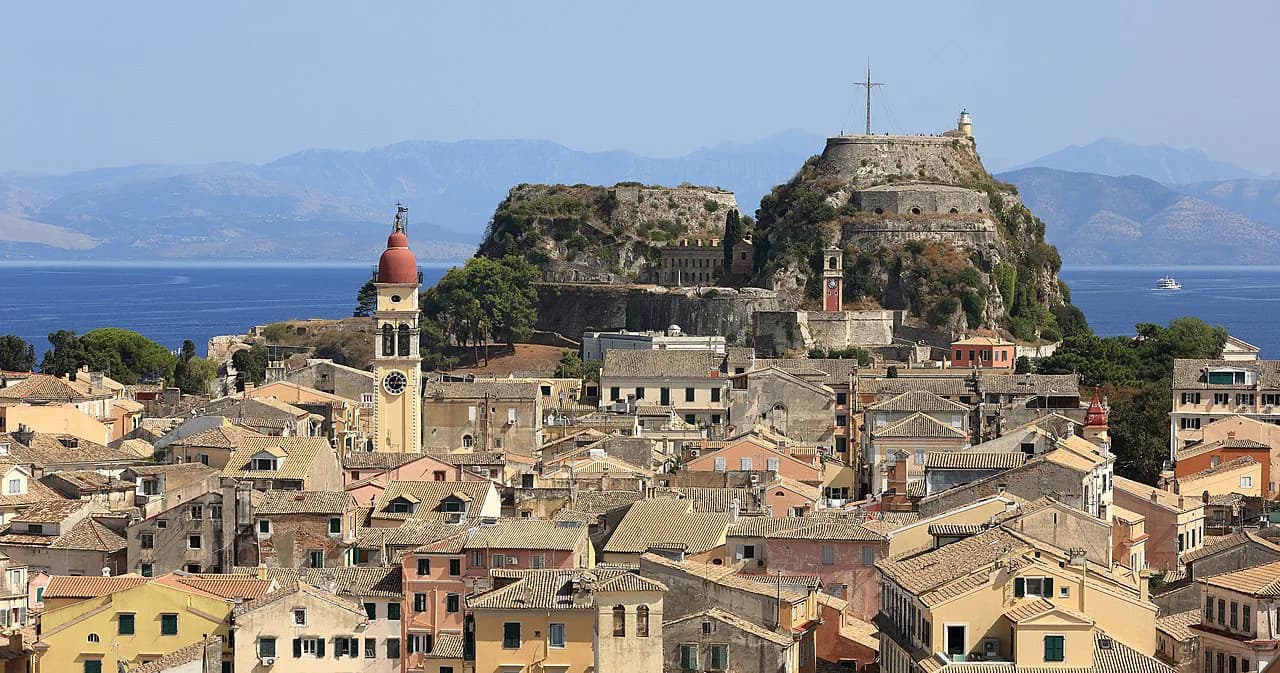
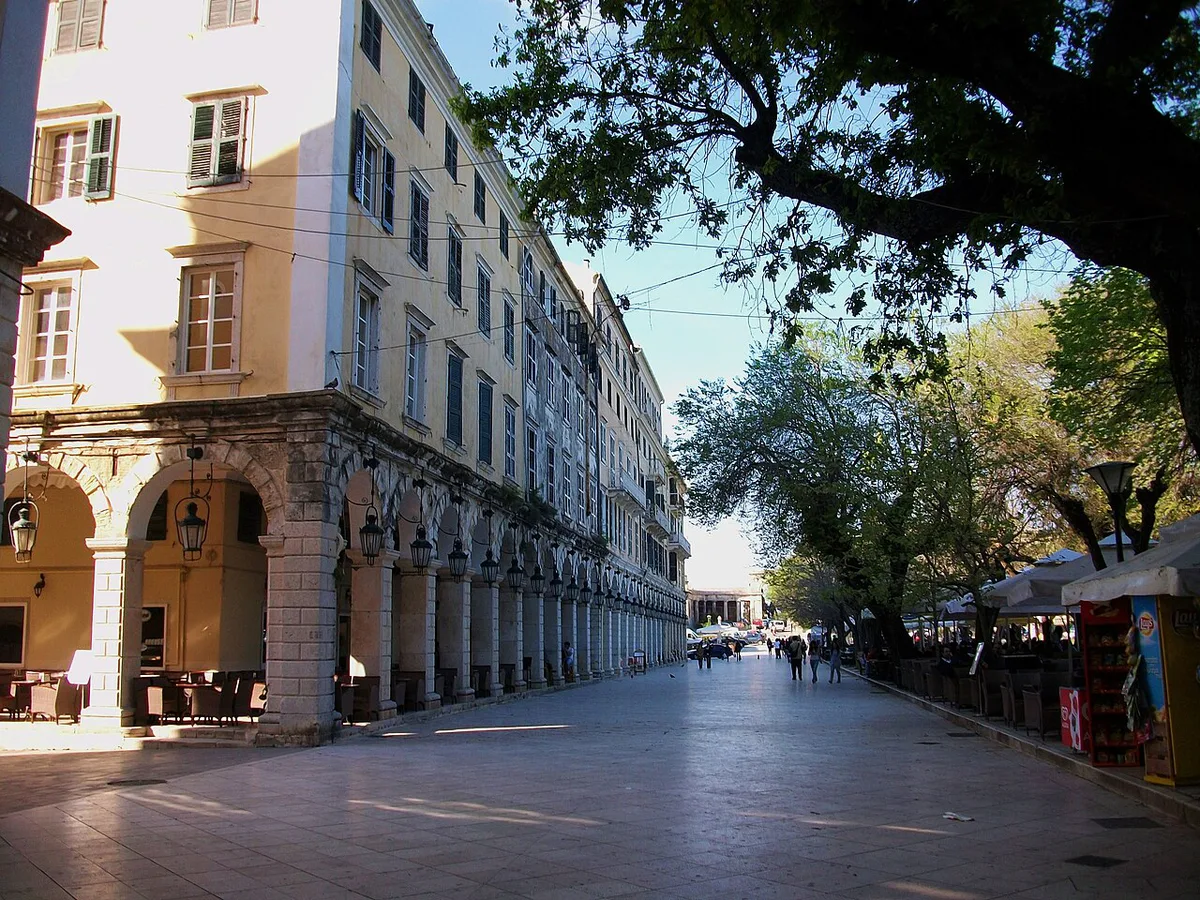
Corfu is not a monolith, and where you base yourself changes your safety experience more than almost any other factor. Corfu Town, with its Venetian-era streets and busy Liston promenade, and calmer resort villages such as Paleokastritsa on the west coast, suit families and couples who want daytime sightseeing and quieter evenings. Kavos, on the island's southern tip, is a different animal entirely: it is built around late-night bars, club promotions, and heavy drinking, which brings a higher rate of alcohol-fueled brawls, accidents, and impaired decision-making than anywhere else on the island. This is what locals and repeat visitors call the Kavos factor, and it is the single biggest variable in how risky a Corfu trip feels. For a fuller rundown of which resorts and pockets warrant extra caution, read the guide to areas to avoid in Corfu, and for base recommendations by trip type, see the Safest Neighborhoods in Corfu: Where to Stay for Peace of Mind (2026 Guide).
| Traveler Type | Primary Risk | Recommended Base |
|---|---|---|
| Solo female traveler | Late-night isolation, unlicensed taxis | Corfu Town or Dassia |
| Family with children | Beach currents, road traffic near resorts | Paleokastritsa or Gouvia |
| Party-focused traveler | Alcohol-related incidents, late-night brawls | Kavos, with extra caution after midnight |
| Couple wanting quiet | Minimal; mostly petty theft in crowds | Paleokastritsa or northern coastal villages |
Safety at Night and Solo Female Travel in Corfu
Corfu Town's main streets, the Liston, and the Old Fortress area stay busy and reasonably well lit well into the evening during the summer season, and walking through these central zones after dinner is routine for both locals and visitors. Quieter side alleys, unlit coastal paths, and rural village roads are a different story, and sticking to main routes after dark is the simplest precaution. Solo travelers, and solo female travelers in particular, generally report a comfortable experience on Corfu as long as they apply the same baseline habits used in any unfamiliar destination: share an itinerary with someone, book licensed accommodation, and avoid walking alone on unlit rural stretches late at night. For destination-specific detail on nightlife zones, taxi etiquette, and after-dark habits, the dedicated guide to Corfu safety at night covers the topic in depth, and travelers wanting a fuller solo-focused breakdown should read the guide to solo female travel safety.
Road Safety and Getting Around: Car, Scooter, or Green Bus?
This is where Corfu's real risk lives. The island's interior is mountainous, and many secondary roads are narrow, poorly lit, and lined with sharp switchbacks that catch out drivers unfamiliar with the terrain. Quad bikes and scooters are the standout hazard: rental agencies rarely enforce protective gear rigorously, insurance coverage on these vehicles is often minimal, and inexperienced riders navigating hairpin turns or gravel-strewn shoulders account for a disproportionate share of tourist injuries reported on the island each season. For safety-conscious travelers who would rather not self-drive, KTEL Corfu, known locally as the Green Bus, runs scheduled intercity routes connecting Corfu Town to villages and resorts across the island, distinct from the Blue Bus urban network that covers routes within Corfu Town itself. Choosing the Green Bus over a rental quad removes the single biggest source of tourist injury from the equation entirely. Anyone weighing a rental car against public transport should read the full public transport safety comparison before deciding, since it lays out the practical trade-offs between flexibility and risk in more detail.
Quad and scooter rentals cause more tourist injuries on Corfu than violent crime or petty theft. Travelers prioritizing safety can use the KTEL Green Bus instead, which eliminates this risk entirely.
Health, Tap Water, and Natural Risks
Tap water safety on Corfu genuinely varies by region rather than following one island-wide rule. In Corfu Town and larger municipal supply areas, tap water is treated and generally considered safe to drink, though its mineral-heavy taste puts many visitors off regardless. In smaller villages and more remote parts of the island, water supply can rely on local wells or older infrastructure, and bottled water is the more reliable choice there. Beyond water, the two natural risks worth planning around are heat and the sea: summer temperatures climb high enough that heat exhaustion is a real concern for travelers doing full days of sightseeing, so pacing outdoor activity, carrying water, and avoiding the midday sun matters. At the coast, some beaches carry stronger currents than others, and checking posted flag warnings before swimming, rather than assuming every cove is calm, is the simplest precaution.
Common Scams and Tourist Pitfalls in Corfu
Corfu's scams tend to be the same overcharging and misdirection tactics found across popular Mediterranean resorts rather than anything unique to the island, but knowing the specific local versions helps. Unmetered taxis quoting inflated flat fares near the port or airport, quad and jet-ski rental outlets that add undisclosed fees at return, and inflated bar tabs in high-turnover nightlife strips like Kavos are the patterns that come up most often. Confirming a metered fare or fixed price before getting in a taxi, photographing rental agreements before signing, and checking bar menus for posted prices before ordering rounds all reduce exposure. For a fuller list of tactics and how to sidestep them, the dedicated guide to common tourist scams walks through the specific red flags to watch for across the island.
Solo travelers face elevated risk from unmetered taxi fraud at the airport and port. Booking licensed accommodation in Corfu Town upfront and confirming metered fares—or arranging transfers in advance—sidesteps both this scam and late-night isolation risks.
- Confirm taxi fares or insist on the meter before departure, especially near the airport and cruise port.
- Photograph quad, scooter, and jet-ski rental agreements before signing to avoid disputed return-time fees.
- Check bar and taverna menus for posted prices before ordering, particularly in high-turnover nightlife zones.
- Keep bags zipped and in view in crowded Old Town lanes and busy market streets.
Emergency Contacts and Local Resources
For any urgent situation, 112 works across Greece as the general European emergency number and connects to police, fire, and ambulance services. The Hellenic Police handle theft reports, disputes, and general law-and-order matters, with a presence in Corfu Town and larger resort areas during the tourist season. For medical emergencies, Corfu General Hospital in Corfu Town is the island's main facility for serious injuries and illness, including the road and vehicle accidents that make up the bulk of tourist medical incidents. Travelers should also confirm that travel insurance covers scooter and quad rentals specifically, since many standard policies exclude injuries from these vehicles unless the rider holds the correct license class, which is a detail worth checking before, not after, signing a rental agreement.
For trip-planning details, see UK FCDO travel advice for Greece.
Explore is safe in other cities
- Dubrovnik's is safe
- Riga's is safe
- Bucharest's is safe
- Granada's is safe
- Syracuse's is safe
- Piraeus's is safe
- Nuremberg's is safe
- Palma's is safe
- Ghent's is safe
- Aix-en-Provence's is safe
- Lille's is safe
- Turin's is safe
- Dusseldorf's is safe
- Izmir's is safe
- Warsaw's is safe
- Bari's is safe
- Naples's is safe
- Genoa's is safe
- Frankfurt's is safe
- Barcelona's is safe
- Bilbao's is safe
Frequently Asked Questions
Is Corfu safe for solo female travelers?
Yes, in general. Solo female travelers commonly report feeling comfortable in Corfu Town and the main resort areas, particularly along well-lit central streets in the evening. The same baseline precautions used anywhere apply: book licensed accommodation, avoid walking alone on unlit rural roads late at night, and confirm taxi fares before riding. Destination-specific detail is covered in the dedicated solo female travel safety guide.
Can you drink the tap water in Corfu?
It depends on where you are. Tap water in Corfu Town and larger municipal areas is generally treated and considered safe to drink, though the taste puts many visitors off. In smaller villages and more remote parts of the island, water can come from local wells or older infrastructure, so bottled water is the safer default there.
Is it safe to walk in Corfu Town at night?
Central Corfu Town, including the Liston and the streets around the Old Fortress, stays busy and reasonably well lit into the evening during the summer season, and walking there after dinner is common practice. Quieter side alleys and rural roads outside town are less reliable after dark, so sticking to main routes is the simplest precaution.
What are the main areas to avoid in Corfu?
Corfu does not have areas that are unsafe in a broad sense, but Kavos stands out for its intense late-night drinking culture and the higher rate of alcohol-related incidents that come with it, especially after midnight. Travelers who prefer a calmer trip generally base themselves in Corfu Town, Paleokastritsa, or other family-oriented resort villages instead.
Is driving in Corfu dangerous for tourists?
Driving itself is manageable for cautious drivers, but Corfu's mountainous interior means narrow, winding, and sometimes poorly lit secondary roads, which catch out visitors unfamiliar with the terrain. The bigger risk sits with quad bikes and scooters, which are consistently linked to the largest share of tourist injuries on the island; travelers who want to avoid that risk entirely often use the KTEL Green Bus network instead.
Stay Safe in Corfu
Every Corfu safety guide on one page — areas, scams, night rules, and getting around.
Corfu Safety Guides
- Corfu Areas to Avoid: A Local's Honest Guide for 2026
- Is Corfu Safe at Night? Local Safety Guide & Nightlife Tips
- Corfu Tourist Scams: 10+ Common Traps & How to Avoid Them
- Is Corfu Safe for Solo Female Travellers? 2026 Safety & Logistics Guide
- Corfu Public Transport Safety: Is the Bus System Safe for Tourists?
- Corfu Crime Rate: Statistics, Safe Areas, and Traveler Safety Guide (2026)
- Safest Neighborhoods in Corfu: Where to Stay for Peace of Mind (2026 Guide)