Corfu Public Transport Safety: A Practical Guide for Travelers
Last updated July 2026: Corfu public transport safety is less about crime and more about logistics, since the island's Blue and Green bus networks are reliable in terms of personal security but can leave travelers stranded if schedules are misread. Understanding which system covers Corfu Town, which one reaches remote beaches on winding mountain roads, and where taxi overcharging tends to happen at the port and airport is the real key to a smooth, worry-free trip. This guide breaks down both bus networks, ticketing etiquette, and the specific situations that turn a minor inconvenience into an avoidable safety issue.
Is Corfu Public Transport Safe? The Short Answer
In terms of crime, Corfu's buses are considered safe for tourists, and incidents of violence or serious theft on board are rare. The more realistic risk categories are logistical: missing the last bus back from a remote beach, being overcharged by a taxi when a bus was the cheaper and safer option, or misjudging how infrequent service can be outside peak season. For a broader picture of how these logistical risks fit into the island's overall risk profile, it helps to review Corfu's overall safety before focusing on transport-specific planning. The short version: ride the bus with confidence, but always know your return schedule before you commit to a day trip.
Understanding the Two Bus Systems: Blue Bus vs Green Bus
Corfu runs two separate bus operators, and confusing them is the most common visitor mistake. The Blue Bus, operated by Astiko KTEL Kerkyras, is the urban network that circulates through Corfu Town and its immediate suburbs, with a central hub near San Rocco Square. The Green Bus, run by KTEL Kerkyras (often called the regional or long-distance KTEL), connects Corfu Town to villages, resorts, and beach towns across the rest of the island, including routes that climb narrow, switchback roads toward the northern and western coasts. Because the two operators run separate ticketing, timetables, and terminals, checking the correct company's schedule for your route matters as much as checking the time itself.
Confusing Blue Bus and Green Bus terminals is more than inconvenient—it means forfeiting the frequent daytime service your intended route requires. Combined with regional evening service drops, terminal confusion can transform a day trip into a stranding risk.
| System | Coverage Area | Where to Check Schedules | Safety and Reliability Notes |
|---|---|---|---|
| Blue Bus (Urban) | Corfu Town and nearby suburbs, hub near San Rocco Square and Liston | Astiko KTEL Kerkyras (astikoktelkerkyras.gr) | Frequent daytime service; low crime risk; crowding on popular routes is the main pickpocket concern |
| Green Bus (KTEL Regional) | Villages and beach resorts across the island, including mountain and coastal routes | GreenBus Corfu / KTEL Kerkyras (greenbuses.gr) | Safe driving standards on narrow roads, but service thins out in the evening and off-season, raising stranding risk |
Safety Concerns for Travelers on Corfu Public Transport
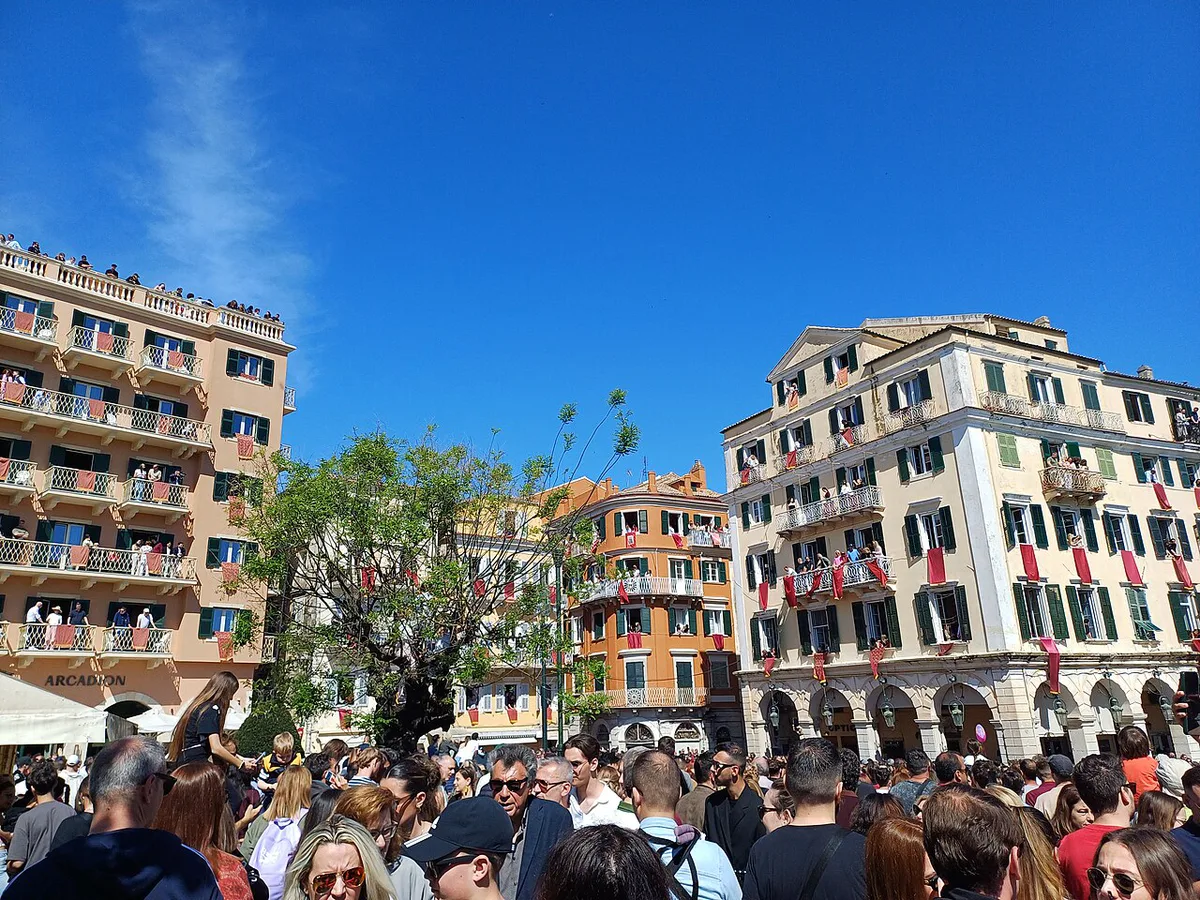
Theft on Corfu's buses mirrors what you would expect on any busy tourist route: pickpocketing risk rises at crowded terminals and on packed summer services, not from targeted violent crime. Keep bags zipped and in front of you at the Corfu Town terminals and at busy stops near beach resorts during peak boarding times. Road safety is a separate consideration, since the Green Bus network covers genuinely steep, narrow, and winding terrain to reach villages and beaches in the island's interior and coastline; drivers are accustomed to these roads, but travelers prone to motion sickness should plan accordingly. For a wider view of where petty crime risk concentrates outside of transit itself, see the guide on Corfu's crime data, and for guidance on specific pockets of town best approached with a little more awareness, review which districts best avoided after dark, particularly around some of the terminal-adjacent streets.
The Stranded Risk: Why Missing the Last Bus Matters
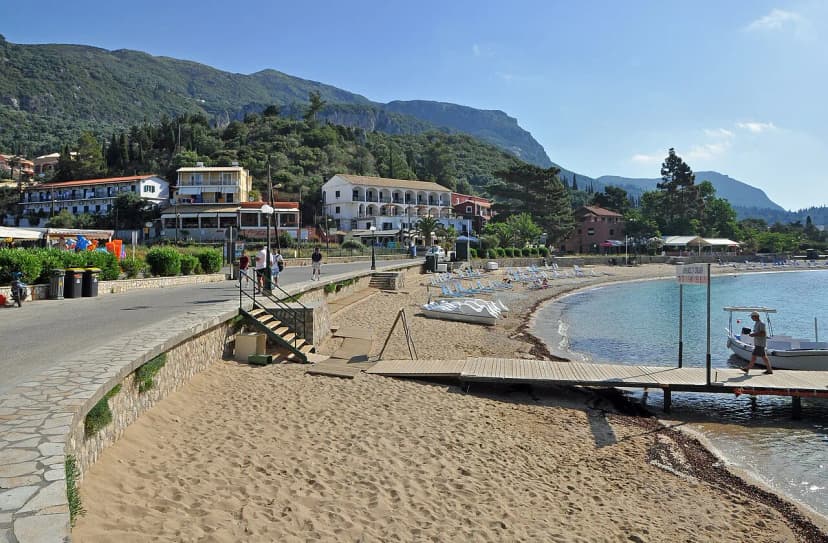
The single biggest logistical safety issue on Corfu public transport is not crime, it is timing. Regional Green Bus service to popular beach towns such as Paleokastritsa and Sidari is far less frequent in the evening than in the middle of the day, and schedules can thin considerably outside the peak summer months. Being left at a rural bus stop after the last departure has gone, often with no shelter, no lighting, and no cell signal to call a taxi, turns a simple day trip into a genuine safety problem. Always confirm the return time printed at the stop or listed on the operator's site before settling in for a full day at a remote beach.
When evening Green Bus service to remote beaches thins, missing the last departure at an isolated stop becomes genuinely dangerous—no shelter, signal, or lighting. Taxis then become necessary despite overcharging risks, making schedule planning essential to avoiding both.
- Confirm the last return departure time at the stop, not just the outbound time.
- Screenshot or write down the schedule, since signal can be unreliable in remote coastal areas.
- Build in a buffer of at least one earlier bus in case the final service is cancelled or full.
- Have a backup plan, such as a saved taxi number or known accommodation nearby, if you miss the last bus.
Corfu Public Transport Safety at Night
Riding an operating bus after dark is not inherently risky, but reaching and leaving the stop is where most concerns come up. Well-lit, central stops in Corfu Town, particularly near the Blue Bus hub, feel busy and secure well into the evening. Isolated Green Bus stops outside villages are a different story, since lighting and foot traffic drop off sharply once the sun sets. Night bus availability is limited compared to daytime frequency, so for late-evening journeys, especially from the airport or after a late ferry arrival, a licensed taxi is often the more practical choice over waiting on regional bus timing. For a fuller rundown of what after-dark movement around the island looks like beyond transit specifically, see the dedicated guide to nighttime safety in Corfu.
Solo Female Travelers and Corfu Public Transport Safety
Solo travelers generally find both the Blue and Green bus systems straightforward and low-risk, with the same practical caveats that apply to anyone: stick to well-lit, populated stops, keep valuables secure in crowded terminals, and avoid waiting alone at isolated rural stops after service has thinned for the evening. Sitting near the driver or other passengers on quieter regional routes and keeping a charged phone with the relevant operator's schedule saved offline are simple habits that reduce uncertainty. For a more complete set of considerations tailored specifically to traveling alone, see the guide on solo female travelers, which covers accommodation and evening movement alongside transit.
Buying and Validating Tickets Without Driver Friction
Ticketing practices differ slightly between the two operators and can change from season to season, so it is worth confirming current 2026 rules directly with Astiko KTEL Kerkyras or GreenBus Corfu before travel. As a general rule, buying or validating a ticket before boarding, rather than assuming payment on board is always available, avoids disputes with drivers and reduces the chance of a fine. This kind of ticketing confusion is also where opportunistic overcharging can creep in, similar to the pattern seen with unmetered taxis; it helps to review common scams to know before your trip so you can recognize inflated fare requests or aggressive upselling near terminals and tourist hubs.
Alternatives: When to Skip the Bus for a Taxi or Rental
Buses are the cheapest and, for most routes, the safest way to move around Corfu, but they are not always the fastest or most flexible option. The port, where ferries arrive from Igoumenitsa and from Italy, and the airport are the island's two classic taxi-overcharge points, so if you do take a taxi from either location, agree on the fare before getting in rather than relying on a meter. Renting a car gives more control over timing and remote-beach access than waiting on regional bus schedules, while quad and scooter rentals carry their own road-safety considerations on Corfu's narrow, hilly routes and are worth weighing carefully rather than choosing purely for cost. Basing yourself somewhere with strong transit access also reduces how often you need a taxi at all; if that is a priority, it is worth reading about the safest bases in Corfu before booking accommodation.
Mistakes to Avoid on Corfu Public Transport
Most transport-related safety issues on Corfu come down to a handful of avoidable planning mistakes rather than genuine danger. Reviewing these before a day trip removes most of the real risk.
- Confusing the Blue Bus and Green Bus terminals and missing a connection entirely.
- Assuming evening or off-season frequency matches peak summer schedules.
- Boarding without confirming how and when to pay or validate a ticket.
- Getting into an unmetered taxi at the port or airport without agreeing the fare first.
- Waiting at an unlit, isolated rural stop after the last Green Bus departure without a backup plan.
Frequently Asked Questions
Is public transport safe for tourists in Corfu?
Yes, in terms of crime, both the Blue and Green bus systems are considered safe for tourists. The main risks are logistical, such as missing the last regional bus back from a remote beach or being overcharged by a taxi when a bus would have been the safer, cheaper option.
What is the difference between the Blue Bus and Green Bus in Corfu?
The Blue Bus, run by Astiko KTEL Kerkyras, is the urban network serving Corfu Town and nearby suburbs. The Green Bus, run by KTEL Kerkyras, is the regional network connecting Corfu Town to villages and beach resorts across the rest of the island, including winding mountain and coastal routes.
Are there night buses in Corfu?
Night bus availability is limited compared to daytime frequency, particularly on the regional Green Bus network. For late-evening journeys, such as from the airport or after a late ferry, a licensed taxi is often more practical than relying on a night bus schedule.
How can travelers avoid taxi scams near Corfu's port and airport?
Agree on the fare with the driver before getting into the taxi, since the port, which receives ferries from Igoumenitsa and Italy, and the airport are the island's most common spots for unmetered overcharging.
What should travelers check before taking a Green Bus to a remote beach?
Confirm the last return departure time at the stop before settling in for the day, since evening service to towns like Paleokastritsa and Sidari can be significantly less frequent than the daytime schedule, and being stranded after dark at an isolated stop is a real logistical safety issue.