Safest Neighborhoods in Corfu: Where to Stay for Peace of Mind
Last updated April 2026, this guide breaks down the safest neighborhoods in Corfu for families, couples, and solo travelers who want more than a blanket reassurance that the island is low-risk. Corfu Town, the marina towns of Kontokali and Gouvia, and the west-coast village of Paleokastritsa consistently stand out as the island's most reliable bases, each striking a different balance of walkability, quiet, and access to services. Which one suits a specific trip best has less to do with headline crime statistics than with how the resort's own layout, lighting, and nearby roads match up with how someone actually plans to get around after dark.
The Safest Neighborhoods in Corfu for Every Kind of Traveler
Three bases come up again and again as the reliable choices for travelers prioritizing peace of mind over party proximity: Corfu Town (Kerkyra) for culture and walkability, Kontokali and Gouvia for calm family-friendly marinas, and Paleokastritsa for scenic quiet on the west coast. Before comparing them, it helps to separate three distinct kinds of safety that matter in Corfu: social safety (crime and pickpocketing), physical safety (lit streets, usable sidewalks), and road safety (the island's notoriously narrow coastal roads). A neighborhood can score well on one and poorly on another, so the right base depends on which risk matters most for a given trip. For a broader baseline on how the island compares overall, see this general Corfu safety guide.
| Neighborhood | Best For | Walkability | Night Atmosphere |
|---|---|---|---|
| Corfu Town (Kerkyra) | Culture, car-free stays, first-time visitors | High, in our editorial assessment | Busy and well-lit in the historic core |
| Kontokali and Gouvia | Families, calm marinas, longer stays | Moderate, in our editorial assessment | Quiet residential feel near the water |
| Paleokastritsa | Scenery, couples, slower pace | Lower away from the village center, in our editorial assessment | Very quiet, minimal street life after dinner |
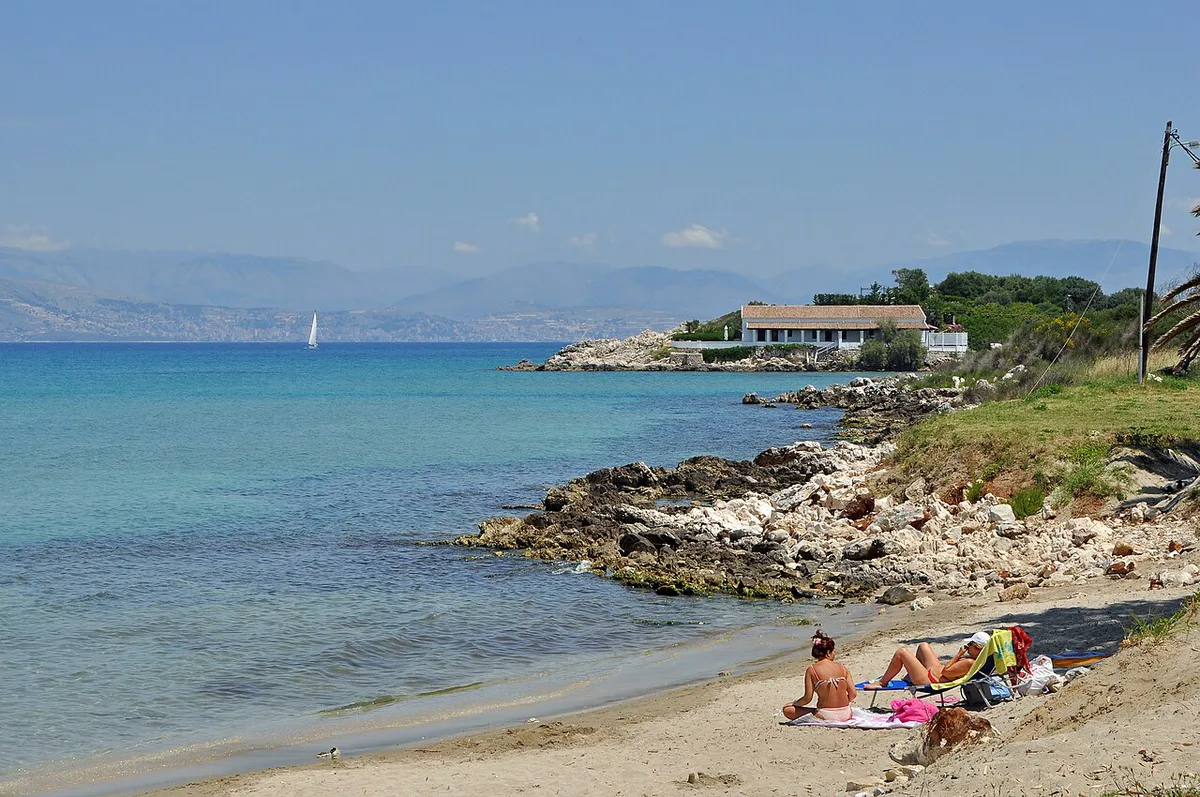
Corfu Town (Kerkyra): Culture, Crowds, and Constant Foot Traffic
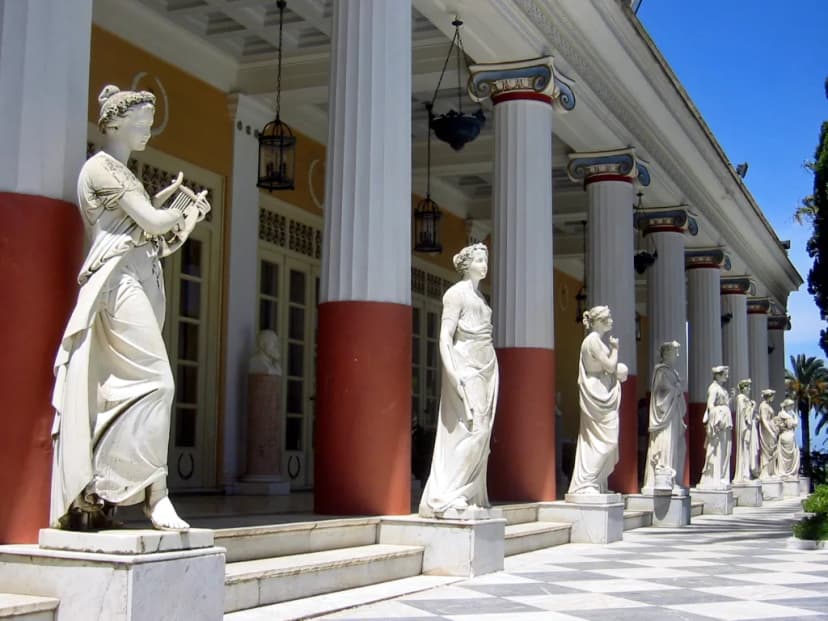
The Old Town, particularly around Campiello and the Liston, benefits from heavy pedestrian traffic and a visible police presence that make it one of the most socially safe places to base a trip. The trade-off is crowding during cruise-ship hours and the kind of minor pickpocketing risk that comes with any dense tourist zone, so it is worth reviewing common Corfu Tourist Scams: 10+ Common Traps & How to Avoid Them before wandering the narrow lanes with a bag full of valuables. This is also where the resort's own location matters most: a room booked inside the pedestrianized core means safety comes largely from foot traffic and lighting, while a stay just outside it can mean walking back along a road shared with scooters and cars. Anyone weighing a 2026 stay in the Old Town should factor in that trade-off rather than assuming the whole district behaves the same way after dark.
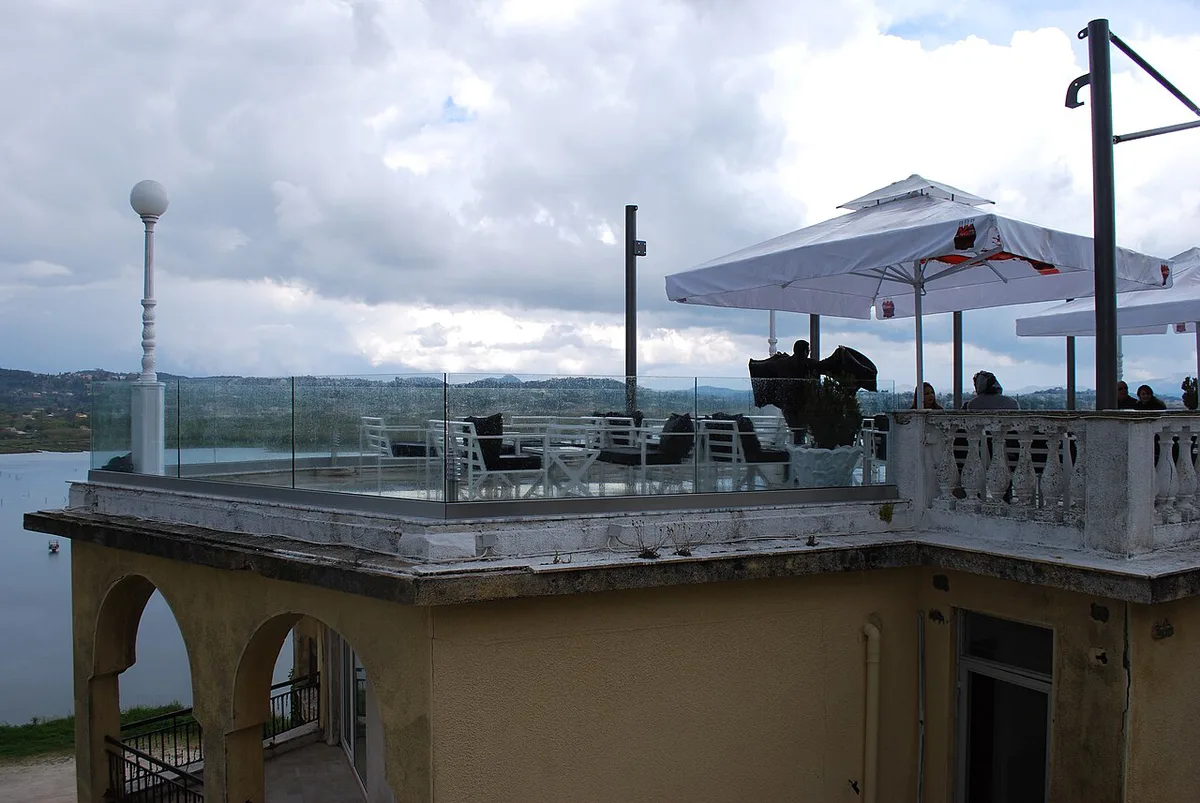
Kontokali and Gouvia: Calm Marinas Built for Families
North of Corfu Town, Kontokali and Gouvia trade the Old Town's density for a calmer, more residential marina atmosphere that tends to suit families and travelers on longer stays. The area's low-key pace and proximity to the island's General Hospital in Kontokali make it a practical choice for anyone who wants quick access to medical care without staying inside the busiest part of town. Because the neighborhood is more spread out than the Old Town, getting around after dark often means relying on a car, a taxi, or the bus network rather than walking everywhere, so it is worth reading up on public transport safety before settling on a resort here. As with Corfu Town, the specific resort's distance from the lit marina road versus a quieter back street changes the practical safety picture more than the neighborhood label alone.
Paleokastritsa: Scenic Quiet on the West Coast
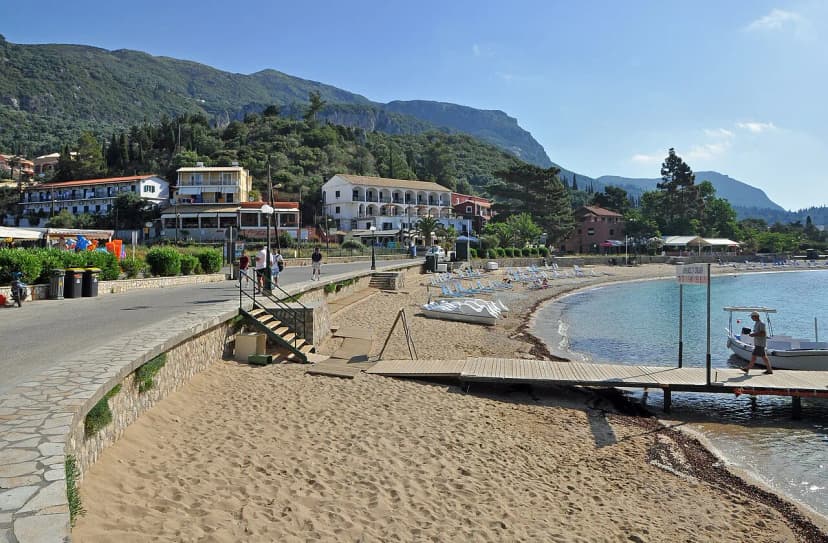
Paleokastritsa offers a quieter, more scenic alternative on Corfu's west coast, appealing to travelers who want distance from nightlife rather than proximity to it. The village center is small and low-key, which cuts down on the kind of crowd-related risks found in Corfu Town, but it also means fewer lit streets and less foot traffic once restaurants close for the evening. The bigger practical concern here is road safety: coastal roads on this side of the island are narrow and often lack sidewalks, so walking after dinner is a different proposition than in the Old Town. Anyone booking a resort in this area for 2026 should weigh whether it sits within easy walking distance of the village itself or requires a drive along an unlit coastal stretch.
Corfu's Three Types of Safety: Social, Physical, and Road
It is worth treating Corfu's safety picture as three separate questions rather than one score. Social safety covers crime and scams, and travelers who want the fuller picture, including how neighborhoods compare, can check the dedicated Corfu Crime Rate: Statistics, Safe Areas, and Traveler Safety Guide (2026) breakdown. Physical safety is about infrastructure: whether a street has a real sidewalk, working streetlights, and an even walking surface, which varies a lot between the Old Town's paved lanes and some outlying coastal roads. Road safety is its own category on an island where many coastal routes are narrow, shared with scooters, and unlit at night, which matters most for anyone renting a car or walking along the roadside between a resort and a village center.
Corfu Town excels at social safety through foot traffic, Kontokali and Gouvia prioritize physical safety via residential calm, and Paleokastritsa's chief concern is road safety on narrow unlit coastal routes. No single neighborhood scores highest across all three dimensions.
Getting Around Without Worry: Green Bus, Blue Bus, and Walking After Dark
Corfu's public transport splits between the Blue Bus network, which covers Corfu Town and its immediate suburbs, and the Green Bus (KTEL) network, which handles longer intercity routes out to villages and resort areas. Sticking to these established networks is generally safer and more predictable than trying to flag down informal transport, but travelers heading to more remote bases should plan around bus schedules rather than assume a ride will be waiting whenever needed, since waiting alone at a rural stop after dark is its own consideration. For a fuller rundown of what to expect on buses and how to plan safer transfers, see this guide to public transport safety. Walking at night carries different risk depending on the base: well-lit central streets in Corfu Town behave very differently from an unlit stretch of coastal road near Paleokastritsa, a distinction covered in more depth in this guide on walking in Corfu at night.
Spontaneous after-dark walking is viable in Corfu Town, but Paleokastritsa and Kontokali require advance planning—buses operate on schedules, and waiting alone at rural stops after dark carries its own risks. Transportation options and neighborhood tranquility form an inseparable package.
Areas to Approach with Caution: The Kavos Contrast
Not every part of Corfu is built around the same kind of quiet the neighborhoods above offer. Kavos, in the island's south, is known primarily as a party-focused resort strip, and travelers specifically seeking peace of mind, rather than nightlife, generally do better choosing one of the calmer bases covered here instead. This is not an alarmist warning so much as a mismatch of purpose: Kavos is built for a different kind of trip, and its late-night crowds and bar culture are simply not what a family or a solo traveler prioritizing quiet is looking for. A fuller look at zones to approach with more caution, and why, is available in this guide to areas to avoid in Corfu.
Safety Advice for Solo Travelers and Families
Solo travelers, and solo women in particular, tend to do best in neighborhoods with consistent foot traffic and visible activity into the evening, which points toward the Old Town core of Corfu Town over more isolated coastal stretches. A dedicated resource on solo female travel safety covers the specifics in more depth, including how to choose accommodation with that same lit, walkable profile in mind. Families, by contrast, often prioritize calm over constant activity, which is where Kontokali and Gouvia's marina setting or Paleokastritsa's slower pace tend to work well, provided the chosen resort sits close enough to a village center that a shortcut along an unlit coastal road is not the only option. In both cases, the resort's exact position relative to lit streets and reliable transport matters as much as the neighborhood's general reputation.
Emergency Resources: Hospital, Pharmacies, and Tourist Police
Corfu's General Hospital is located in Kontokali, making the Kontokali and Gouvia area a practical base for anyone who wants shorter travel times to emergency medical care, whether for a family with young children or older travelers managing existing health conditions. Tourist Police operate as a point of contact for reporting scams, theft, or other travel-related issues, and it is worth noting their general presence as a resource alongside standard emergency numbers when planning a 2026 stay. For minor health needs, Corfu's pharmacy, or farmakeio, culture is well established island-wide, with pharmacists commonly acting as a first stop for everyday ailments before a hospital visit becomes necessary, a pattern that holds true whether staying in central Corfu Town or a quieter coastal base.
Other Safe Bases Worth Shortlisting
Travelers who want a safer-feeling base beyond the three main picks should also compare Kassiopi, Kommeno, Benitses, and Agios Stefanos on the northwest coast. Kassiopi has a compact harbor, restaurants clustered near the waterfront, and a family-oriented northeast-coast atmosphere, but it is a long ride from Corfu Town, so late returns need a planned taxi, rental car, or Green Bus timing.
Kommeno feels more private and residential, with villa-style stays and quick access to Gouvia and Kontokali, though its limited public transport makes it better for travelers using private transfers or a car. Benitses, south of Corfu Town, is useful for families who want a former nightlife village that now feels more settled, with seafront tavernas and easier road access than more remote west-coast bases. Agios Stefanos, near Avliotes, suits quieter beach trips thanks to its shallow bay and village-scale layout, but evenings are calm rather than busy, so accommodation close to the beach road matters.
Frequently Asked Questions
What is the safest part of Corfu for families?
Kontokali and Gouvia are frequently the top pick for families, thanks to their calmer marina setting, more residential pace, and proximity to Corfu's General Hospital. Corfu Town's pedestrianized Old Town core is also a strong option for families who prefer being within walking distance of restaurants and shops over a quieter marina setting.
Is Corfu Town safe to walk in at 2 AM?
The busiest, best-lit parts of the Old Town, especially around the Liston and Campiello, tend to stay populated and well-lit into the late evening, which supports a stronger sense of physical and social safety than quieter side streets. Areas just outside the pedestrianized core can feel very different once foot traffic thins out, so it is worth reviewing the fuller guide on walking in Corfu at night before assuming the whole district behaves the same way.
Are there any no-go zones in Corfu?
Corfu does not have strict no-go zones in the way some destinations do, but Kavos stands out as a party-heavy resort strip that does not suit travelers prioritizing quiet over nightlife. The areas to avoid guide covers this and other zones worth approaching with more caution in greater detail.
How safe is the tap water in different neighborhoods?
Bottled water is generally the preferred choice for many visitors in parts of Corfu, and this preference is not unique to any one neighborhood covered here. Checking with specific accommodation on local water quality and habits remains a sensible step regardless of whether staying in Corfu Town, Kontokali and Gouvia, or Paleokastritsa.
Do I need a car to stay safely in Corfu's quieter neighborhoods?
A car is not strictly required, since the Blue Bus and Green Bus (KTEL) networks connect most of the island, but travelers basing themselves in more spread-out areas like Paleokastritsa or Kontokali and Gouvia often find a car or reliable taxi access useful for avoiding late-night waits at rural bus stops. Corfu Town remains the most walkable option for anyone who prefers to avoid driving altogether.