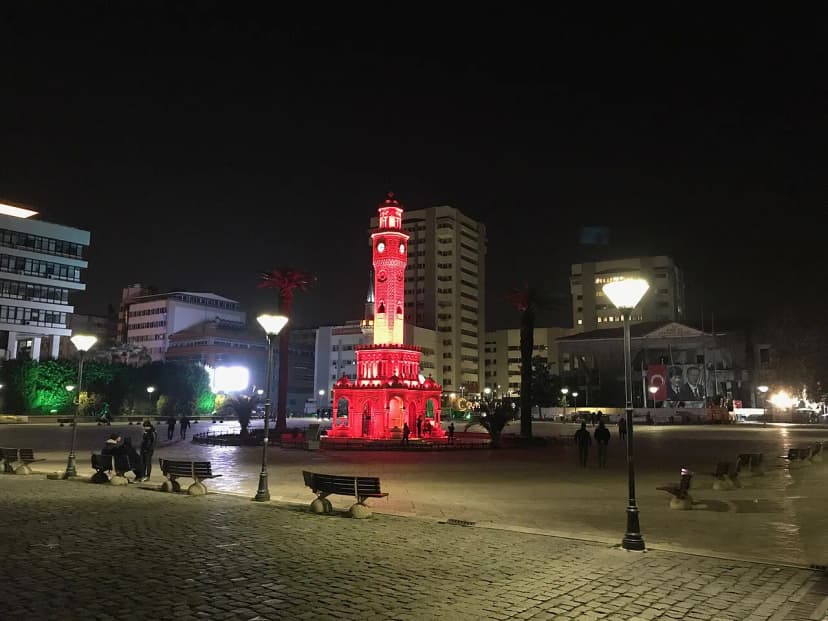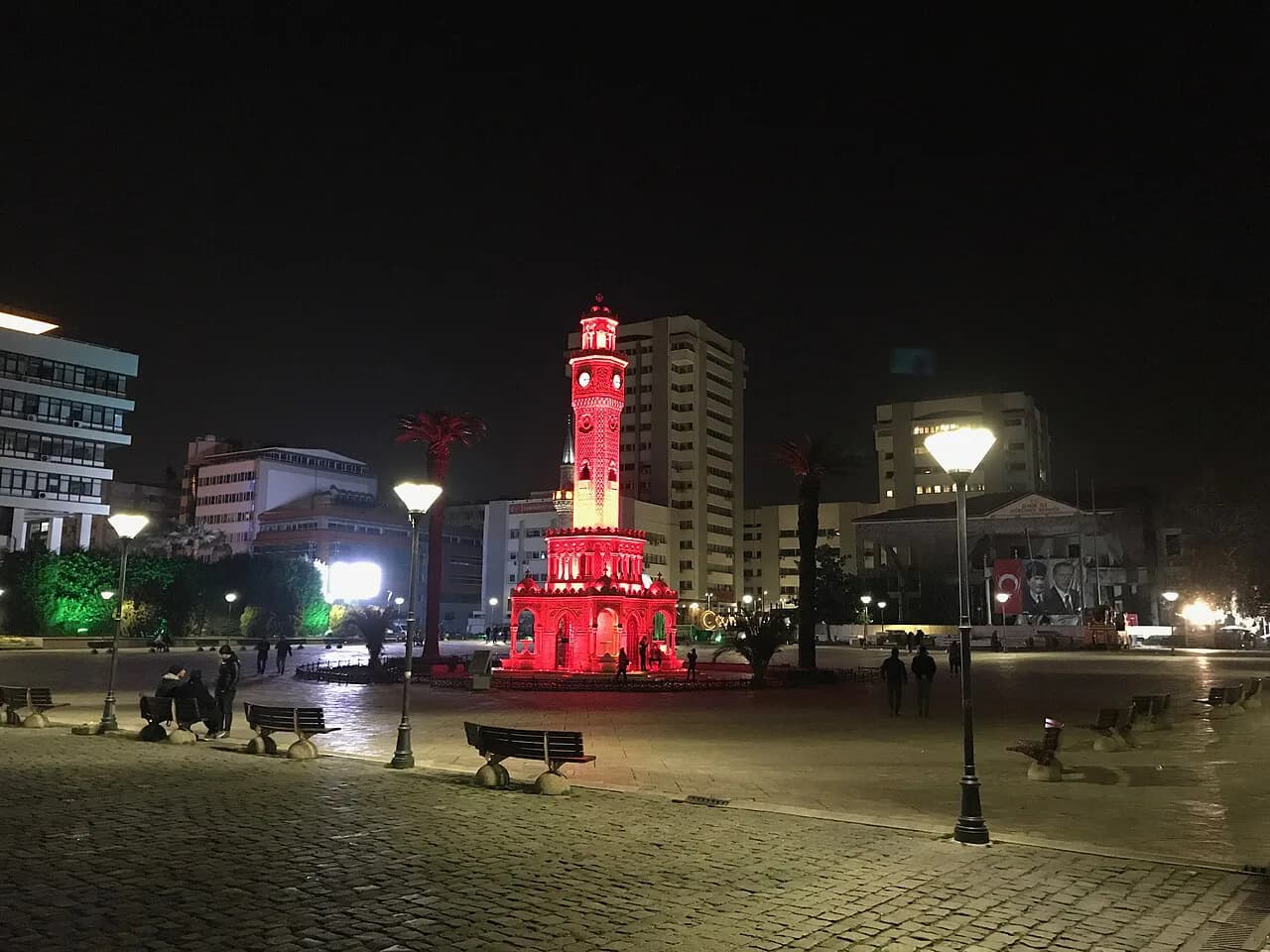
Is Izmir Safe? What Travelers Need to Know Before Visiting
Last updated May 2026 — for travelers asking is Izmir safe before booking a trip to Turkey's third-largest city, the short answer is reassuring: Izmir is a relaxed, secular Aegean port town where violent crime against visitors is rare and the atmosphere feels notably more laid-back than Istanbul. This guide breaks down what actually matters for a 2026 visit, from which neighborhoods to base yourself in to how to handle taxis, crowded bazaars, and the occasional overpriced waterfront menu. Read on for a district-by-district breakdown, transport logistics, and the specific situations — not vague statistics — that are worth planning around.
The Quick Verdict: Is Izmir Safe in 2026?
In our editorial assessment, Izmir is one of Turkey's safer major cities for tourists, students, and long-term digital nomads alike. The city has a reputation as Turkey's most liberal and secular metropolis, and that social atmosphere translates directly into a calmer street-level experience than Istanbul or Ankara: fewer high-pressure sales tactics, a more visible mix of foreign residents, and a waterfront culture built around evening strolls rather than nightlife-driven chaos. Violent crime against tourists is rare in Izmir, and most visitor complaints center on petty annoyances — inflated taxi fares, pushy vendors near the bazaar, or navigating unfamiliar streets after dark — rather than anything physically dangerous. That said, safety in Izmir is not uniform across the city; central tourist corridors like Alsancak and Konak feel very different after 11 p.m. than the streets immediately around Basmane, so treat this guide as neighborhood-specific rather than a single blanket rating.
Izmir Crime Rates and Statistical Context
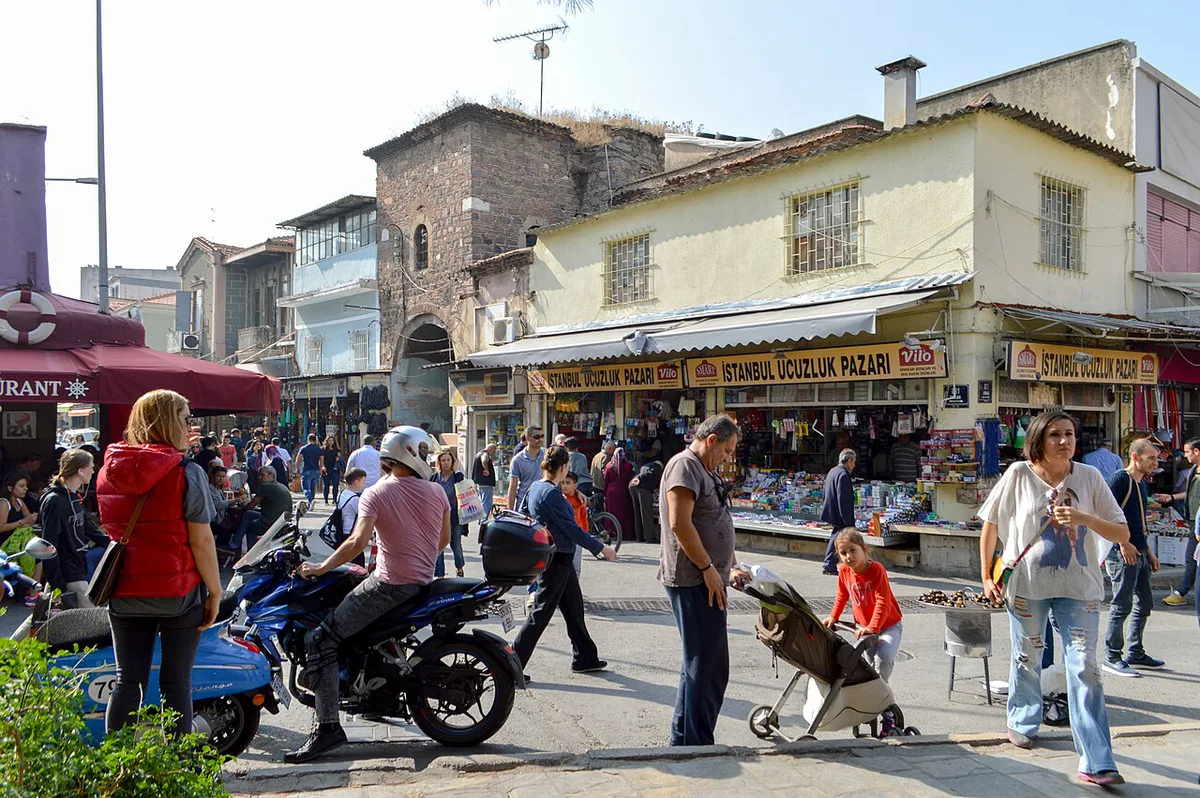
Rather than citing invented percentages, it helps to separate the two categories that actually affect travelers: petty crime and violent crime. Petty theft, pickpocketing in crowded markets, and opportunistic scams are the realistic risk category in Izmir, concentrated in high-footfall tourist zones like Kemeraltı Bazaar and the train station district of Basmane rather than in residential neighborhoods. Violent crime targeting foreign visitors is uncommon and not something most travelers need to actively plan around, though standard urban precautions — not flashing valuables, staying alert in crowds, avoiding unlit side streets late at night — remain sensible anywhere in a city of Izmir's size. For a fuller statistical breakdown and how Izmir compares across districts, see the dedicated Izmir Crime Rate: What the 2026 Data and Traveler Reports Actually Show analysis. When cross-checking sentiment data from crowdsourced sources like Numbeo, treat those figures as a secondary gut-check on traveler perception rather than an authoritative dataset, and weight official guidance — such as Turkish Ministry of Foreign Affairs travel advisories and updates from the Izmir Büyükşehir Belediyesi (Izmir Metropolitan Municipality) — more heavily when planning.
Safest Neighborhoods vs Areas to Avoid
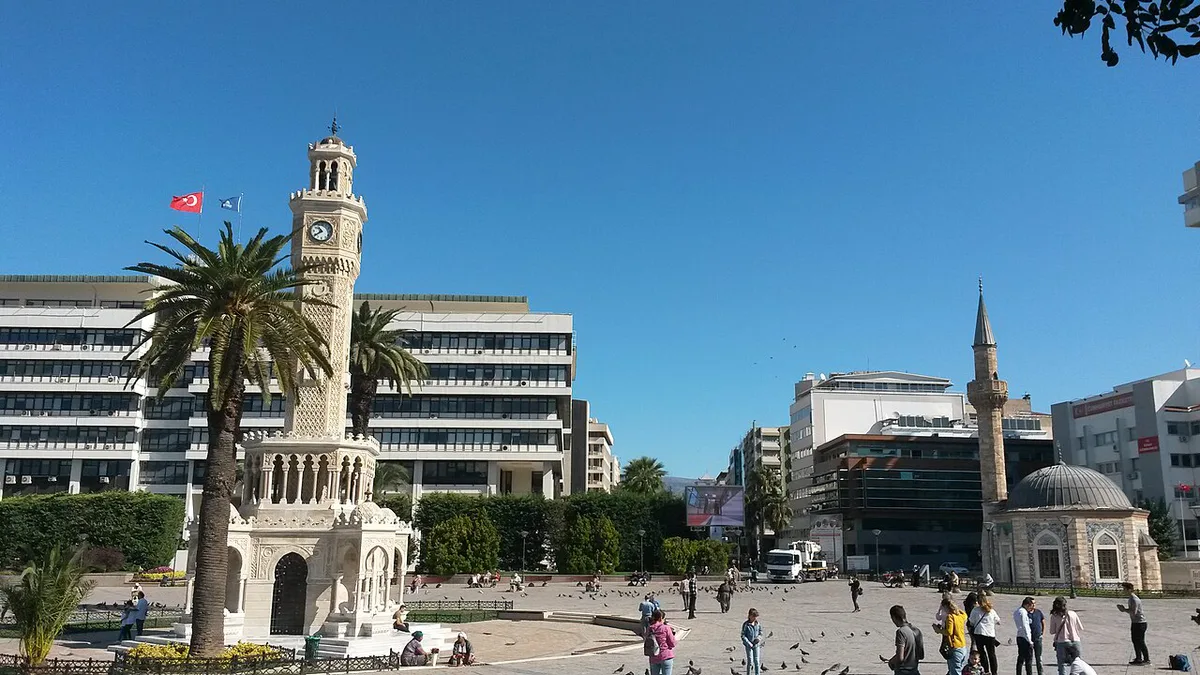
Where to stay is one of the biggest levers travelers have over how safe a trip to Izmir feels. Alsancak, Bostanlı, and Karşıyaka consistently come up as the most traveler-friendly bases: Alsancak is the central, walkable district packed with cafes and restaurants along the Kordon waterfront; Karşıyaka and Bostanlı sit across the bay and offer a quieter, more residential, family-friendly pace reachable by ferry. Konak Square is a major transit and sightseeing hub that's busy and well-lit by day but gets noticeably quieter and less comfortable to navigate solo late at night. Basmane, near the main train station, is the area most often flagged for a grittier atmosphere, poor street lighting on some side streets, and a higher concentration of budget hostels and transient foot traffic — it isn't defined by verified crime statistics so much as an uneven, harder-to-navigate streetscape after dark, so exercise more caution there than in Alsancak or Karşıyaka. For a full breakdown of specific streets and districts to plan around, see this guide to areas to avoid in Izmir, and for base recommendations by traveler type, check the dedicated rundown of the Safest Neighborhoods in Izmir: Where to Stay in 2026.
| Neighborhood | Vibe | Safety Level | Best For |
|---|---|---|---|
| Alsancak | Lively, walkable, cafe-and-restaurant-dense | High in our editorial assessment | First-time visitors, nightlife, central access |
| Bostanlı | Quiet, residential, coastal | High in our editorial assessment | Families, longer stays, digital nomads |
| Karşıyaka | Relaxed, local, ferry-connected | High in our editorial assessment | Budget-conscious travelers, families |
| Konak Square | Busy transit and sightseeing hub by day | Moderate; quieter and less comfortable at night | Day-trip sightseeing, transit connections |
| Basmane | Gritty, transient, budget hostels near the station | Use extra caution, especially after dark | Only those needing station proximity |
Solo Female Travel Safety in Izmir
Izmir is frequently cited as Turkey's most progressive and secular city, and that social climate makes it a comparatively comfortable base for solo female travelers versus more conservative parts of the country. Street harassment does occur but is generally described as low-level and infrequent rather than a constant concern, and dress norms along the Kordon and in Alsancak are notably relaxed — Western-style clothing draws little attention in these central districts, though modest dress is still worth carrying for mosque visits or more conservative neighborhoods. Evening dining and walking along the Kordon waterfront is popular with solo women well into the evening, since the promenade stays well-lit and busy with families and diners. Standard precautions still apply: keep an eye on drinks in bars, use licensed taxis or a rideshare app rather than hailing unmarked cars late at night, and share a live location with someone when heading out solo after dark. For a deeper, travel-specific breakdown of harassment patterns, dress norms, and neighborhood-by-neighborhood comfort levels, see the full solo female travel safety guide for Izmir.
Getting Around: Transport Safety in Izmir
Izmir's public transport network is generally considered safe and reliable, and using it — rather than unregulated informal transport — is one of the simplest ways to reduce risk on a 2026 trip. The Izban suburban rail, the Izmir Metro, and the tramway are all operated under the Izmir Büyükşehir Belediyesi umbrella and are well used by commuters at all hours, with the Izmirim Kart serving as the single reloadable card that covers metro, tram, Izban, bus, and ferry fares across the city — worth picking up on arrival rather than paying cash fares repeatedly. For taxis, stick to official taxi stands or book through an app like BiTaksi to get a fixed, metered fare and avoid the 'scenic route' overcharging that can catch out visitors unfamiliar with the city grid; confirm the meter is running at the start of any street-hailed ride. Walking is comfortable and well-trafficked in central pedestrian zones like Alsancak and along the Kordon, but busier arterial roads elsewhere in the city carry heavy traffic and aren't always pedestrian-friendly, so stick to marked crossings. For more on how safety shifts after sunset specifically, see this guide to Izmir safety at night, and for the fuller transit-specific breakdown, see Izmir Public Transport Safety: A Complete Guide for Travelers (2026).
Central tourist neighborhoods like Alsancak and Konak remain walkable and well-lit by day but shift after 11 p.m., requiring taxi or rideshare instead of walking. The Kordon waterfront stays busy with families and diners into the evening. Transport choice is inseparable from neighborhood timing.
Common Tourist Scams and Nuisances
Izmir's scam landscape is mild by regional standards but not nonexistent, and it clusters around a few predictable situations. Around Kemeraltı Bazaar and other tourist-heavy pedestrian areas, a classic move is the 'dropped shoe shine brush' trick, where a vendor appears to accidentally drop a brush, insists on shining a passerby's shoes as a thank-you, then demands payment afterward — politely declining and returning the brush without engaging avoids it entirely. Certain waterfront restaurants along busier stretches of the Kordon are known to hand out menus without visible prices or quietly upsell add-ons, so it's worth confirming prices before ordering, particularly for seafood sold by weight. Aggressive street vendors and self-appointed 'guides' offering unsolicited help near major sights are best handled with a firm but polite decline and continuing to walk — engaging or negotiating tends to prolong the interaction rather than end it. For a fuller rundown of scam patterns specific to the city, see this guide to common tourist scams in Izmir.
- Dropped shoe-shine brush trick: decline politely and keep walking
- Unpriced menus at busy waterfront restaurants: ask for prices before ordering, especially for seafood
- Unofficial 'guides' near major sights: decline firmly and continue on your route
- Street-hailed taxis without a running meter: confirm the meter or use BiTaksi instead
Time vs Safety Trade-offs: When to Spend a Little More
A handful of small decisions do the most to shape how a trip to Izmir feels in practice. Walking through Basmane late at night to save the cost of a short taxi ride is the clearest example of a poor trade-off — the modest savings rarely justify navigating a poorly lit, unfamiliar area alone after dark when a metered taxi or BiTaksi ride removes the uncertainty entirely. Similarly, taking the extra few minutes to confirm a taxi's meter is running, or waiting for an official stand instead of flagging an unmarked car near a nightlife district, costs almost nothing in time but meaningfully reduces the odds of an overcharge dispute. The general rule worth carrying through the trip: in any situation where the safer option costs a small amount of money or a few extra minutes, it's the better trade in Izmir.
Petty financial disputes—taxi overcharges, unpriced waterfront-restaurant upsells, shoe-shine hustles—dominate visitor complaints. Each is preventable by confirming terms upfront or spending marginally more (BiTaksi ride, metered taxi, asking menu prices). Small upfront spending eliminates friction far more effectively than managing disputes after they occur.
Why Izmir Feels Different From Istanbul
Much of what makes Izmir feel safer and more comfortable for travelers comes down to its social and political character rather than any single security measure. Izmir has long been considered Turkey's most secular and Western-leaning major city, with a social scene closer to Mediterranean Europe than to Istanbul's denser, more layered mix of conservative and cosmopolitan neighborhoods. That translates into fewer high-pressure tourist-facing hustles overall, a more visible and casual dress culture, and a waterfront social life — centered on the Kordon and Konak Square — that locals and visitors share comfortably well into the evening. For travelers coming from Istanbul, the shift is usually noticeable within a day: less aggressive touting near sights, a calmer pace in the bazaar, and a general sense that the city is oriented around residents' daily life rather than tourism alone.
Emergency Numbers and Practical Logistics
Izmir is well equipped with the practical infrastructure travelers need if something does go wrong. The nationwide emergency number in Turkey is 112, which connects to ambulance, police, and fire services and is the number to call in any urgent situation. Major hospitals with English-speaking staff are concentrated in and around the central districts, and it's worth noting the nearest one to a hotel or Airbnb on arrival rather than searching mid-emergency. Tourist police (Turizm Polisi) maintain a presence around the main sightseeing areas and bazaar and are a useful first stop for scam reports or lost documents. For valuables, hotel safes are the more secure option for passports, extra cash, and electronics not needed for the day; when out and about, a money belt or front-facing bag reduces pickpocketing risk in crowded areas like Kemeraltı Bazaar far more effectively than a rear pocket or open tote.
- Emergency number (police, ambulance, fire): 112
- Tourist police (Turizm Polisi): present near major sights and the bazaar for scam reports and lost documents
- Valuables: use the hotel safe for passports and spare cash rather than carrying them all day
- Transit payment: load an Izmirim Kart on arrival for metro, tram, Izban, bus, and ferry access
For trip-planning details, see UK FCDO travel advice for Turkey.
Explore is safe in other cities
Frequently Asked Questions
Is Izmir safe for solo female travelers?
Yes, in our editorial assessment Izmir is comparatively comfortable for solo female travelers thanks to its secular, progressive social climate. Street harassment is low-level and infrequent rather than a constant concern, and areas like the Kordon waterfront stay busy and well-lit into the evening. See the dedicated solo female travel safety guide for neighborhood-specific tips.
Is Izmir safer than Istanbul?
Izmir generally feels more relaxed and lower-pressure than Istanbul, with fewer aggressive tourist-facing hustles and a calmer street atmosphere overall, largely due to its reputation as Turkey's most secular and liberal major city. Both cities have low rates of violent crime against tourists, but Izmir's smaller scale and laid-back pace make navigation easier for first-time visitors.
What is the safest area to stay in Izmir?
Alsancak, Bostanlı, and Karşıyaka are consistently the most traveler-friendly bases, offering a walkable, well-lit central location or a quieter residential feel across the bay. Basmane, near the train station, is the district most worth approaching with extra caution, particularly after dark.
Is it safe to walk around Izmir at night?
Central, tourist-heavy areas like Alsancak and the Kordon remain comfortable to walk in the evening thanks to steady foot traffic and good lighting. Poorly lit side streets, especially around Basmane, are better handled by taxi or rideshare rather than on foot after dark.
Are taxis safe in Izmir?
Taxis are generally safe, but overcharging via unnecessary detours is the main risk to plan around. Using an app like BiTaksi or sticking to official taxi stands and confirming the meter is running are the most reliable ways to avoid a dispute over fare.
Stay Safe in Izmir
Every Izmir safety guide on one page — areas, scams, night rules, and getting around.
Izmir Safety Guides
- Izmir Areas to Avoid: A Practical Safety Guide for 2026
- Is Izmir Safe at Night? A 2026 Neighborhood-by-Neighborhood Guide
- Izmir Tourist Scams: 7 Common Traps & How to Avoid Them
- Is Izmir Safe for Solo Female Travellers? 2026 Safety Guide
- Izmir Public Transport Safety: A Complete Guide for Travelers (2026)
- Izmir Crime Rate: What the 2026 Data and Traveler Reports Actually Show
- Safest Neighborhoods in Izmir: Where to Stay in 2026