
Izmir Crime Rate: What the 2026 Data and Traveler Reports Actually Show
Last updated June 2026, this guide breaks down the Izmir crime rate using the perception data actually available, rather than guessing at numbers no agency publishes. For most travelers, the honest picture is a low rate of violent crime paired with a rising perception of disorder, concentrated petty theft in a handful of crowded spots, and a handful of neighborhoods where the risk is more about discomfort than danger. Read this alongside the parent guide on whether Izmir is safe overall for the full picture before deciding where to stay and how to move around the city.
TL;DR: Is Izmir Safe in 2026?
Short answer: yes, for the overwhelming majority of visitors sticking to central and coastal districts. Perception data from Numbeo puts Izmir's overall level of crime at 32.27 out of 100, which the platform bands as Low, and rates daylight walking safety at 82.31, or Very High. Night walking drops to a still-workable 56.61, or Moderate, which tracks with what most guides say about Izmir generally: it is calmer than Istanbul and far removed from the violent-crime profile of many large Western cities, but it is not a city where you should switch off situational awareness after dark.
Despite rising perception of urban disorder (Numbeo 63.88), violent crime stays low (26.65). Solo female travelers rate Izmir at 4/5 for safety. The gap reflects infrastructure stress and perceived discomfort rather than genuine violent threat to visitors.
- Overall crime level (Numbeo perception index): 32.27 / 100 — Low
- Safety walking alone in daylight: 82.31 / 100 — Very High
- Safety walking alone at night: 56.61 / 100 — Moderate
- Violent crime (assault, armed robbery) as a perceived problem: 26.65 / 100 — Low
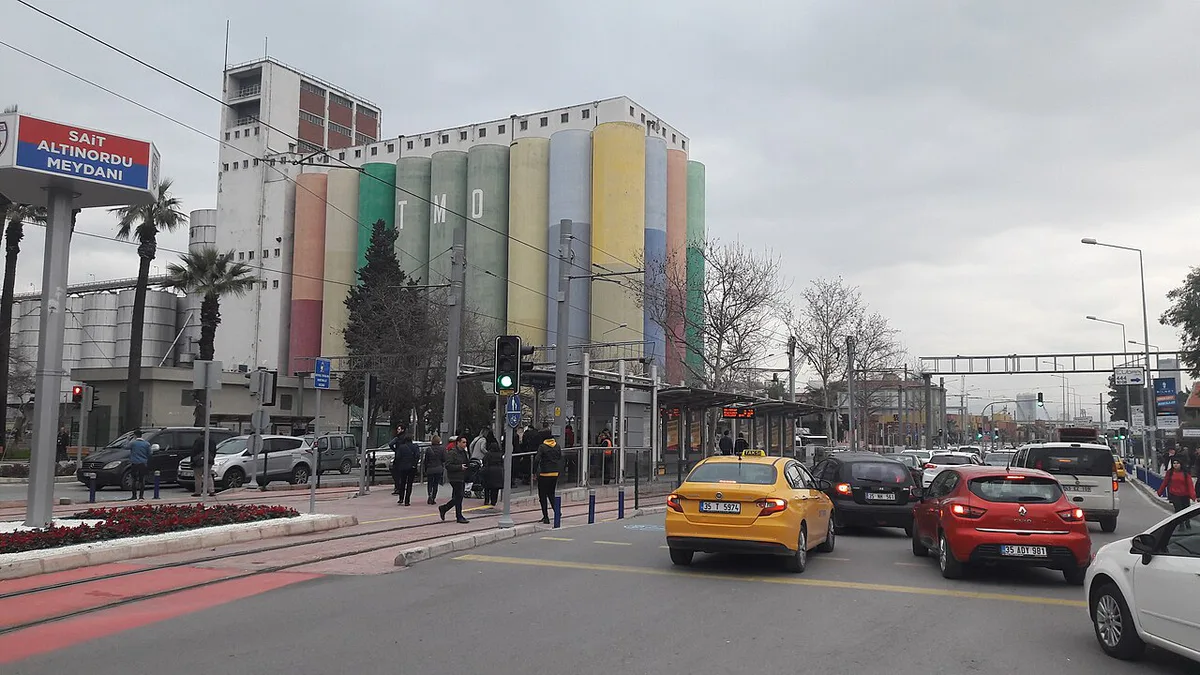
Izmir Crime Rate: What the Data Actually Shows
There is no single official Izmir crime rate published in the way US or UK police forces release annual incident counts, so the most-cited figures come from Numbeo's crowdsourced perception index, built from 251 contributors as of its most recent update in March 2026. Two numbers from that dataset are worth holding side by side: the perceived level of crime increasing over the past five years sits at 63.88, or High, while the perceived problem of violent crimes such as assault and armed robbery sits at just 26.65, or Low. That gap matters. It suggests residents feel the city getting noisier, more crowded, and more visibly unequal, without a matching rise in the kind of crime that actually threatens tourists. Property crime such as vandalism and theft scores 33.44 (Low), and worries about corruption and bribery sit at a Moderate 52.04, which reflects broader frustration with institutions rather than street-level risk to visitors.
- Worries about being mugged or robbed: 31.31 / 100 — Low
- Worries about being physically attacked: 35.81 / 100 — Low
- Problem of drug dealing/use: 33.15 / 100 — Low
- Corruption and bribery concerns: 52.04 / 100 — Moderate
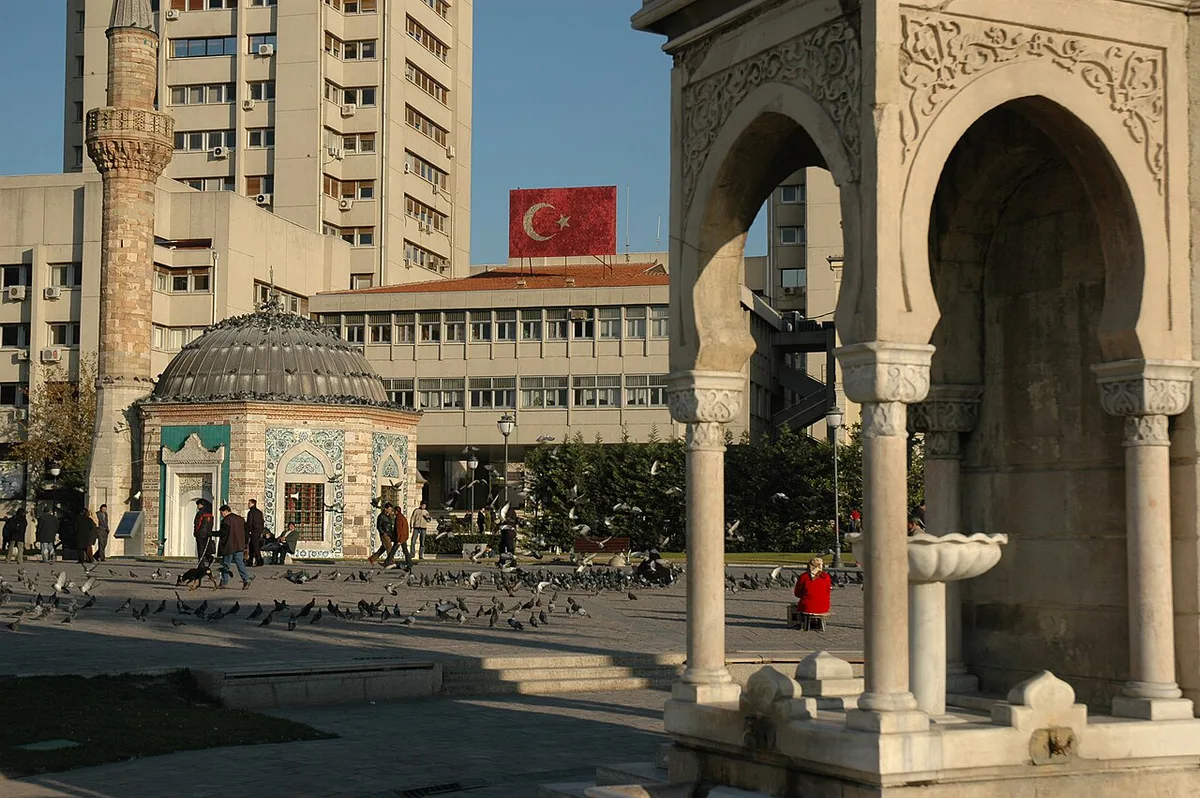
Neighborhood Safety: Where the Risk Actually Concentrates
Izmir's risk map is more about topography and economics than it is about crime hotspots in the conventional sense. The hillside districts around Basmane, Kadifekale, and parts of Konak and İkiçeşmelik are economically disadvantaged, with pockets of urban decay and, in Basmane's case, a role as a transit hub for refugees and migrants that concentrates poverty rather than violence. That combination makes these areas feel gritty and unfamiliar after dark rather than genuinely high in violent crime, and it is worth reading the dedicated breakdown of areas to avoid in Izmir before you plan a route through or near them. By contrast, the seaside and grid-planned districts of Alsancak, Karşıyaka, and Bostanlı are consistently held up as the gold standard for visitor comfort, with wide promenades, steady foot traffic, and a strong tourist and expat presence; the full rundown of Safest Neighborhoods in Izmir: Where to Stay in 2026 covers where to base a stay. The practical divide is less ghetto-versus-downtown than hillside-versus-seafront: the closer you are to the Kordon waterfront, the more the environment resembles the low-crime, high-visibility Izmir that daytime perception scores describe.
Seafront location affects all safety dimensions: lower pickpocketing risk (Kordon vs dense bazaars), better solo female experience, comfortable after-dark movement. Hillside districts concentrate petty theft risk, poor lighting, and visitor discomfort. Base near water for optimal safety.
| Neighborhood | Type/Location | Visitor Comfort | After-Dark Considerations |
|---|---|---|---|
| Alsancak | Seafront, grid-planned | Gold standard for visitors; wide promenades, steady foot traffic, strong tourist/expat presence | Safe |
| Karşıyaka | Seafront | Consistently rated most comfortable | Safe |
| Bostanlı | Seafront | Consistently rated most comfortable | Safe |
| Basmane | Hillside, transit hub | Economically disadvantaged; gritty feel | Avoid after dark; poor lighting |
| Kadifekale | Hillside | Economically disadvantaged | Avoid after dark; poorly maintained structures |
| Kemeraltı Bazaar | Dense market lanes | Pickpocketing risk despite low overall crime | Daytime okay; watch belongings in crowds |
- Approach with more caution, especially after dark: Basmane, Kadifekale, parts of Konak and İkiçeşmelik
- Consistently rated most comfortable for visitors: Alsancak, Karşıyaka, Bostanlı
- General pattern: hillside districts skew poorer and less tourist-oriented; seafront districts skew wealthier and busier
Petty Theft, Hustling, and Tourist-Targeted Scams
The category of crime most likely to actually touch a traveler in Izmir is petty and opportunistic rather than violent. Numbeo's property crime score of 33.44 (Low) lines up with anecdotal reports of pickpocketing risk in the dense, narrow lanes of the Kemeraltı bazaar, where crowds and stalls create the kind of distraction pickpockets rely on elsewhere in the Mediterranean. Along the Kordon waterfront, a heavy, visible police presence in the main tourist zones keeps overt crime rare, but it does not eliminate the risk of an unattended bag disappearing from a café table. The other common friction point is not theft in the classic sense but overcharging and mild hustling aimed specifically at visible tourists — a pattern covered in more depth in the guide to common tourist scams in Izmir. Treat both categories the same way you would in any major European or Mediterranean city: keep bags zipped and in view, agree on prices before you commit to a service, and be more careful in dense market crowds than on the open promenade.
Safety for Solo Female Travelers in Izmir
Izmir is widely described as Turkey's most Westernized and socially liberal major city, and the data on female traveler experience backs that reputation up, at least relative to the rest of the country. Travel Ladies puts Izmir's overall travel safety rating at 4 out of 5 based on seven experiences shared by female travelers, a research-and-crime-data-based score of 3.5 out of 5, and a women's safety index of 3.7 out of 5 drawn from 63 reports by local women; the same dataset scores the crime index specifically at 2.4 out of 5. One resident of four-plus years summarized it as generally safe in the center and busy areas, with a clear caveat to avoid Basmane and its surroundings after dark — advice that matches the neighborhood picture above. Street harassment is reported less frequently than in Istanbul, though reports still flag hillside ghetto districts with poor lighting and stray dogs as places to skip alone at night. For decision-making on transport after dark and area-specific detail, pair this section with the dedicated guides to solo female travel safety in Izmir and Izmir safety after dark.
Getting Around: Public Transport and Taxi Safety
Izmir's public transit network — buses, the Metro, the İZBAN suburban rail, and the ferries across the bay — is run under the Izmirim Kart system and is generally considered a safe, well-used option rather than a crime risk in itself; traveler reports note that services on the card run until roughly midnight to 1 a.m., after which options thin out. The more common friction point is not the transit network but unlicensed or opportunistic taxis, where overcharging a visibly foreign passenger is the recurring complaint rather than anything more serious. The practical workaround travelers repeat most often is to avoid hailing a random taxi alone late at night and instead use an app-based option such as BiTaksi or Uber, where the fare and route are logged before the trip starts. A full breakdown of which lines and routes are most reliable, and where to be more careful, is covered in the guide to public transport safety in Izmir.
Hospitality Exchanges and Local Interactions
Hospitality exchange platforms have an active community of hosts in Izmir, and using one safely follows the same rules that apply anywhere: verify a host's profile history and any references before booking, arrange an initial meeting in a public space along the Kordon or in Alsancak rather than heading straight to a private address, and tell someone your plans if you are traveling solo. Most day-to-day interactions with locals in tourist zones are genuinely friendly rather than transactional — multiple traveler accounts describe warm hospitality and a willingness to help with directions or recommendations. The exception to watch for is the small subset of interactions in heavily touristed spots that start friendly and pivot into a push toward an overpriced bar, tour, or shop; the giveaway is usually urgency or insistence on an immediate decision, the same pattern flagged in the tourist scams guide above.
Practical Safety Tips and Emergency Information
The most repeated traveler mistakes in Izmir are avoidable: leaving a bag or phone unattended on a Kordon café table, and walking alone through Kadifekale or the Basmane backstreets after dark rather than sticking to lit, populated routes. Izmir also sits in an active seismic zone, and the 2020 Aegean Sea earthquake caused building damage and casualties in parts of the Bayraklı district, a reminder that older, poorly maintained structures in some hillside neighborhoods are a real infrastructure consideration alongside crime risk. For emergencies of any kind, the number to know across Turkey is 112, the universal emergency line covering police, ambulance, and fire. Tourist police units operate in the main visitor districts and are the first point of contact for reporting theft, scams, or harassment; ask at your accommodation or the nearest tourism information point for the current location if you need to file a report in person.
- Universal emergency number: 112
- Avoid leaving bags/phones unattended on the Kordon or in Kemeraltı
- Avoid walking alone through Kadifekale or Basmane backstreets after dark
- Use app-based taxis (BiTaksi, Uber) over street hails late at night
How Izmir’s Crime Feel Compares With Istanbul, London, and New York
For travelers arriving from Istanbul, Izmir usually feels lower-pressure: fewer touts around the waterfront, less crowd crush outside major transit points, and a calmer evening rhythm along the Kordon, Alsancak, Karşıyaka, and Bostanlı. The main exception is Kemeraltı, where narrow market lanes create the same pickpocketing conditions you would expect in any crowded bazaar.
Compared with London or New York, Izmir’s visitor risk is less about violent street crime and more about choosing the right micro-area after dark. A late walk on the Kordon or through central Alsancak feels very different from cutting through Basmane backstreets, İkiçeşmelik, or the slopes near Kadifekale. Use that contrast as the practical baseline: central seaside districts are comfortable with normal city awareness, while poorly lit hillside or transit-hub streets deserve a taxi or route change after dark.
Frequently Asked Questions
What is the crime rate in Izmir compared to Istanbul?
There is no single official comparative statistic, but Izmir is consistently described as calmer and less chaotic than Istanbul, with Numbeo's perception data placing Izmir's overall crime level at 32.27 out of 100 (Low) and violent crime specifically at 26.65 (Low). Istanbul's much larger scale and tourist density tend to produce more reported scams and petty theft in absolute terms, though neither city carries a high violent-crime profile for short-term visitors.
Is Basmane really dangerous for tourists?
Basmane is better described as economically disadvantaged and gritty than dangerous in a violent sense. It functions partly as a transit hub for refugees and migrants, which concentrates poverty and visible hardship rather than high rates of violent crime. Traveler and resident reports consistently recommend avoiding the area after dark and sticking to well-lit, populated streets if passing through during the day; see the dedicated guide on Izmir Areas to Avoid: A Practical Safety Guide for 2026 for more detail.
Is Izmir safe for solo female travelers?
Travel Ladies data rates Izmir's travel safety for solo female travelers at 4 out of 5 based on shared traveler experiences and a women's safety index of 3.7 out of 5 based on 63 local reports, both comparatively strong scores for Turkey. Izmir's reputation as the country's most Westernized major city is reflected in generally lower street harassment than Istanbul, though the same reports advise avoiding Basmane and hillside districts alone after dark.
How much time should travelers plan for checking neighborhood safety before booking a stay in Izmir?
A short amount of research goes a long way: cross-checking a potential neighborhood against the safest-neighborhoods and areas-to-avoid guides before booking accommodation is usually enough. Alsancak, Karşıyaka, and Bostanlı are the most consistently recommended bases for visitors prioritizing comfort and walkability.
Is public transport in Izmir safe to use at night?
Yes, the Izmirim Kart-linked bus, Metro, İZBAN, and ferry network is generally considered safe and is widely used by locals and visitors alike, with traveler reports noting service until roughly midnight to 1 a.m. After that window, app-based taxis such as BiTaksi or Uber are the more commonly recommended option over hailing a taxi on the street.


