
Izmir Areas to Avoid
Last updated June 2026, and the short answer for anyone weighing Izmir areas to avoid is that this Aegean port city remains comparatively easy to navigate on foot, with only a handful of pockets that call for extra awareness rather than outright avoidance. Most of the caution zones cluster around Basmane, Kadifekale's back lanes, and a few residential-industrial districts that offer little for a traveler anyway, while the modern waterfront corridor stays consistently comfortable day and night. The sections below break down each spot by the type of risk involved, so a visit can be planned around logistics and daylight rather than vague nerves.
Quick Answer: Izmir Areas to Avoid at a Glance
For travelers short on time, the areas that warrant genuine caution are limited and specific rather than sprawling. Basmane, the neighborhood ringing the old train station, tops the list because of its concentration of budget hotels and a transient population passing through the city; it is workable by day but best approached carefully after dark. Kadifekale's hilltop fortress is a worthwhile daytime stop, but the narrow alleys climbing up to it have a local reputation for petty theft and unwelcoming encounters once the sun goes down. Tepecik and Hilal are largely residential and industrial districts with little tourist infrastructure and a higher local crime reputation, meaning there is rarely a reason to detour through them. The Kemeraltı bazaar back-alleys, charming and bustling during trading hours, narrow and empty out once the stalls shutter for the evening. None of this changes the broader picture covered in the overall Izmir safety overview: this is a city built for walking, with clear zones to simply time correctly.
- Basmane — caution after dark, fine by day
- Kadifekale back alleys — daytime sightseeing only
- Tepecik and Hilal — skip, residential/industrial with no visitor draw
- Kemeraltı back-alleys — daytime shopping only, avoid once shops close
- Alsancak backstreets — stick to main strips at night, not side alleys
Understanding Izmir's Geography of Safety
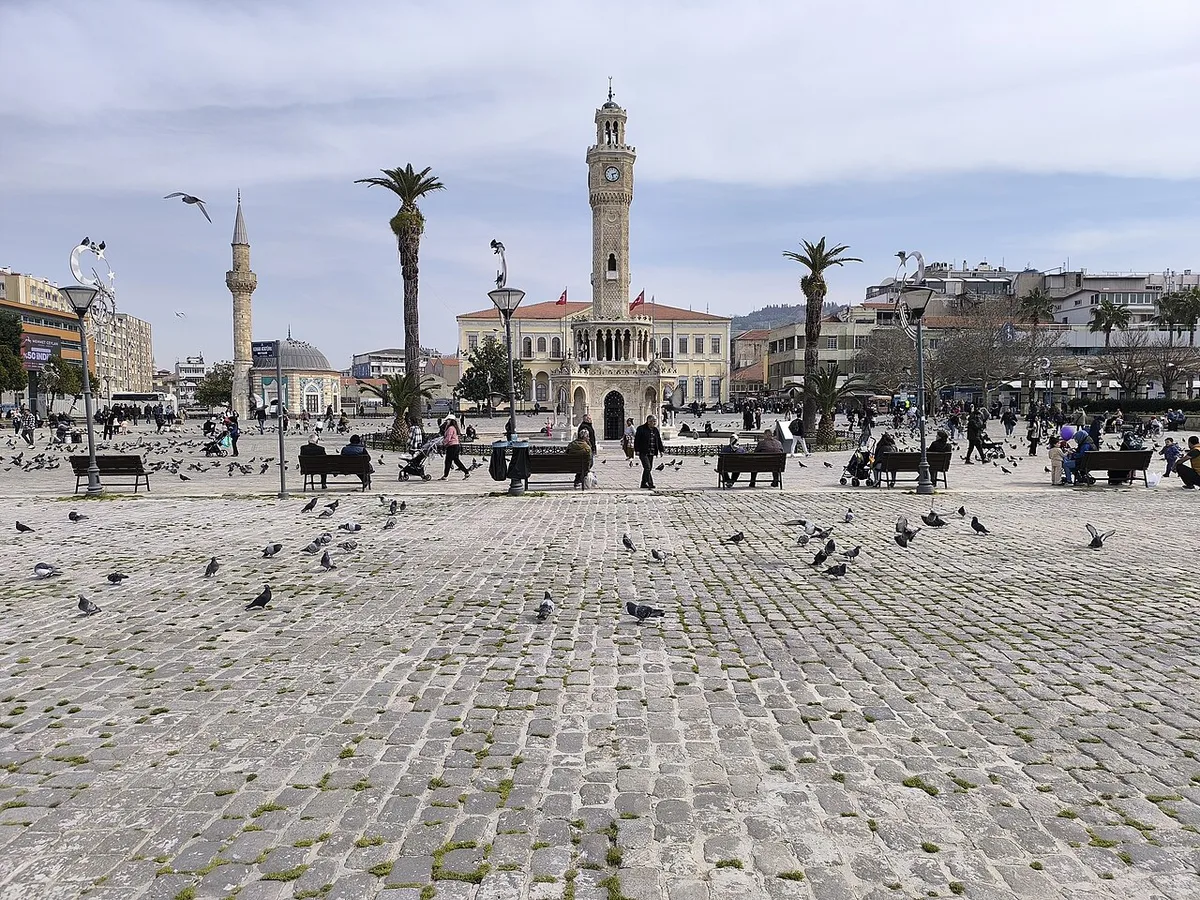
Izmir's safety picture largely mirrors its geography. The Kordon waterfront and the neighborhoods that face it, Alsancak, Karşıyaka, and Göztepe, are modern, well-lit, and built around promenades, cafes, and ferry piers, which keeps foot traffic high well into the evening. Move inland, though, and the city gets older and denser fast, especially along what locals think of as the Basmane-Konak corridor. This stretch is genuinely the historic heart of Izmir, home to the bazaar, the clock tower, and transit connections, but it is also where budget accommodation, dense crowds, and a transient population overlap most. That combination is exactly why this corridor needs the most situational awareness of anywhere in the city, even though it is rarely dangerous in daylight.
Every recommended neighborhood (Alsancak, Karşīyaka, Göztepe) faces the waterfront, while caution zones cluster inland around Basmane. Geography predicts safety more reliably than any single factor.
Detailed Breakdown: Basmane, Kadifekale, Tepecik, and Hilal
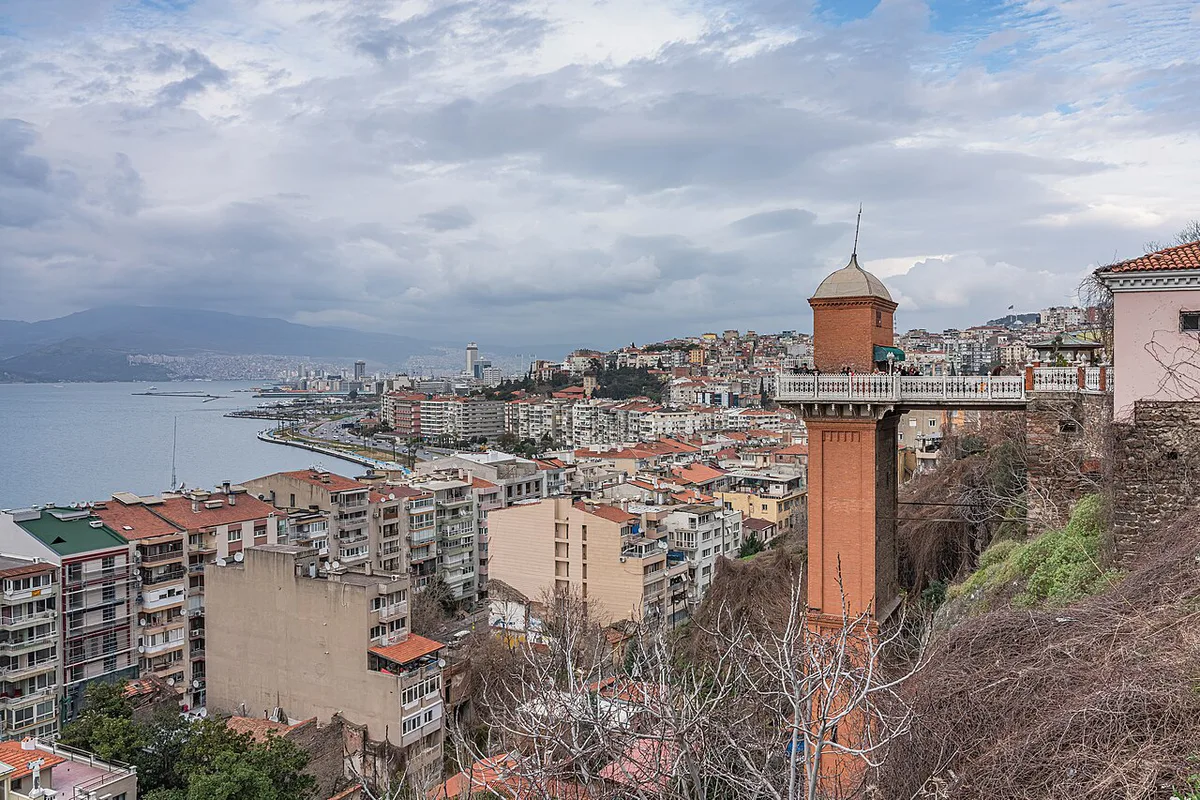
Basmane functions as Izmir's transit hub, built up around the old train station, and that role shapes its character. The area holds a heavy concentration of budget hotels alongside a transient, migrant population passing through, which is not inherently unsafe but does mean quieter streets can feel uneasy after dark. During the day it is a practical, walkable neighborhood for cheap sleeps and onward travel; after sunset, sticking to main roads and using a rideshare for the last stretch is the sensible pivot. Kadifekale, the Velvet Castle, is one of the best viewpoints in the city and worth the climb for the panoramic sweep over the bay, but the surrounding neighborhood is a separate story from the fortress itself. The narrow alleys leading up to the castle have a local reputation for petty theft and unfriendly encounters once the light fades, so treat it strictly as a daytime excursion, ideally by taxi or ride-hailing app up and a planned route back down before evening. Tepecik and Hilal, further out from the tourist core, are primarily residential and industrial zones with a higher local crime reputation and essentially nothing to offer a visitor, so there is little reason to route through either one regardless of time of day.
Backstreets of Alsancak and the Kemeraltı Bazaar After Hours
Alsancak is consistently one of the safest and most enjoyable bases in Izmir, and its main nightlife strips stay busy, lit, and easy to navigate late into the night. The caution applies specifically to the dimly lit side alleys just off those main streets, where bar scams targeting tourists, inflated bills, or opportunistic pickpocketing are more likely than on the well-trafficked main roads. The same day-versus-night split applies to the Kemeraltı bazaar: during trading hours it is one of the most rewarding places in the city to wander, dense with stalls, tea houses, and workshops, but its tighter back-alleys empty out and narrow considerably once shops close for the evening, and they are best avoided after that point. For scam-specific patterns beyond these two spots, the Izmir tourist scams guide covers the tactics to watch for in more detail.
Safety for Solo Travelers and Nightlife
Solo travelers, and solo female travelers in particular, generally find Izmir comfortable, but the same after-dark logic applies more strictly around Basmane and the Kadifekale approach roads, where unwanted attention is more commonly reported than in the well-lit waterfront districts. Sticking to Alsancak, Kordon, or Karşıyaka for evening plans, and treating a rideshare as the default rather than a backup once the sun sets, removes most of the friction. For nightlife specifically, the established bar and club strips in Alsancak are the reliable choice; smaller, unmarked pavyon-style venues, which sometimes present inflated bills or high-pressure hostess arrangements once a bar tab starts running, are worth steering clear of. Full demographic-specific guidance lives in the solo female travel safety guide, and a broader after-dark rundown is in the Izmir at night guide.
Practical Logistics: Transport, Taxis, and the Cost of Staying Safe
Getting around Izmir safely is mostly about picking the right mode for the time of day. The Izban suburban rail and the Metro line are both practical and generally safe options for crossing the city, including through less polished districts like Basmane, since staying on the platform and heading straight to a main road on exit avoids lingering in any one spot. An Izmirim Kart, the city's rechargeable transit card, covers Izban, Metro, bus, and ferry rides and is worth picking up on arrival for smooth, contactless transfers rather than fumbling for cash at each gate. As a rule of thumb, walking is fine on main, well-lit streets, but once a route drifts into narrow side alleys after dark, switching to Uber or BiTaksi for the last leg is the safer call, and only using licensed, metered taxis rather than unmarked cars waiting outside the station helps sidestep overcharging. Accommodation choice also plays into safety economics: budget rooms cluster around Basmane precisely because of its transit convenience, while Bostanlı and Mavişehir on the Karşıyaka side offer a calmer, more residential base that typically costs a bit more but removes the after-dark navigation question entirely. For the full transit-safety picture, including licensed taxi tips, see the Izmir public transport safety guide, and for the data-driven context behind these patterns, the Izmir crime rate breakdown lays out the broader picture.
Basmane's budget hotels cluster there for transit convenience, but the after-dark navigation required to use them safely may outweigh the savings. Karşīyaka's slightly pricier base eliminates this friction entirely.
Safe Alternatives: Where to Stay Instead in Izmir
Rather than treating Basmane as the default because of its transit proximity, most travelers get a better experience basing themselves along the safer, more atmospheric districts that face the water. Alsancak remains the gold standard, combining a lively restaurant and bar scene with easy waterfront access and strong late-night foot traffic. Karşıyaka, a short ferry ride across the bay, offers a quieter, more residential feel with its own promenade and market, while Göztepe splits the difference with a laid-back, local atmosphere close to the coast. All three keep a visitor within easy reach of the sights around Basmane and Kadifekale for daytime trips, without the after-dark trade-offs of actually staying there. A fuller rundown of these districts and others is available in the safest neighborhoods in Izmir guide.
- Alsancak — waterfront, nightlife, strong late-night activity
- Karşıyaka — quieter, residential, ferry-connected
- Göztepe — local, laid-back, coastal
Safer Pivots Around Basmane and Konak
If a hotel, train arrival, or cheap taxi drop-off puts you around Basmane after dark, the safest move is not to keep cutting through small lanes toward the bazaar. Pivot toward the broad, better-lit routes instead: Fevzi Paşa Bulvarı leads west toward Konak and the Clock Tower area, while Gaziler Caddesi keeps you on a busier corridor north of the station. From Basmane Gar, avoid wandering uphill toward Kadifekale or south into the quieter Kemeraltı backstreets once shops have closed.
For sightseeing, do the reverse in daylight: visit Kemeraltı, Agora Open Air Museum, and Kadifekale as planned stops, then exit before evening toward Konak Square, Çankaya Metro, or a ride-hailing pickup on a main road. Around Konak, the waterfront side near Cumhuriyet Bulvarı and the ferry piers feels easier to navigate than the dense inland lanes late at night.
For trip-planning details, see US State Department Turkey travel advisory.
Frequently Asked Questions
Is the Izmir train station area, Basmane, safe at night?
Basmane is workable during the day thanks to its budget hotels and transit links, but the concentration of transient travelers around the station means it is best navigated with more caution after dark, sticking to main roads and using a rideshare for the final stretch rather than wandering quieter side streets.
Are there any no-go zones for tourists during the day?
Not really. Even Basmane and the alleys around Kadifekale are fine to explore in daylight; the caution in this guide is almost entirely about timing rather than blanket avoidance. Tepecik and Hilal are the exception, less a safety issue and more a case of having nothing to offer a visitor at any hour.
What should a traveler do if they end up lost in an industrial area like Tepecik or Hilal?
Head straight for the nearest main road or Izban/Metro station rather than continuing to wander side streets, and call an Uber or BiTaksi once on a recognizable route. These districts are not tourist zones, so getting to a well-trafficked street quickly is more useful than trying to navigate on foot.
How does Izmir's safety compare to Istanbul?
Izmir is generally considered the calmer, more manageable of the two, with a smaller historic core and less sprawl to navigate. Istanbul's scale means its areas to avoid are more numerous and spread out, while Izmir's caution zones are concentrated in a few identifiable pockets around Basmane and Kadifekale.
Which areas should replace Basmane as a home base?
Alsancak, Karşıyaka, and Göztepe are the standard recommendations, each offering easy access to the sights around Basmane and Kadifekale for day trips without the after-dark considerations of staying in the transit district itself.


