Izmir Tourist Scams: A Practical Guide to Staying Safe
Last updated June 2026, and the good news for anyone researching Izmir tourist scams is that this Aegean port city has a noticeably calmer reputation than Istanbul's Sultanahmet district, where hustlers work tourist queues almost by rote. That does not mean vigilance is optional: a small set of repeat scams still cluster around Kemeraltı Bazaar, the Kordon waterfront, and the transport links running out of Adnan Menderes Airport, and knowing the mechanics of each one turns a stressful guessing game into a quick gut check. Before heading out, it helps to read the broader context in Izmir safety overview, since most scams here are opportunistic rather than violent, and confidence is the best deterrent.
The Reality of Safety in Izmir Compared to Istanbul
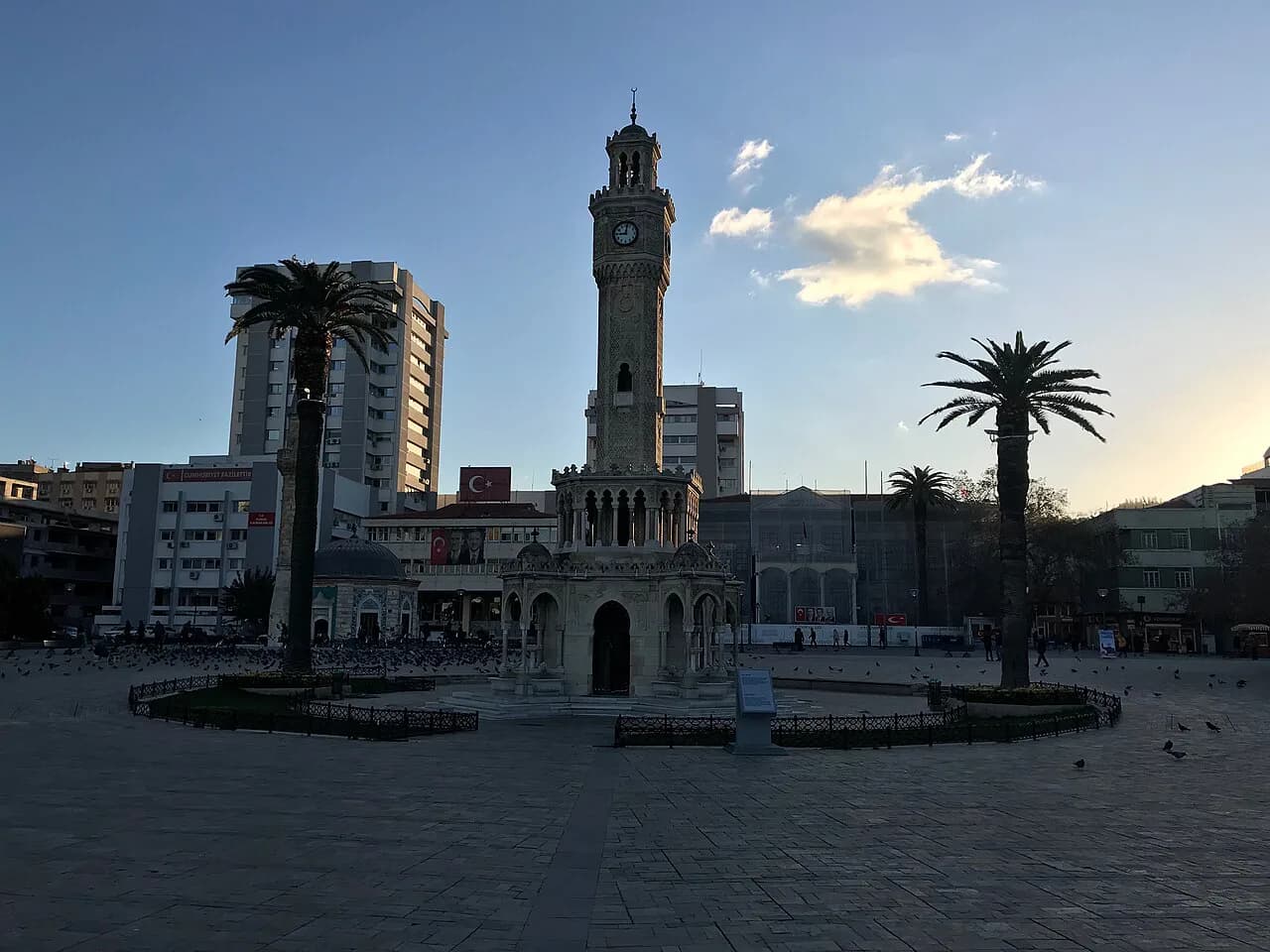
Travelers arriving from Istanbul often brace for the same density of tourist-targeted hustling and are surprised by how much more relaxed Izmir feels. The city's layout, with wide waterfront promenades along the Kordon and a bazaar that still serves plenty of local shoppers rather than exclusively tourists, means fewer choke points where scammers can work a captive audience. That said, Izmir tourist scams are real and tend to concentrate in predictable spots: Konak Square, the narrow lanes of Kemeraltı, and nightlife streets in Alsancak and Basmane. Reddit threads from recent visitors describe a familiar feeling of being treated as a walking wallet by aggressive vendors who assume every foreign face means high net worth, and that pattern holds true in Izmir on a smaller scale. For a fuller risk picture beyond scams, including neighborhood-level guidance, see areas to avoid in Izmir before mapping out a walking route.
Common Street Scams in Izmir
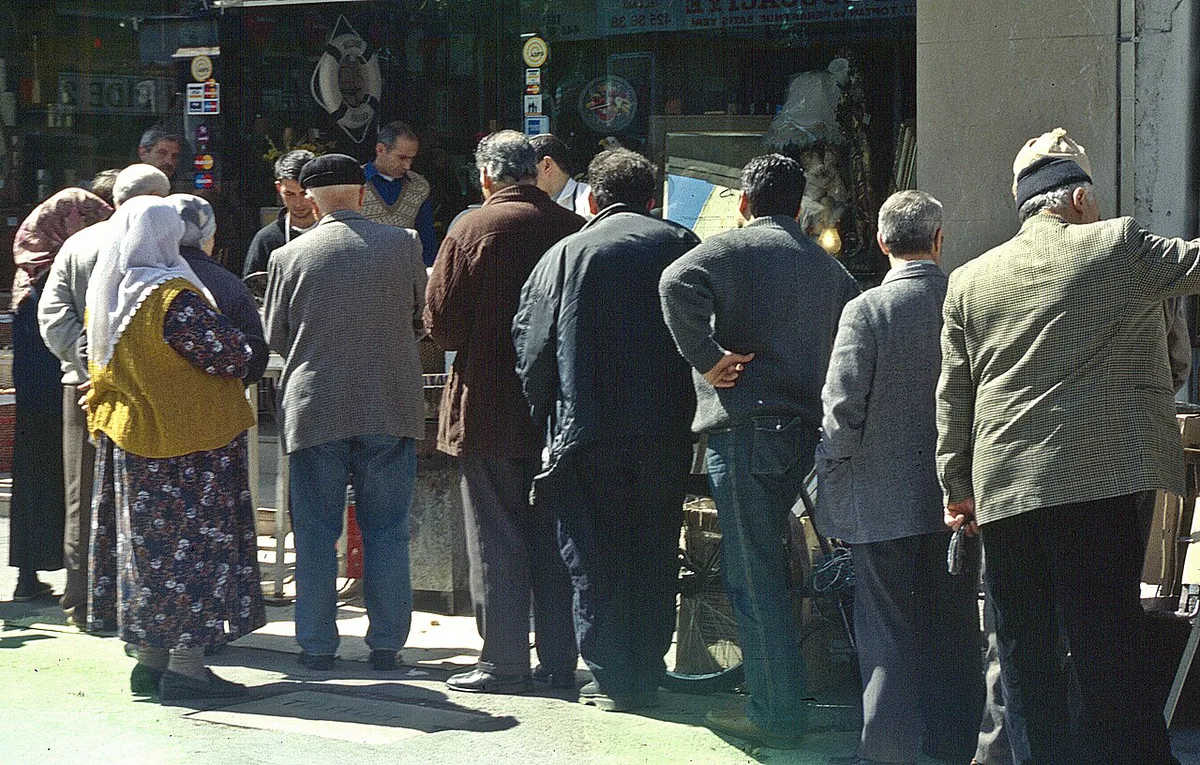
Street-level scams in Izmir rely on distraction and manufactured obligation rather than force, which makes them avoidable once the mechanics are familiar. The three that recur most often near Konak Square and the entrances to Kemeraltı are worth memorizing before a first walk through the old town.
Street scams in Izmir often use the same tactic: a helpful stranger establishes rapport by offering directions, inviting you for tea or drinks, or recommending a friend's shop. Firmness ends these interactions quickly. Unsolicited offers to lead you to specific venues—whether bars, carpet shops, or jewelry stores—are red flags.
- The Shoe Shiner Trap: A shoeshiner appears to accidentally drop a brush a few steps ahead. Picking it up or pointing it out is treated as an invitation, and the shiner insists on cleaning the shoes on the spot before demanding an inflated cash payment. The fix is simple: do not retrieve or acknowledge a dropped brush, and keep walking.
- The Helpful Stranger: A friendly local offers unsolicited directions, then walks alongside for several minutes before steering the conversation toward a nearby carpet shop, jewelry store, or a relative's business. Genuine directions rarely come with an escort; a polite but firm decline ends the interaction quickly.
- The Dropped Item Distraction: Someone nearby drops coins, a wallet, or a bag of goods, and a companion uses the moment of distraction to bump into a tourist or reach into an open bag. Keep bags zipped and worn to the front in crowded lanes around Kemeraltı.
Dining, Nightlife, and the 'Let's Have a Drink' Scam
Restaurant and bar scams in Izmir are less about petty theft and more about inflated bills that arrive only after the damage is done. Along the Kordon, a handful of tourist-facing cafes still hand over a menu without visible prices, then quote a much higher figure verbally once the bill lands; always ask to see printed prices before ordering, and treat any menu without prices as a red flag. A more serious version plays out around Alsancak and Basmane, where a friendly local invites a solo traveler to a 'quiet bar a friend owns' for a drink. These pavyon-style venues can present bills running into the hundreds of dollars for a round of drinks, with an intimidating presence discouraging refusal to pay. This scam disproportionately targets solo travelers and those who appear to be traveling alone, so anyone researching solo female travel safety in Izmir should treat any unsolicited drink invitation from a stranger as an automatic decline, regardless of how the pitch is framed.
Transportation and Izmir Taxi Scams
Izmir taxi scams remain the headline complaint among visitors, and they follow two familiar patterns: a driver claims the meter (taksimetre) is broken and quotes a flat inflated fare, or a driver takes a deliberately long route from Adnan Menderes Airport or the Otogar bus terminal to run up the metered total. The most reliable fix is refusing any taxi that will not run the taksimetre and instead booking through the BiTaksi or Uber apps, both of which lock in a driver, route, and estimated fare before the trip starts and remove the negotiation entirely. Public transport, including the Izmir metro and ferries, is a lower-risk alternative for point-to-point trips within the city center. For a broader breakdown of buses, metro, and ferry safety, including how they compare to taxis after dark, see Izmir Public Transport Safety: A Complete Guide for Travelers (2026).
Shopping Scams in Kemeraltı Bazaar
Kemeraltı Bazaar safety comes down to distinguishing normal Turkish bargaining culture from outright fraud. Haggling over price is expected and welcomed in most bazaar stalls, and a vendor who engages in a back-and-forth negotiation over textiles, spices, or souvenirs is behaving entirely normally. The scams to watch for are narrower: vendors claiming a mass-produced item is a genuine antique, or gold and silver jewelry sold as higher-karat than it actually is, particularly from stalls without a visible storefront or fixed address. Buying gold or silver only from established jewelers with a shopfront, and asking for a hallmark or receipt stating purity, avoids most of this risk. The 'my friend's shop' version of the carpet routine, where a new acquaintance insists on walking a tourist to a specific relative's stall, deserves the same firm decline used for the helpful-stranger street scam.
Understanding Ikram: Genuine Hospitality vs. Sales Trap
One nuance that trips up first-time visitors is ikram, the Turkish custom of offering free tea or small treats as a genuine gesture of hospitality, especially inside a shop during an unhurried browsing session. Refusing every offer of çay out of scam-avoidance instinct can come across as rude and misses out on an authentic part of Turkish culture. The distinction is less about the tea itself and more about the surrounding pressure and location, which the table below breaks down.
| Scenario | Genuine Hospitality (Ikram) | Scam Red Flag |
|---|---|---|
| Tea offer setting | Inside an established shop, during or after a browsing conversation | Approached cold on the street by a stranger |
| Who's involved | The shopkeeper or staff at a fixed, visible business | A new 'friend' who wants to lead the way to a different location |
| Pressure to buy | None; declining the tea or the goods carries no consequence | Escalating pressure to visit a 'brother's shop' or a specific bar |
| Bill or ask at the end | No bill for the tea itself | A large, undisclosed bill or a hard sell once trust is established |
Fair Prices in Izmir: A Cost Baseline for 2026
Having a rough price baseline in mind makes it far easier to spot overcharging in real time, whether from a taxi driver or a Kordon cafe. These figures reflect the kind of costs travelers should expect to pay for common needs around the city in 2026; always confirm current HAVAŞ shuttle pricing on the Adnan Menderes Airport (ADB) official site before travel, since airport transfer rates are adjusted periodically.
| Item | Fair Price Range (2026) |
|---|---|
| Metered taxi, Adnan Menderes Airport to Alsancak | Standard metered fare via taksimetre, BiTaksi, or Uber |
| HAVAŞ airport shuttle | Check current fare on the official ADB airport site |
| Standard çay (tea) at a local cafe | A few Turkish lira |
| Mid-range dinner for one, Kordon or Alsancak | Moderate TRY price at a sit-down restaurant with a printed menu |
De-escalation Tactics and Turkish Phrases
A calm, firm refusal ends most Izmir tourist scams before they escalate, and body language matters as much as words. A single audible tongue click paired with an upward chin tilt is a widely understood Turkish gesture for 'no' and works well against street vendors without requiring a language exchange. Verbally, a polite but final 'Yok' (meaning 'no' or 'there isn't any') or 'Hayır, teşekkürler' (no, thank you) said once and followed by continuing to walk closes the door on most pitches. Avoid prolonged eye contact or engaging in back-and-forth justification, since the goal of most scam attempts is to keep a conversation going long enough to build obligation.
Izmir's notably calmer atmosphere than Istanbul doesn't eliminate street scams, but it does make them avoidable. Scams here rely on manufactured obligation rather than force. A calm, firm refusal in Turkish—'Hayır, teşekkürler' or a chin tilt—ends most attempts without escalation. Confidence is the best deterrent.
How to Report a Scam in Izmir
If a scam does happen, particularly an inflated bill at a bar or restaurant, reporting it promptly helps both personal resolution and future travelers. The Zabıta (Municipal Police) handle marketplace and vendor-related disputes, including bazaar overcharging and fraudulent goods, and can be flagged down in most central districts. For anything involving a licensed tour operator or travel agency, verifying credentials through TÜRSAB, the Association of Turkish Travel Agencies, before booking helps avoid unlicensed operators altogether. Serious incidents should also be reported to general emergency services, and travelers can consult official safety advisories from the Turkish Ministry of Culture and Tourism for current guidance.
Where to Stay to Avoid High-Pressure Tourist Zones
Choosing a base away from the densest hustling zones reduces daily exposure to scam attempts without sacrificing access to Izmir's waterfront and cultural sites. Neighborhoods with a more residential, lower-pressure feel let travelers dip into Kemeraltı and the Kordon deliberately rather than being funneled through them constantly. For a curated shortlist matched to safety and convenience, see Safest Neighborhoods in Izmir: Where to Stay in 2026, and cross-reference against overall crime patterns in Izmir Crime Rate: What the 2026 Data and Traveler Reports Actually Show before booking accommodation.
Frequently Asked Questions
Is Izmir safer than Istanbul for tourist scams?
In general, yes. Izmir has a more relaxed, less tourist-saturated atmosphere than Istanbul's Sultanahmet district, and the scams that do occur tend to cluster around a handful of predictable spots like Kemeraltı Bazaar, Konak Square, and Kordon-area cafes rather than being spread citywide.
How do I avoid Izmir taxi scams?
Insist that the driver runs the taksimetre (meter) from the start of the trip, or bypass the negotiation entirely by booking through the BiTaksi or Uber apps, which lock in the route and fare estimate before the ride begins. This applies whether departing from Adnan Menderes Airport or the Otogar bus terminal.
What should I do if a stranger invites me for tea or a drink?
A tea offer inside an established shop during a normal browsing conversation is usually genuine Turkish hospitality (ikram) and can be accepted without obligation. A drink invitation from a stranger on the street, especially one leading toward a specific bar or a 'friend's shop,' should be declined firmly and immediately, since this is the setup for the pavyon-style overcharging scam.
Are the vendors in Kemeraltı Bazaar trying to scam tourists?
Most vendors in Kemeraltı are simply engaging in normal, expected Turkish bargaining culture. The actual scam risk is narrower and centers on fake antiques and mislabeled gold or silver purity, which is best avoided by buying valuables only from established jewelers with a visible storefront and asking for a hallmark or receipt.
Who should I contact if I get scammed in Izmir?
The Zabıta (Municipal Police) handle marketplace and vendor disputes, including bazaar overcharging. For issues with a tour operator, verify their credentials through TÜRSAB, the Association of Turkish Travel Agencies, and consult official advisories from the Turkish Ministry of Culture and Tourism for broader guidance.


