Is Warsaw Safe? Everything You Need to Know Before Visiting
Last updated May 2026: if you are asking is Warsaw safe, the short answer is yes — Warsaw is one of Europe's more orderly capitals, with the U.S. Department of State rating Poland at Level 1: Exercise Normal Precautions. Violent crime against visitors is rare, and most incidents travelers actually encounter are petty theft, taxi overcharging, and weekend nightlife rowdiness rather than anything targeting tourists directly. This guide walks through crime context, neighborhood-by-neighborhood nuance, transport logistics, and the scams worth knowing before you land at Warszawa Centralna.
Is Warsaw Safe in 2026? The Direct Answer
Warsaw is safe for the overwhelming majority of visits. Poland currently sits at Level 1: Exercise Normal Precautions on the U.S. Department of State's travel advisory scale — the lowest risk tier the agency assigns — a status reissued after periodic review with only minor edits. That places Warsaw broadly in line with other well-run EU capitals: it does not carry the elevated cautions attached to cities with higher rates of violent street crime. The practical risks in Warsaw are the ordinary ones any major European city presents: pickpockets in crowded transit hubs, unlicensed taxi touts, and rowdy weekend nightlife crowds around the Old Town. For a closer read on the numbers behind that reassurance, see Warsaw crime rate data.
Warsaw Crime Rates: Violent vs. Petty Crime
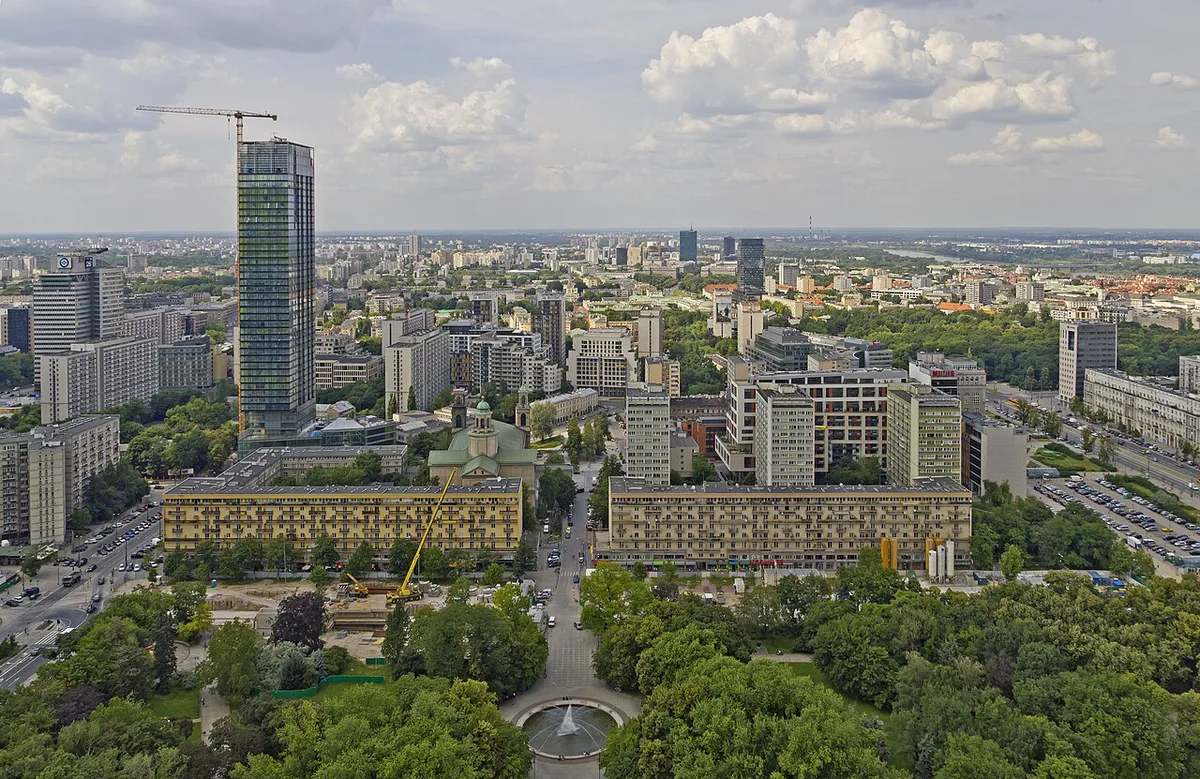
Warsaw's safety profile splits cleanly into two categories. Violent crime against tourists is uncommon and not something most travelers need to actively plan around. Petty crime — pickpocketing, bag-snatching, and opportunistic theft in dense tourist areas — is the more realistic concern, concentrated around Warszawa Centralna station, crowded trams during rush hour, and the Old Town (Stare Miasto) in peak season. Compared with other major Polish cities like Kraków and Wrocław, Warsaw's scale as the capital means slightly more petty-crime density simply from higher footfall, though none of Poland's major cities carry a reputation for targeting tourists with violence. Basic precautions — a zipped bag worn in front on crowded trams, cards kept separate from cash — cover most of the realistic risk. A full breakdown of the numbers and how Warsaw compares regionally is covered in the dedicated crime rate guide.
Petty-crime incidents cluster in predictable locations—Centralna station, crowded trams, Old Town during peak season—and involve non-violent scams rather than street confrontations. Awareness of these specific risk zones and simple precautions make realistic threats manageable.
Safe vs. Sketchy: A Warsaw Neighborhood Breakdown
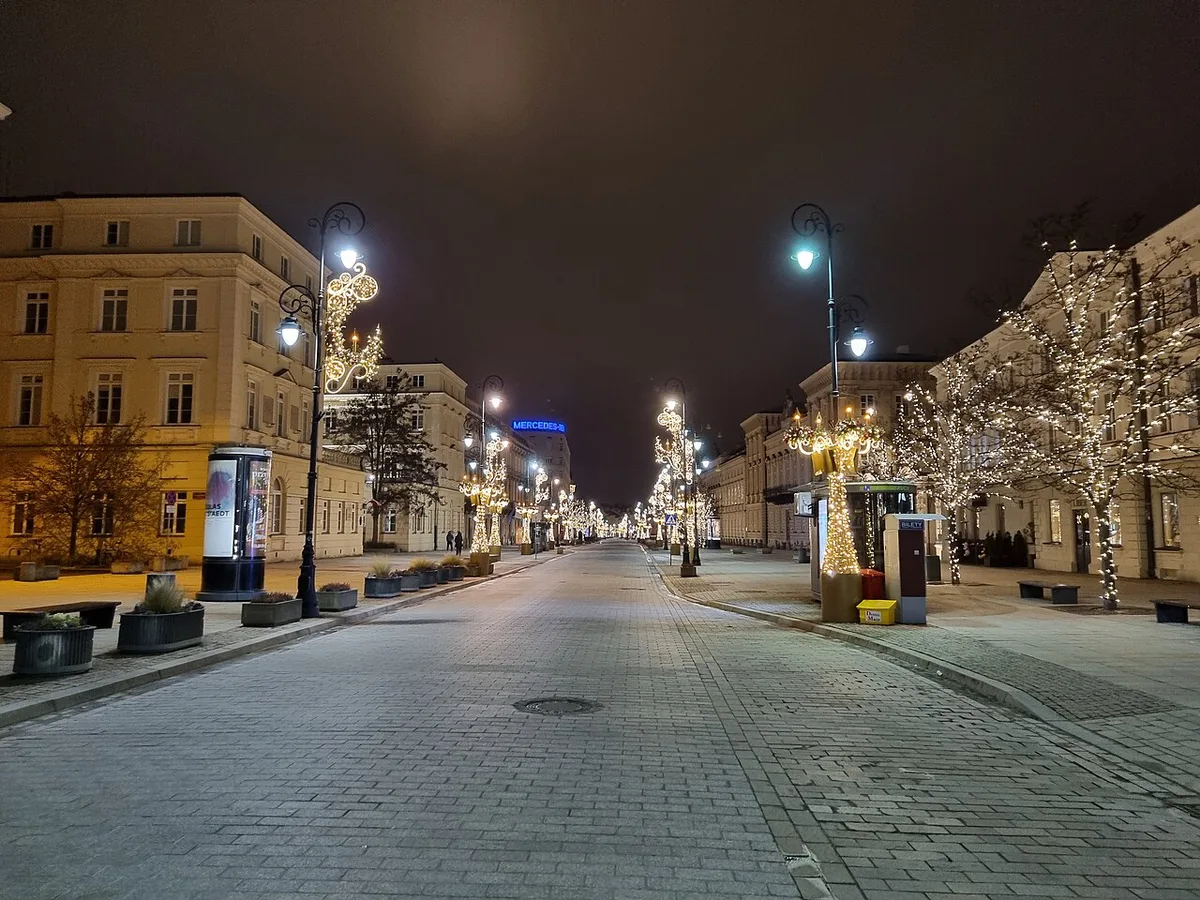
Where you base yourself shapes how safe a trip feels day to day. Śródmieście (City Center), Wilanów, and Mokotów are consistently the most reassuring choices for visitors — well-lit, well-trafficked, and close to major sights and transit. Praga Północ deserves a more current read than older guides give it: the once-common label of Warsaw's "no-go zone" reflects an outdated reputation, and the district has gentrified substantially into a hub of galleries, breweries, and creative spaces. That said, ordinary street sense still applies in its older, less-renovated pockets after dark, and the areas immediately around major transit hubs warrant the same late-night caution any capital city's stations deserve. For street-level detail on both ends of that spectrum, see the safest neighborhoods in Warsaw and areas to avoid in Warsaw.
| Neighborhood | Character | Safety Notes |
|---|---|---|
| Śródmieście (City Center) | Central, walkable, tourist-dense | Well-lit, well-trafficked, close to major sights and transit |
| Wilanów | Residential, quiet | Well-lit, well-trafficked, family-friendly |
| Mokotów | Well-connected | Well-lit, well-trafficked, low tourist-crime profile |
| Praga Północ | Galleries, breweries, creative spaces | Gentrified; exercise caution in older pockets after dark |
- Safest: Śródmieście (City Center) — central, walkable, tourist-dense
- Safest: Wilanów — residential, quiet, family-friendly
- Safest: Mokotów — well-connected, low tourist-crime profile
- Exercise caution: older pockets of Praga Północ after dark
- Exercise caution: immediate vicinity of major transit hubs late at night
Warsaw Solo Female Travel Safety and Night Safety
Solo travelers, including women traveling alone, generally report feeling comfortable in Warsaw's central districts, where streets stay lit and populated well into the evening. As with any capital, exercising normal precautions after dark — sticking to main streets, avoiding unlicensed cabs outside nightlife venues, and watching drinks in busy bars — covers most of the realistic risk. One scam to know before a night out is the so-called "gentlemen's club" ruse, where a friendly stranger steers a visitor toward a bar or club that later presents a wildly inflated bill; walking away from unsolicited invitations to a specific venue is the simplest defense. For a deeper look at nighttime specifics and gender-specific guidance, see Warsaw safety at night and solo female travel safety in Warsaw.
Choosing central neighborhoods—Śródmieście, Wilanów, or Mokotów—combines around-the-clock foot traffic and lighting with proximity to transit and sights. This concentration reduces the need to navigate unfamiliar areas after dark, a key advantage over larger, more dispersed European capitals.
Warsaw Public Transport and Taxi Safety
Warsaw's public transport network, run by ZTM (the city transport authority), covers the Metro, trams, and buses, and is generally considered safe and reliable at most hours. The main transport-related risk isn't the network itself but unlicensed taxis, particularly the touts who approach arriving travelers at Warszawa Centralna offering rides at inflated, undisclosed fares. Booking through a licensed ride-hailing app — Uber, Bolt, or FreeNow all operate in Warsaw — sidesteps that scam entirely by locking in the fare and driver identity before the ride starts. Around Centralna specifically, staying alert to your belongings in the crowded concourse and avoiding drivers who approach you directly (rather than ones you've booked) are the two habits that matter most. Full transit-specific guidance, including ZTM's own safety rules, lives at Warsaw Public Transport Safety: A 2026 Guide to the Metro, Trams, and Night Buses.
Common Tourist Scams to Avoid in Warsaw
Most scams aimed at visitors in Warsaw are non-violent cons designed to separate you from cash rather than confrontational crime. Recognizing the pattern is most of the defense.
- The spilled-drink or helpful-stranger ruse: a distraction created deliberately so an accomplice can pick a pocket or bag
- Bill padding in Old Town restaurants: always confirm prices before ordering, especially for unpriced specials or seafood
- Unregulated currency exchange (kantor) traps: use kantors with clearly posted, no-commission rates rather than the first storefront near a tourist landmark
- Unlicensed taxi touts at Warszawa Centralna and the airport: book through Uber, Bolt, or FreeNow instead of accepting a walk-up offer
Emergency Numbers, Healthcare, and Logistics in Warsaw
Poland's general emergency number is 112, and it reaches police, fire, and ambulance services from any phone; 997 reaches the Polish police (Policja) directly. English-speaking doctors are available at private clinics in central Warsaw, and pharmacies (apteka) are widely distributed through Śródmieście and other central districts, with signage typically in Polish but staff often able to communicate basic needs in English. The U.S. Embassy in Warsaw is located at Aleje Ujazdowskie 29/31, 00-540 Warsaw, reachable at +48 (22) 504-2000, and travelers can enroll in the Smart Traveler Enrollment Program (STEP) before departure to receive alerts and make it easier for the embassy to locate them in an emergency. On the geopolitical question travelers sometimes raise: the regional situation involving Ukraine has not translated into any change to daily safety conditions or advisory status within Warsaw itself, and the city's Level 1 rating has continued to hold through periodic review.
How Warsaw Compares With Other European Capitals
For most visitors, Warsaw feels calmer than larger, busier capitals such as London, Paris, or Berlin, mainly because tourist crowds are more concentrated and nightlife zones are easier to avoid. Around the Royal Route, Old Town, Śródmieście, and the Palace of Culture and Science, the main risk is still petty theft in crowds, not violent street crime.
The practical difference is density. Paris has heavier tourist congestion around major sights and metros, London has bigger late-night transport flows, and Berlin has a more spread-out nightlife scene. Warsaw’s busiest visitor areas are smaller and usually straightforward to navigate, especially if you stay near Śródmieście, Powiśle, Mokotów, or Wilanów. The places that require extra awareness are predictable: Warszawa Centralna, crowded trams, the Old Town in peak season, and nightlife streets where strangers promote specific bars or clubs. In short, Warsaw is not risk-free, but it is generally easier to manage than many larger European capitals.
For trip-planning details, see UK FCDO travel advice for Poland.
Explore is safe in other cities
Frequently Asked Questions
Is Warsaw safe for tourists in 2026?
Yes. Warsaw is broadly safe for tourists, with Poland holding a Level 1: Exercise Normal Precautions rating from the U.S. Department of State. Violent crime against visitors is rare; the realistic risks are petty theft, taxi overcharging, and weekend nightlife rowdiness.
Is Warsaw safe at night?
Central districts like Śródmieście stay well-lit and populated into the evening, and most visitors find walking around at night comfortable there. Normal precautions apply around major transit hubs and less-renovated pockets of Praga Północ after dark. See the dedicated guide on Warsaw safety at night for specifics.
Is Praga Północ dangerous?
Praga Północ's reputation as Warsaw's "no-go zone" is largely outdated. The district has gentrified into a hub of galleries, breweries, and creative venues, though ordinary street sense still applies in its older, less-renovated pockets after dark.
How do you avoid taxi scams in Warsaw?
Book through a licensed ride-hailing app — Uber, Bolt, or FreeNow all operate in Warsaw — rather than accepting a walk-up offer from a driver who approaches you directly, especially around Warszawa Centralna station and the airport, where unlicensed touts target arriving travelers.
What is the emergency number in Warsaw?
Dial 112 for general emergencies (police, fire, ambulance) anywhere in Poland, or 997 to reach the Polish police (Policja) directly.
Is Warsaw safe for solo female travelers?
Many solo female travelers report feeling comfortable in Warsaw's central areas. Standard precautions — sticking to main streets at night, avoiding unlicensed cabs, and declining unsolicited invitations to specific bars or clubs — cover most of the realistic risk. See the solo female travel safety guide for deeper detail.
Stay Safe in Warsaw
Every Warsaw safety guide on one page — areas, scams, night rules, and getting around.
Warsaw Safety Guides
- Warsaw Areas to Avoid: A Local Safety Guide (2026)
- Is Warsaw Safe at Night? 2026 Safety Guide for Travelers
- Warsaw Tourist Scams: 12 Traps to Avoid in 2026 (And What to Do Instead)
- Is Warsaw Safe for Solo Female Travellers? 2026 Safety & Logistics Guide
- Warsaw Public Transport Safety: A 2026 Guide to the Metro, Trams, and Night Buses
- Warsaw Crime Rate 2026
- Safest Neighborhoods in Warsaw: A 2026 District-by-District Safety Guide