Is Piraeus Safe? A 2026 Guide for Ferry Passengers and Cruise Travelers
Last updated July 2026. If you're wondering is Piraeus safe for a ferry connection, a cruise stopover, or a night before an early sailing, the short answer is yes for the vast majority of travelers, though Greece's busiest port has a grittier, more industrial feel than central Athens. This guide breaks down which streets and marinas to prioritize, how to move safely between the port's Gates E1 through E10, and where petty crime actually concentrates so a layover in Piraeus stays a logistics question rather than a source of worry.
The Quick Verdict: Is Piraeus Safe for Tourists?
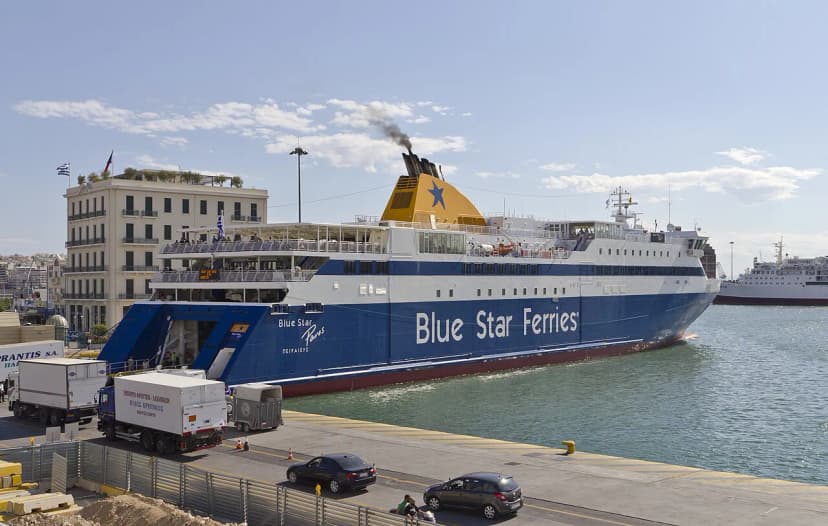
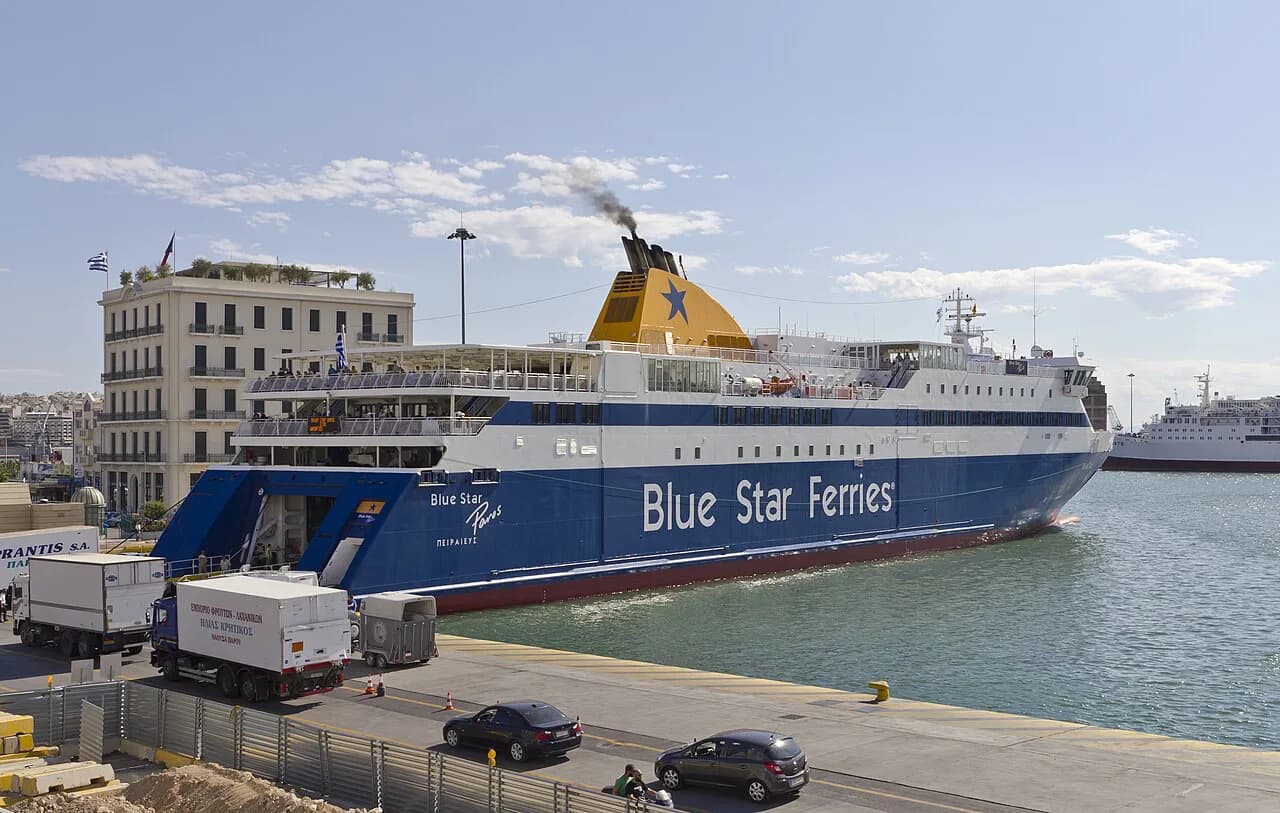
For most travelers running through gate numbers on a printed ferry ticket, is Piraeus safe boils down to a straightforward yes. Violent crime is not the primary concern here — the real story is petty, opportunistic theft layered onto a working port that was never designed around tourism. Piraeus is Greece's busiest port, and it functions first as an industrial and commuter hub for a large resident population, with visitor comfort very much a secondary priority. Many first-time visitors expect a compact, postcard harbor and are surprised to find a working city of cranes, container yards, and heavy traffic — that adjustment in expectations is often the biggest factor in how safe Piraeus feels on arrival. That said, Piraeus genuinely has two faces. The first is the port itself: a sprawl of terminals, ticket halls, taxi ranks, and idling trucks spread across Gates E1 through E10, thick with foot traffic, luggage-laden travelers, and a heavy but visible police presence. The second face sits just a short walk or ride away — the upscale marinas of Kastella and Marina Zeas, where whitewashed houses, palm-lined promenades, and quiet residential streets feel closer to a seaside Greek town than an industrial harbor. In our editorial assessment, the port zone feels grittier and more chaotic on first impression than central Athens tourist areas like Monastiraki, largely thanks to graffiti-covered warehouses and heavy vehicle traffic near the terminals, though it does not carry a noticeably higher-risk profile than pockets of central Athens such as Omonia at night. The practical takeaway: treat Piraeus as a working transit city rather than a polished tourist district, keep valuables close in crowded terminal areas, and expect a rougher visual texture the moment you step away from the marinas.
- The Port (Gates E1-E10): heavy foot traffic, visible police presence, and prime territory for pickpockets
- Kastella and Marina Zeas: upscale, residential, well-lit, and generally low-risk
- Piraeus sits 8-10 km from central Athens, roughly 20-30 minutes away via Metro Line 3
Safety by Neighborhood: Where to Walk and Where to Watch Out
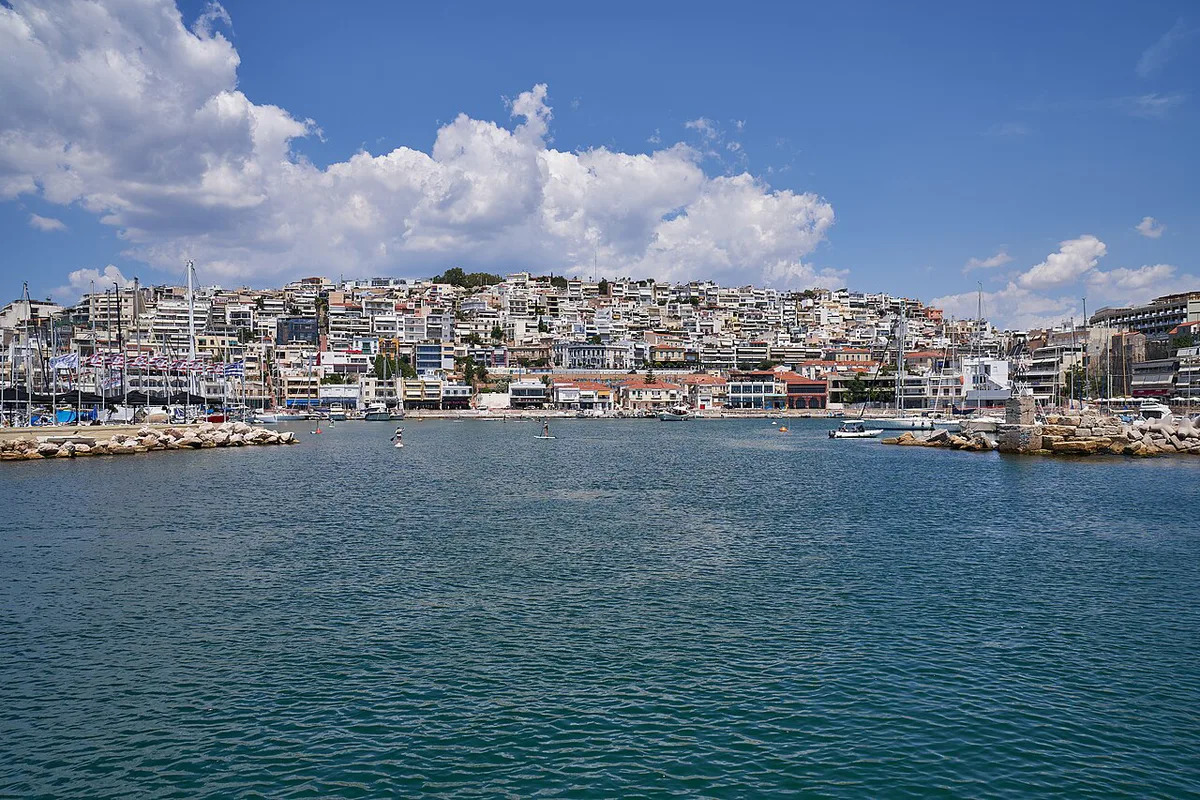
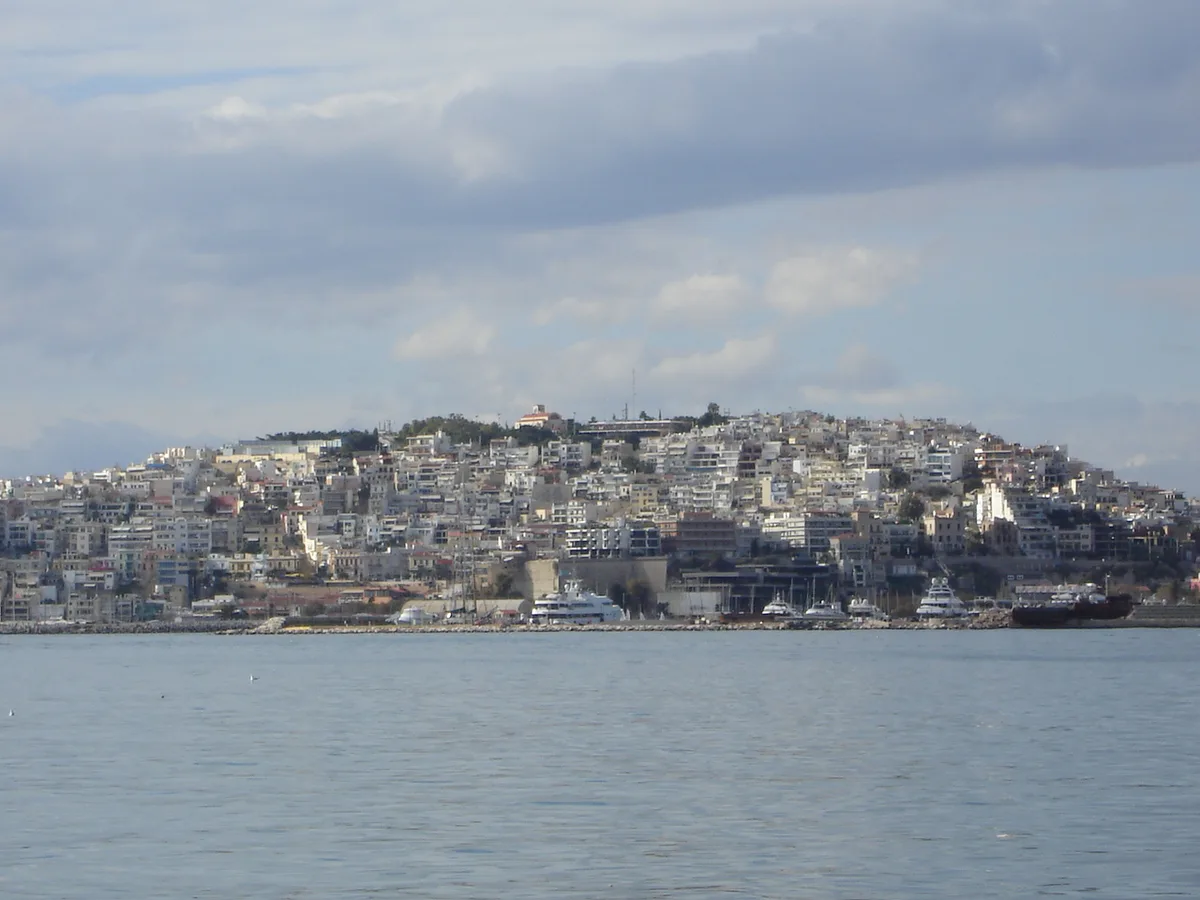
Piraeus is not one neighborhood, and safety varies noticeably depending on which stretch travelers are walking through. The Port and main terminals see the heaviest foot traffic in the city, with ferries, taxis, and shuttle buses converging around Gates E1 through E10. Police presence is heavy, but the crowds and general chaos of embarkation make it prime territory for pickpockets, particularly near ticket windows and boarding ramps. Kastella and Profitis Ilias, the hillside neighborhood rising above the harbor, are consistently the calmest part of Piraeus — whitewashed houses, cobbled lanes, and panoramic views over the Saronic Gulf, with a quiet, residential character that makes it a favorite for an evening walk. The blue-domed church at the summit is a popular spot to catch sunset without any of the port's bustle. Marina Zeas, known locally as Pasalimani, and the neighboring Mikrolimano harbor are both considered safe, trendy, and well-lit after dark, which is exactly why they're popular for evening dining. Palm-lined promenades curve around yachts and fishing boats, and the string of seafood tavernas along the water keeps both areas active well into the night — a natural contrast to the industrial edges of the port itself. The areas that call for more caution are the industrial zones tucked behind the main terminals and the streets near the railway station, especially late at night. These backstreets see little tourist or resident foot traffic once the shops close, and they lack the lighting and activity that make Marina Zeas or Kastella feel comfortable after dark. Stick to the main promenades and well-traveled routes once the sun goes down, and treat side streets behind the terminals as a daytime-only shortcut at most — the detailed street-level breakdown in areas to avoid in Piraeus is worth reading before wandering off the main routes.
Timing matters more than transportation mode: arrive and depart during daylight or early evening when terminals and marinas are busy and well-lit. Early-morning or after-dark sailings demand taxis or shuttles instead of walking, since the port's industrial backstreets and railway-area streets become unsafe when foot traffic thins.
- Port terminals (Gates E1-E10): busy, well-policed, but a pickpocket hotspot
- Kastella and Profitis Ilias: hillside, residential, considered the calmest part of Piraeus
- Marina Zeas and Mikrolimano: safe, trendy, well-lit for evening dining
- Industrial backstreets behind the port and areas near the railway station: exercise caution after dark
Getting to Your Ferry: Metro, Taxis, and the Gate System
Getting from central Athens to the correct ferry gate is as much a safety question as a logistics one. Piraeus sits about 8-10 km southwest of central Athens, and the Metro is the fastest way to cover that distance, taking roughly 20-30 minutes from Syntagma Square. Two Metro lines serve the route with a noticeably different feel. Line 1, the Green Line, is older and can feel more worn and crowded at peak times, while Line 3, the Blue Line, is newer and generally feels cleaner and more comfortable, particularly for anyone traveling with luggage. Whichever line is used, avoid leaving a phone or wallet visible on a crowded platform — the same commonsense rules that apply on any major city transit system apply here too. For a deeper breakdown of which cars, platforms, and times of day feel busiest on each line, the public transport safety guide covers it in more detail. The bigger challenge most guides skip is the sheer size of the port itself. The Metro station sits closer to the middle gates, roughly near Gate E6, but a ferry to Crete might depart from Gate E1 — and walking that distance takes 25 minutes or more, crossing lanes of active port traffic along the way. This is not a five-minute stroll from the train to the ship, and it catches first-time visitors off guard. The Piraeus Port Free Shuttle Bus runs inside the port specifically to move travelers between gates, and it's worth using rather than walking the full distance with heavy luggage, especially in summer heat. Early or late sailings raise the stakes further. A 5:00 a.m. ferry means navigating from a hotel to a distant gate while the port is largely empty and dark. For that scenario, a taxi or the port shuttle is a safer and faster choice than walking, and it removes the risk of misjudging distances between gates in low light — the routes and gate-specific notes in the port safety after dark guide are built around exactly this situation. Narrow, uneven sidewalks and heavy traffic near the terminals also make walking with rolling luggage more difficult than it looks on a map, so budget extra time rather than cutting it close.
Piraeus gates E1-E10 span a working port where walking takes 25+ minutes across active traffic with luggage. Budget 30-45 minutes for navigation; a taxi from central Athens costs €20-30 (confirm the meter to avoid overcharging) and beats attempting the full distance on foot.
Common Scams and Petty Crime to Avoid
Piraeus's petty crime problem is concentrated and predictable, which makes it easy to plan around. Pickpocketing is the most common issue, and it clusters at Metro entrances and on the crowded boarding ramps of large ferries operated by lines such as Blue Star and Hellenic Seaways. The combination of a tight queue, luggage, and a boarding deadline is exactly the distraction pickpockets rely on, so keep valuables in a zipped, front-facing bag during boarding rather than in a back pocket or side pouch. A second pattern worth knowing about is taxi overcharging on short rides between the Metro and a distant gate — for example, the stretch out to Gate E1 for Crete-bound ferries. Confirm a metered fare or agree on a price before getting in, and treat a driver who refuses to use the meter as a red flag. Unlicensed porters are the third recurring issue, particularly around the cruise terminals. These are people who approach passengers offering to carry bags for a fee, sometimes quite insistently. Politely decline and stick to your own luggage or an official porter service where one is offered — there's no reliable way to verify who's actually authorized on the pier. Ferry companies and port authorities are generally responsive if a theft is reported quickly, so flag an issue to visible port police rather than assuming nothing can be done. For a fuller rundown of these patterns and how to avoid them, see the common port scams guide. None of this amounts to a high-crime destination — it's the same category of opportunistic theft found at any major transit hub in Europe — but a port the size of Piraeus, with large numbers of travelers moving through Gates E1 through E10 during peak season, naturally attracts more of it than a quiet neighborhood street.
- Pickpocketing: Metro entrances and ferry boarding ramps (Blue Star, Hellenic Seaways)
- Taxi overcharging: short rides between the Metro and distant gates like E1
- Unlicensed porters: decline offers to carry bags for a fee on the pier
Piraeus for Solo and Female Travelers
Solo and female travelers generally report low levels of street harassment in Piraeus, but the port area's industrial character can feel intimidating after dark simply because it's quiet, poorly lit in places, and functional rather than welcoming — closed ticket offices, parked trucks, and empty pavement rather than the lively, populated streets that make solo travel feel comfortable elsewhere in Greece. For a more comfortable base, staying near Marina Zeas rather than the immediate port perimeter is the better call. The marina's lit promenade, active tavernas, and steady foot traffic in the evening make it feel considerably more welcoming than a hotel wedged between the terminals, and it's still an easy walk or short ride from the ferry gates the next morning. The same logic applies to timing: arriving at or departing from the port during daylight or early evening, when the terminals and marinas are both busy, is more comfortable than navigating either area during the dead hours of the night. For destination-specific advice on harassment patterns, safe accommodation pockets, and transit tips built around traveling alone, the solo female travel safety guide goes into more depth than a general overview can.
Safe Things to Do While You Wait for Your Ferry
Waiting for a ferry doesn't have to mean sitting in a terminal hall, and a few nearby attractions are both genuinely worthwhile and easy to reach safely on foot. The Archaeological Museum of Piraeus, at 31 Charilaou Trikoupi Street near the end of Pasalimani Marina, is roughly a 10-15 minute walk, about 600-800 meters, from the main port and makes an easy, low-key stop between check-in and boarding. It's rarely crowded and holds artefacts spanning the Bronze Age through Roman times, including the well-known Piraeus Kouros marble statue. In 2026, expect it open Wednesday through Monday, 09:00-17:00 during the summer season and 08:30-15:30 in winter, closed on Tuesdays, with entry priced around €10. The Municipal Theatre of Piraeus, a neoclassical building from the 1880s, sits roughly 10-15 minutes on foot from the main ferry terminals in a central, well-policed part of the city. Even without catching a performance, the facade, columns, and chandeliers are worth a look on the way past. For daytime shopping, the pedestrianized Sotiros Dios street offers a safe, walkable stretch to pass an hour, well away from port traffic and popular with locals rather than geared purely toward visitors. Combining two of these three stops comfortably fills a two-to-three-hour layover without needing to backtrack toward the terminals, and all three sit close enough to the port that getting back to a gate with time to spare isn't a concern.
- Archaeological Museum of Piraeus: 31 Charilaou Trikoupi Street, 10-15 min walk, entry about €10
- Municipal Theatre of Piraeus: neoclassical 1880s building, 10-15 min walk from the terminals
- Sotiros Dios: pedestrianized shopping street, safe for daytime wandering
Practical Safety Checklist and 2026 Costs
A short checklist covers most of what's needed to move through Piraeus safely and on schedule in 2026. For emergencies, dial 100 for the police or 171 for the dedicated Tourist Police line, who are generally more accustomed to handling visitor issues like lost documents or scam reports. Budget more time than a map suggests. Allow 30-45 minutes to navigate the port itself, since Gates E1 through E10 are spread across a genuinely large footprint, not clustered around a single terminal building. If a ferry ticket is not an e-ticket, plan to collect the physical ticket from the ticket window well before boarding — ticket offices near the departure gates tend to get chaotic as sailing times approach, and that's not the moment to be sorting out a missing document. Keep a printed or offline copy of both the ferry ticket and hotel address as a backup, since mobile signal inside some terminal halls can be inconsistent during peak boarding times. On cost, a single Metro ride runs about €1.20, while a taxi from central Athens to Piraeus typically runs €20-30 depending on time of day and traffic. Both are reasonable ways to close the distance safely, particularly with luggage or on an early or late schedule when walking isn't practical.
| Item | 2026 Price or Time |
|---|---|
| Metro ticket (single ride) | About €1.20 |
| Taxi, central Athens to Piraeus | €20-30 depending on time of day |
| Port navigation buffer | 30-45 minutes |
| Archaeological Museum entry | About €10 |
| Emergency contacts | 100 (Police) / 171 (Tourist Police) |
Cruise Passenger Safety Around the Piraeus Terminals
Cruise passengers should treat Piraeus differently from ferry passengers because the cruise piers sit farther from the Metro and main ferry gates. The main cruise facilities are usually referred to as Terminal A Miaoulis, Terminal B Themistocles, and Terminal C Alkimos, spread along the southern side of the port rather than beside the Metro station near Gate E6.
If your ship docks at Terminal B or C, walking all the way to central Piraeus, Marina Zeas, or the Metro with luggage is rarely worth it. The route follows busy port roads with long blank stretches, coach traffic, and limited shade. Use the official cruise shuttle, a pre-booked transfer, or the signed taxi rank instead, and confirm the destination before leaving the pier.
For independent sightseeing, keep the ship name and terminal saved offline and leave extra time to return, especially from the Acropolis, Plaka, or Syntagma, where Athens traffic can slow the ride back to Piraeus without warning.
For trip-planning details, see UK FCDO travel advice for Greece.
Explore is safe in other cities
Frequently Asked Questions
Is Piraeus safe to walk at night?
Yes for the well-lit stretches around Marina Zeas, Mikrolimano, and the main terminal promenades, but the industrial backstreets and areas near the railway station thin out quickly after dark. If a ferry departure means moving through the port before sunrise, treat the walk as a logistics problem — use the port's internal shuttle bus or a taxi for longer distances between gates rather than walking alone with luggage.
Can you sleep in the Piraeus port terminal?
Generally, no — sleeping overnight inside the ferry terminals is not recommended or reliably allowed, and terminal benches are not a substitute for a hotel. Travelers with an early sailing are better served by one of the hotels clustered near Marina Zeas or the port itself, arriving with enough buffer to navigate check-in for their gate.
Is Piraeus safer than Athens?
It depends which part of each city gets compared. Piraeus's port zone can feel visually grittier than central Athens because of industrial infrastructure and heavier vehicle traffic, but in our editorial assessment it does not carry a noticeably different risk profile from central Athens overall, and its upscale districts like Kastella and Marina Zeas are considered comfortably low-risk.
How much time should I allow to get from the Metro to my ferry gate?
Build in at least 30 to 45 minutes for port navigation, and more if the ferry ticket requires reaching a distant gate. Walking from the Metro station near Gate E6 to the Crete ferries at Gate E1, for example, takes 25 minutes or more and involves crossing active traffic lanes, so this is not a five-minute stroll.
What's the safest area to stay near the port?
Marina Zeas (Pasalimani) and the Kastella hillside above it are generally considered the most comfortable bases, offering a well-lit waterfront promenade, tavernas, and a residential feel, all within walking distance or a short ride of the ferry terminals.
Stay Safe in Piraeus
Every Piraeus safety guide on one page — areas, scams, night rules, and getting around.
Piraeus Safety Guides
- Piraeus Areas to Avoid: A Practical 2026 Guide for Ferry Travelers
- Is Piraeus Safe at Night? Safety Guide for Ferry Travelers
- Piraeus Tourist Scams: Common Frauds & Port Safety Guide
- Is Piraeus Safe for Solo Female Travelers? (Local Safety Guide)
- Piraeus Public Transport Safety: A 2026 Guide to Metro, Bus, Tram, and Rail