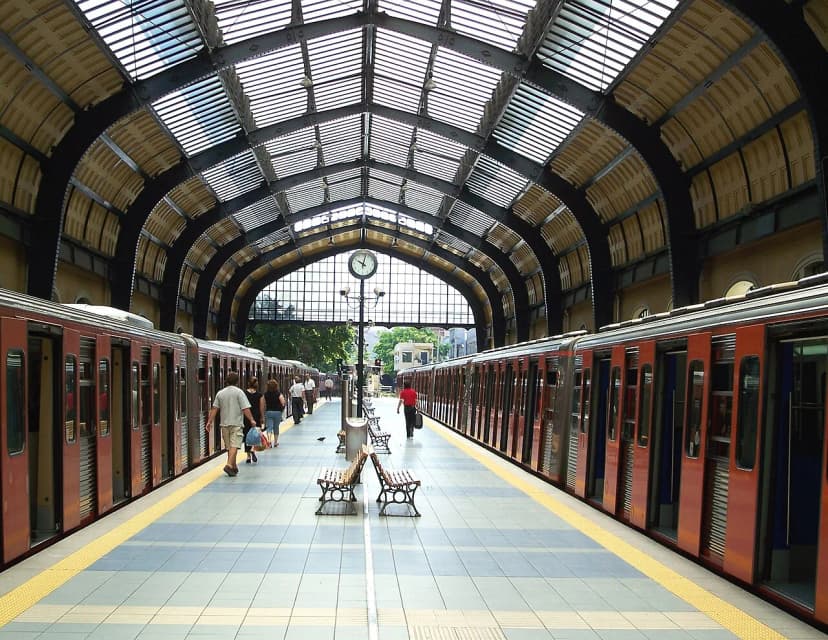
Is Piraeus Safe at Night? A Practical Guide for Late Arrivals
Last updated July 2026: if you're wondering is Piraeus safe at night, the short answer is yes for most visitors who plan around ferry schedules and stick to well-populated routes. Piraeus is a large working port city rather than a single pier, so nighttime conditions swing sharply between the fenced ferry-gate zone, the metro corridor, and the waterfront neighborhoods a short ride away. This guide breaks down what to expect if a ferry lands late, how to get from the port to accommodation after dark, and which streets are better covered by taxi than on foot.
The Verdict: Is Piraeus Safe at Night?
In our editorial assessment, Piraeus is safe at night for the vast majority of ferry passengers, cruise travelers, and visitors who apply the same situational awareness they would use in any large port city. Piraeus is not a single pier — it is Greece's largest port city, with distinct districts that range from the industrial ferry-gate zone to relaxed marina neighborhoods a short walk or metro ride away. The nighttime experience depends heavily on where exactly you are: the area immediately around the ferry gates thins out and feels utilitarian after dark, while the waterfront around Mikrolimano and Pasalimani stays lively with tavernas well into the evening. For a broader daytime safety picture that complements this after-dark breakdown, see this Piraeus safety overview. Standard precautions cover most of what nighttime caution in Piraeus actually requires — no hyperbolic danger, just the same urban awareness travelers apply in any working port.
Standard precautions cover most nighttime caution in Piraeus: the primary risk is not violent crime but overcharging by unofficial taxi touts. Using app-based ride services or the official taxi rank, insisting on a running meter, and confirming fares in-app eliminates most transport-related vulnerabilities.
- Stick to lit, populated main streets near the port terminals and the metro entrance
- Treat the immediate ferry-gate backstreets as a walk-through zone, not a place to linger
- Use licensed taxis or app-based rides after midnight rather than hailing on quiet streets
- Confirm your accommodation's late check-in process in advance if a ferry lands after dark
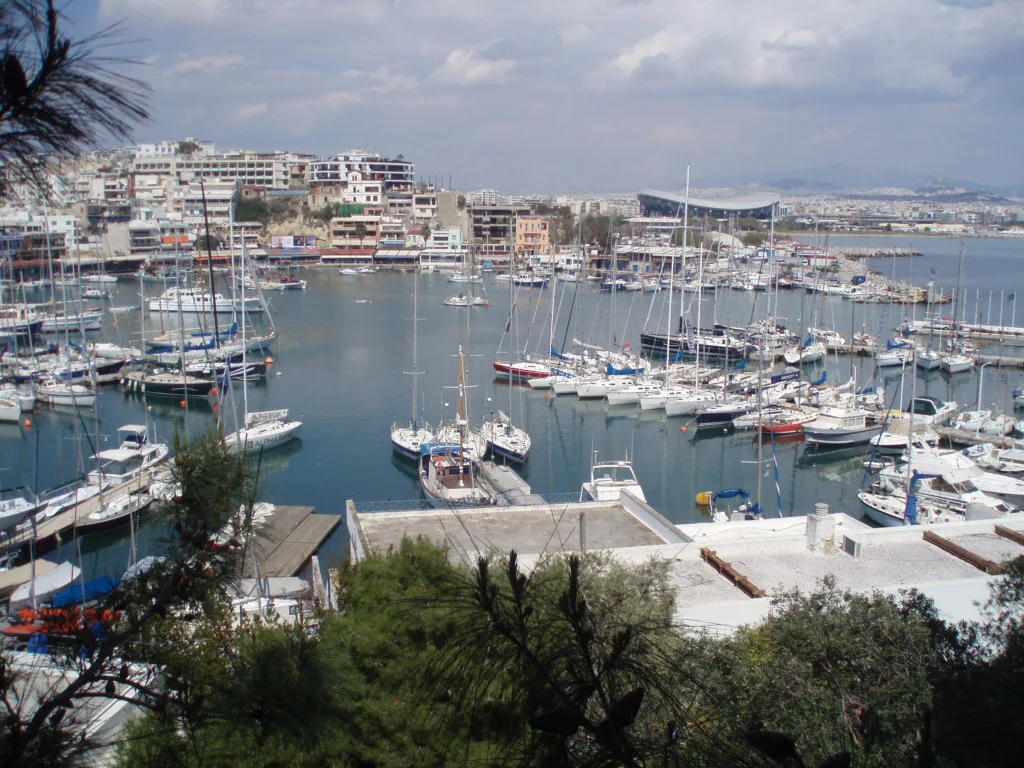
Navigating the Port: Safety for Late-Night Ferry Arrivals
Piraeus Port operates through numbered gates E1 through E10, spread across a wide stretch of coastline, so a late-arriving ferry can put you close to the metro entrance or a longer walk along the harbor road, depending on which gate your ship uses. Gate assignments are published on Piraeus Port Authority (OLP) gate maps and can change by sailing, so checking your ticket or the posted listings as you disembark helps you orient quickly instead of guessing. Port Police maintain a visible presence around the passenger terminals and ticket halls, which is one of the more reassuring parts of a late arrival, and the main routes between gates stay reasonably lit and populated as long as other ferries are still loading or unloading nearby. The streets just behind the terminal buildings — the industrial backstreets and warehouse rows — are quieter, dimmer, and not built for casual evening strolls; treat that stretch as a corridor to move through purposefully, and check the backstreet areas to avoid before planning a route from a specific gate. If your gate sits far from the metro or your accommodation, a short taxi or rideshare pickup directly outside the terminal is the simplest way to skip the least-lit stretches entirely.
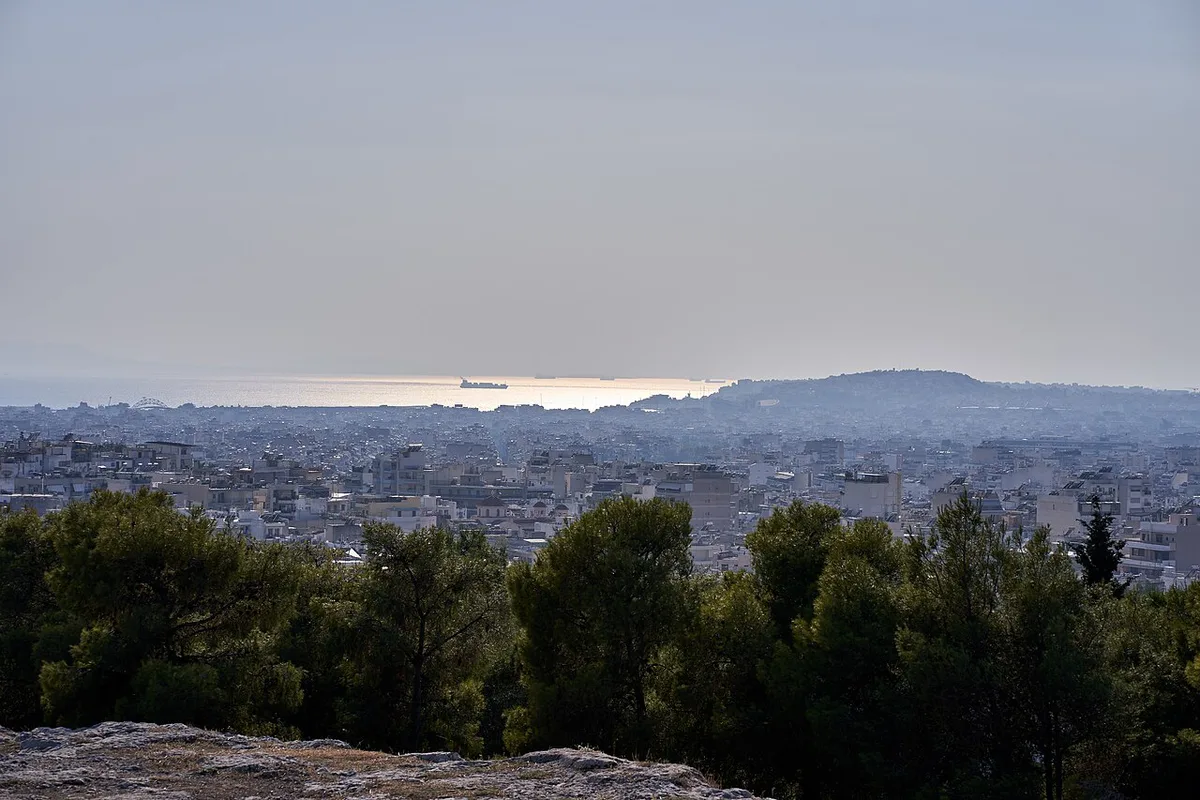
Public Transport vs. Taxis: Getting Around After Dark
Metro Line 3 (the Blue Line) connects Piraeus directly to central Athens and typically keeps running until around midnight on weekdays, with later last trains on Friday and Saturday nights — always confirm the current OASA-published schedule for your travel dates, since exact closing times shift with seasonal timetables and should not be treated as fixed. Inside the station and on the platform, the Piraeus metro stop is well-lit and monitored, making it one of the more comfortable late-night transit options while it is still running. For trips beyond the metro's operating hours, or when hauling luggage from a specific ferry gate, ride-hailing and taxis fill the gap: Uber in Greece functions as Uber Taxi, dispatching licensed taxi drivers rather than private cars, and FreeNow is a widely used local alternative app. For a deeper breakdown of how each option holds up after dark, see this public transport safety guide.
Arrivals before 11 PM may still catch Metro Line 3 to central Athens; later landings make booking app-based taxis (Uber Taxi, FreeNow) in advance more practical than attempting metro transfers or relying on street hailing, which is less reliable after midnight.
| Option | Availability After Dark | Editorial Safety Assessment | Best For |
|---|---|---|---|
| Metro Line 3 (Blue Line) | Runs into the evening, typically to around midnight on weekdays, later Fri/Sat; closed overnight | Well-lit, staffed stations; in our editorial assessment one of the more comfortable options while running | Direct Piraeus-Athens transfers before closing time |
| Uber Taxi | Available 24/7 via app dispatch of licensed taxis | Trip and driver logged in-app, which adds accountability | Late arrivals, luggage, door-to-door drop-off |
| FreeNow | Available 24/7 via app | Similar in-app accountability to Uber Taxi | Backup app when wait times run longer on one platform |
| Street-hailed taxi | Available near terminals and main roads, but less predictable after midnight | Insist the meter is running; higher scam exposure than app-booked rides | Backup option only, not the first choice late at night |
Neighborhood Safety Breakdown: Port, Mikrolimano, and Pasalimani
Nighttime character varies sharply across Piraeus's neighborhoods, and treating the whole city as one zone is the most common mistake late-arriving travelers make. The ferry-gate district itself is functional rather than charming after dark: most shops and services close early, foot traffic drops once the evening ferries clear out, and it is best treated as a transit zone to move through rather than a place to wander. A short distance away, Mikrolimano and Pasalimani (also known as Zea Marina) are genuinely pleasant after dark, lined with waterfront tavernas that stay lit, open, and populated well into the evening. Kastella, the hillside neighborhood above Mikrolimano, is quieter and more residential once you move off the main streets, so its smaller hill lanes reward a bit more attentiveness than the busy waterfront below. For a specific rundown of blocks worth skipping after dark, cross-reference the areas to avoid guide before finalizing a walking route.
- Ferry-gate district: bleak and quiet after dark; treat as transit, not a destination
- Mikrolimano: waterfront tavernas, well-lit and busy into the evening
- Pasalimani / Zea Marina: similarly relaxed and populated, good for a nighttime stroll
- Kastella: quieter residential hill streets, worth extra attentiveness after dark
Safety for Solo Female Travelers at Night
Solo female travelers generally find Piraeus manageable at night with the same precautions that apply across urban Greece: stick to the lit, populated routes around the metro and the marina neighborhoods, keep valuables secured on the walk between the ferry gates and transport, and prearrange a taxi or rideshare pickup rather than hailing on quiet stretches after midnight. Mikrolimano and Pasalimani's busy taverna scenes make them comfortable options for an evening out, while the emptier ferry-gate backstreets are worth skipping solo after dark in favor of the main terminal road. Confirming accommodation check-in logistics in advance matters more here than in a typical city stay, since a late ferry can mean navigating quiet streets to a hotel entrance well after midnight. The dedicated solo female travel safety guide covers accommodation vetting, transport booking, and neighborhood-specific advice in more depth.
- Book transport in advance rather than hailing rides on empty streets after midnight
- Favor Mikrolimano and Pasalimani for an evening out over the quieter port backstreets
- Keep bags and valuables secured on the walk between ferry gates and transport
- Confirm late check-in arrangements with accommodation before an evening arrival
Common Nighttime Scams & Risks to Watch For
The most frequently reported nighttime risk around the port is not violent crime — it is overcharging and unlicensed transport aimed at disoriented late arrivals. Unofficial taxi touts sometimes approach passengers exiting the ferry gates before they reach the official taxi rank, quoting flat fares well above a metered trip; walking past these offers to the marked taxi queue, or booking through Uber Taxi or FreeNow, sidesteps the issue entirely. A related pattern is the overly helpful stranger who offers to guide travelers to a hotel, bar, or transport option and then pressures for a tip or steers them toward a specific business; a polite, firm decline works in almost every case. Insisting the meter is running, or confirming the fare in-app before a ride starts, covers most of the transport-related risk described in the tourist scams guide, which is worth reading before an evening ferry arrival.
- Unlicensed taxi touts quoting flat fares near the ferry gates before the official rank
- Overly helpful strangers offering to guide you to a hotel or bar for a tip
- Street taxis that avoid running the meter after midnight
- Unsolicited luggage-carrying offers near the terminal exits
Practical Logistics: Luggage, Lighting, and Layout
Piraeus's layout works against travelers hauling luggage at night more than it works against safety directly: sections of the port-adjacent streets are cobbled or uneven, and rolling suitcases are noticeably harder to manage on the backstreets than on the main harbor-front avenues, which are wider, better paved, and better lit. Sticking to the primary roads that run along the water and toward the metro entrance means walking through the best-lit, most populated stretches of the port area, while side streets and shortcuts save a few minutes at the cost of dimmer lighting and thinner foot traffic. If accommodation sits more than a short, well-lit walk from the terminal or metro stop, arranging pickup — through the accommodation, Uber Taxi, or FreeNow — removes the guesswork of navigating an unfamiliar layout with bags in the dark. Daylight is also the easier time to get oriented: walking the route from a ferry gate to accommodation once during the day makes the same walk far more manageable if a return ferry lands after dark.
Summary: Decision Criteria — Stay in Piraeus or Head to Athens?
Whether to stay near the Piraeus port or push on to central Athens after a late ferry comes down mostly to arrival time. Landing before around 11 PM generally leaves Metro Line 3 still running on most schedules, and enough evening activity around the port and marina neighborhoods that either option is comfortable — staying near Mikrolimano or Pasalimani for a waterfront dinner is a reasonable choice at that hour. Arriving closer to 2 AM changes the calculus: the metro is very likely closed for the night, the ferry-gate area has thinned out considerably, and a booked taxi or rideshare direct to Piraeus accommodation is more practical than attempting the Athens transfer or a long walk. In either case, prearranging accommodation and confirming a transport option in advance, rather than deciding on arrival, is what actually determines how smooth a late-night landing in Piraeus turns out to be.
- Arrival before ~11 PM: Metro Line 3 likely still running; staying in Piraeus or transferring to Athens are both workable
- Arrival around midnight to ~2 AM: metro service is uncertain or closed; book a taxi or rideshare in advance
- Arrival after ~2 AM: plan on a booked ride directly to Piraeus accommodation rather than a transfer or long walk
Frequently Asked Questions
Is it safe to walk from the Piraeus ferry to the metro station at night?
For most gates, yes, as long as you stick to the main terminal roads: they stay reasonably lit and populated whenever ferries are still arriving or departing, and Port Police maintain a visible presence near the passenger halls. If your gate sits farther from the metro entrance or the route runs through quieter backstreets, a short taxi or rideshare hop is the simpler choice, especially with luggage.
Are there taxis available at Piraeus port after midnight?
Yes. Licensed taxis operate at the port around the clock, and Uber functions in Greece as Uber Taxi, dispatching licensed drivers through the app, with FreeNow as a widely used local alternative. Booking through an app rather than accepting an unsolicited offer near the gates is the more reliable option late at night.
Is Piraeus safer than central Athens at night?
Neither city should be treated as uniformly safe or risky — both have neighborhoods that feel comfortable after dark and others that call for more caution. Piraeus's port-adjacent streets thin out earlier than central Athens's nightlife districts, but waterfront neighborhoods like Mikrolimano and Pasalimani are genuinely pleasant in the evening, so the comparison depends more on the specific area than on the city as a whole.
What are the best-lit areas in Piraeus for walking after dark?
The main terminal roads around the ferry gates, the metro station approach, and the waterfront promenades at Mikrolimano and Pasalimani are the best-lit, most populated options for an evening walk. Side streets and the industrial backstreets behind the terminal buildings are dimmer and quieter, and are better covered by taxi than on foot.
Does Metro Line 3 run all night from Piraeus?
No — Metro Line 3 (the Blue Line) typically stops running around midnight on weekdays, with later last trains on Friday and Saturday nights, though exact closing times shift with OASA's seasonal timetable. Confirm the current schedule for your travel dates, and plan a taxi or rideshare for any arrival after the last train.