Is Piraeus Safe for Solo Female Travellers? A Local Safety & Logistics Guide
Last updated July 2026, and the short answer to whether is Piraeus safe for solo female travellers to visit or transit through remains yes, provided you plan around the port's logistics rather than avoid the city altogether. Piraeus carries a gritty, industrial reputation because it functions primarily as a working ferry port and cargo hub, but that reputation has more to do with aesthetics than with actual risk to visitors. The practical concerns solo women should weigh are less about violent crime and more about navigating a large transit hub with luggage, choosing the right neighborhood to base yourself, and knowing how to move confidently between the metro, the ferry gates, and your accommodation after dark.
Safety Overview: Is Piraeus Safe for Solo Female Travellers?
Piraeus is best understood as a major transit hub rather than a destination neighborhood, and that framing shapes how solo female travellers should think about safety here. The core advice echoed across traveler forums and the Piraeus safety overview is that the city warrants the same situational awareness you'd apply at any large European train station or port: stay alert with your belongings, avoid isolated stretches late at night, and lean on booked transport rather than wandering unfamiliar streets with luggage. The port itself is heavily trafficked and monitored by the Hellenic Coast Guard, and daytime movement around the metro station, ferry gates, and waterfront is generally straightforward. Where solo women should apply extra caution is during the low-traffic overnight hours around early ferry departures or late arrivals, when the port area can feel isolated even though it's not inherently dangerous.
Navigating Piraeus Port Safely: Gates E1 to E10
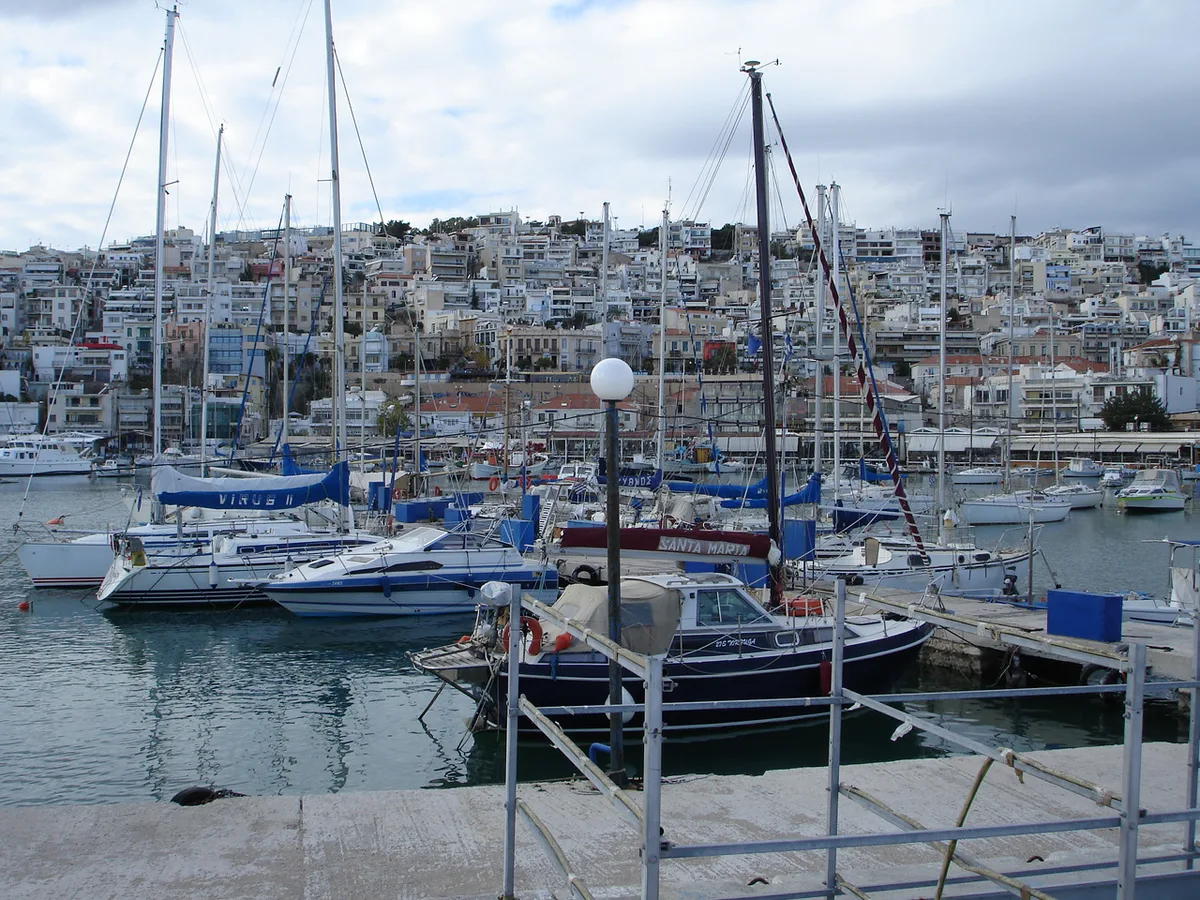
The Piraeus ferry port is organized into numbered gates (E1 through E10 or higher depending on current signage), and knowing roughly where your ferry departs from before you arrive saves you from wandering the perimeter alone with bags. Gates serving the Cyclades routes tend to sit in busier, better-lit sections of the port with more foot traffic and food kiosks nearby, while gates further from the metro exit serving longer-haul or Crete-bound routes can feel more industrial and sparsely populated, especially outside peak departure windows. A shuttle bus operates inside the port to connect the metro station area with the more distant gates, which is worth using instead of walking the full perimeter alone, particularly with heavy luggage. Confirm your gate number the night before departure via your ferry operator's app or ticket, since gate assignments can shift and scrambling to find the right one under time pressure is when solo travellers are most vulnerable to distraction-based pickpocketing.
- Gates closer to the metro exit generally see more foot traffic and better lighting than gates at the far ends of the port
- Use the in-port shuttle bus rather than walking the full length of the port alone with luggage
- Confirm your gate assignment in advance so you're not searching for signage under time pressure
- Keep ferry tickets, passport, and cards in a cross-body bag worn in front through the ticket-scanning queues
Safe Neighborhoods vs. Areas to Avoid
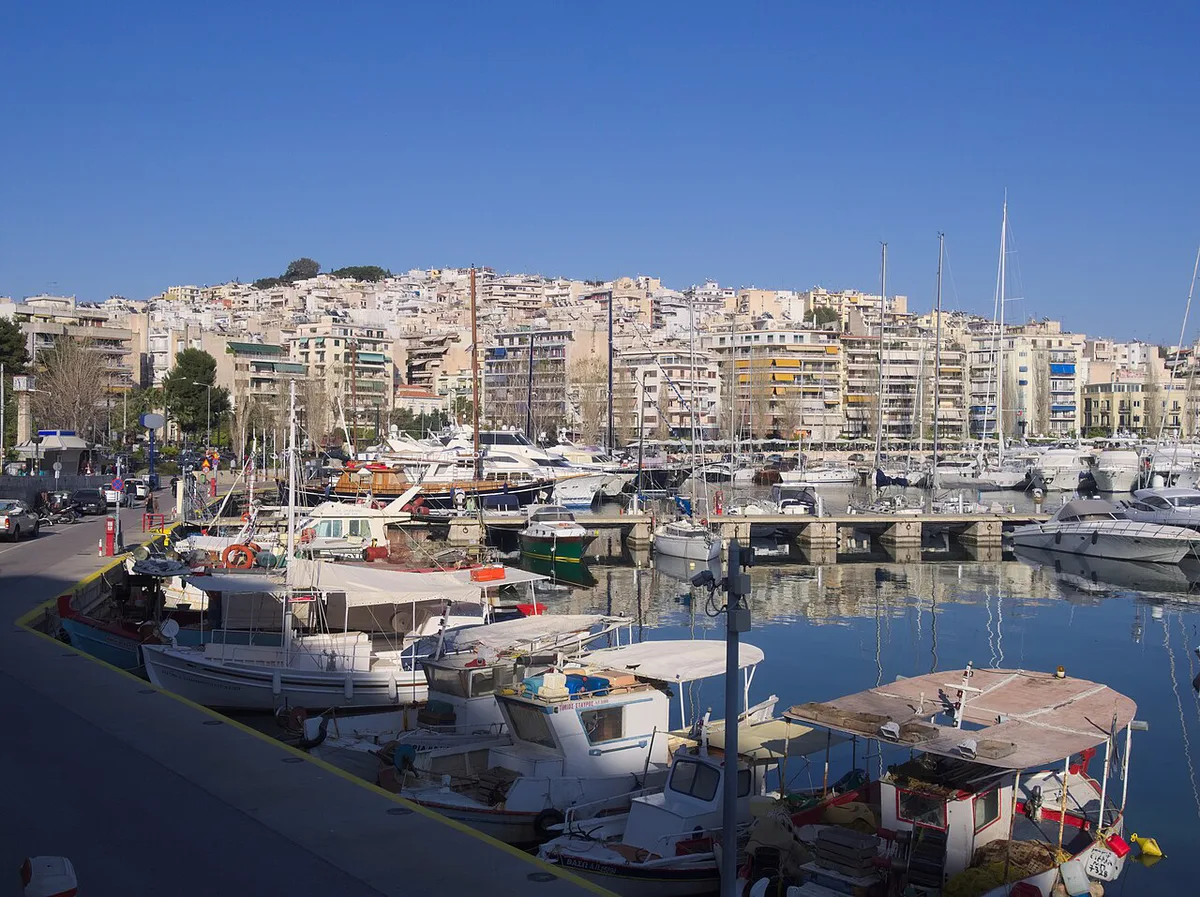
Piraeus is not one uniform zone, and the difference between the working port district and the residential marina neighborhoods is significant for solo female travellers choosing where to stay. Kastella and Pasalimani (also called Zea Marina) sit on a hill and waterfront just south of the main port, and both are scenic, residential, and comfortable to walk solo, with a marina lined by cafes and a much calmer pace than the ferry terminal area. Mikrolimano, the small fishing-boat marina nearby, offers the same upscale, low-key character with waterfront tavernas and evening foot traffic that feels safe and local rather than transactional. For a fuller neighborhood-by-neighborhood breakdown, including which pockets near the port to deprioritize after dark, see the guide to areas to avoid in Piraeus. As a general rule, the immediate zone hugging the port fence is functional rather than pleasant, and booking a stay in Kastella or Pasalimani instead puts you a short taxi or walk from the terminals while giving you a genuinely comfortable base.
Kastella and Pasalimani transform late-night arrivals from logistically fraught to manageable: staying in these neighborhoods instead of port-adjacent hotels means midnight ferries and 5 a.m. departures require only brief taxi rides, eliminating the solo dark-hour walks where distraction and pickpocketing peak.
- Kastella: hillside residential neighborhood, scenic and quiet, comfortable for solo walking
- Pasalimani (Zea Marina): waterfront cafes and a marina promenade, well-populated in the evenings
- Mikrolimano: small fishing marina with tavernas, low-key and locally used rather than tourist-heavy
- Immediate port-fence zone: functional and busy by day, best avoided for lingering after dark
Piraeus at Night: Tips for Late Ferry Arrivals
Arriving on a ferry at midnight or catching a 5 a.m. departure is the scenario that understandably worries most solo women researching Piraeus, and it deserves specific tactics rather than vague reassurance. The port and metro station area is well-lit and busy immediately around ferry arrival and departure times, since these coincide with large crowds of fellow passengers, but the surrounding streets thin out fast once the crowd disperses. For late-night or pre-dawn transit, booking a taxi or rideshare in advance rather than street-hailing is the single most effective precaution, since it removes the need to walk unfamiliar blocks alone and gives you a trackable route. If you're staying in Kastella or Pasalimani, the short ride from the port is inexpensive relative to the peace of mind it buys, and it's the approach recommended for anyone transiting with luggage during dark hours. For more on the specific streets and timing windows to be mindful of, see the dedicated guide on Piraeus safety at night.
- Book a taxi or rideshare app in advance for arrivals or departures before 7:00 AM or after 10:00 PM
- Stick to the main lit thoroughfares near the metro and port entrance rather than shortcuts through side streets
- Travel with a charged phone and your accommodation address saved offline in case of poor signal near the port
- Groups of fellow ferry passengers moving in the same direction are a natural safety buffer immediately after arrival
Public Transport Safety: Metro Line 1, Line 3, and the X96 Bus
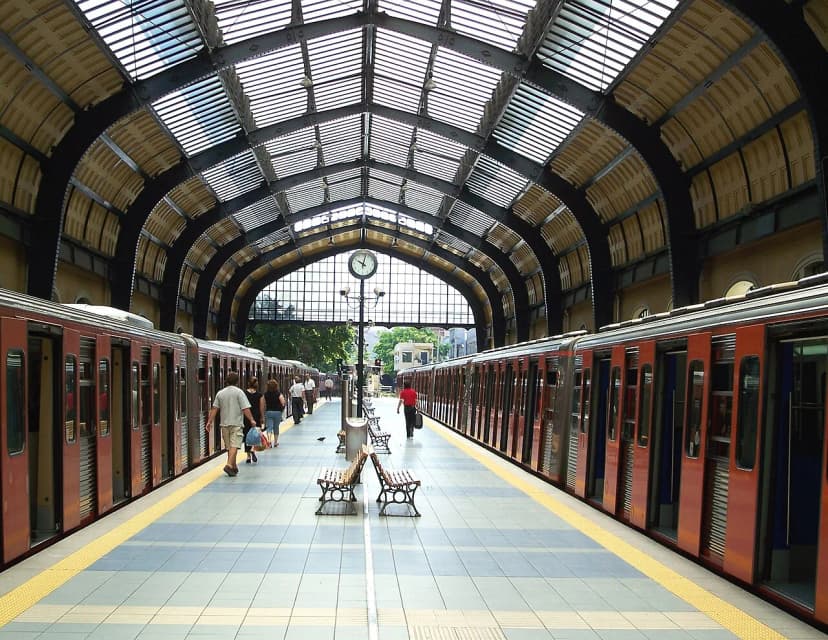
Piraeus station anchors both Metro Line 1 (the Green Line, running to central Athens and Kifissia) and connects toward Metro Line 3 (the Blue Line) services that reach Athens International Airport, making the metro the backbone of how most solo travellers move between the airport, the city, and the port. During daytime and early evening hours, the metro is a straightforward, well-used option and one of the safer ways to cover the airport-to-port distance without arranging a taxi. The X96 airport bus is the direct-route alternative connecting Athens International Airport straight to Piraeus port, useful if you land outside metro operating hours or prefer not to transfer lines with luggage. For the full breakdown of route frequencies, last-train timing, and which option suits an airport arrival versus a ferry connection, the Piraeus public transport safety guide covers the specifics. As with the port itself, transport is safe and reliable in daylight and evening hours, with the main caution being reduced service frequency and thinner platforms very late at night, when a taxi app is the more comfortable choice.
- Metro Line 1 (Green Line): direct connection between Piraeus and central Athens
- Metro Line 3 (Blue Line): connects toward Athens International Airport via transfer
- X96 bus: direct route between Athens International Airport and Piraeus port, useful outside metro hours
- Keep bags zipped and in view on crowded metro carriages, particularly during rush hour
Common Scams and Street Safety in Piraeus
Piraeus sees the same low-level opportunistic risks as any busy port city, with pickpocketing in crowded queues and around the ticket gates being the most commonly reported issue rather than anything more serious. Distraction techniques near ticket counters, overly persistent unofficial 'helpers' offering to carry bags for a fee, and inflated pricing from unlicensed taxi drivers who approach you directly rather than through a booking app are the scams worth knowing in advance. A cross-body bag worn in front, keeping your phone out of back pockets, and declining unsolicited help with luggage are enough to sidestep the vast majority of these situations. For a fuller rundown of scam patterns specific to the port and ferry queues, the Piraeus tourist scams guide is worth reading before you travel. None of this is unique to Piraeus among Mediterranean ports, and the same awareness you'd bring to any major transit hub applies directly here.
- Pickpocketing in ticket queues and crowded ferry-boarding lines is the most common issue reported
- Decline unsolicited offers to carry your luggage for a fee
- Use official taxi ranks or a booking app rather than accepting rides offered directly on the street
- Keep valuables in a zipped, cross-body bag rather than an open tote or backpack worn behind you
Solo Female Logistics: Should You Stay in Piraeus or Athens?
Whether to base yourself in Piraeus or commute in from central Athens comes down almost entirely to your ferry departure time. An early-morning ferry makes a Piraeus stay the more practical and less stressful choice, cutting out a pre-dawn taxi or metro ride from Athens with luggage in tow. If your ferry departs mid-morning or later, staying in Athens and taking the metro down on the day of departure works just as well and puts you closer to Athens' wider dining and sightseeing options the night before. The decision matrix below is a practical starting point for solo women weighing the trade-off.
| Ferry departure time | Recommended base | Why |
|---|---|---|
| Before 8:00 AM | Piraeus (Kastella or Pasalimani) | Avoids a pre-dawn commute from Athens with luggage |
| 8:00 AM to 12:00 PM | Either, slight edge to Piraeus | Metro ride from Athens is manageable but adds a buffer risk |
| After 12:00 PM | Athens | Comfortable metro or X96 connection on the day of travel |
| Overnight or after 10:00 PM arrival | Piraeus | Avoids a late-night transfer into central Athens with bags |
Practical Checklist for Solo Travellers in Piraeus
A short pre-departure checklist covers most of what solo female travellers need to move through Piraeus confidently, whether staying overnight or simply transiting for a ferry connection.
- Book accommodation in Kastella or Pasalimani rather than the immediate port-fence zone
- Confirm your ferry gate number the night before departure
- Save a taxi or rideshare app on your phone and book in advance for pre-7:00 AM or post-10:00 PM transit
- Keep tickets, passport, and cards in a zipped cross-body bag through queues and boarding
- Use Metro Line 1, Metro Line 3, or the X96 bus during daytime and early evening; switch to a booked taxi late at night
- Treat the port with the same situational awareness as any major European transit hub, not with heightened alarm
The 3-Block Rule for Piraeus Hotels
For solo female travellers booking an overnight before a ferry, use a simple three-block rule: avoid choosing a room directly on the port-front roads unless convenience is the only priority. The blocks closest to the ferry fence, ticket offices, and roads around Akti Miaouli and Akti Poseidonos are practical for departures, but they can feel noisy, traffic-heavy, and thin on normal street life after the ferry crowds clear.
A better compromise is to stay a few blocks back toward central Piraeus or, better still, south toward Pasalimani, Zea Marina, or Kastella. That keeps you close enough for a short taxi ride to Gates E7 or E8 in the morning, while putting your evening walk near cafes, apartment buildings, and better-lit local streets rather than loading zones and port traffic. Check the walking route on a map before booking: if it follows the port fence for most of the way, choose a different base or plan to use a taxi app.
Frequently Asked Questions
Is it safe to walk around Piraeus port at night?
The port area immediately around ferry arrival and departure times is busy and reasonably well-lit thanks to passenger crowds, but it thins out quickly afterward. For late-night or pre-dawn transit, booking a taxi or rideshare rather than walking the port perimeter alone is the safer, recommended approach.
Which area of Piraeus is best for solo female travelers to stay?
Kastella and Pasalimani (Zea Marina) are the top picks: both are scenic, residential, and comfortable to walk solo, with a marina promenade lined by cafes. Mikrolimano is a similarly low-key, upscale alternative with waterfront tavernas.
How do I get from Athens airport to Piraeus safely as a solo woman?
Metro Line 3 (Blue Line) connects toward Athens International Airport, and the X96 bus runs a direct route between the airport and Piraeus port. Both are reliable during daytime and evening hours; for very early or late transfers, a booked taxi or rideshare is the more comfortable option.
Are there pickpockets at the Piraeus ferry gates?
Pickpocketing in crowded ticket queues and boarding lines is the most commonly reported issue at the port. Wearing a cross-body bag in front, keeping your phone out of back pockets, and declining unsolicited help with luggage sidesteps the vast majority of these situations.
Is Piraeus safer than central Athens neighborhoods like Omonoia or Exarcheia?
Piraeus functions primarily as a transit hub with concentrated daytime crowds and quieter overnight stretches, which is a different risk profile than Athens' central nightlife districts. In our editorial assessment, the marina neighborhoods of Piraeus feel comparably calm to Athens' quieter residential pockets, while the immediate port-fence zone is more about logistics awareness than danger.