Piraeus Areas to Avoid: What Ferry Travelers Should Know
Last updated July 2026, this guide breaks down the Piraeus areas to avoid or approach with a bit of extra caution, separating genuinely high-caution spots from industrial backstreets that just look rough. Most of Piraeus is straightforward for ferry passengers and cruise travelers on a same-day transfer, but a handful of predictable pockets, the ferry gates during boarding rushes, the streets right around the ISAP/metro station after dark, and a few industrial fringes, reward a little extra awareness. Use it to plan where to walk, where to base a stopover, and when it makes sense to simply call a taxi.
The Quick Answer: Is Piraeus Safe, and Which Areas to Avoid?
In our editorial assessment, Piraeus is safe for the overwhelming majority of ferry passengers and cruise travelers passing through on a same-day transfer, and its rough-around-the-edges reputation is much more about looks than actual danger. That said, a short, honest list of Piraeus areas to avoid or handle with extra caution is worth knowing before arriving with luggage in tow. The concerns clustering around these spots are almost always petty theft, disorientation, or poor lighting rather than violent crime, and every one of them is easy to route around once it is mapped out in advance.
- The port and ferry-gate area during evening boarding rushes, when crowds and luggage make pickpocketing easiest
- The streets right around the ISAP/metro station once it gets dark
- Kaminia and Maniatika, industrial-fringe districts with little tourist infrastructure or lighting after dark
- Drapetsona, the port's industrial border zone, safe but disorienting to navigate on foot
Understanding Piraeus: Port, Marinas, and Neighborhoods
Piraeus is really several districts stitched together around one of the busiest passenger ports in the Mediterranean, and understanding the layout does more for a smooth stopover than memorizing a list of streets. The Commercial Port handles the island ferries and is where most travelers arrive and depart, spread across a long string of numbered gates. A separate Cruise Terminal serves larger ships a short walk or shuttle ride from the ferry gates. South of the commercial harbor, Marina Zea and the smaller Mikrolimano marina, also known as Pasalimani, are lined with yachts, cafes, and seafood restaurants, backed by the hillside residential neighborhood of Kastella. Much of the gritty feel that first-time visitors mention traces back to Piraeus's long history as a working industrial harbor, not to a spike in crime; container yards, warehouses, and transit infrastructure simply look different from a resort town, even in stretches that are perfectly ordinary to walk through in daylight.
Piraeus's reputation as rough reflects its working industrial harbor history, not actual danger patterns. Areas that feel dim and isolating—warehouses, backstreets after dark—were built for cargo and commuters, not visitors; concerns cluster around pickpocketing in crowds and poor visibility, not violent crime.
Vibe vs. Danger: What "Avoid" Really Means Here
It helps to separate two very different things that both get filed under avoid: genuine safety caution and simple industrial desolation. A block that feels unsettling because it is dim, empty, and lined with shuttered warehouses is not the same as a block with an actual pattern of trouble, and in Piraeus most of the areas on this list fall into the first category. The port gates during a boarding rush are a pickpocketing risk because of the crowd, not because the port itself is dangerous; the industrial fringe streets around Kaminia, Maniatika, and Drapetsona feel isolating because they were built for cargo and commuters, not visitors, not because anything specific tends to happen there. Treating avoid as shorthand for skip after dark or walk briskly through, rather than never go near, keeps the caution proportionate to the actual risk.
Piraeus Areas to Avoid or Approach With Caution
A handful of specific spots come up repeatedly for travelers researching Piraeus areas to avoid. None of them amount to a genuine no-go zone in daylight, but each is worth planning around, especially with luggage or after dark.
- Port gates E1 through E10 during boarding rushes: Ferry departures pull large, fast-moving crowds toward the gates, and busier island routes tend to load through gates commonly cited as the E7 to E9 cluster. The crush at boarding time is prime territory for opportunistic pickpocketing, and the immediate port and ferry-gate area is not a place to linger with luggage once it gets dark.
- Streets right around the ISAP/metro station after dark: The blocks directly surrounding the station quiet down fast once nearby shops close for the night, and low lighting makes them feel more isolated than they typically are in daylight.
- Kaminia and Maniatika: These residential and industrial-fringe districts sit inland from the port and were never built with tourism in mind. Streets are dim and largely empty after dark, which reads as unsettling even where nothing is actually happening.
- Drapetsona: The transition zone where the port gives way to industrial land is generally safe but genuinely confusing to navigate on foot, and it offers little reason for a traveler to be there in the first place.
- Backstreets one or two blocks inland from Akti Miaouli: The main harbor-front thoroughfare stays busy and well lit into the evening; the narrow side streets just behind it thin out fast once the shopfronts pull their shutters down.
Getting Around Safely: Metro, Walking, and Taxis
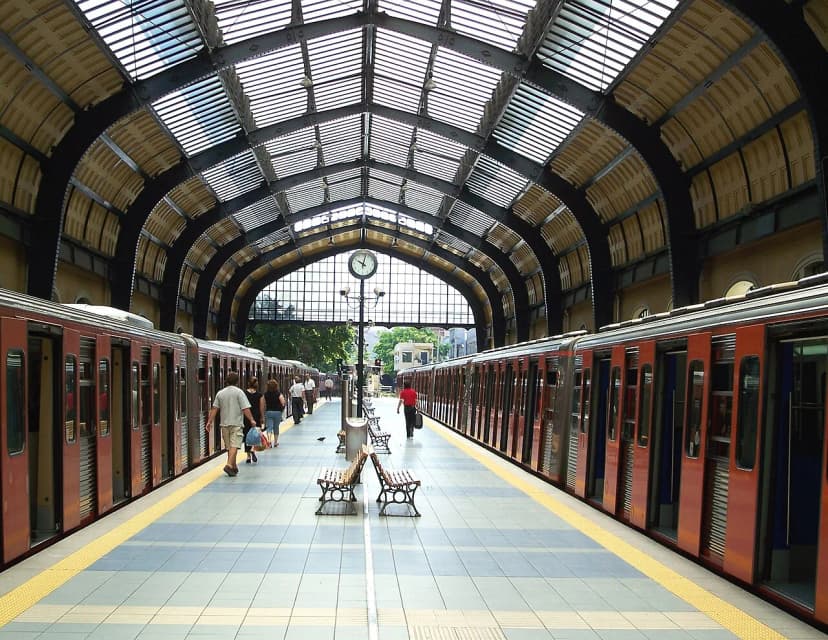
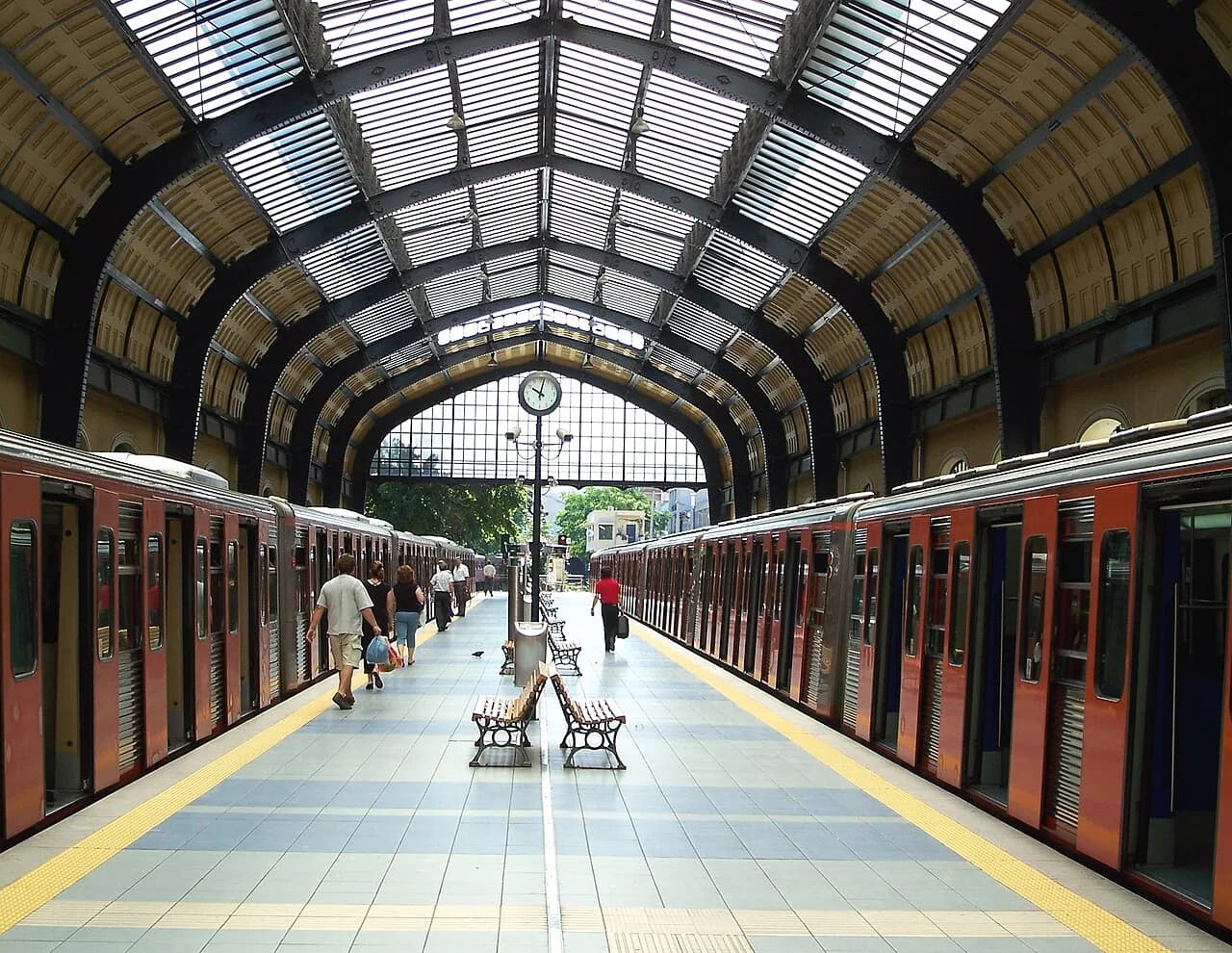
Getting the transport logistics right does more to keep a Piraeus stopover smooth than avoiding any single street. Metro Line 1, the Green Line operated by ISAP, has connected Piraeus to central Athens for decades and remains the standard route in from Monastiraki or Omonia. Metro Line 3, the Blue Line, has since been extended into Piraeus with an additional station, and that expansion has materially changed foot traffic patterns around parts of the port that used to empty out and feel isolated late at night; more exits and more people moving through generally means more eyes on the street. For a full comparison of the two lines and what to expect getting off at each stop, see the public transport safety breakdown. As a rule of thumb, walking is fine on the main thoroughfares in daylight, but once dusk falls, or when moving between the metro and a hotel with a heavy bag, booking a short ride through FREENOW or Beat, Greece's Uber-style taxi apps, is worth the fare. For a fuller rundown of what changes once the sun goes down, see the dedicated guide to Piraeus after dark.
Metro Line 3's recent Piraeus extension added foot traffic that materially improved safety perceptions in previously isolated areas late at night. Marina Zea, Pasalimani, and Kastella remain well-lit, walkable bases with evening restaurants and cafes, though staying there means roughly a 10-minute taxi ride to early-morning ferry departures instead of a port-adjacent hotel's few-minute walk.
Where to Stay Instead: Safer, Walkable Bases
Travelers who want a genuinely relaxed base, rather than a room booked purely for ferry-gate proximity, tend to do best in the waterside neighborhoods south of the commercial port. Marina Zea and Pasalimani (Mikrolimano) are walkable, well lit, and lined with restaurants and cafes late into the evening, and the hillside district of Kastella above them is a quiet, residential, well-regarded base with harbor views. The trade-off is logistical rather than a safety one: staying in one of these premier safe, walkable zones can mean a roughly 10-minute taxi ride down to the ferry gate for an early-morning departure, rather than the few-minute walk a port-adjacent hotel would offer.
Safety Advice by Traveler Type
Solo female travelers generally report Piraeus as manageable, provided the same port-area caution above applies: stick to lit, populated routes between the metro and a hotel, and treat the gate crowds at boarding time as a moment to keep a bag zipped and close rather than a place to linger. The dedicated guide to solo female travel safety covers this in more depth, including how to handle late arrivals and early departures. For the fuller citywide picture beyond just the areas to avoid, including how Piraeus compares with central Athens more broadly, the general Piraeus safety overview is the place to start.
Common Scams and Petty Crime to Watch For
Most of what travelers run into in Piraeus is petty and avoidable rather than dangerous, and it clusters around the same ferry-gate crowds already flagged above. The most common pattern is a helpful stranger who offers to assist with buying ferry tickets or carrying luggage near a kiosk, then demands payment or steers the purchase toward a worse deal; anyone not wearing a clearly official uniform or badge should be treated as freelancing, not staffing the port. The full rundown of these patterns, including how to spot them before money changes hands, is covered in the guide to common Piraeus ferry scams.
- Unsolicited ticket 'help' from anyone without a visible official badge or uniform
- Unofficial luggage porters who grab bags first and negotiate payment after
- Crowded gate boarding calls, prime timing for opportunistic pickpocketing
Cruise Terminal vs Ferry Gates: Different Caution Zones
Cruise passengers should not treat the Piraeus Cruise Terminal and the island ferry gates as the same safety environment. The cruise berths sit on the outer side of the main harbor, closer to the Terminals A and B area, while most island ferry movement concentrates farther around the numbered gates near the metro and Akti Miaouli. The cruise side is usually more controlled and less chaotic, but it can feel empty once organized tour buses and shuttle traffic leave.
If you are walking from a cruise ship toward central Piraeus, stay on the signed harbor roads and main waterfront route rather than cutting inland through service roads or warehouse edges. For Marina Zea, Pasalimani, or Kastella, a short taxi is usually simpler than trying to thread together backstreets on foot, especially after dark or with luggage. The main caution is not violent crime; it is poor orientation, long port distances, and isolated industrial stretches between tourist-facing areas.
For trip-planning details, see US State Department Greece travel advisory.
Frequently Asked Questions
Is it safe to walk from the metro to the ferry gate at 5:00 AM?
Early departures are common in Piraeus since many island ferries board before sunrise, and in our editorial assessment the main routes between the metro exits and the port gates are generally fine to walk, since staff and other travelers are already moving through by then. If luggage is heavy or the route crosses any of the quieter backstreets flagged above, a short FREENOW or Beat ride removes the guesswork.
Are there true no-go zones in Piraeus for tourists?
No single neighborhood in Piraeus should be treated as strictly off-limits. The areas worth extra caution, the port gates during boarding rushes, the streets right around the ISAP/metro station after dark, and industrial fringes like Kaminia, Maniatika, and Drapetsona, are better described as poorly lit or non-tourist rather than dangerous.
Which ferry gate is the most crowded or chaotic?
Crowding shifts with the sailing schedule, but the gates handling the busiest island routes, commonly cited as the E7 to E9 cluster, tend to see the heaviest crush during peak boarding windows. That crowd density is exactly when pickpocketing risk rises, so it is worth keeping bags zipped and close regardless of which gate a ferry is boarding from.
Is Kastella a safe place to stay?
Yes. Kastella, along with Marina Zea and Pasalimani, is one of the premier safe, walkable bases recommended for travelers in Piraeus. The main trade-off is logistical: expect roughly a 10-minute taxi ride down to the ferry gate for an early-morning departure rather than a short walk.
Has the new metro line changed which parts of Piraeus feel safer at night?
Yes, to a meaningful degree. The expansion of Metro Line 3, the Blue Line, into Piraeus added another station and shifted foot traffic patterns in spots near the port that used to empty out and feel isolated late at night. More people moving through an area after dark generally makes it feel less isolated, though the same port-area caution still applies.