
Piraeus Tourist Scams: How to Stay Safe at Greece's Busiest Port
Last updated July 2026, this guide breaks down the Piraeus tourist scams most likely to affect ferry passengers moving between the port gates, the Metro, and the taxi ranks. Piraeus is Greece's busiest passenger port, and its chaotic foot traffic creates ideal cover for fake-police wallet checks, taxi overcharging, and kiosk-side pickpocketing rather than anything violent. Use the red-flag checklist and gate-by-gate notes below to move through the port with confidence, whether you're transiting for a few hours or staying nearby overnight.
Is Piraeus Safe for Tourists? The Quick Answer
For the millions of travelers who pass through Piraeus on the way to a Greek island, the honest answer is that the port is safe in the sense that matters most: violent crime against visitors is rare, and the overwhelming majority of ferry transits happen without incident. The real risk sits in a narrower band, opportunistic street scams, overcharging, and pickpocketing, that thrive in the crowded, high-turnover chaos around the ferry gates, the Metro entrance, and the taxi rank. That chaos is the catalyst: long queues, confusing signage, and travelers juggling luggage and boarding passes create exactly the distraction scammers rely on. For a broader look at how Piraeus compares to the rest of Athens on safety, see this broader Piraeus safety overview. If a late-arriving ferry means moving through the port after sunset, it's worth reading the separate breakdown of nighttime safety in Piraeus before you land, since the same streets carry a different risk level once the daytime crowds thin out.
While violent crime is rare, two ferry-gate clusters create concentrated scam risk. E1 and E7/E8 handle the busiest routes, generating the dense crowds where touts, unofficial porters, and pickpockets thrive. These gates concentrate the chaos that enables scammers to operate effectively.
The Most Common Piraeus Tourist Scams to Watch For
Piraeus tourist scams tend to follow a small set of well-worn scripts rather than anything elaborate, which makes them easy to recognize once you know the pattern. Most rely on a stranger inserting themselves into a routine moment, buying a ticket, checking a wallet, walking toward the Metro, and using politeness or false authority as cover. The same crowded corners where these approaches happen are also where unwanted attention toward women travelers tends to cluster, so it's worth pairing this list with the dedicated safety tips for solo women before you arrive.
Most scams here follow the same pattern: a stranger makes a claim to extract money or access. The unified defense is independent verification: confirm taxi rates at the rank, ferry status with company screens, and police credentials at staffed offices rather than trusting street claims.
- The fake police routine: a man in plainclothes or a loosely convincing uniform flashes a badge and asks to inspect your wallet or passport for counterfeit currency. Genuine Greek police rarely approach tourists for spontaneous wallet checks; ask to see identification and walk to a staffed port office or ticket window rather than handing anything over on the street.
- The helpful local at the ticket kiosk: someone offers unsolicited help using the automated ferry or Metro ticket machine, then pockets your change or coaches a second person to slip a hand into your bag while you're distracted. Decline unsolicited help at ticket machines and keep your bag zipped and in front of you.
- The friendship bracelet or flower approach: near the Metro station entrance and other high-footfall corners, someone ties a bracelet onto your wrist or presses a flower into your hand before demanding payment for it. Keep your hands to yourself and keep moving if someone reaches toward you unprompted.
Transportation and Taxi Scams Near the Port
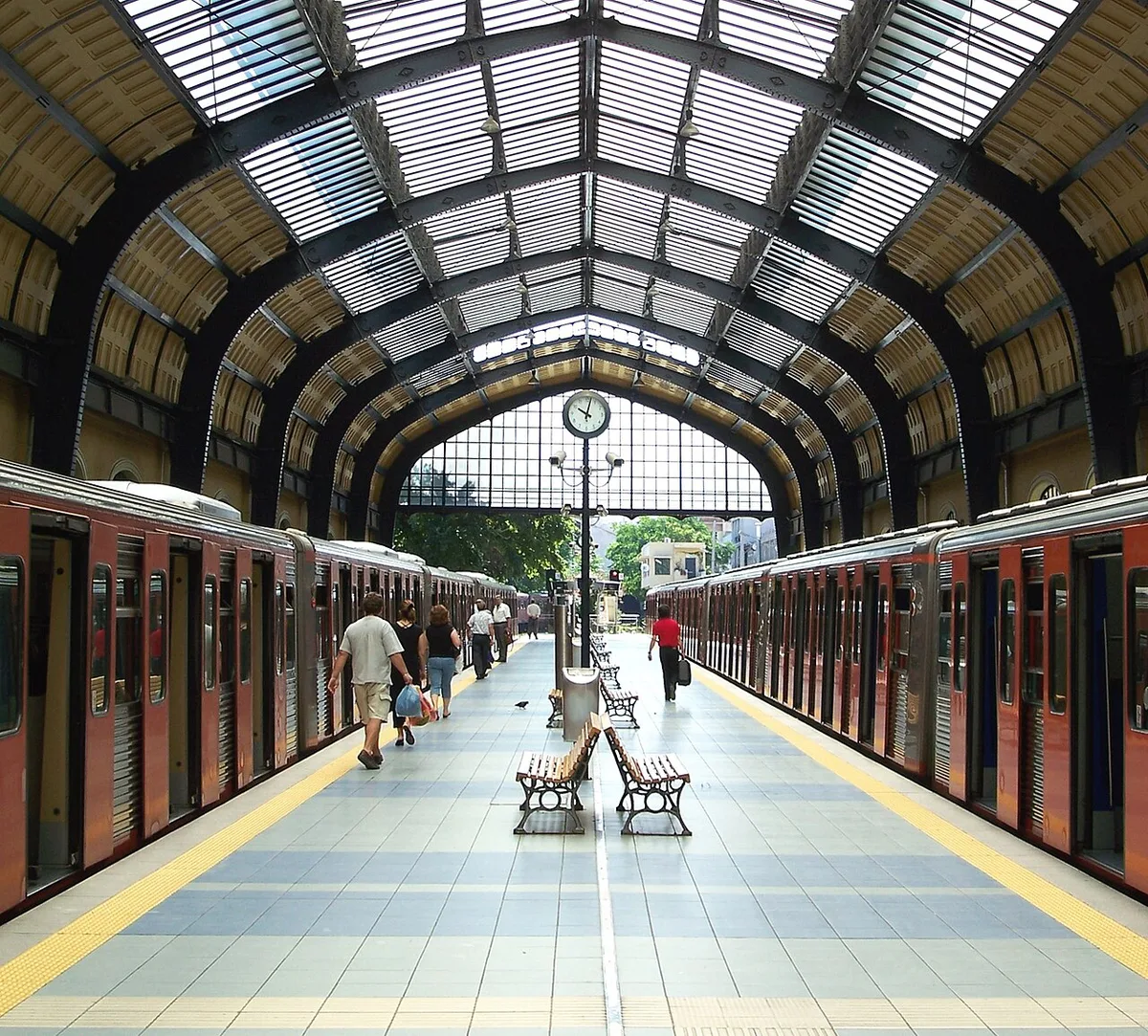
The stretch between the ferry gate and your accommodation or the airport is where money changes hands fastest, and it's where most cash-related Piraeus tourist scams actually happen. Two taxi-specific patterns come up repeatedly. The first is fixed-rate fraud: a driver refuses to run the meter for a trip that should be metered, or quotes a flat fare well above the officially posted rate for standard routes such as Piraeus to central Athens. Confirm before getting in whether your trip qualifies for a fixed fare or should be metered, and check the current rate card posted at the taxi rank rather than trusting a driver's verbal quote; Greece's fixed inter-city and airport fares are adjusted periodically, so the 2026 figures should be verified at the rank itself rather than assumed from an old source. A metered ride-hailing app such as Beat is a reliable way to sidestep the negotiation entirely. The second pattern is the "ferry is cancelled" lie, where a driver or unofficial agent near the gates claims your scheduled sailing has been delayed or cancelled in order to steer you toward an expensive private transfer or a specific hotel. Verify any cancellation claim directly with the ferry company's own screens or staff inside the terminal before believing a stranger outside it. On the Metro, Line 1, the Green Line connecting Piraeus to Monastiraki and central Athens, sees targeted pickpocketing in the crush of boarding, particularly when carriages are packed with luggage-laden travelers; keep bags in front of you and valuables zipped away rather than in outer pockets. For a fuller rundown of safe practices across buses, the Metro, and the tram network, see this safety tips for public transit.
Red-Flag Checklist: Is This a Piraeus Scam?
Use this quick reference when a stranger's behavior feels slightly off but you're not sure whether it's routine port chaos or an active scam attempt. In every scenario below, the safer move is to disengage, walk toward staffed terminal counters, and verify independently rather than trust the person in front of you.
| Situation | Likely legitimate | Likely a scam |
|---|---|---|
| Someone claims to be police and wants to check your wallet on the street | Uniformed officer shows ID on request and directs you to a station rather than inspecting cash by hand | Plainclothes or loosely uniformed stranger wants to physically handle your wallet or cash |
| A stranger offers to help at a ticket machine | Port or Metro staff wearing visible identification at an information desk | Unaffiliated person hovering near machines, offering unsolicited help, standing close during payment |
| A driver quotes a taxi fare to central Athens or the airport | Meter running, or a flat fare matching the officially posted rate card at the rank | Refuses the meter, quotes a price well above the posted rate, or won't show the rate card |
| Someone says your ferry is delayed or cancelled | Confirmed only via the ferry company's own screens, staff, or app inside the terminal | A driver, tout, or unofficial agent outside the terminal makes the claim |
| Someone ties a bracelet on you or hands you a flower near the Metro | This does not happen as a genuine free gift in this context | Followed by a demand for payment |
ATM and Digital Security Risks in Piraeus
Card and cash security in Piraeus follows the same rules as anywhere in Greece, with one added wrinkle: the sheer number of standalone, brightly branded ATMs clustered around the port and ferry terminal exits. Independent, non-bank ATMs in tourist-heavy transit zones often carry markedly higher withdrawal fees and worse exchange rates than machines attached to an actual bank branch. Where possible, withdraw cash from an ATM physically attached to a recognized branch, such as Piraeus Bank or Alpha Bank, rather than a freestanding machine in the terminal concourse, and check the fee screen before confirming any withdrawal. Piraeus Bank, the financial institution, is unrelated to Piraeus, the port city; its own security guidance focuses on phishing, vishing, and smishing attempts against e-banking customers rather than street-level scams, but the underlying advice transfers well to the road: don't act on an unsolicited call or text claiming a problem with your card, and verify independently through an official number rather than one given to you in the message itself. Public wifi at the ferry terminals is convenient but unsecured; avoid logging into banking apps or entering card details over open terminal wifi, and use a VPN if you need to handle anything sensitive before boarding.
Neighborhoods and Areas to Watch
Piraeus is not a uniformly gritty port town, and treating the whole municipality as one risk zone leads to needless caution in some spots and not enough in others. Marina Zeas and the Kastella hillside above it are genuinely pleasant, with a walkable marina, cafes, and residential streets that see little of the port's scam activity, making the area a reasonable base for an overnight stay. The risk profile shifts closer to the main commercial port itself and its more industrial back streets, especially after dark, where the port's daytime crowds thin out and the environment feels correspondingly less looked-after. This guide's companion breakdown of specific pockets to avoid maps those streets in more detail, and it's worth reading alongside the port's daytime scam patterns above rather than in isolation, since blocks that are simply busy at 2 p.m. can feel very different by 11 p.m.
Navigating the Port Gates Safely: E1 to E10
The Piraeus passenger port is organized into a run of numbered gates, E1 through E10, and scam exposure varies noticeably depending on which one your route uses. Gate E1, serving Crete and Dodecanese routes, and the E7/E8 cluster, serving Saronic Gulf and Cycladic island routes, are among the busiest and consequently the most popular with touts offering to "help" carry bags, unofficial porter services, or off-the-books transfers. Treat any offer to carry your luggage or "find" your ferry from someone not wearing an official uniform or working from a staffed counter as a scam attempt rather than a courtesy, and confirm your gate and departure time on the electronic boards or with terminal staff instead of a stranger on the quay.
- Official shuttle buses connecting the Metro station to the more distant gates are run by the port authority or ferry operators directly; look for marked stops and posted schedules rather than following someone offering a "faster" pickup point.
- Use official lockers inside the terminal buildings where they exist, or a storage counter run by a recognized ferry operator, rather than an unmarked shopfront near the gates offering to watch bags for a fee, since there is no accountability if items go missing from an informal setup.
- At the busier E1 and E7/E8 clusters especially, keep boarding passes and passports in a zipped inner pocket rather than a hand or shoulder bag during the final crush toward the gangway.
What to Do If You're Scammed in Piraeus
If a scam succeeds, or you simply want to report suspicious behavior before it happens to someone else, contact the Tourist Police at 171, a dedicated national line set up specifically to handle these situations in English alongside Greek. For anything involving the port itself, such as an unofficial porter or transfer operator working the gates, the Piraeus Port Authority maintains staffed offices within the terminal complex and is the right first stop, since port-specific complaints often move faster through the authority than a general police report. For theft or fraud that happens beyond the port grounds, the nearest local police station can take a formal report, which is typically required if you need documentation for a travel insurance claim. Keep a note of the gate number, approximate time, and any description of the person involved; specifics matter more than a general description once a report is filed.
Cruise Terminal vs Ferry Dock Scam Hotspots
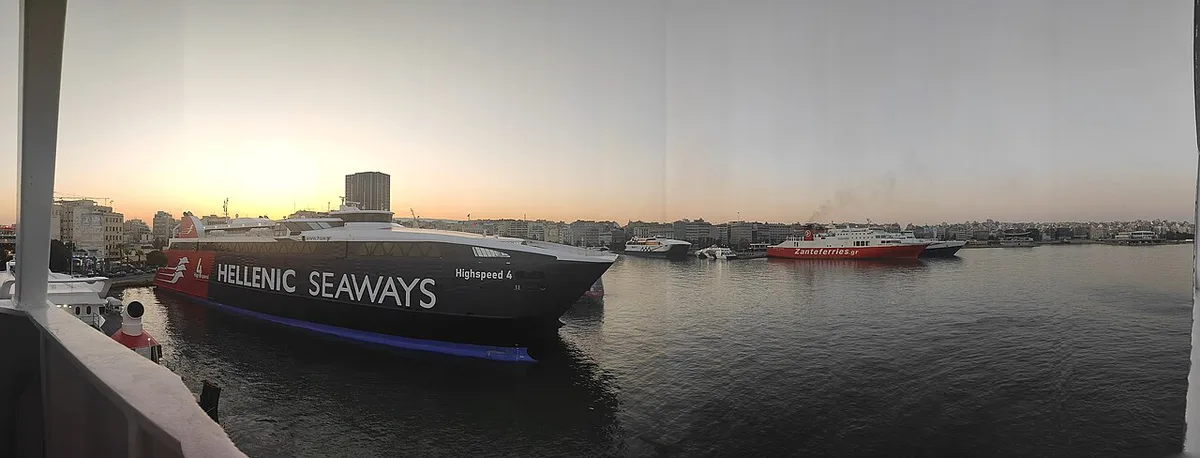
The scam pattern is slightly different if you arrive at the Piraeus cruise terminals rather than the island ferry gates. Cruise passengers usually exit through the terminal area near Akti Miaouli and Akti Xaveriou, farther from the Metro than the E7/E8 ferry cluster. That distance creates more pressure to accept the first taxi or private-transfer offer outside the terminal, especially from anyone claiming the official queue is “too long” or that central Athens is difficult to reach without a prebooked car.
At the local ferry docks, the bigger risk is confusion during boarding: people hovering near E1, E7, and E8 may offer luggage help, gate directions, or ticket-machine assistance. At the cruise terminal, be more cautious with unofficial Athens “tours,” port-to-Acropolis transfer pitches, and drivers who approach before you reach the signed taxi rank. Use the cruise terminal information desk, official taxi line, or clearly marked hop-on/hop-off and shuttle stops rather than following someone across the road to an unmarked vehicle.
Frequently Asked Questions
Is Piraeus safe for tourists in 2026?
For transit travelers passing through for a few hours, yes in the sense that violent crime is rare; the practical risk is opportunistic scams and pickpocketing around the ferry gates, Metro, and taxi rank rather than anything more serious. Travelers staying overnight should factor in how the risk profile shifts after dark in the busier port-adjacent streets.
What is the fake police scam in Piraeus?
A stranger in plainclothes or a loosely convincing uniform claims to be a police officer and asks to inspect your wallet or passport for counterfeit currency. Genuine Greek police rarely approach tourists for spontaneous wallet checks on the street, so ask to see identification and head toward a staffed office rather than handing over cash or documents.
How much should a taxi from Piraeus to central Athens cost?
Athens has officially posted flat and metered rates for standard routes like Piraeus to the city center, and these figures are adjusted periodically, so confirm the current rate card at the taxi rank itself before departure rather than trusting a driver's verbal quote. Insisting on the meter, or using a transparent ride-hailing app such as Beat, avoids the negotiation entirely.
Is the Piraeus Metro safe for luggage and pickpockets?
Metro Line 1 between Piraeus and Monastiraki is a normal and widely used way to reach central Athens, but the crush of boarding with luggage makes it a target spot for pickpocketing. Keep bags zipped and in front of you, and keep valuables out of outer pockets during the busiest boarding moments.
What number should I call if I'm scammed in Piraeus?
Call the Tourist Police at 171 to report a scam or suspicious behavior; for issues specific to the port itself, such as an unofficial porter or transfer operator, the Piraeus Port Authority's staffed office inside the terminal is also a direct point of contact.


