Is Parma Safe? What Travelers Need to Know in 2026
Last updated June 2026 — if you are wondering is Parma safe for an upcoming trip, the short answer is yes: this affluent food capital in Emilia-Romagna sits among Italy's calmer, wealthier provincial cities, and its elegant historic centre stays relaxed well into the evening. The realistic risks here are the ordinary ones familiar from any well-visited Italian city, including pickpocketing in crowded piazzas, opportunistic bag-snatching near the train station, and bicycle theft rather than anything violent. This guide breaks down which neighborhoods suit which kind of traveler, where to stay a little more alert, and how Parma's safety profile compares with bigger regional hubs like Milan and Bologna.
Quick Answer: Is Parma Safe for Travelers in 2026?
In our editorial assessment, Parma ranks among the more relaxed and lower-stress Italian cities to visit, especially compared with larger tourist magnets such as Rome, Milan, or Naples, where pickpocketing and crowd-based scams are far more concentrated. Parma's compact historic centre, built around the Duomo di Parma and Piazza Garibaldi, functions as a genuine daily life space for residents, not just a tourist backdrop, which tends to keep foot traffic steady and streets watched over throughout the day. Violent crime against visitors is rare and not something the average traveler needs to plan around. The more realistic concerns are petty and largely avoidable: distracted-tourist pickpocketing in busy squares and markets, unattended bags at outdoor cafés, and bicycle theft, which is arguably the most common property crime in a city where cycling is part of everyday transport. None of this should discourage a visit; it simply means treating Parma with the same sensible street awareness worth applying anywhere in urban Italy.
Safest Neighborhoods for Every Type of Traveler
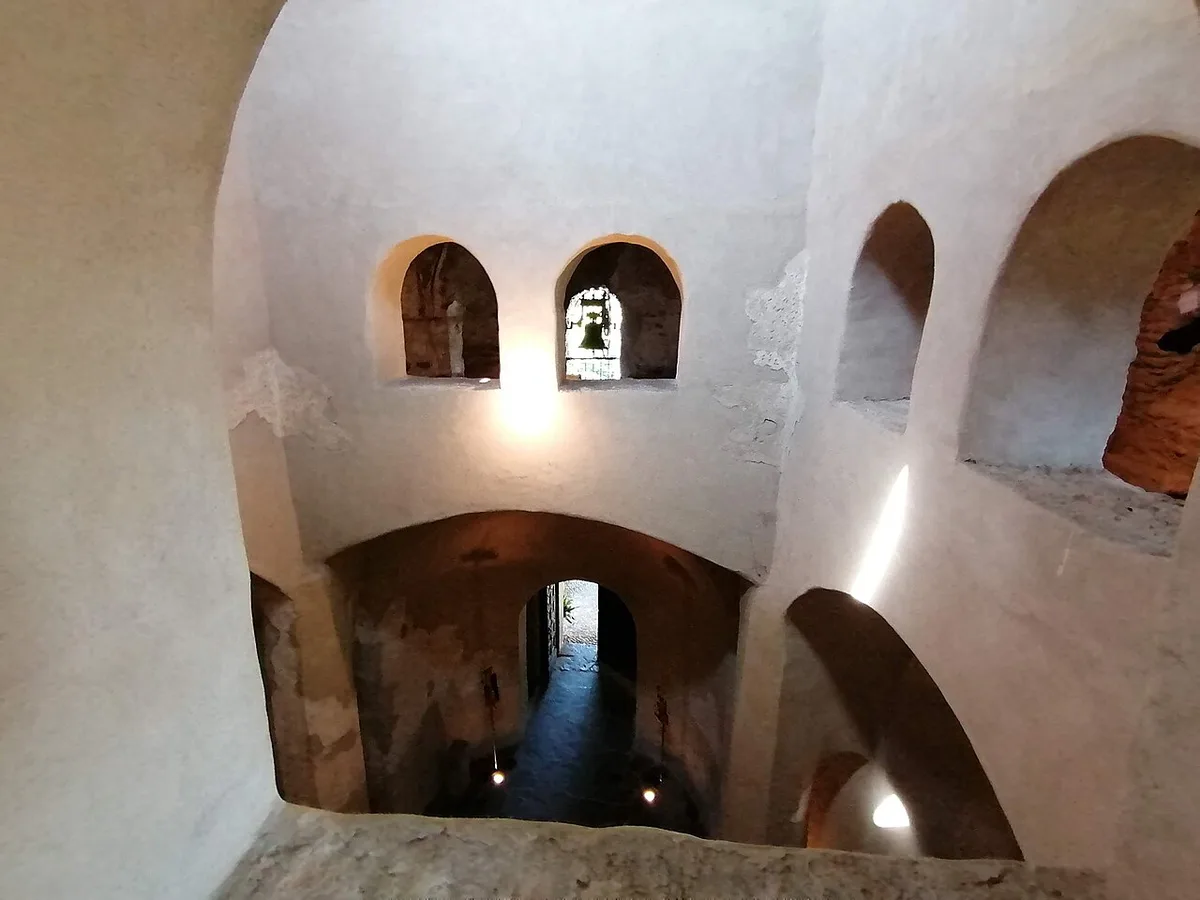
Where to base a stay in Parma affects both convenience and how safe a trip feels day to day, and different neighborhoods genuinely suit different travelers. The Centro Storico, anchored by the Duomo di Parma and the grand Piazza della Pilotta, is the most walkable and closely watched part of the city, with restaurants, shops, and pedestrian traffic keeping streets lively from morning into the evening. Staying inside this core historic area typically costs more than staying further out, but the premium buys walkability, proximity to well-lit and well-populated streets, and less reliance on transport after dark. Areas bordering Parco Ducale and the Oltretorrente riverside are quieter and greener, popular with families and anyone wanting a slower pace without giving up easy access to the centre.
- Foodies and first-time visitors: Centro Storico around the Duomo di Parma and Piazza Garibaldi, for walkability and constant foot traffic
- Families: streets bordering Parco Ducale, close to green space and calmer residential blocks
- Longer stays and return visitors: residential hubs around Via D'Azeglio, quieter and more budget-friendly than the historic core
- Couples and culture-focused travelers: the Piazza della Pilotta area, close to museums and evening dining
Where to Stay Alert: The Station Area and Beyond
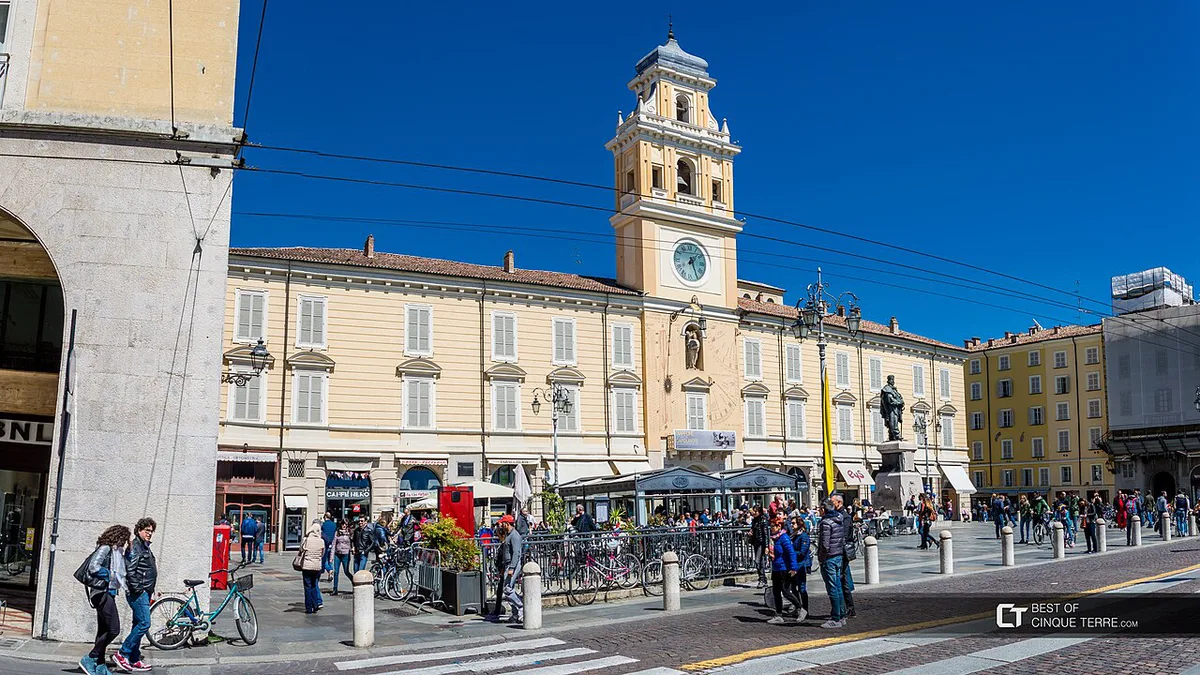
The clearest vibe shift in Parma sits around Parma Railway Station compared with the polished elegance of Piazza della Pilotta and the Centro Storico. The station area is functional rather than picturesque, with more transient foot traffic, and it is the part of the city where opportunistic theft is more likely to target an unattended bag or a phone left on a café table. This does not make the area dangerous in a violent sense; it simply calls for the same caution any transit hub deserves. For a full breakdown of specific streets and pockets worth extra awareness, see this guide to neighborhoods to avoid in Parma. A common and entirely avoidable mistake is leaving valuables visible in a parked car or draped over a chair while dining outdoors in a busy piazza; keep bags on laps or looped through a chair leg, and never leave phones or wallets on an outdoor table unattended, even for a moment.
Unlike the station's transient foot traffic, the Centro Storico and areas bordering Parco Ducale see steady evening activity that naturally supports safety. Choosing accommodation in these neighborhoods mitigates the station area's higher petty-theft risk while maximizing walkable, well-populated streets after dark.
Getting Around: Buses, Taxis, and Walking
Parma's historic centre is compact enough that most visitors will do the bulk of their sightseeing on foot, which is also the safest and most efficient way to move between the Duomo, Piazza Garibaldi, and Parco Ducale. Local bus services are operated by TEP (Tempi e Percorsi), covering the city and surrounding Emilia-Romagna towns for travelers heading beyond the centre. Taxis are available at ranks near the railway station and can be booked by phone, a sensible option late at night or with luggage. Drivers should also be aware of the ZTL, or Zona a Traffico Limitato, the limited traffic zone covering most of the historic centre; entering without a permit triggers an automatic fine captured by camera, making it more of a legal and financial risk than a safety one, but a real trap for visitors driving a rental car. For a closer look at how buses, taxis, and walking routes stack up, see this guide to getting around Parma safely.
Cycling is woven into Parma's daily transport fabric, and bicycle theft is the most common property crime across the city. Even brief stops require a quality D-lock or chain in any neighborhood, as bikes are valuable targets regardless of location.
Advice for Women Traveling Alone
Parma is a manageable and comfortable base for solo female travelers, particularly by Italian city standards, thanks to its small scale, lively piazzas, and steady evening foot traffic in the centre. Standard precautions still apply: stick to well-lit main routes such as those running through Piazza Garibaldi and around the Duomo after dark, keep valuables out of sight on public transport, and trust instinct over politeness if a situation feels off. Solo diners and walkers will typically find the historic centre busy and socially low-key rather than isolating, especially compared with larger cities where solo travelers report more unwanted attention. For a more detailed rundown of neighborhood-specific advice and practical habits, see this guide to solo female travel safety in Parma.
Pickpockets, Scams, and Petty Crime to Watch For
The most common crime a traveler will encounter in Parma is petty theft rather than confrontation, and it clusters in predictable, crowded settings. Pickpocketing risk rises in busy markets such as the Mercato della Ghiaia, around the Duomo during peak tourist hours, and in any dense crowd, including during major trade fairs like Cibus at the Fiere di Parma exhibition grounds, when the city sees a noticeable seasonal jump in visitor density. A nuance worth knowing before arrival: Parma is a major cycling city, and bicycle theft is a far more common property crime here than any form of violent crime, so a bike left unlocked or secured with a low-quality lock is a realistic target even in safe-feeling neighborhoods. For a full list of scam patterns to recognize and avoid, see this guide to common tourist scams in Parma.
- Keep bags zipped and worn across the body in crowded markets and near the Duomo
- Use a quality D-lock or chain for any rented or borrowed bicycle, even for short stops
- Expect denser crowds and slightly higher pickpocket risk during trade fairs such as Cibus
- Be wary of unsolicited help with tickets, directions, or 'free' offers in high-traffic tourist spots
Staying Safe After Dark
Evenings in Parma tend to stay social rather than empty, with restaurants, gelaterie, and bars around Piazza Garibaldi and the Centro Storico keeping streets populated well past dinner. That said, nighttime safety still benefits from standard urban habits: stick to main, well-lit streets rather than shortcutting through quiet side lanes, keep an eye on belongings in bar and restaurant settings, and use a booked taxi rather than an unmarked car if heading back from somewhere less central late at night. For a deeper look at how different areas of the city feel after dark and which routes are best avoided, see this guide to Parma's nighttime safety in detail.
Emergency Numbers and Healthcare in Parma
Italy's emergency response system is straightforward, and the same national numbers apply in Parma as anywhere else in the country. Travelers should save these before arrival rather than searching for them mid-emergency, and know that operators can generally direct non-Italian speakers to the right service.
- 112: single European emergency number, connects to the Carabinieri and can route to any emergency service
- 113: Polizia di Stato (State Police) direct line
- 118: medical emergencies and ambulance dispatch
- 115: fire brigade (Vigili del Fuoco)
How Parma Compares: Milan, Bologna, and Regional Safety
Context helps when weighing is Parma safe against other stops on an Emilia-Romagna or northern Italy itinerary. Milan, as a larger financial and fashion capital, carries the higher baseline petty-crime exposure that comes with bigger crowds, more tourists, and a larger transit network. Bologna sits in between: a lively university city with generally good safety but slightly more visible street activity around the station and nightlife zones than Parma's centre. Parma itself benefits from its smaller scale and slower pace, which in our editorial assessment makes it one of the more relaxing bases in the region for travelers prioritizing an easy, low-stress experience.
| City | Overall Safety (Editorial Assessment) | Main Petty-Crime Risk | Best Suited For |
|---|---|---|---|
| Parma | Very safe, relaxed pace | Pickpocketing near markets/Duomo, bicycle theft | First-timers, foodies, families, slower-paced trips |
| Bologna | Safe, standard urban caution | Station-area petty theft, nightlife-zone pickpocketing | Students, food and culture travelers wanting more nightlife |
| Milan | Safe, more crowd awareness needed | Pickpocketing on transit and near major tourist sites | Shopping, business travel, city-break itineraries |
Hospitals, Pharmacies, and Medical Help in Parma
For urgent medical problems in Parma, the main reference point is Ospedale Maggiore di Parma, the city’s large university hospital complex on Via Antonio Gramsci, a short taxi ride from the historic centre. Its Pronto Soccorso, or emergency department, is where visitors should go for serious injuries, sudden illness, or symptoms that cannot wait for a normal clinic appointment. For a true emergency, call 112 or 118 first rather than trying to navigate there alone.
For minor issues such as stomach trouble, blisters, insect bites, or forgotten medication, use a local farmacia, marked by a green cross. Pharmacies in the Centro Storico can advise on over-the-counter remedies, and each pharmacy window normally lists the nearest farmacia di turno open outside standard hours. Travelers with prescription medication should keep it in original packaging and carry a copy of the prescription, especially when moving between airports, hotels, and day trips in Emilia-Romagna.
For trip-planning details, see UK FCDO travel advice for Italy.
Explore is safe in other cities
Frequently Asked Questions
Is Parma safe to visit in 2026?
Yes. Parma remains one of the more relaxed and lower-stress Italian cities to visit, with violent crime rare and the historic centre calm and well-populated for most of the day and evening. The main things to plan around are ordinary petty-crime risks like pickpocketing and bicycle theft, not anything more serious.
Is Parma safe at night?
Generally yes, particularly in the Centro Storico and around Piazza Garibaldi, where restaurants and bars keep streets active well into the evening. Standard urban precautions still apply, such as sticking to main, well-lit streets and using a booked taxi late at night in less central areas.
Is Parma safer than Milan or Bologna?
In our editorial assessment, Parma's smaller scale and slower pace make it feel more relaxed day to day than Milan, which carries a higher baseline of crowd-related petty crime, and slightly calmer than Bologna's busier nightlife and station zones. All three are broadly safe for travelers exercising normal urban awareness.
What is the biggest safety risk for tourists in Parma?
Petty theft is the realistic concern, not violent crime. Pickpocketing in crowded markets and near the Duomo, unattended bags at outdoor cafés, and bicycle theft are the most common issues travelers should plan to avoid.
Is public transportation in Parma safe to use?
Yes. TEP buses and taxis are a practical and low-risk way to get around beyond the walkable historic centre. Drivers, rather than public transport users, should be more concerned about accidentally entering the ZTL limited traffic zone, which triggers a fine rather than any safety issue.
Do solo female travelers need extra precautions in Parma?
Standard precautions are enough for most solo female travelers: stick to well-lit main routes after dark, stay aware in crowds, and trust instinct in any uncomfortable situation. Parma's compact size and steady evening foot traffic make it a comparatively comfortable base by Italian city standards.
Stay Safe in Parma
Every Parma safety guide on one page — areas, scams, night rules, and getting around.
Parma Safety Guides
- Parma Areas to Avoid: Safety Guide & Neighborhood Advice
- Is Parma Safe at Night? Neighborhood Safety & Nighttime Tips
- Parma Tourist Scams: Common Traps and How to Avoid Them (2026)
- Is Parma Safe for Solo Female Travellers? 2026 Safety Guide
- Parma Public Transport Safety: A Guide for Travelers (Italy)