
Is Parma Safe for Solo Female Travellers? Expert Safety Tips & Local Advice
Last updated April 2026, this guide answers the question most solo women ask before booking a trip to Emilia-Romagna: is Parma safe for solo female travellers? The short answer is yes — Parma is one of northern Italy's most relaxed, walkable, and affluent small cities, with a compact historic centre that feels comfortable after dark and a large student population that keeps streets lively into the evening. This guide breaks down which neighbourhoods suit solo stays, how to navigate transport and nightlife safely, and which scams to watch for near the station and markets.
Is Parma Safe for Solo Female Travellers? The Quick Verdict
Parma answers its own headline question quickly: yes, Parma is safe for solo female travellers, and by most measures it is one of the more comfortable Italian cities to explore alone. Where Rome and Milan can feel overwhelming with their scale, crowds, and constant tourist traffic, Parma is compact, affluent, and unhurried, with a historic centre you can navigate on foot within minutes rather than hours. The presence of the University of Parma, with more than 30,000 students living and studying in the city, keeps the centre lively well into the evening without tipping into the rowdier nightlife scenes found in bigger university towns. In our editorial assessment, the overall feel is closer to a refined regional capital than a high-alert tourist hub — solo travellers are far more likely to encounter overly attentive shopkeepers or slow restaurant service than any serious safety concern. That said, ordinary city precautions still apply, particularly around the train station after dark and in crowded market settings, both covered in detail further down this guide.
- A compact, walkable historic centre you can cross without needing transport for most sightseeing
- A large student population (30,000+) that keeps streets active into the evening
- A slower, more refined pace than Rome, Milan, or Florence
- Strong food and culture credentials that make solo dining and touring easy to plan around
Best Solo-Friendly Neighbourhoods and Where to Stay
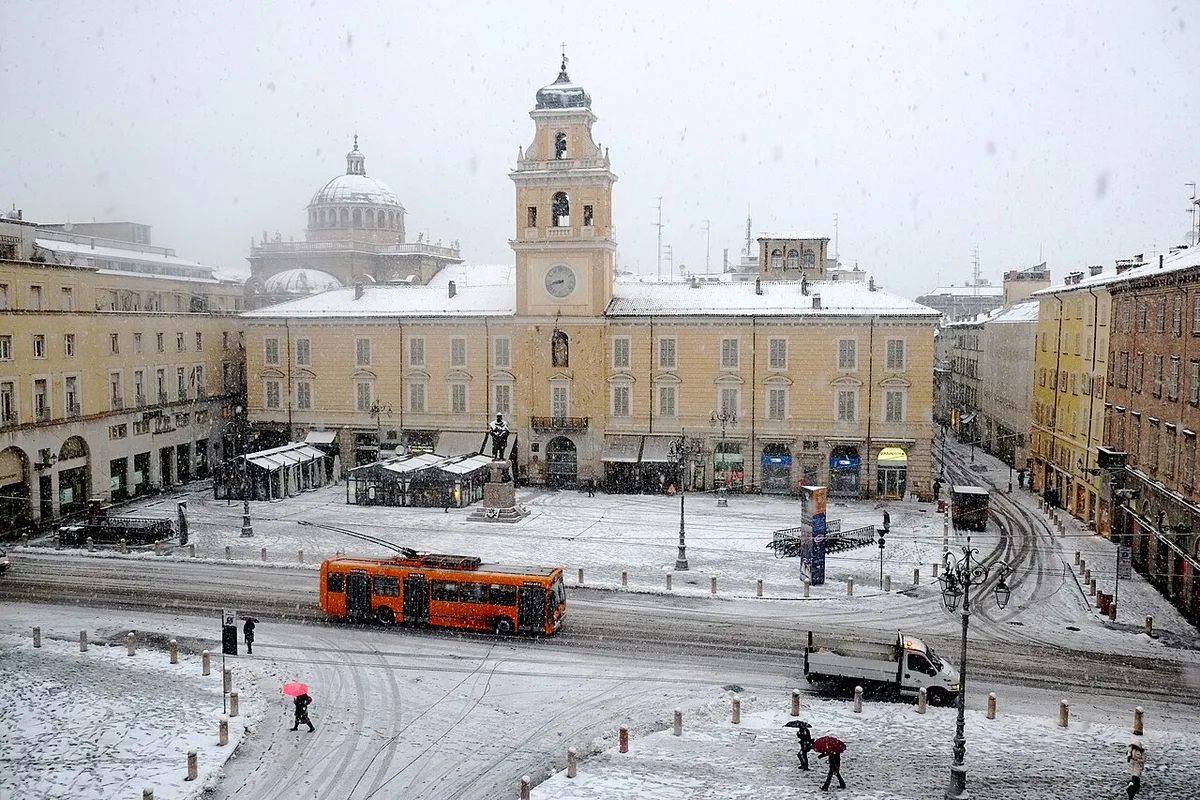
Where you base yourself shapes how comfortable a solo trip to Parma feels, and the good news is that the most convenient area for sightseeing is also the most solo-friendly. Centro Storico, the historic core around Piazza Garibaldi, the Duomo, and the Pilotta complex, is dense with restaurants, shops, and foot traffic, which makes it easy to stay oriented and rarely alone on the street even in the evening. Just across the Parma stream, Oltretorrente has a reputation as the city's student and bohemian quarter — narrower streets, more bars, and a younger crowd, but nothing that has shifted its character away from generally safe; the nuance is that its quieter side streets deserve the same ordinary awareness you would use in any residential district after dark. The area around the train station is the one trade-off worth planning around: it is genuinely convenient for day trips to Bologna or Modena on Trenitalia, but like most European station districts it sees more transient foot traffic and petty-theft risk after dark, so it earns closer attention than the centre. For a street-by-street breakdown, the areas to avoid in Parma guide covers the specific pockets worth extra vigilance.
Parma's culinary capital status makes solo dining completely unremarkable, while organized food tours provide built-in social access to Parmigiano Reggiano dairies and prosciutto producers. This combination lets solo travellers balance independence with optional companionship.
- Centro Storico: closest to the sights, busiest at all hours, most solo-friendly base
- Oltretorrente: livelier, more bohemian, generally safe with normal side-street awareness
- Train station area: convenient for day trips, needs more vigilance after dark
Navigating Parma Alone: Day vs Night
During the day, Parma rewards aimless wandering. The historic centre is small enough that most major sights — the Duomo, the Baptistery, Piazza della Pilotta — sit within an easy walk of one another, and the city's flat layout and wide pedestrian zones make solo sightseeing straightforward without needing to consult a map every few minutes. After dark, the picture shifts only slightly rather than dramatically. Parma's movida, or nightlife scene, clusters around Oltretorrente's bars and a handful of piazzas in the centre, and these areas stay busy and well-lit long after dinner thanks to the university crowd. The practical rule for solo travellers is to stick to these main, well-lit routes between accommodation and wherever you are heading, rather than cutting through quieter residential side streets, and to treat the station area with a little more caution once the evening trains start thinning out. For a fuller breakdown of specific streets, lighting, and how late is late enough to still feel comfortable walking alone, see this dedicated Parma night safety guide.
Public Transport, Cycling, and Late-Night Logistics
Parma's public transport is run by TEP, the local bus operator, and getting around by bus follows the same standard precautions you would use in any mid-sized European city: keep bags zipped and in front of you on crowded routes, particularly the lines serving the train station, and have a ticket ready before boarding. Cycling is arguably more central to daily life here than transit — Parma's flat streets and dedicated bike lanes make it a genuinely bike-friendly city, and solo travellers renting a bike will find the practice normalized rather than unusual. The real risk with cycling in Parma is property crime, not personal safety: bike theft is common enough that locals never leave a bike unlocked, even for a few minutes, so always secure both wheels and the frame to a fixed point. For getting back to accommodation late at night, the choice mostly comes down to distance and comfort rather than risk, as summarized below. The Parma Public Transport Safety: A Guide for Travelers (Italy) guide has the full breakdown of routes, schedules, and station-area advice.
| Option | Best For | Relative Cost | Safety Notes |
|---|---|---|---|
| Walking | Short hops within Centro Storico | € | Fine on main lit streets; avoid quiet side streets late at night |
| TEP night bus | Longer distances across town | € | Reliable on main lines; stay alert boarding near the station after dark |
| Taxi or rideshare | Late-night station arrivals or longer distances | €€€ | Most direct door-to-door option; worth it after the last trains |
Common Scams and Petty Crime to Watch For
Parma's petty crime profile is mild compared with major Italian hubs, but it is not zero, and the patterns are predictable enough to plan around. Piazza Ghiaia, home to the city's daily and weekend markets, is the spot most often flagged for pickpocketing, simply because dense crowds and distracted shoppers are an easy target anywhere in the world — keep bags zipped and in front of you while browsing stalls. The other pattern worth knowing is the friendly-stranger approach: someone striking up conversation, offering a free flower or bracelet, or asking for help with a petition or survey as a distraction technique. The response that works everywhere in Italy also works in Parma: a polite but firm decline and continuing to walk. None of this is unique to Parma or particularly aggressive by comparison with Rome, Florence, or Naples, but it is worth knowing the specific spots and scripts before arriving. The full rundown of Parma Tourist Scams: Common Traps and How to Avoid Them (2026) covers exactly what to watch for and where.
Piazza Ghiaia's pickpockets target crowded market shoppers, and street-con artists use distraction tactics. The train station poses a distinct risk—transient crowds and diminished foot traffic after dark create transit crime concerns rather than tourist-focused scams.
Social Dynamics: Solo Dining and Handling Attention
Unwanted attention from men is one of the most common worries solo women raise about travelling in Italy, and it is worth setting expectations regionally rather than nationally. The assertive, vocal style of street attention sometimes associated with Italy — often generalized as gallismo — is far less pronounced in Emilia-Romagna than in some southern regions; Parma's atmosphere leans reserved and business-like rather than performative. That does not mean attention never happens, but it is generally low-key and easy to deflect with the same confident, disengaged body language that works across Italy. Solo dining is arguably easier here than almost anywhere else in the country, given Parma's identity as a culinary capital built around Parmigiano Reggiano and Prosciutto di Parma. Long, multi-course meals are the norm, and solo diners are common enough that sitting alone rarely draws attention, especially at counter seating or in the many casual trattorias built around quick, high-quality lunches. Booking ahead for dinner at popular spots is still worth doing, particularly on weekends when the student population fills tables early.
Safety-First Solo Itinerary Ideas
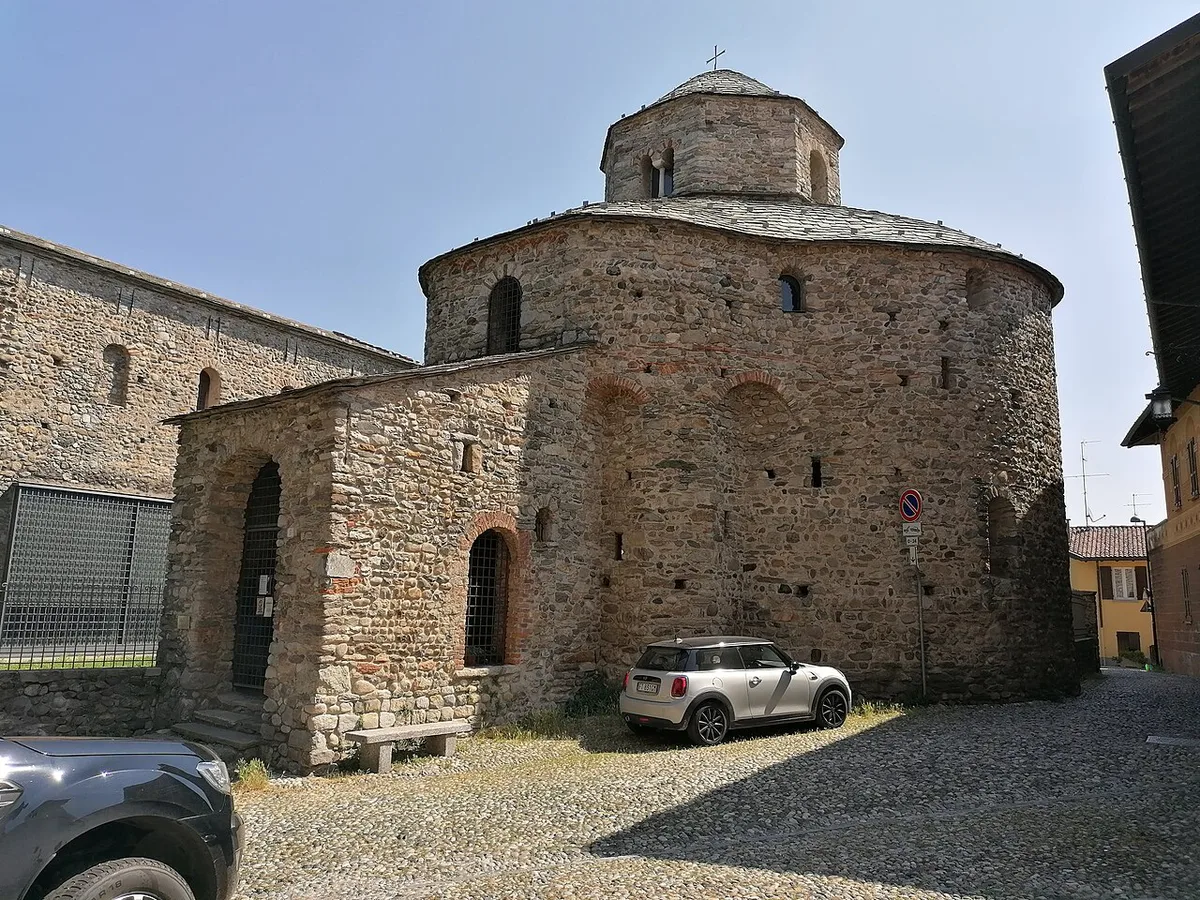
The safest way to spend a solo day in Parma also happens to be the most rewarding one: sticking to the dense, well-touristed centre. The Pilotta Complex, a monumental palace built around Piazza della Pilotta, houses several museums and sits right in the heart of the action, while Parma Cathedral and its Baptistery anchor the other end of the historic core — both are daytime, well-populated stops that require no special precautions beyond normal awareness. For a lower-key but highly social way to spend an afternoon, food tours built around Prosciutto di Parma and Parmigiano Reggiano tastings are widely available and give solo travellers a built-in way to meet other visitors without the pressure of striking up conversation alone in a restaurant. Treat this section as a starting point rather than the full picture — the complete Parma safety overview ties together neighbourhoods, night safety, transport, and scams into one reference before you finalize an itinerary.
Practical Essentials: Emergency Numbers, Healthcare, and Connectivity
A few practical basics round out solo trip planning for Parma. The universal emergency number across Italy is 112, which connects to police, medical, and fire services and is worth saving before arrival rather than searching for it in the moment; for non-emergency police matters, the Carabinieri are the standard point of contact in Italian cities. For healthcare needs, Ospedale Maggiore is Parma's main hospital and the reference point for anything beyond a pharmacy visit. On connectivity, arriving with an active eSIM or a plan to pick up an Italian SIM on day one is worth prioritizing in 2026, since reliable data makes it far easier to use maps discreetly, book a taxi, or check transport times without stopping to consult a paper map on the street. Before travelling, it is also worth checking the Italian Ministry of Foreign Affairs' Viaggiare Sicuri advisories and Parma Welcome, the official city tourism resource, for any current notices affecting the region.
Food Valley Tours and Rural Day Trips Alone
Parma itself is easy to handle on foot, but many of the food experiences that draw solo travellers sit outside the centre. Parmigiano Reggiano dairies are often in countryside towns such as Collecchio, Sala Baganza, or the villages south of Parma, while Prosciutto di Parma producers cluster around Langhirano and the hills near Torrechiara Castle. These areas are not unsafe, but they are less convenient if you rely on walking or last-minute public transport.
For solo women, the safest approach is to book a licensed small-group food tour, an agriturismo transfer, or a reputable driver when visiting dairies, ham producers, or wineries beyond the city. Early-morning cheese visits can start before the historic centre is fully busy, and rural bus services may be infrequent later in the day, so check return times before leaving Parma. If you travel independently, keep your phone charged, save the accommodation address offline, and avoid accepting informal rides from strangers after tastings.
Frequently Asked Questions
Is Parma safe for solo female travellers at night?
Yes, in general. The historic centre and Parma's movida areas around Oltretorrente stay lively and well-lit well into the evening thanks to the university population, and sticking to these main routes is the standard advice. The station area and quieter side streets warrant more caution after dark — see the dedicated night safety guide for a street-level breakdown.
What is the best area to stay in Parma as a solo woman?
Centro Storico is the most solo-friendly base, keeping the Duomo, Piazza della Pilotta, and most restaurants within walking distance. Oltretorrente suits travellers who want a livelier, more bohemian feel, while the train station area is convenient for day trips to Bologna or Modena but requires more evening awareness.
Are there any specific areas to avoid in Parma?
Parma does not have large no-go zones the way some bigger Italian cities do, but certain pockets near the train station and some Oltretorrente side streets deserve more caution late at night. A full breakdown of specific streets is covered in the areas to avoid guide.
What is the emergency number in Parma?
Dial 112, Italy's universal emergency number, for police, medical, or fire assistance anywhere in Parma or the wider Emilia-Romagna region.
Is it safe to cycle solo around Parma?
Yes — Parma is a genuinely bike-friendly city with flat streets and dedicated lanes, and cycling solo is common and normalized. The main risk is bike theft rather than personal safety, so always lock the frame and both wheels to a fixed point.
Can solo women comfortably dine alone in Parma restaurants?
Yes. Parma's identity as a culinary capital built around Parmigiano Reggiano and Prosciutto di Parma means solo diners are common, and counter seating or casual trattorias make solo meals easy, though booking ahead for dinner on weekends is worth doing.


