
Is Granada Safe? A Localized Safety Guide for Travelers
Last updated April 2026: if you're asking is Granada safe for an upcoming trip, the short answer is reassuring — this Andalusian city is one of Spain's calmer destinations for travelers, with violent crime against tourists rare and a lively student-and-tapas nightlife that keeps the historic centre busy well after dark. The real safety questions here are narrower than that headline suggests: how to avoid getting turned around in the Albayzín's quiet callejones, how to recognize a handful of well-known scams near the Cathedral, and how to get back to a hillside stay safely after midnight. This guide works through each of those practical concerns neighborhood by neighborhood, rather than treating Granada as one uniform risk profile.
Is Granada Safe? The Bottom Line
Granada, the historic city in southern Spain's Andalusia region, is generally very safe for tourists, and most visitors experience only the ordinary big-city nuisance of petty theft rather than anything more serious. It's worth clearing up one common mix-up early: safety information about Granada, Spain has nothing to do with the U.S. State Department's Level 2 advisory for Grenada, the separate Caribbean island nation — that advisory, its crime figures, and its embassy contacts belong to a different country entirely and have no bearing on a Spanish city trip. Locally, the picture is closer to what regular visitors describe: a compact, walkable historic centre where violent crime against tourists is rare, and where the main practical risks are pickpocketing in crowded spots and simply losing your bearings in the Albayzín's tangle of lanes. Compared with Madrid or Barcelona, Granada feels noticeably smaller in scale and slower-paced, with far less of the high-volume pickpocketing those larger, more heavily touristed cities see around their main transit hubs and landmark queues. One perception worth addressing directly: the street art and graffiti that cover many walls in neighborhoods like the Albayzín and Realejo can read as gritty to first-time visitors, but this is largely a cultural and aesthetic feature of the city rather than a marker of crime, and it should not be treated as a proxy for danger. Travelers who want harder numbers behind the reassurance can consult Spain's national statistics institute, the INE, which publishes province-level crime data separately from any tourist-facing anecdote.
Granada Neighborhoods: Where to Stay and What to Expect
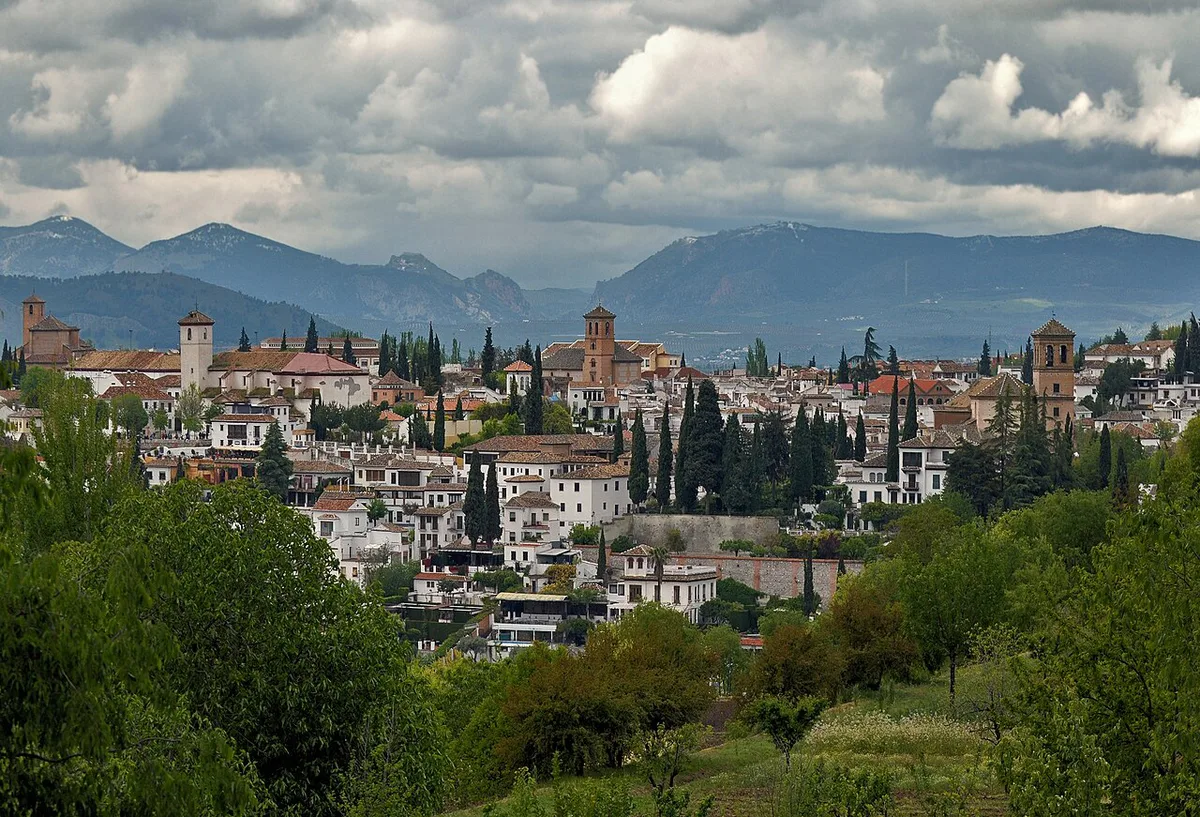
Granada's tourist-relevant safety story is really a neighborhood story more than a citywide one, and comparing the four districts travelers actually spend time in makes the pattern clear. The hillside Albayzín is safe by any conventional measure but genuinely easy to get lost in after dark, since its steep, narrow callejones are quiet, unevenly lit, and can leave a solo walker feeling isolated even when no real danger is present — treat it as a daylight-wandering district and a taxi-at-night one. Sacromonte, further uphill and known for its cave-house flamenco venues, is safe for organized evening shows, but the walk back down its unlit hillside paths afterward is where planning matters most, so arranging a taxi or confirming a group return is the more sensible option than retracing the route alone. Centro and Realejo, the two most central and commercially developed districts, have the steadiest foot traffic and the most consistent street lighting of any part of the city, which is why most short stays end up based there. Northern outlying districts such as Almanjáyar sit well outside the tourist footprint; locals treat them with the ordinary caution reserved for any non-touristic residential area, but travelers rarely have reason to pass through in the first place. For a fuller, street-by-street version of this comparison, the detailed neighborhood risk breakdown goes block by block.
Granada's safety at night splits by elevation: central districts (Centro, Realejo, lower Albayzín) stay busy and well-lit with steady foot traffic and tapas crowds. Higher altitudes grow quieter and dimmer, making taxis essential for returns after midnight from hillside neighborhoods.
| Neighborhood | Safety Level | Best For | Nighttime Vibe |
|---|---|---|---|
| Albayzín | Safe, but easy to get lost | Daytime wandering, viewpoints | Quiet, dim callejones — use a taxi after dark |
| Sacromonte | Safe for organized shows | Evening flamenco caves | Unlit hillside paths; arrange a return taxi |
| Centro | Consistently safe | First-time stays, walkable sightseeing | Busy, well-lit, lively tapas crowds |
| Realejo | Consistently safe | Local tapas bars, boutique stays | Well-lit, steady foot traffic |
Is Granada Safe at Night?
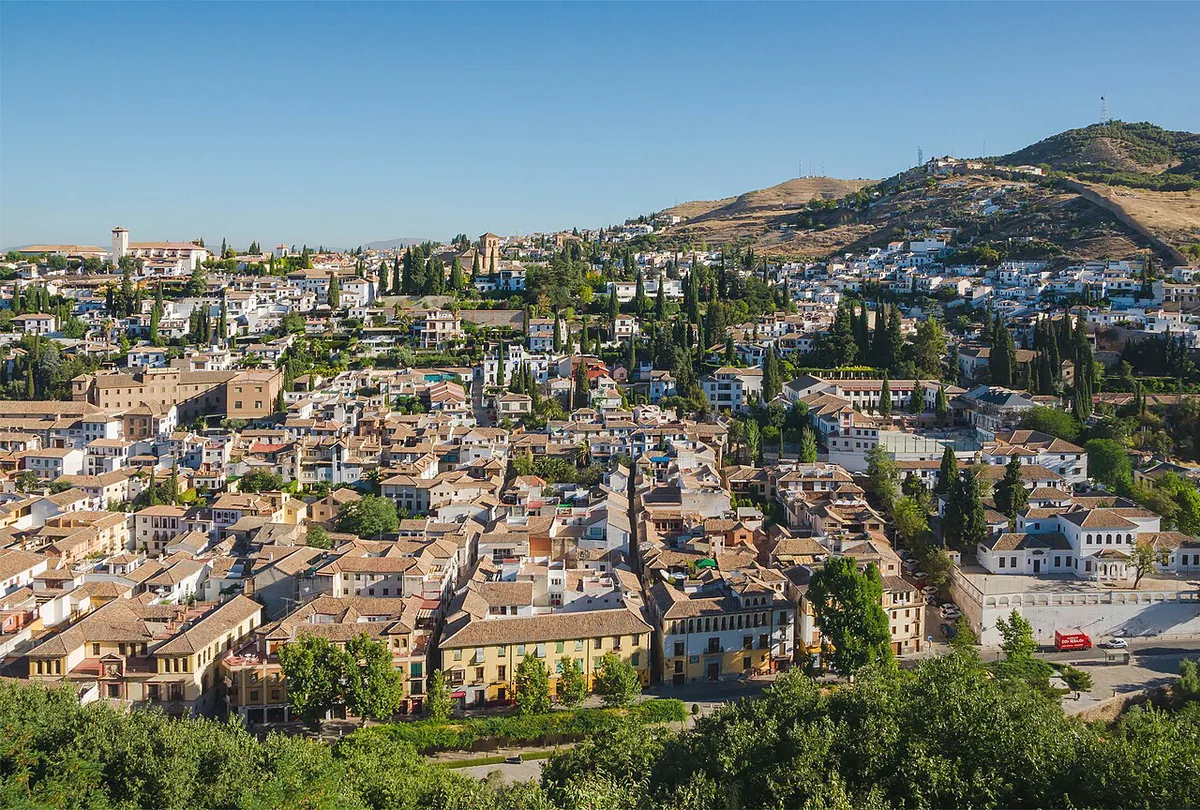
Once the sun goes down, Granada's safety picture splits fairly cleanly along elevation lines. Centro, Realejo, and the lower Albayzín stay busy and well lit long after dinner, since the city's student population and tapas-bar culture keep bars, plazas, and pedestrian streets like Calle Elvira active well past midnight on weekends. The Paseo de los Tristes, the riverside walk beneath the Alhambra between Plaza Nueva and Sacromonte, is a popular and generally safe evening route thanks to its steady stream of pedestrians and the restaurants and bars spilling onto the path, though like any riverside walk it thins out later in the night. The calculus changes once you climb higher into the Albayzín or Sacromonte: the further uphill you go, the quieter and dimmer the streets become, and a callejón that feels charming at six in the evening can feel disorienting at one in the morning. If your accommodation sits high in either district, plan on a taxi for the return leg after midnight rather than retracing the walk on foot, particularly after a night that included a few drinks. For a fuller hour-by-hour and street-by-street breakdown, the after-dark safety breakdown covers specific routes in more depth.
Common Granada Tourist Scams (And How to Handle Them)
The most frequently reported problem in Granada isn't violent crime — it's a small, well-documented set of scams clustered around the busiest tourist landmarks. Near the Cathedral, women commonly encountered offering sprigs of rosemary press a small item into a visitor's hand, follow with an unsolicited palm reading, and then demand payment; the simplest response is to keep hands in pockets, decline anything offered before it's placed in your hand, and keep walking while saying no firmly. Pickpocketing is the more conventional risk, and it clusters predictably around Plaza Nueva's dense evening crowds and on crowded city bus lines, including routes C31 and C34, where distraction and proximity make bags and back pockets an easy target. A related distraction technique — someone pointing out a substance, real or staged, on your clothing, or offering unsolicited help with luggage — is usually a setup for a second person to go through a bag while attention is diverted; politely declining help and stepping clear is the standard response. None of these tactics are dangerous the way a mugging would be; they target money and valuables rather than physical safety, and being aware of them in advance removes most of their effectiveness. The full scam-avoidance guide covers the complete list with more specific handling scripts.
Solo Female Travel Safety in Granada
Solo female travelers generally report Granada as a comfortable and manageable city, with the same practical cautions that apply anywhere in southern Spain rather than any Granada-specific danger. Catcalling and unsolicited comments can happen, particularly around busy nightlife streets late at night, but this is a social nuisance rather than a marker of physical danger, and it rarely escalates beyond a passing comment. Granada's tapas culture, where many bars serve a small plate alongside each drink order, tends to keep bar crowds social and mixed rather than isolating, and sticking to the well-known tapas streets in Centro and Realejo is a straightforward way to stay around other people while eating and drinking solo. For walking after dark, the same well-lit, high-foot-traffic routes recommended generally — Centro's main pedestrian streets and the lower stretches of the Albayzín — are the more comfortable choice over quiet uphill callejones, and a short taxi ride is a reasonable substitute any time a walk feels off. The solo travel safety tips page goes deeper on specific neighborhoods, transport timing, and accommodation choices for solo trips.
Solo female travelers' chief concerns align with Granada's overall risk profile: Granada's documented issues are opportunistic property crimes and social nuisances rather than personal safety threats. Catcalling near nightlife areas is a recurring social annoyance without escalation; pickpocketing and scams target valuables. Awareness eliminates most risk.
Getting Around: Public Transport and Taxi Safety
Granada's public buses are a safe and practical way to reach the Alhambra and outlying neighborhoods, and the dedicated Alhambra bus routes, C30 and C32, are the standard way up the hill for visitors without a car. As with any crowded public transport, routine bag awareness matters more than any risk specific to Granada; keep bags zipped and in front on the busier runs. For late-night or hillside trips, official white taxis operating under Radio Taxi Granada are a straightforward, safe option, and it's worth confirming a vehicle is a licensed taxi with visible signage and a working meter before getting in, which is standard practice anywhere in Spain. Walking remains the default way to see the historic centre, but the same cobblestones and worn stone steps that give the Albayzín and Sacromonte their character get genuinely slippery when wet, and rain can turn a scenic uphill walk into a real slip-and-fall risk faster than most visitors expect, so footwear with real grip matters more here than in most Spanish cities. Note, too, that the Alhambra itself runs its own visitor and security procedures, separate from general city safety, so it's worth checking the monument's official channels for current entry rules before a visit. The getting around safely guide breaks down specific routes and taxi-hailing tips in more depth.
| Option | Cost | Safety | Ease |
|---|---|---|---|
| Walking | Free | Safe in daylight; use caution on wet cobblestones and quiet callejones after dark | Best for the compact historic centre |
| Official taxi (Radio Taxi Granada) | Metered fare | Safest option late at night or for hillside returns | Easiest door-to-door option |
| Alhambra minibus (C30/C32) | Low-cost fixed fare | Safe; standard bag awareness on crowded runs | Direct route up to the Alhambra |
Emergency Numbers and Practical Safety Tips
For any emergency in Granada, as anywhere in Spain, 112 is the single number that connects to police, medical, and fire services and is staffed for English-language assistance. Granada is policed by two forces: the Policía Local, which handles local traffic and municipal issues, and the Policía Nacional, the national force responsible for more serious crime and documentation matters such as reporting theft or a lost passport; visitors filing a report for a stolen bag or wallet should look specifically for a Policía Nacional station rather than assuming any officer on the street handles that paperwork. Healthcare access for tourists runs through the public hospital and urgent-care network, and travel insurance that explicitly covers medical treatment is the standard, sensible safeguard for any 2026 trip, since public healthcare for non-residents is typically billed directly rather than covered automatically. For official transport maps and current route information, Granada's tourism board, Turismo de Granada, publishes maps and planning resources worth checking before travel. Losing a passport is one of the more disruptive things that can happen on a trip, and having a clear sequence ready removes most of the panic if it does.
- File a police report at the nearest Policía Nacional station and keep the stamped copy — most embassies require it before issuing a replacement.
- Contact the relevant embassy or consulate in Spain to start an emergency travel document application.
- Call 112 immediately if the loss involved a theft or any personal safety concern.
- Keep a photo or emailed copy of the passport's photo page accessible before travel, so it's ready if needed.
- Notify travel insurance providers, since many policies cover emergency documentation and related delays.
Alhambra Entry Safety and Bag Rules
The Alhambra is not a dangerous area, but it has stricter visitor controls than the rest of Granada, so plan it like a timed monument visit rather than a casual walk-up. Tickets are nominative, and visitors may be asked to show the original ID or passport linked to the booking; keep it with you, not in a hotel safe. The Nasrid Palaces are the least flexible part of the visit: arrive before the time printed on your ticket, because late entry can mean losing access to that section even if the rest of the complex remains open.
Bag rules matter for safety and conservation. Backpacks, bags, and suitcases over 40 x 40 cm are not allowed inside, and smaller backpacks should be worn on the front of the body to avoid brushing walls or other visitors. Free lockers are available at the Pabellon de Acceso and near Puerta del Vino, subject to space. For minor medical issues inside the monument, assistance is based in the building by Puerta del Vino.
For trip-planning details, see UK FCDO travel advice for Spain.
Explore is safe in other cities
Frequently Asked Questions
Is Granada safe for tourists in 2026?
Yes. Granada remains one of Spain's calmer cities for visitors, with violent crime against tourists rare. The realistic concerns are petty theft in crowded spots like Plaza Nueva, a handful of well-known scams near the Cathedral, and losing your bearings in the Albayzín's quiet lanes rather than any serious physical danger.
Is Granada safe at night?
The central districts — Centro, Realejo, and the lower Albayzín — stay busy and well lit long after dinner thanks to the city's tapas and student culture. Higher up in the Albayzín and Sacromonte, streets get quieter and dimmer, so a taxi for the return leg after midnight is the sensible choice rather than walking uphill alone.
Is it safe to walk around the Albayzín?
During the day, yes — the Albayzín is safe and popular for its viewpoints and narrow lanes. The real risk there is topographical and navigational rather than criminal: steep cobbled callejones are easy to get turned around in, and they grow quiet and poorly lit after dark, which is why a taxi is the better option for the return trip at night.
What are the most common tourist scams in Granada?
The best known is the rosemary or rose scam near the Cathedral, where an item is pressed into a visitor's hand followed by a demand for payment; declining before anything is placed in your hand is the simplest defense. Pickpocketing around Plaza Nueva and on crowded bus lines like C31 and C34, plus staged distraction techniques, round out the main risks.
Is Granada safe for solo female travelers?
Generally, yes. Solo female travelers commonly describe Granada as manageable and comfortable, with occasional catcalling as a social nuisance rather than a physical safety issue. Sticking to busy tapas streets in Centro and Realejo and well-lit walking routes after dark are the main practical adjustments worth making.
Are Granada and Grenada the same place?
No, and this mix-up matters for safety research specifically. Granada is a historic city in Spain's Andalusia region, while Grenada is a separate Caribbean island nation that carries its own U.S. State Department travel advisory and crime data. Advisories and statistics for Grenada, the country, do not apply to a trip to Granada, Spain.
Stay Safe in Granada
Every Granada safety guide on one page — areas, scams, night rules, and getting around.
Granada Safety Guides
- Granada Areas to Avoid: A Neighborhood Safety Guide for 2026
- Is Granada Safe at Night? Neighborhood Guide & Safety Tips
- Granada Tourist Scams: How to Avoid the Rosemary Ladies & More
- Is Granada Safe for Solo Female Travellers? A 2026 Local Safety Guide
- Granada Public Transport Safety: A Complete Guide for Travelers


