Is Granada Safe at Night? A Local Safety & Logistics Guide
Last updated April 2026: is Granada safe at night is a fair question for anyone eyeing an evening stroll through the Albaicín's maze of whitewashed lanes, and the short answer is yes, with a few practical caveats worth knowing before dark. The centre, the Realejo, and Calle Elvira's teterías and tapas bars stay busy and well lit long after dinner service winds down, while the Mirador San Nicolás draws a lively evening crowd that thins out considerably once the night deepens. This guide breaks down neighborhood safety, night transport logistics, and nightlife norms for Granada, building on the broader Granada safety overview for planning evenings in the city.
Is Granada Safe at Night? The Bottom Line
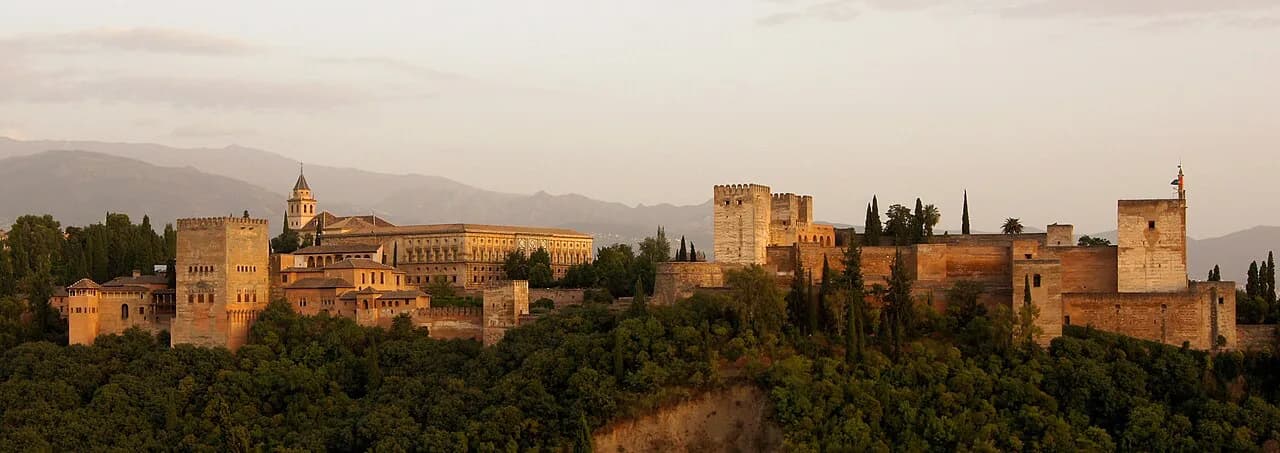
Is Granada safe at night? In our editorial assessment, yes: Granada is regarded as one of the more relaxed major Spanish cities after dark, and the visual grit of narrow, dimly lit alleys and heavy street-art coverage in neighborhoods like the Albaicín does not translate into elevated crime. Dinner in Granada rarely starts before 10 p.m., and the centre, the Realejo, and the Albaicín's lower thoroughfares stay crowded with locals and travelers well past midnight, often until 2 a.m. or 4 a.m. on weekends, so main streets are rarely empty in the way "night" implies in cities with earlier closing times. Local and national policing, including a visible Guardia Civil presence around tourist-dense streets, adds to the overall sense of order, whether the evening involves a walk through Plaza Nueva or a look at the illuminated Alhambra from a viewpoint across the valley. The graffiti-heavy walls that surprise some first-time visitors reflect Granada's identity as a university and bohemian city rather than any gang or safety signal, and the practical caveats below matter more than the visual first impression.
Neighborhoods appearing most visually threatening—graffiti-covered lower Albaicín and university streets—are precisely busiest and safest after dark, while actual concerns cluster in quiet upper neighborhoods. Visual appearance misleads most visitors.
Neighborhood Safety Breakdown After Dark
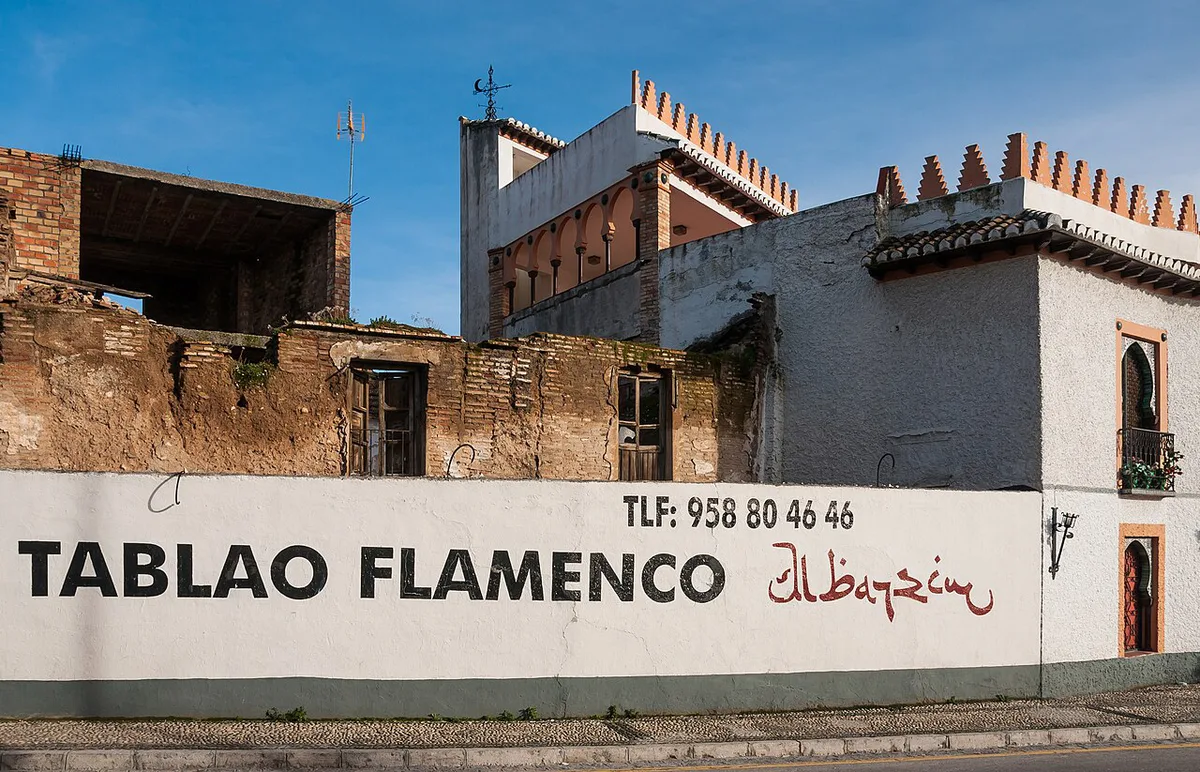
Granada's neighborhoods vary noticeably once the sun goes down, and knowing the general character of each helps set expectations rather than raise alarm. Centro and Plaza Nueva stay the most reliably busy and well lit, since this stretch anchors the main evening foot traffic between tapas bars, the cathedral area, and the walking routes toward the Alhambra and the Albaicín's lower lanes, which keeps the area lively well into the night. The Albaicín keeps its lower lanes, including Calle Elvira and Calderería Nueva, busy with teterías and tapas bars, but the quieter upper Albaicín, the tangle of alleys above the Mirador San Nicolás, thins out considerably once that viewpoint's evening crowd starts to disperse. The Realejo stays busy and largely residential, popular for a slower tapas crawl rather than late clubbing, while Sacromonte's caution points center on the walk back from evening flamenco shows in its hillside caves rather than the shows themselves. A short list of outskirts and green spaces, such as Jardines del Triunfo, carry sparser lighting after dark and are worth treating with the same caution as any city park at night. For a fuller neighborhood-by-neighborhood breakdown of where to be more deliberate, see this areas to avoid guide.
Despite dense graffiti appearing threatening, the actual after-dark caution areas are the quiet upper Albaicín and sparse outskirts where isolation is the risk, not the busy street-art-heavy lower lanes where nightlife concentrates.
| Neighborhood | Lighting After Dark | Crowd Density Late Night | Ease of Navigation |
|---|---|---|---|
| Centro & Plaza Nueva | Consistently well lit | High, busy well past dinner hours | Easy, flat and grid-like |
| Albaicín (lower lanes: Calle Elvira, Calderería Nueva) | Well used, moderate lighting | High near the bottom, thinning higher up | Moderate; easy to lose bearings off the main lanes |
| Realejo | Well lit around tapas streets | Moderate to high, residential feel | Easy, more open layout |
| Sacromonte | Sparser on approach roads | Concentrated around flamenco venues, quiet elsewhere | Harder; hillside caves and uneven ground |
| Jardines del Triunfo & outskirts | Sparse in patches | Low after dark | Best not lingered in alone late at night |
Getting Around Granada at Night: Transport and Logistics
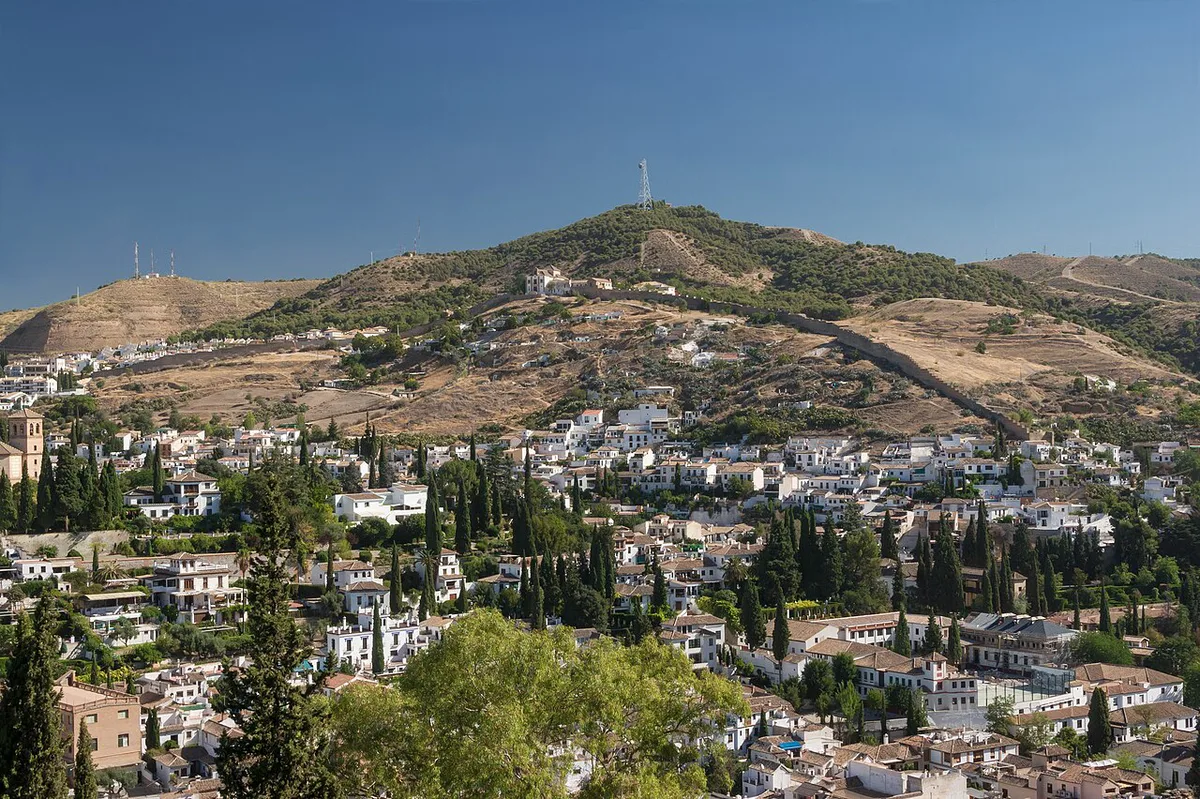
Once tapas bars start closing or a flamenco show in Sacromonte lets out, getting back to a hotel or apartment safely comes down to matching the option to the neighborhood. Walking remains the default for anyone staying inside Centro, the Realejo, or the lower Albaicín, since these areas keep enough foot traffic to make main streets feel comfortable on foot well past dinner hours. Granada's official white taxis are easy to flag near Plaza Nueva and other central points, and the Pidetaxi app lets travelers book one directly from a phone rather than waiting on a corner, which is the more reliable option from Sacromonte or the upper Albaicín once the lanes empty out. Anyone leaving a nighttime Alhambra visit will likewise find a taxi or a short walk back toward Plaza Nueva more practical than attempting the Albaicín's steepest lanes in low light. Travelers based outside the historic center can use the Búho night bus network, run by Transportes Rober, with lines 11 and 12 covering routes into the small hours for those who would otherwise be stranded once daytime bus service ends. The terrain itself is a bigger practical factor than crime risk in much of the old city: the Albaicín's steep, cobbled streets are uneven and poorly suited to distracted walking in the dark, so sturdy shoes and a charged phone matter as much as route choice. For current schedules and stop maps, this public transport safety guide covers the night bus system in more depth.
| Option | Typical Cost | Safety Profile | Convenience |
|---|---|---|---|
| Walking (Centro, Realejo, lower Albaicín) | Free | High on main lit streets; lower on empty side lanes | High for short central distances |
| Official taxi or Pidetaxi app | Metered fare | High, door-to-door | High, especially from Sacromonte or the upper Albaicín |
| Búho night bus (lines 11 & 12, Transportes Rober) | Standard fare | High, shared with other late-night passengers | Best for outskirts and areas beyond walking distance |
Nightlife Safety: Tapas Bars and Clubs
Tapas culture is one of Granada's biggest built-in safety features after dark. Because a free tapa typically comes with every drink order, bars stay full of locals and travelers alike well past midnight, which keeps constant "eyes on the street" along nightlife strips in Centro, the Realejo, and the lower Albaicín. Standard precautions still apply inside any busy bar or club: keep a drink in sight, stay alert to the rare report of a spiked drink, and treat unusually persistent offers from street promoters pushing a specific bar or club with the same skepticism as anywhere else in Spain. Aggressive touting is more of a nuisance than a danger, but it is one of the more common nighttime irritations travelers mention, alongside opportunistic pickpocketing in packed spots such as queues outside popular tapas bars after 11 p.m. For a rundown of the specific scams and tout tactics to recognize, this common tourist scams guide covers what to watch for beyond the nightlife scene.
Solo Female Safety After Dark in Granada
Solo female travelers generally report Granada as comfortable after dark, in large part because the city's late schedule works in their favor. Dinner rarely starts before 10 p.m., and it is normal for streets, bars, and even families with children to stay out well past midnight on weekends, often until 2 a.m. or 4 a.m., so a woman walking alone at 11 p.m. or later is rarely walking alone in any literal sense along main routes through Centro, the Realejo, or lower Calle Elvira. That said, the same neighborhood judgment applies here as elsewhere: stick to lit, populated lanes once heading into the Albaicín's upper alleys, keep a taxi app on hand for the return from Sacromonte, and trust instinct over pride if a street feels too quiet. Choosing accommodation inside Centro, the Realejo, or the lower Albaicín also cuts down on how much unfamiliar ground needs covering late at night. For dedicated guidance on routes, accommodation areas, and specific precautions, see this solo female travel safety guide.
Common Nighttime Concerns: Graffiti, Pickpockets, and Myths
Two concerns dominate most conversations about nighttime safety in Granada: graffiti and pickpockets. Granada's street art is dense, especially around the Albaicín and university-adjacent streets, and it can read as neglect or gang territory to visitors used to cities where graffiti signals decline. In Granada, it reflects the city's identity as a university town with a strong bohemian and street-art tradition rather than any indicator of danger, and it should not be treated as a warning sign the way it might be elsewhere. Pickpocketing is the more legitimate concern, though it remains petty theft rather than violent crime, and it clusters in the same crowded, distracted settings as any European nightlife district: packed bars, queues outside popular tapas spots, and busy plazas during festival weekends. Keeping bags zipped and in front, and phones out of back pockets, addresses most of the realistic risk.
The Lost in Albaicín Protocol: Finding the Way Back After Midnight
The Albaicín's charm comes from its maze of narrow, whitewashed lanes, but that same layout is the most common source of after-dark disorientation for visitors, particularly above the Mirador San Nicolás once its evening crowd thins. A simple protocol handles it: stop rather than guessing at another turn, and look or listen for the Darro riverbed, which runs downhill through the neighborhood toward Plaza Nueva and serves as the most reliable landmark for reorienting on foot. Following any downhill lane toward the river leads back toward Centro's lit, busy streets rather than deeper into quiet residential alleys.
- Stop walking and get bearings rather than continuing to guess at turns.
- Look or listen for the Darro riverbed, which runs downhill toward Plaza Nueva.
- Follow any downhill lane toward the river rather than further uphill into quieter alleys.
- Call a taxi through the Pidetaxi app if the direction back is still unclear.
- Ask staff at any still-open tetería or bar on Calle Elvira for directions rather than continuing alone.
Summary Checklist: Staying Safe After Dark in Granada
A short list of habits covers most of what matters for a safe night out in Granada.
- Stick to lit, populated main lanes once heading into the upper Albaicín after dark.
- Use the Pidetaxi app or an official white taxi for the return trip from Sacromonte flamenco shows.
- Take the Búho night bus, lines 11 and 12 via Transportes Rober, when staying outside the historic center.
- Treat graffiti-heavy streets as a stylistic feature of a university city, not a warning sign.
- Keep bags zipped and phones out of back pockets in crowded tapas bars and plazas.
- Avoid lingering alone late at night in sparsely lit outskirts and parks such as Jardines del Triunfo.
Frequently Asked Questions
Is it safe to walk alone in the Albaicín at night?
Yes on the main lanes such as Calle Elvira and Calderería Nueva, which stay lit and busy with teterías and tapas bars well into the evening. The upper Albaicín above the Mirador San Nicolás thins out once its evening crowd disperses, so it is worth sticking to main thoroughfares or using a taxi app once the lanes go quiet.
What is the best way to get back from a flamenco show in Sacromonte at night?
A taxi booked through the Pidetaxi app, or an official white taxi, is the more reliable option after an evening flamenco show in Sacromonte, rather than walking back along quieter approach roads with sparser lighting.
Is Granada nightlife safe for solo female travelers?
Generally yes, and Granada's late schedule helps: streets, bars, and tapas spots in Centro, the Realejo, and the lower Albaicín stay busy well past midnight on weekends. The same neighborhood judgment that applies during the day carries over after dark, particularly around the upper Albaicín and the walk back from Sacromonte.
What time does Granada quiet down at night?
Later than many first-time visitors expect. Dinner rarely starts before 10 p.m., and it is common for tapas bars, plazas, and even families to stay out well past midnight on weekends, so the busiest nightlife strips do not really thin out until closer to 2 a.m. or 4 a.m.
Is the graffiti in Granada a sign that a neighborhood is unsafe?
No. Granada's dense street art, especially around the Albaicín and university-adjacent streets, reflects the city's bohemian and student culture rather than gang activity or elevated crime, and it should not be read as a safety warning the way it might be in other cities.