
Granada Public Transport Safety: Everything You Need to Know
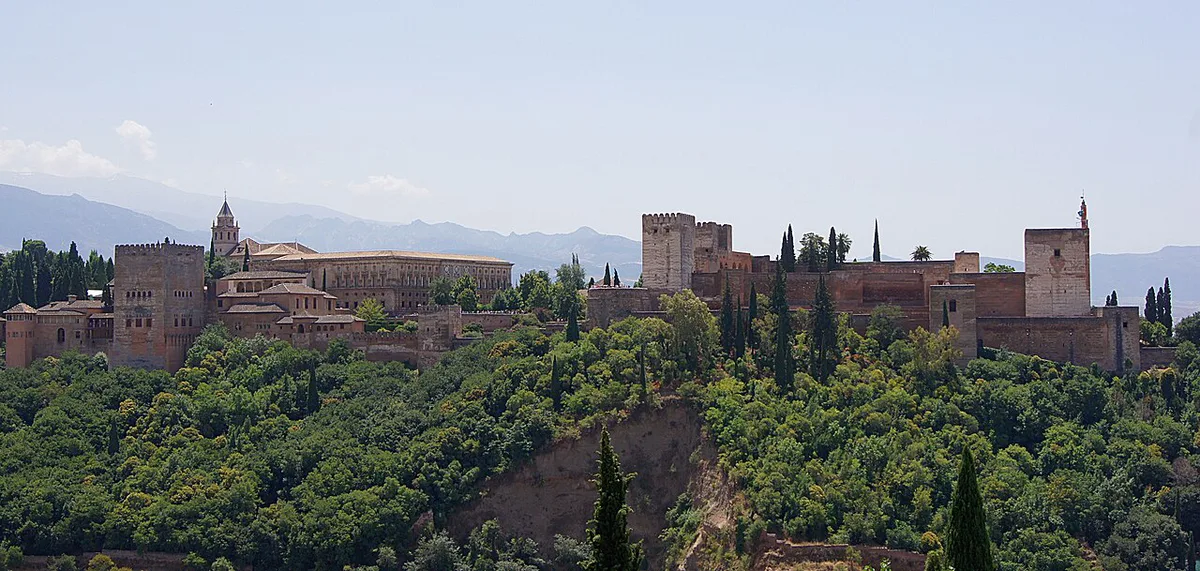
Last updated April 2026, Granada public transport safety ranks among the more reassuring parts of planning a trip to the city, since violent crime on the buses, the single rail line, and the taxi fleet stays low while the main risk is ordinary opportunistic pickpocketing in tourist crowds. Granada's historic core is compact enough to cross on foot, but the little minibuses that climb into the Albaicín and up toward the Alhambra, a modern rail line, and metered taxis cover everything the legs can't reach, and each comes with its own safety profile. This guide breaks those options down by mode, flags the peak-hour and crowd risks worth planning around, and covers night travel, ticketing, and neighborhood-specific tips so you can move around with confidence.
Granada Public Transport Safety: The Quick Answer
The short answer is yes: Granada public transport safety compares well with what you'll find in Spain's larger cities. Petty theft, not violent crime, is the main concern on crowded routes and at busy stops, and it fits the same overall risk picture covered in our broader look at how safe Granada is for visitors. Granada's network is far smaller and less anonymous than the metro systems in Madrid or Barcelona, which cuts down on the crowd-swallowing chaos pickpockets rely on in bigger hubs, though the busiest Alhambra and Albaicín bus routes still get crowded enough in peak season to warrant normal street-smart habits.
Safety Profiles by Transport Mode
Each way of getting around Granada carries a different safety profile, mostly driven by how crowded and how modern the infrastructure is. Granada's single rail line, run as the Metropolitano de Granada and commonly called the metro (it's technically a tram-style light rail), crosses the city north to south in under an hour across 26 stops, running roughly every 8 to 15 minutes depending on the time of day. Stations are modern, clean, and well-lit with CCTV coverage, which makes the line one of the lower-risk options, though it does not reach the historic center or most of Granada's tourist attractions. City buses fill that gap, and the red-and-white minibuses on lines C30, C31, C32, and C34 that wind through the Alhambra and Albaicín are the busiest, most tourist-heavy routes in the city, alongside U1, U2, and U3 serving the university areas.
- Metro (Metropolitano de Granada): modern, well-lit, CCTV-monitored stations; single north-south line, 26 stops, trains roughly every 8-15 minutes
- City minibuses (C30-C34, U1-U3): the primary way to reach the Alhambra, Albaicín, and Sacromonte; buses run every 10-20 minutes by day with longer evening gaps
- Taxis: official white taxis use a green roof light to signal availability; ride apps including PideTaxi and Uber also operate in the city
Metro vs. Minibuses: A Crowd-Safety Trade-off
If you're choosing between the rail line and the minibuses for a given trip, it helps to think of it as a trade-off between safety conditions and coverage rather than one option being outright better.
| Mode | Safety Level | Coverage | Notes |
|---|---|---|---|
| Metro (Metropolitano de Granada) | Higher: CCTV, modern well-lit stations, generally less crowded | Lower: single line, doesn't reach the historic center | Best for the train station, PTS, and southern districts |
| Minibuses (C30, C31, C32, C34) | Moderate: crowded on narrow, winding routes | Higher: the only transit reaching Alhambra, Albaicín, Sacromonte | Keep bags zipped and to the front on tight turns |
Common Risks: Pickpockets and Crowds
The biggest safety issue on Granada's transport network is opportunistic pickpocketing rather than anything more serious, and it clusters around predictable windows. Peak hours run roughly 7:30 to 9:30 in the morning and 5:30 to 8:00 in the evening, when students and commuters pack buses and the metro, and crowding is what creates opportunities. On the Alhambra and Albaicín routes especially, the narrow streets force the minibuses into a jerky, stop-start rhythm that locals sometimes call the Albaicín shuffle, and those sudden lurches are exactly the moment a distracted rider is most exposed. Keep bags zipped and worn to the front on the C30 and C32 climbs, and use a rechargeable card instead of pulling cash out at a crowded stop. Solo and female travelers generally find the buses and metro straightforward to use, and the general precautions covered in our guide to solo female travel safety in Granada apply just as much on transit as they do on foot.
Navigating Granada at Night Safely
Granada runs a Búho night bus service starting from around 11:00 PM, and it's generally a reasonable option for solo travelers heading back after dinner or a flamenco show in Sacromonte, provided you stay in a well-lit seat near the driver and keep valuables secure. For a fuller picture of after-dark conditions across the city, see our guide to whether Granada is safe at night. If your accommodation sits up a steep, poorly lit stretch of the Albaicín or Sacromonte and the last bus has already gone, it's worth switching to an official green-light taxi or a ride-hailing app rather than walking an unfamiliar hillside route alone; the fare is a small price for not navigating dark, narrow lanes on foot late at night.
For accommodation in the Albaicín or Sacromonte after the last bus departs, official taxi or ride-hailing becomes safer than walking poorly lit hillside routes alone; the metro does not serve these neighborhoods, leaving minibus or taxi as motorized alternatives during day.
Ticketing Logistics and Financial Safety
Buy single metro tickets at the ticket machines found at each stop, and buy single bus fares directly on board; both options avoid handling cash anywhere except a supervised point of sale. For anyone staying longer, a rechargeable Credibus or Bono Multiviajes card is worth loading, since it's topped up in multiples of €5 and means you're not fishing a wallet out in a crowded bus. Only use the official machines or onboard payment, and be wary of anyone positioned near a ticket machine offering unsolicited 'help' completing your purchase, which is one of the patterns covered in our roundup of tourist scams in Granada.
Peak commute windows (7:30–9:30 AM, 5:30–8:00 PM) pack buses and the metro with crowds pickpockets target; loading a rechargeable card instead of fishing cash from a wallet at crowded stops reduces both exposure and distraction during jerky minibus climbs.
| Ticket Type | Price | Best For |
|---|---|---|
| Single ticket (metro, bought at machine) | Around €1.35 per ride | Occasional one-off trips |
| Credibus / Bono Multiviajes (rechargeable card) | Loaded in €5 multiples; discounted per-trip student rates have historically run near €0.31, though it's worth confirming the current rate at the machine | Frequent riders who want to avoid handling cash |
| Bono Mensual (30-day pass, students) | €16 | Students staying a month or longer |
| Bono Turista (metro only) | €4.50 per day | Sightseeing along the metro line; doesn't cover the Alhambra or Albaicín |
Neighborhood-Specific Transit Safety Tips
Around PTS (the Health Science Technological Park), the metro's modern stations and student and medical-campus traffic make it one of the more straightforward areas to move through by rail. In Sacromonte and the Albaicín, the steep, narrow streets mean the minibuses are effectively the only motorized alternative to walking, so stick to the marked stops on lines C31 and C32, wait somewhere well-lit and populated, and keep an eye on the terrain if you're heading up after dark, since the elsewhere-useful metro doesn't run through either neighborhood.
Accessibility, Language, and Emergency Contacts
The metro's modern stations are generally easier to navigate for travelers with limited mobility than the older minibuses climbing into the Albaicín, so factor that into route planning if step-free access matters. If you don't speak Spanish, write your destination down on paper before flagging a taxi or boarding a bus; it removes any ambiguity for the driver and speeds up the trip. For lost property, pass applications, or general questions, the Metropolitano Granada customer service offices and the Consorcio de Transporte Metropolitano de Granada are the official points of contact, rather than any unofficial helper you might encounter at a stop or station.
Mistakes to Avoid on Granada's Public Transport
A few small habits account for most of the avoidable trouble travelers run into on Granada's buses and metro. Keep an eye on timing and positioning, and lean on a route-planning app rather than guessing when the next bus is due.
- Wearing a backpack on your back in a crowded minibus instead of shifting it to the front
- Waiting at poorly lit, isolated stops late at night instead of a busier, well-lit one
- Not checking the last-bus times on the C-lines before heading back to hillside accommodation
- Skipping a route-planning app like Moovit, Google Maps, or the Consorcio de Transporte Metropolitano de Granada app, all of which cut down on time spent waiting at an exposed stop
What to Do if Something Goes Wrong on Transit
If your wallet, passport, or phone goes missing on a bus or metro ride, move to a staffed or well-lit place before sorting it out. On the metro, speak to station staff or use the Metropolitano de Granada customer service channels; for city buses, contact the official urban bus operator rather than accepting help from someone at the stop.
For theft, make a police report as soon as practical, especially if you need documentation for travel insurance or an emergency passport appointment. In Spain, 112 is the general emergency number. For non-emergency police help, ask your hotel or nearest official tourist office to direct you to the closest Policía Nacional or Policía Local station.
Keep screenshots of tickets, card numbers, taxi receipts, and your accommodation address separately from your wallet. If you are shaken or unsure where to go next, an official taxi from a rank is usually the simplest way back to your hotel.
Frequently Asked Questions
Is it safe to take the bus alone at night in Granada?
Generally yes. The Búho night bus runs from around 11:00 PM, and solo travelers typically find it fine as long as you stay near the driver, keep valuables secure, and use it on well-traveled routes rather than empty late-night ones.
How much does a bus or metro ticket cost in Granada?
A single metro ticket bought at the machine runs around €1.35, while a rechargeable Credibus or Bono Multiviajes card is topped up in multiples of €5 and offers a discounted per-trip rate, worth checking at the machine since rates can shift.
Do pickpockets target tourists on Granada's buses?
The C30 through C34 minibus lines serving the Alhambra and Albaicín see the most crowding, especially during the 7:30-9:30 AM and 5:30-8:00 PM peak windows, so keep bags zipped and to the front on those routes.
Is the Granada metro safe for solo female travelers?
The metro's modern, well-lit, CCTV-covered stations make it one of the more comfortable options for solo riders. See the dedicated guide to solo female travel safety in Granada for wider precautions that apply across the city's transport network.
What should you do if you miss the last bus in the Albaicín?
Call an official green-light taxi or use a ride-hailing app rather than walking an unfamiliar, poorly lit hillside route alone after dark; it's a small cost for avoiding a steep, disorienting walk back to your accommodation.


