Naples Areas to Avoid: An Honest 2026 Safety Guide
Last updated June 2026, this guide breaks down the real Naples areas to avoid versus the merely loud, crowded pockets that spook first-time visitors without actually threatening them. Most of what gets flagged online is petty-crime opportunism concentrated around a handful of predictable spots, not a citywide danger zone, and knowing exactly which streets warrant extra vigilance lets you enjoy the rest of Naples without constant anxiety. Read this alongside the full overall Naples safety guide for the broader picture before you book.
Quick Answer: Naples Areas to Avoid and What to Watch For
If you only have a minute, here is the direct answer. Tourists are rarely in any real danger in Naples, but a short list of areas consistently earns caution from locals and repeat visitors, mostly because of pickpocketing risk, disorientation, or simply having zero reason for a traveler to be there. It helps to separate true no-go zones from areas that just require extra street smarts, since lumping them together is what fuels most of the city's exaggerated reputation.
- No real reason to visit: Scampia and Secondigliano, peripheral districts known for organized-crime activity that hold no tourist attractions and sit well outside any typical itinerary
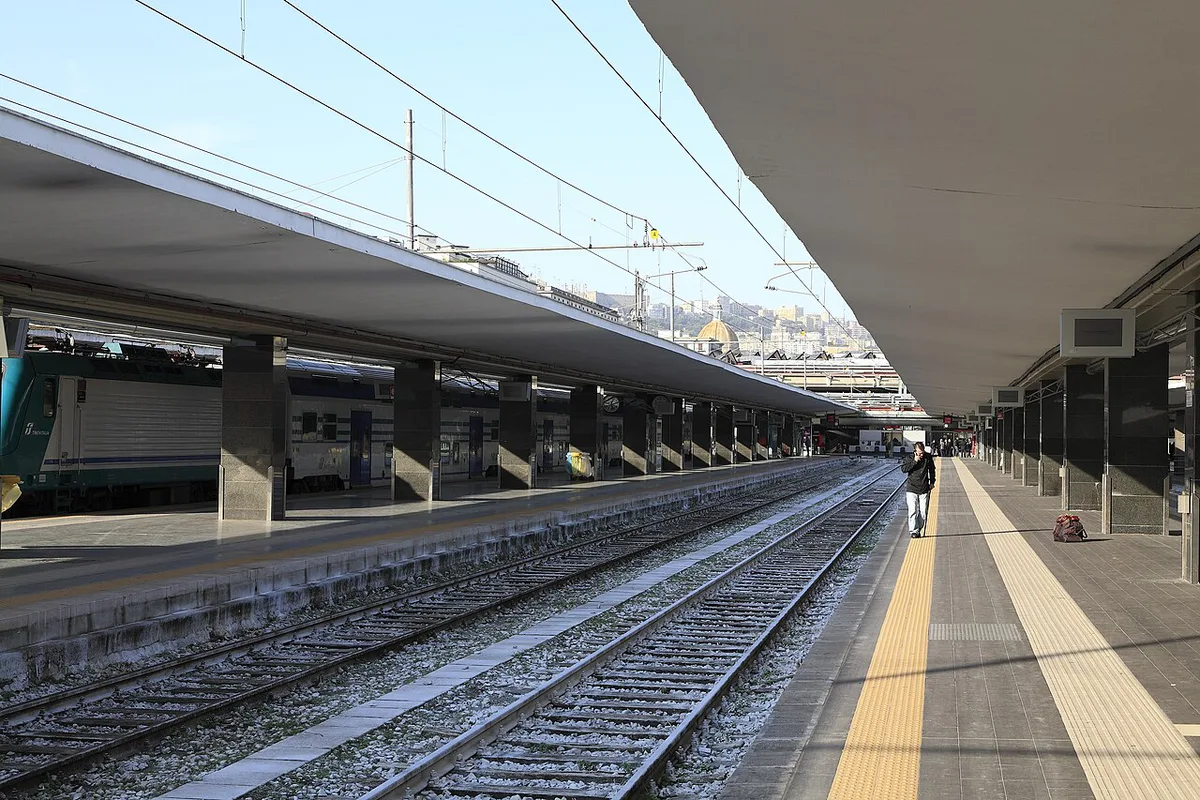
- Extra caution after dark: the blocks around Napoli Centrale and Piazza Garibaldi once shops close and crowds thin out
- Extra caution off the beaten path: parts of Forcella and the lower Rione Sanità that sit outside the guided walking routes
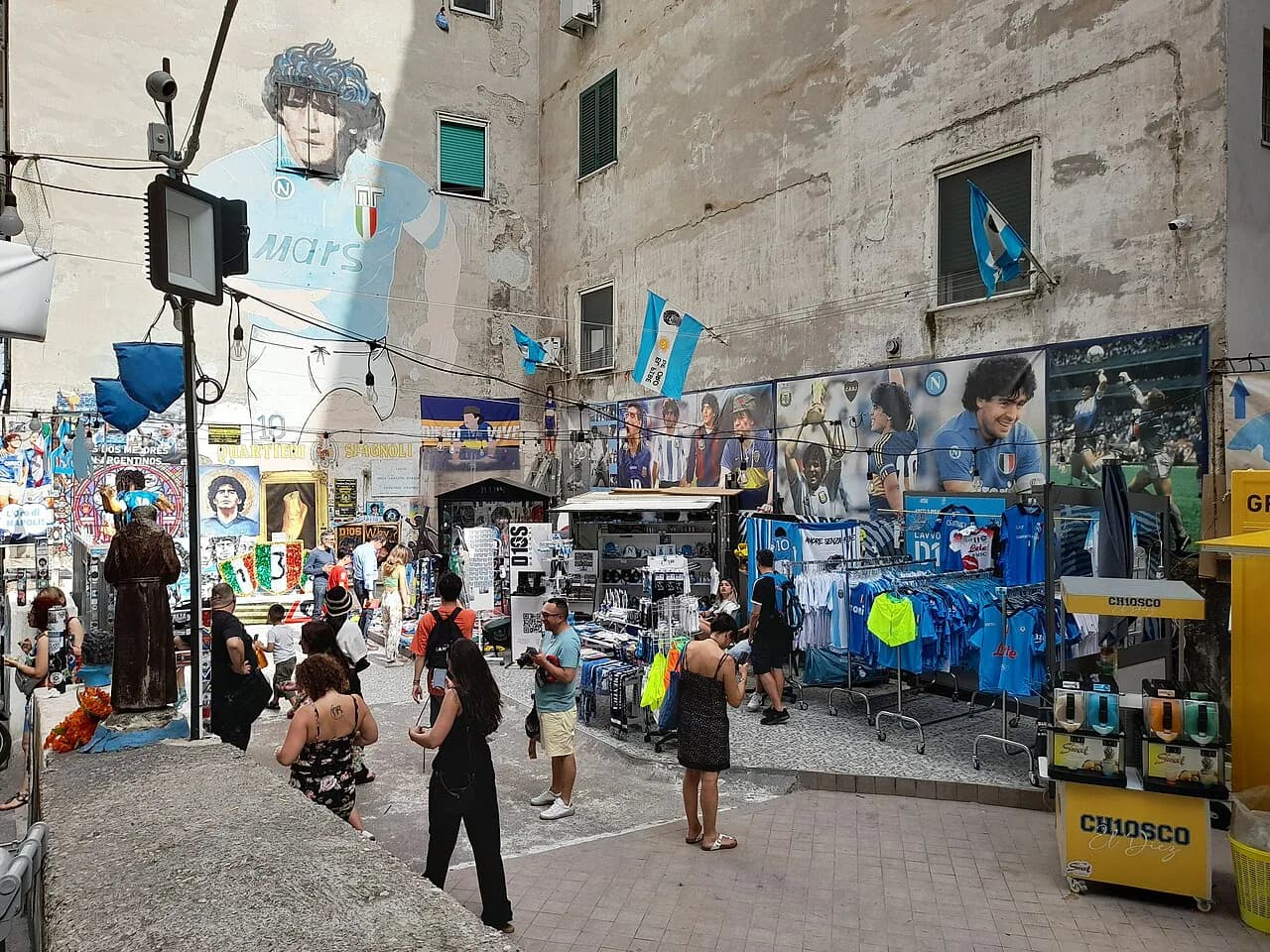
- Extra caution due to layout: the Quartieri Spagnoli's steep upper alleys, where narrow streets and scooter traffic can catch distracted walkers off guard
Naples' Reputation vs Reality: Why the City Gets a Bad Rap
Naples' reputation is rooted less in current conditions and more in decades-old headlines. The city's association with organized crime, combined with widely publicized moments like the trash-collection crisis of the 1980s and 90s, cemented an image in the public imagination that has been slow to update. Fictional television and film added to that perception, even as local and national governments spent the early 2010s onward investing heavily in tourism infrastructure and public spaces. The practical result is a city where petty theft is the realistic concern, not violent crime, and independent research cited by travel outlets has placed Naples below Rome, Milan, and Florence on general crime measures rather than above them. For a deeper look at how the numbers actually break down, see the dedicated Naples crime rate data.
| City | Petty Crime Reputation | Violent Crime Reputation | Tourist Takeaway |
|---|---|---|---|
| Naples | Elevated near transit hubs and crowded alleys | Comparatively low relative to other major Italian cities, per independent rankings | Stay alert around Napoli Centrale; the rest of the city is walkable |
| Rome | Comparable pickpocketing risk around major sights and metro lines | Comparatively low | Standard big-city vigilance applies, same as Naples |
| Milan | Generally cited as lower than Naples or Rome | Comparatively low | Considered by many guides the most orderly of the three for casual visitors |

Neighborhood Deep-Dive: Where to Exercise Caution
Naples' trickier pockets are not interchangeable, and treating them as one blanket "bad area" causes visitors to either avoid genuinely fine neighborhoods or under-prepare for the ones that need real attention. Here is what to actually expect in each.
Naples' intensity—loud streets, scooters, crowds—is chaotic but not inherently dangerous. The real warning sign is isolation: dim alleys with no open businesses or pedestrians signal time to rejoin the flow toward main squares.
- Piazza Garibaldi and Napoli Centrale: the single most-cited sketchy area for tourists, largely because transport hubs concentrate distracted travelers and opportunists in equal measure, especially once evening crowds thin
- Quartieri Spagnoli: vibrant, culturally rich, and busy with life during the day, but its steep upper alleys can disorient newcomers and have seen scooter-based bag-snatching incidents
- Rione Sanità and Forcella: an area genuinely in transition, celebrated for food and Baroque history along its main guided routes, but the side streets off those routes call for more situational awareness
- Scampia and Secondigliano: famous largely through crime dramas, these peripheral districts have no tourist attractions or logistical reason for a visitor itinerary to pass through them
Piazza Garibaldi and Napoli Centrale: A 3-Minute Survival Guide
Most travelers only need to survive this area for the few minutes it takes to transfer from train to taxi, hotel, or metro, and a little preparation makes that transition painless. The goal is to move with purpose and avoid lingering in the immediate station forecourt, which is exactly the kind of crowded, high-turnover environment that petty theft opportunists favor.
- Head directly for the official, clearly marked taxi stand rather than accepting rides from unofficial drivers who approach you first
- Keep bags zipped and worn across the front of your body rather than slung over one shoulder while navigating the concourse
- Have your accommodation address and transfer plan ready before you exit so you are not standing still consulting a phone or map in the open
- Know the common approach patterns covered in the guide to common tourist scams so you can recognize and decline unsolicited "help" with luggage or directions
Navigating Transport and Nighttime Streets Safely
Naples' Linea 1 Metro is generally regarded as one of the safer ways to move around the city, while buses and trams, like public transport in any major city, are where pickpocketing is most likely simply because of crowding. Staying aware of your belongings on packed routes covers most of the realistic risk. At night, the well-lit, pedestrian-heavy streets of the Centro Storico and the Lungomare stay comfortable to walk, while poorly lit side streets away from that main flow are better saved for daylight. Full route-by-route detail lives in the public transport safety tips, and the after-dark specifics, including which routes solo walkers should prioritize, are covered in the nighttime safety guide. Travelers heading out alone should also check the solo female travel guide for route-planning specifics before an evening out.
Vesuvius and Campi Flegrei: The Natural Hazard to Monitor
The one genuine geographic concern near Naples is not a neighborhood but a volcano. Mount Vesuvius is active, and its last eruption dates back to 1944, which makes some travelers uneasy about visiting the surrounding red zone. In practice, Vesuvius is one of the most closely monitored volcanoes in the world, with the Osservatorio Vesuviano running continuous monitoring stations across the national park and out to the Campi Flegrei caldera, backed by a detailed evacuation plan that would activate well before any eruption became imminent. Travelers who want current status information ahead of a visit can check alerts from Italy's Protezione Civile and the Osservatorio Vesuviano before planning day trips to the volcano or the Phlegraean Fields area.
Where to Stay Instead: The Safest Neighborhoods in Naples
Choosing the right base does more for a stress-free trip than almost anything else on this list, since it removes the Piazza Garibaldi transition from your daily routine entirely. A handful of neighborhoods consistently come recommended for exactly this reason.
- Chiaia: upscale and waterfront-adjacent, comfortable for evening walks and dinners well after dark
- Vomero: a hilltop, largely residential district that feels calm and family-friendly, reached easily by funicular
- Santa Lucia and the Lungomare: tourist-heavy and well-trafficked, which keeps the seafront promenade open and well-monitored into the evening
- Posillipo: quiet, affluent, and scenic, with sweeping bay views and a slower pace than the city center
Essential Safety Tips for a Stress-Free Trip
None of these tips are Naples-specific in isolation, but together they cover most of what separates a relaxed trip from an uncomfortable one, and they compound well with the neighborhood-specific advice above.
Petty theft concentrates around transit hubs and crowded areas, not violent crime. Keeping cash separated, avoiding flashy jewelry, and securing bags directly address the primary realistic threat across all of Naples.
- Don't carry more cash than you need for the day; keep the bulk of your funds and cards secured separately from your daily spending wallet
- Don't wear expensive jewelry or flashy watches that could draw attention in crowded areas
- Don't stand still consulting a paper map or phone in the middle of a busy street; step to a shop entrance or café instead
- Do use official, marked taxis or rideshare apps rather than unmarked cars offering rides near the station
- Do keep bags worn across the front of your body on public transport and in dense pedestrian areas like the Quartieri Spagnoli
Final Verdict: Is Naples Safe to Visit in 2026?
For the overwhelming majority of visitors, Naples in 2026 is a safe, walkable, and rewarding city once you know which specific blocks call for extra attention: the immediate Napoli Centrale and Piazza Garibaldi area after dark, the off-route stretches of Forcella and lower Rione Sanità, and the upper Quartieri Spagnoli alleys. Solo travelers and families alike can navigate around these pockets with the same common-sense habits that work in any large European city, and basing yourself in Chiaia, Vomero, Santa Lucia, or Posillipo removes most of the remaining friction. For the full risk picture, including how Naples compares statistically to other major Italian destinations, revisit the complete Naples safety overview before you finalize your itinerary.
Dangerous vs Chaotic: How to Read Naples Street Life
Many first-time visitors mistake Naples' intensity for danger. Streets such as Via dei Tribunali, Spaccanapoli, Via Toledo, and the lower Quartieri Spagnoli can feel loud and compressed, with scooters passing close, vendors calling out, laundry overhead, graffiti, and crowds spilling from bars or pizzerias. That atmosphere is chaotic, not automatically unsafe, especially when families, students, shopkeepers, and restaurant queues are still around.
The practical warning sign is not noise; it is isolation. If you drift into a dim side alley with no open businesses, few pedestrians, and no clear route back to a main street, turn around and rejoin the flow toward Piazza Dante, Piazza Bellini, Via Toledo, or the seafront. In crowded markets like Pignasecca, treat the risk as pickpocketing rather than personal danger: zip bags, keep phones off outdoor table edges, and avoid walking with luggage unless you are going directly to accommodation.
For trip-planning details, see US State Department Italy travel advisory.
Frequently Asked Questions
What is the most commonly cited area tourists are told to avoid in Naples?
The blocks immediately around Napoli Centrale and Piazza Garibaldi are the most frequently flagged, particularly after dark, because the constant flow of people through a major transit hub attracts petty theft opportunists rather than any serious threat.
Is the Quartieri Spagnoli safe to walk through?
During the day, the Quartieri Spagnoli is considered a vibrant, culturally rich area that most guides recommend visiting. The caution applies mainly to its steep upper alleys, where narrow layouts can disorient visitors and scooter-related bag-snatching has been reported.
Should travelers avoid Naples because of Mount Vesuvius?
No. Vesuvius is one of the most closely monitored volcanoes in the world, with the Osservatorio Vesuviano tracking activity continuously and a detailed evacuation plan in place. Checking current alerts before a day trip to the volcano is a reasonable precaution, not a reason to skip Naples altogether.
Is it safe to stay in a hotel near Napoli Centrale to save money?
It can work if you are comfortable moving through the station area with a bit more vigilance, but many travelers find the trade-off not worth it and prefer basing themselves in Chiaia, Vomero, or Santa Lucia instead, which trims the daily exposure to the busiest part of the station district.
Are Scampia and Secondigliano dangerous for tourists?
These peripheral districts carry a strong reputation tied to organized crime and popular crime dramas, but they hold no tourist attractions and sit well outside any standard Naples itinerary, so there is little practical reason for a visitor to pass through them in the first place.
Do I need to worry about public transport in Naples?
The Linea 1 Metro is generally regarded as one of the safer ways to get around, while buses and trams carry the same crowd-based pickpocketing risk found on public transport in most major cities. Staying aware of your bag in crowded carriages covers most of the realistic risk.


