
Bari Areas to Avoid: Neighborhood Safety & Logistics Guide
Last updated June 2026, this guide breaks down the short, honest list of Bari areas to avoid so you spend less time worrying and more time enjoying Puglia's capital. Bari's rough-port reputation goes back decades, but the practical concerns today are narrower and far more specific: a couple of peripheral residential districts, the stretch immediately behind the train station once it gets dark, and pockets of petty theft in the busiest tourist lanes. For the wider citywide context behind these individual neighborhood calls, the overall Bari safety overview lays out the bigger picture before this guide zooms into specific streets and districts.
Executive Summary: Is Bari Safe in 2026?
Bari in 2026 is a safe, walkable city for the overwhelming majority of visitors, and the neighborhoods worth flagging form a short, specific list rather than a citywide warning. Violent crime against tourists is genuinely rare; the practical risks are pickpocketing in crowded lanes, opportunistic theft near transit hubs, and the simple disorientation of wandering into residential districts that have nothing to offer a visitor in the first place. Three zones deserve extra alertness: the immediate area around Bari Centrale station after dark, the Libertà district west of the tracks, and the peripheral social-housing districts of San Paolo and Japigia on the city's edge. None of these require canceling or reworking a trip. They call for the same street-smart habits that apply in any mid-sized European city, adjusted for a few local specifics covered section by section below.
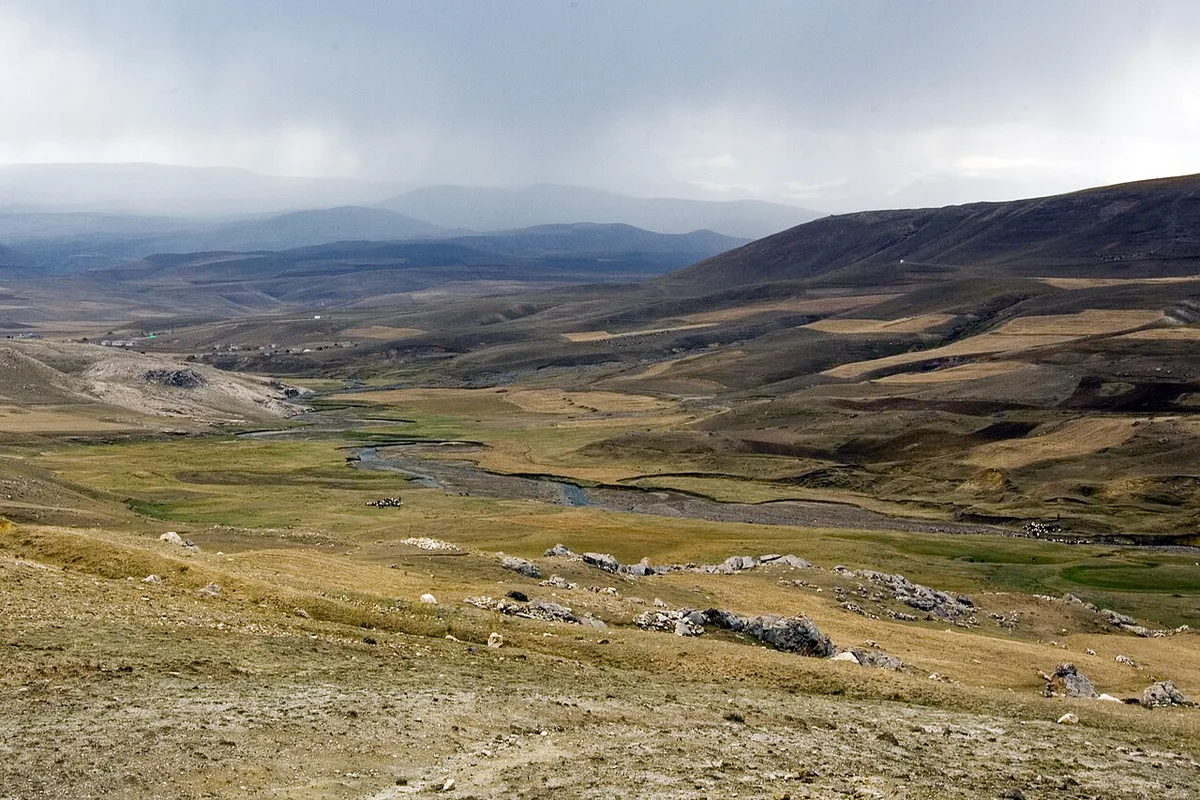
Bari Areas to Avoid: Neighborhood Safety Map at a Glance
Use this table as a quick reference before booking accommodation or planning an evening walk. The assessments are our editorial read of each district's day and night character for visitors — not an official crime index, which doesn't exist at neighborhood level.
| Neighborhood | Vibe | Our Read | Why Stay (or Avoid) |
|---|---|---|---|
| Murat (city center) | Grid streets, Via Sparano boutiques, seafront a short walk away | Comfortable day and night | Prime tourist base; highest nightly cost of the group |
| Bari Vecchia (Old Town) | Medieval lanes, cathedrals, pasta-makers | Comfortable on the main lanes; quieter alleys need awareness late | Atmospheric stays; busier and safer than its old reputation |
| Bari Centrale & Piazza Moro | Transit hub, station underpasses | Fine by day; isolated feel late at night | Convenient for trains; not a place to linger after the last regionals |
| Libertà | Working residential grid west of the station | Ordinary by day; more caution after dark | Cheaper than Murat; a transition zone that shifts after dark |
| Japigia | Coastal residential district, some social housing | No visitor reason to go | Purely a residents' logistics zone |
| San Paolo | Peripheral social-housing estate | No visitor reason to go | Furthest from any sight; skip rather than fear |
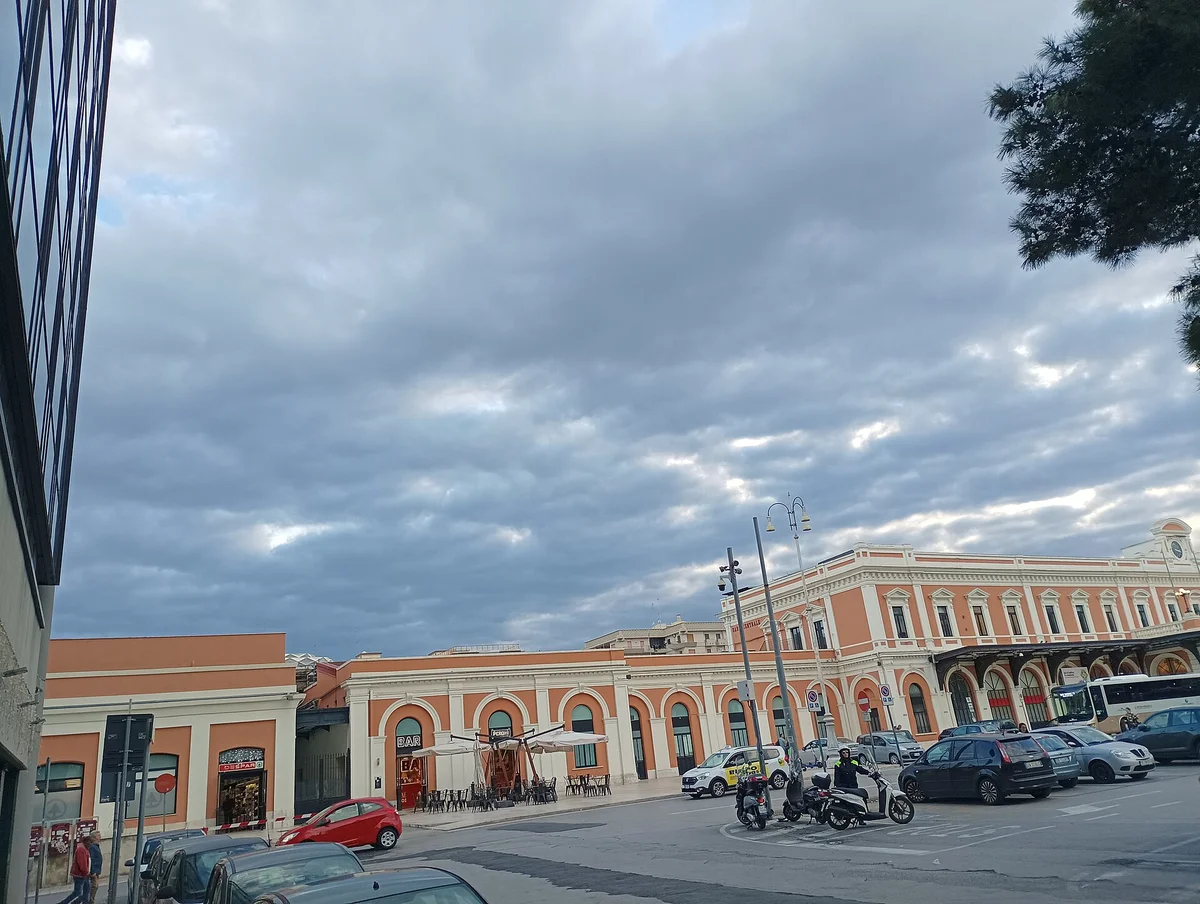
The Cautionary Zones: Where to Stay Alert
Bari's cautionary zones are less about danger in the crime-statistic sense and more about knowing where a district's daytime character shifts once the streetlights come on, or where a residential neighborhood simply has nothing to do with a visitor's itinerary. Three specific areas are worth naming clearly rather than dancing around.
- Bari Centrale and Piazza Aldo Moro: the station square and the underpasses connecting it to Via Capruzzi are busy and well lit by day, but foot traffic drops noticeably later at night, and the tunnels beneath the tracks are the specific stretch worth routing around rather than through once it's dark.
- Libertà: this grid of residential streets just west of the station is a transition zone, with daytime markets and ordinary family life giving way to a quieter, less predictable feel after dark. It is not a no-go district, but it is not where most visitors choose to base an evening stroll either.
- Japigia and San Paolo: these are residents' neighborhoods on Bari's periphery, built around social housing rather than sightseeing. There is essentially no reason for a visitor to pass through either one, so the honest advice is to skip them rather than to fear them.
Bari Vecchia (Old Town): Separating Myth from Reality
Bari Vecchia earned a rough reputation in the 1970s and 1980s, when the old town was associated with poverty, small-time smuggling, and a level of neglect that kept locals and visitors away after sunset alike. That reputation is decades out of date and worth treating as history rather than a current risk. Today the old town is Bari's most visited district, packed with cathedrals, pasta-makers rolling orecchiette on outdoor tables, and evening foot traffic that keeps its narrow lanes lively rather than empty. The maze-like layout that once felt threatening now works in the district's favor: streets stay busy with restaurant tables and passersby well into the evening, and the realistic risk is the same low-level pickpocketing that affects any dense historic center, not a hangover from the old town's earlier reputation.
If a lane in Bari Vecchia ever feels too quiet at night, the fix is simple: the busy spines toward Piazza Mercantile and the cathedral are never more than a block or two away — reroute rather than push on through an empty vicolo.
Safety Logistics: Getting Around Bari After Dark
Bari rewards a bit of planning once the sun goes down, especially for anyone staying outside the Murat grid or Bari Vecchia. Stick to well-lit main streets rather than shortcuts through Libertà's side blocks, and treat the Bari Centrale underpasses as a route to use before dusk rather than after it. AMTAB runs the city's bus network and remains the practical way to skip a long walk through unfamiliar peripheral blocks after dark; check current routes and last-departure times directly with AMTAB rather than assuming a specific line will still be running late. For a deeper breakdown of after-dark habits citywide, see the dedicated guide on walking Bari safely after dark, and pair it with the notes on Bari Public Transport Safety: Buses, Trains & Taxis for specifics on buses and late trains.
Decision Criteria: Where to Stay Based on Your Risk Tolerance
Where to book largely comes down to how much walkability after dinner matters versus saving on accommodation cost. Murat and Bari Vecchia sit at the cautious end of the spectrum, with the trade-off being a noticeably higher nightly rate than a comparable stay in Libertà covering the same dates. Solo travelers, and solo women in particular, tend to weigh that trade-off more heavily than a couple or a group, since a five-minute walk back to a hotel matters more when it's a solo one. The dedicated guide to solo female travel safety in Bari goes further into which districts and habits matter most for travelers weighing that exact calculation.
- Choose Murat or Bari Vecchia if a short, well-lit walk back to accommodation matters more than shaving cost off the nightly rate.
- Choose a central pocket of Libertà, close to the Murat border rather than its outer edge, if budget matters more and evenings wrap up before late night.
- Skip booking in Japigia or San Paolo regardless of budget: any savings are offset by long transit times to every sight worth seeing in Bari.
Common Scams and Petty Crime in High-Traffic Areas
The realistic risk in Bari's tourist zones is petty theft and low-level scams rather than violent crime, and it clusters in exactly the places a traveler would expect: the station concourse, crowded Bari Vecchia lanes during peak lunch and dinner hours, and the Lungomare promenade on busy summer evenings. Standard precautions cut the risk close to zero: keep bags zipped and worn in front on buses, avoid flashing phones or cash in the old town's narrowest lanes, and treat any stranger offering unsolicited help with directions or luggage near the station with polite skepticism. The dedicated rundown of common tourist scams in Bari covers the specific tactics reported around the station and old town in more detail.
If a theft does happen, file the report (denuncia) with the Polizia di Stato or Carabinieri promptly — travel-insurance claims require it, and Bari's Questura processes tourist reports routinely. Dial 112 for emergencies.
- Bag and pocket theft in dense Bari Vecchia lanes during peak dining hours
- Unsolicited 'help' with luggage or directions around Bari Centrale
- Distraction tactics on crowded AMTAB buses to and from the station
Summary Checklist: How to Navigate Bari Like a Local
None of the above adds up to avoiding Bari; it adds up to treating it the way a careful traveler treats any mid-sized Italian city, with a short list of specific habits rather than a blanket sense of unease.
- Base a stay in Murat or Bari Vecchia rather than the outer edge of Libertà, San Paolo, or Japigia.
- Treat the Bari Centrale underpasses as a daytime route and take a taxi or bus once it's dark instead.
- Keep bags zipped and phones out of sight during Bari Vecchia's busiest lunch and dinner hours.
- Check AMTAB routes and schedules ahead of a late-night return rather than assuming a bus will still be running.
- Remember that Bari Vecchia's 1970s and 1980s reputation is history, not a current risk factor.
For trip-planning details, see US State Department Italy travel advisory.
Frequently Asked Questions
Is the Bari train station area safe to walk at night?
Piazza Aldo Moro and the immediate station forecourt stay reasonably busy into the evening, but foot traffic drops noticeably later at night, and the underpasses toward Via Capruzzi are the specific stretch worth routing around after dark. A short taxi ride or bus is the more comfortable option once the square empties out.
What is the most dangerous neighborhood in Bari?
There isn't a single 'most dangerous' district in the violent-crime sense. San Paolo and Japigia are flagged mainly because they're peripheral social-housing areas with nothing for visitors to see, while Libertà is flagged as a transitional zone that feels different after dark than it does during the day.
Is Bari Vecchia safe for tourists now?
Yes. Bari Vecchia's rough 1970s and 1980s reputation is decades out of date; the old town is now Bari's busiest tourist district, and the main risk is ordinary pickpocketing in crowded lanes rather than anything tied to its earlier reputation.
Which areas in Bari are best for families to stay?
Murat, with its grid streets and an easy walk to the Lungomare seafront, and Bari Vecchia both work well for families who want walkable access to sights and restaurants without venturing into the peripheral districts.
Should I avoid the Libertà district?
Not entirely. Libertà is a working residential district with genuine daytime life and lower accommodation costs than Murat, but it's reasonable to stay alert there after dark and to avoid treating its side streets as a late-night shortcut.


