Bari Public Transport Safety: A Complete Guide for Travelers
Last updated February 2026, this guide breaks down Bari public transport safety across AMTAB city buses, regional trains, and taxis so travelers know exactly where to stay alert. Overall, transit in Puglia's capital ranks safer than Naples or Rome for violent crime, but pickpocketing around Bari Centrale and its crowded platforms remains the top risk for visitors. The sections below cover ticket validation, station logistics, and after-dark transit choices in practical, on-the-ground detail.
Bari Public Transport Safety: The Quick Answer
Bari public transport safety earns a solid rating for a mid-sized Italian city: AMTAB buses, Trenitalia and Ferrovie del Sud Est regional trains, and the Ferrovie del Nord Barese airport line all operate with visible staff presence and standard European transit security. Compared with Naples' crowded metro or Rome's tourist-saturated Termini station, Bari's transit network sees far less organized pickpocketing, though petty theft still clusters around Bari Centrale during peak commuting hours. Travelers researching the overall safety picture in Bari will find that transit risk tracks closely with the city's broader "two Baris" pattern: a relaxed, walkable daytime rhythm around Piazza Moro and the Murat district, versus a transit environment that feels noticeably quieter, and requires more caution, after the last regional trains pull in late at night. The practical takeaway is that riding AMTAB buses or regional trains during daylight hours carries minimal risk beyond standard bag awareness, while late-night connections warrant the same vigilance recommended for any major European rail hub.
Navigating Bari Centrale: The Main Transit Hub
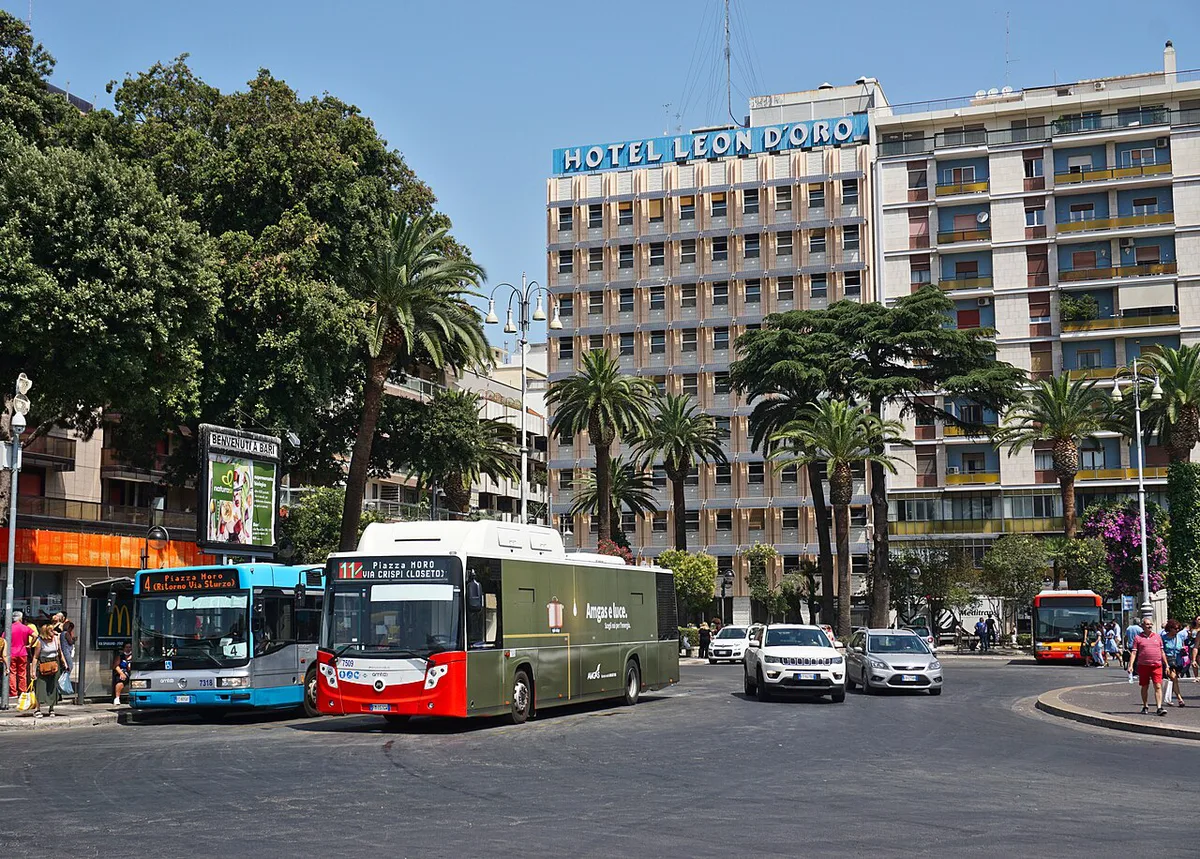
Bari Centrale sits at the heart of Piazza Moro, where AMTAB city buses, regional trains, and taxi ranks all converge within a few hundred meters of each other. This concentration of transit options is exactly why the station square doubles as the city's main risk zone for petty theft: pickpockets work the crowded regional platforms — Trenitalia departures down the coast toward Polignano a Mare and Monopoli, and the separate Ferrovie del Sud Est platforms toward Alberobello — along with the ticket hall and the square itself. A staffed Polizia Ferroviaria office operates inside the station for reporting theft or requesting directions, and it is the first stop if a wallet or bag goes missing on the platforms. One frequent point of confusion for new arrivals: the Ferrovie del Sud Est platforms are physically separate from the main Trenitalia tracks and are reached via an underground tunnel, so budget a few extra minutes when connecting between the two systems, especially with luggage in tow. Because renovation work at Bari Centrale periodically shifts access points and platform numbering, it is worth confirming the current layout on the departure boards rather than relying on an earlier visit's memory. Keep backpacks worn on the front and daypacks zipped shut while moving through the concourse, and hold rolling luggage handles rather than letting bags trail behind in the crowd. The streets fanning out from the station toward Libertà are also worth knowing before dark; see the areas to avoid near the station for specifics on which blocks to route around at night.
AMTAB City Buses: Crowds, Routes, and Pickpocket Risk
AMTAB runs Bari's city bus network, and tourists rely on it most heavily for Line 12, which connects the city center to the beaches along the Bari coastline. Buses are mechanically safe and drivers are professional, but the real risk factor is overcrowding: during the morning and early-evening commute, packed buses create exactly the close-contact conditions pickpockets favor, particularly on routes passing through the station and main shopping streets. The ticket validation process trips up more visitors than any actual crime: every AMTAB ticket must be stamped in the small yellow oblitera machine mounted near the bus doors immediately after boarding, even if it was purchased in advance from a kiosk or the AMTAB app. Skipping this step because a ticket is already "purchased" is the single most common mistake tourists make, and inspectors treat an unvalidated ticket the same as no ticket at all, issuing a fine on the spot regardless of intent.
- Board through the rear or middle doors when the bus is crowded and keep bags in front, not on your back.
- Validate the ticket in the yellow oblitera machine the moment you board; a purchased-but-unstamped ticket still earns a fine.
- On Line 12 to the beaches, expect standing-room crowds on summer afternoons; consider walking or a short taxi ride instead if carrying valuables.
- Buy tickets before heading out when possible; many station-area kiosks stop selling paper tickets after 8:00 PM.
Regional and Airport Trains: Security on the Rails
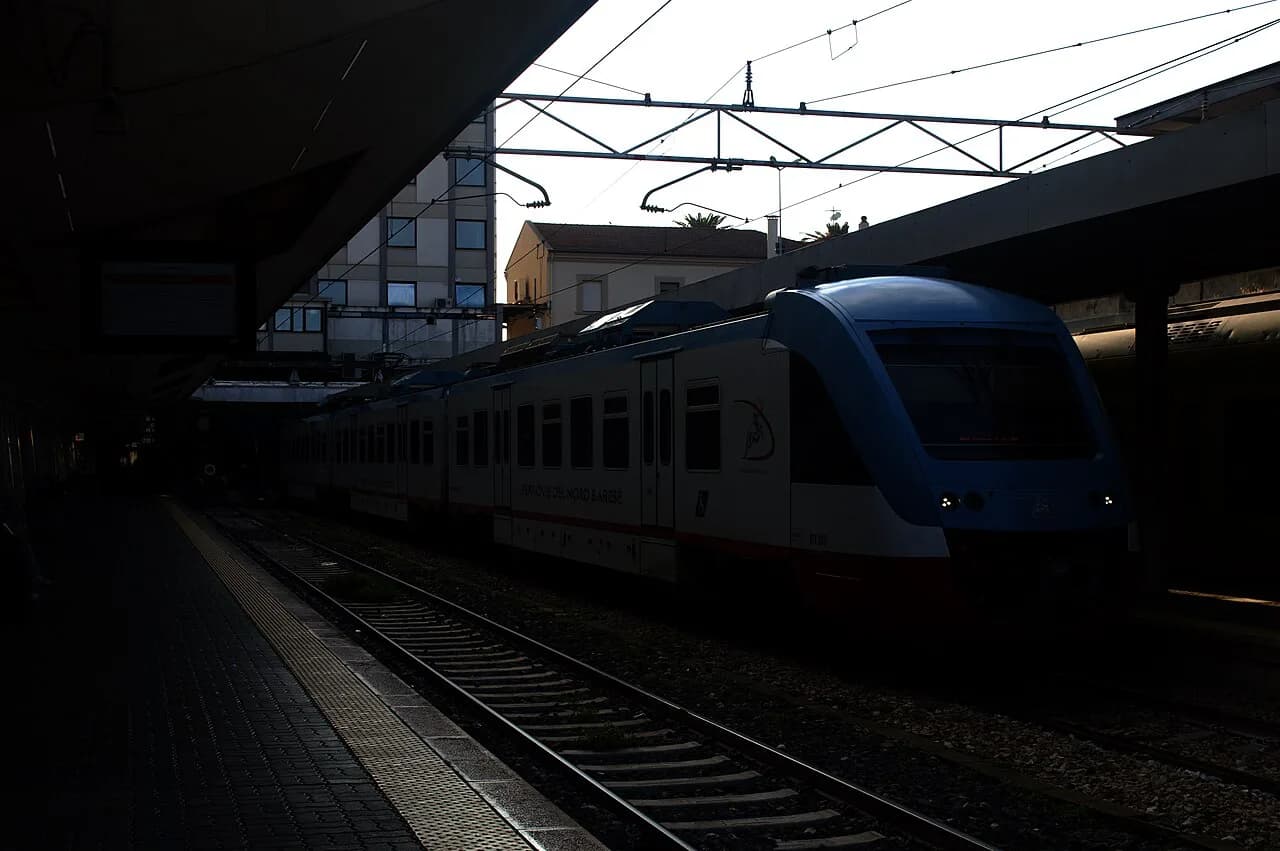
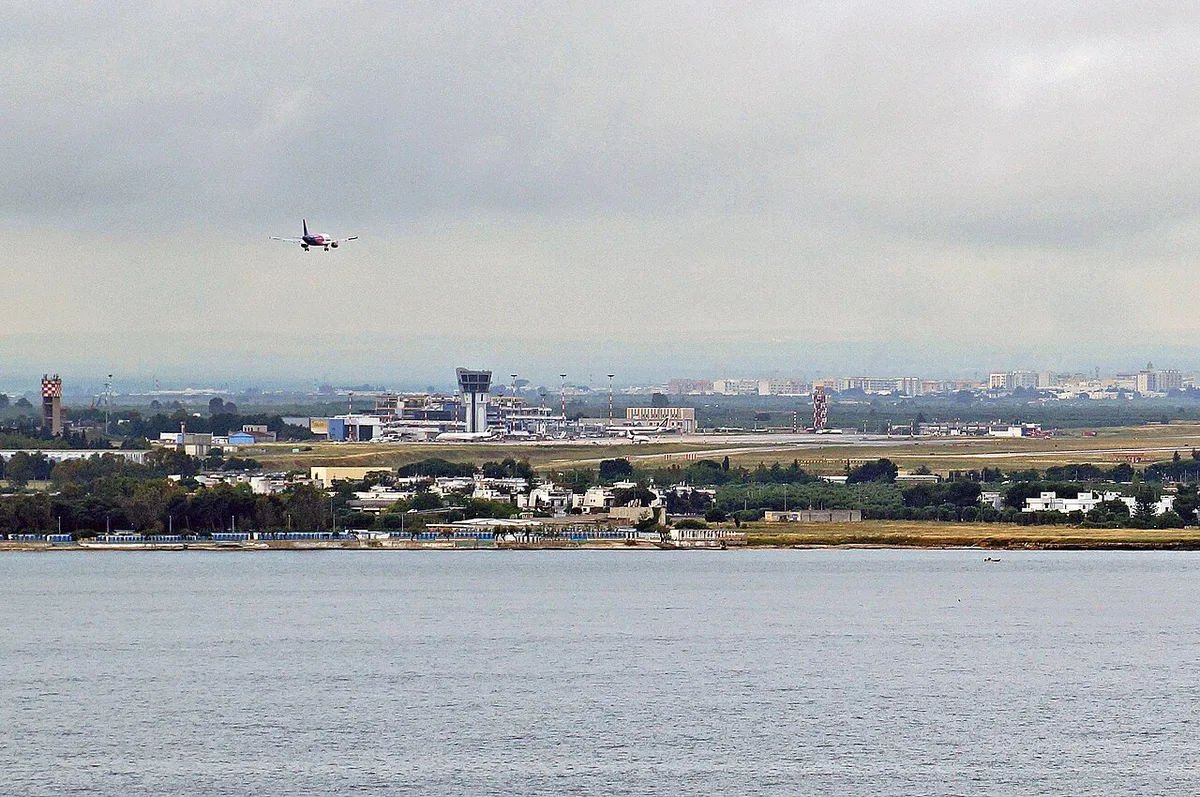
The Ferrovie del Nord Barese line runs the direct airport-to-city rail connection between Bari Karol Wojtyła Airport and Bari Centrale, and it is considered one of the more secure transit options in the city thanks to staffed stations at both ends and a predictable, well-lit route. Trenitalia regionals running down the Adriatic coast to Polignano a Mare and Monopoli, and Ferrovie del Sud Est trains heading inland toward Alberobello, are the workhorses for day-trippers and carry conductors who check tickets and pass through carriages periodically, which naturally discourages theft compared with unstaffed platforms. The highest-risk moments on these lines happen at platform level rather than onboard, specifically the crowded boarding window at Bari Centrale, where Ferrovie del Sud Est departures toward Puglia's hill towns draw dense tourist crowds focused on finding the right platform rather than watching their bags. Once seated, keep valuables in a bag placed between the feet or in a lap rather than on an overhead rack, and treat the trains themselves as the lower-risk segment of the journey compared with the station platforms at either end.
Taxis and Ridesharing: Staying Safe and Avoiding Overcharges
Official Bari taxis are white with a visible roof light and a municipal license number, and they operate from marked ranks at Bari Centrale, Piazza Moro, and the airport arrivals hall; this is the safest way to hail a cab rather than accepting offers from unmarked drivers who approach travelers directly in the terminal or station forecourt. Ridesharing in Bari is more limited than in cities like Rome or Milan, and availability shifts year to year: where Uber appears at all it has tended to be the higher-tier Black or Van product rather than a standard low-cost option, so most visitors default to licensed taxis or the airport train. Whichever option is used, confirm before departure that the meter is running or that a fixed rate has been agreed for the specific route, since undeclared flat fares from unofficial drivers are a more common problem than any physical safety risk. Airport-to-city taxi rides and station transfers are both routine, low-risk trips as long as the vehicle is a marked, official cab.
Nighttime Transit: Safety After Dark
AMTAB bus frequency drops noticeably after 10:00 PM, with longer waits between services on most routes, which is the main practical safety consideration for late-night transit rather than any spike in onboard crime. The walk from Bari Centrale toward the Murat district or Bari Vecchia, the old town, is well-lit and busy with foot traffic in the early evening, but it thins out significantly later at night, and the immediate station perimeter, rather than the old town itself, is where most travelers report feeling uneasy after dark. For a fuller breakdown of which routes and hours warrant extra caution, the dedicated guide to Bari's nighttime safety covers lighting, foot traffic, and neighborhood-by-neighborhood detail beyond transit alone. Solo travelers connecting late at night should favor a taxi from the official rank over a lightly used bus stop, stick to Piazza Moro's well-lit taxi queue rather than side streets, and share a live location with someone before a late arrival. The solo female travel safety guide adds specific guidance on late-arrival planning, accommodation proximity to transit, and which stations to avoid waiting at alone.
In an emergency anywhere on the network, dial 112 — the single European emergency number (113 reaches the Polizia di Stato directly). For theft on trains or platforms, the staffed Polizia Ferroviaria office inside Bari Centrale takes the report insurance claims require.
Common Transit Mistakes and Scams to Avoid
The most expensive mistake in Bari's transit system is not theft; it is the validation trap: boarding an AMTAB bus with a pre-purchased but unstamped ticket, which inspectors fine as if no ticket exists at all, regardless of how the ticket was obtained. A second frequent trap involves self-appointed "helpers" who linger near ticket machines at Bari Centrale and regional platforms, offering to assist with purchases in exchange for a tip or by pocketing change during the transaction; the machines are straightforward enough that unsolicited help should always be declined. On crowded buses and platforms, classic distraction techniques, such as someone spilling a drink, asking for directions while a second person brushes past, or a sudden crowd surge near the doors, remain the most common setup for pickpocketing in Bari, just as in most large Italian transit hubs. These patterns overlap heavily with the wider set of common Bari tourist scams documented for the city, worth reviewing alongside this transit-specific advice before a first visit.
Official taxis between the airport and central Bari run on posted fixed rates — expect roughly €25, displayed in the arrivals hall and inside the cab. In town, a running meter or a rate agreed before departure is your protection against the undeclared flat-fare game.
Safety vs Convenience: Comparing Bari's Transit Options
Choosing between the airport train, city buses, and taxis usually comes down to balancing safety margin against convenience and cost. The table below summarizes how the three main options compare for a typical visitor moving through Bari's transit network in 2026.
| Option | Safety Rating | Convenience | Best For |
|---|---|---|---|
| Ferrovie del Nord Barese (Airport Train) | High: staffed stations, predictable route | Moderate: fixed schedule to Bari Centrale | Airport transfers, budget-conscious travelers |
| AMTAB City Buses | Moderate: safe but crowded at peak hours | High: dense network including Line 12 to the beaches | Short daytime hops, beach trips |
| Official White Taxis | High: door-to-door, avoids crowded platforms | High: available at ranks day and night | Late-night transfers, luggage-heavy trips, solo travelers after dark |
Piazza Moro vs Via Capruzzi: Which Side of Bari Centrale to Use
Bari Centrale has two very different visitor faces. Piazza Aldo Moro, on the north/front side, is the easier choice for most tourists: it has the main Trenitalia entrance, AMTAB stops, the official taxi rank, more foot traffic, and a clearer route toward Via Sparano, Murat, and Bari Vecchia. If you arrive late or feel uncertain, exit here and use the signed taxi queue rather than wandering around the station perimeter.
Via Giuseppe Capruzzi, on the south/rear side, is more practical for some regional and coach connections but feels less intuitive for first-time visitors, especially after dark. It is not a no-go area, but it has fewer obvious tourist landmarks and more traffic-focused streets. When changing between sides of the station, follow the signed station passages and departure boards rather than street-level shortcuts with luggage.
Frequently Asked Questions
Is Bari Centrale safe at night?
Bari Centrale itself stays staffed and lit late into the evening, with Polizia Ferroviaria present, but the immediate station perimeter and the walk toward Libertà feel quieter and warrant more caution after dark than the concourse itself. Solo travelers arriving late are better served taking an official taxi from the rank than waiting alone for a bus.
Do you have to validate AMTAB bus tickets even if bought in advance?
Yes. Every AMTAB ticket, whether bought from a kiosk, machine, or app, must be stamped in the yellow oblitera machine near the bus doors immediately after boarding. An unvalidated ticket is treated as no ticket at all and can be fined on the spot.
Is Uber available in Bari?
Ridesharing is limited compared with larger Italian cities and availability changes; when Uber has operated in Bari it has typically been the higher-tier Black or Van product only. Most visitors rely on licensed white taxis from official ranks instead.
What is the safest way to get from Bari Airport to the city center?
The Ferrovie del Nord Barese airport train is generally the most secure and predictable option, connecting Bari Karol Wojtyła Airport directly to Bari Centrale via staffed stations at both ends. Official airport taxis are a reliable backup for late arrivals or heavy luggage.
Are the regional trains to Polignano a Mare and Alberobello safe for day trips?
Yes. Trenitalia regionals serve Polignano a Mare along the coast while Ferrovie del Sud Est trains reach Alberobello inland, and both carry conductors who circulate through the carriages, keeping the onboard experience low-risk. The main point of caution is the crowded boarding window at Bari Centrale's separate Ferrovie del Sud Est platforms, reached via an underground tunnel, where bag awareness matters most.