Is Pisa Safe for Solo Female Travellers? Local Safety Advice for 2026
Last updated July 2026, this guide answers the question most women researching a Tuscany trip ask first: is Pisa safe for solo female travellers? In short, yes — Pisa is a compact, low-key university city where the tourist core around Piazza dei Miracoli and the streets along the Arno stay busy and reasonably well-lit well into the evening, and the risks solo visitors actually run into are overwhelmingly nuisance-level rather than dangerous. What follows covers where to base yourself, how to move around after dark, and which scams to keep an eye on, building on the broader general Pisa safety overview.
The Verdict: Is Pisa Safe for Solo Female Travellers?
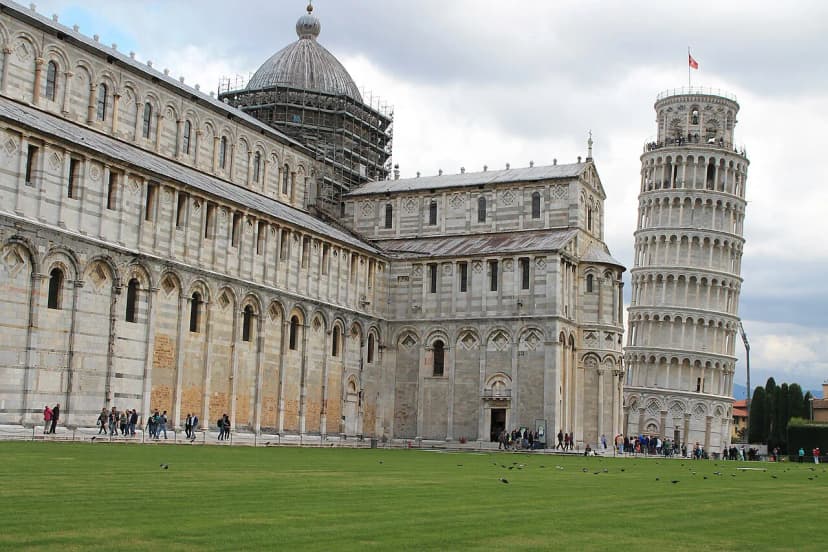
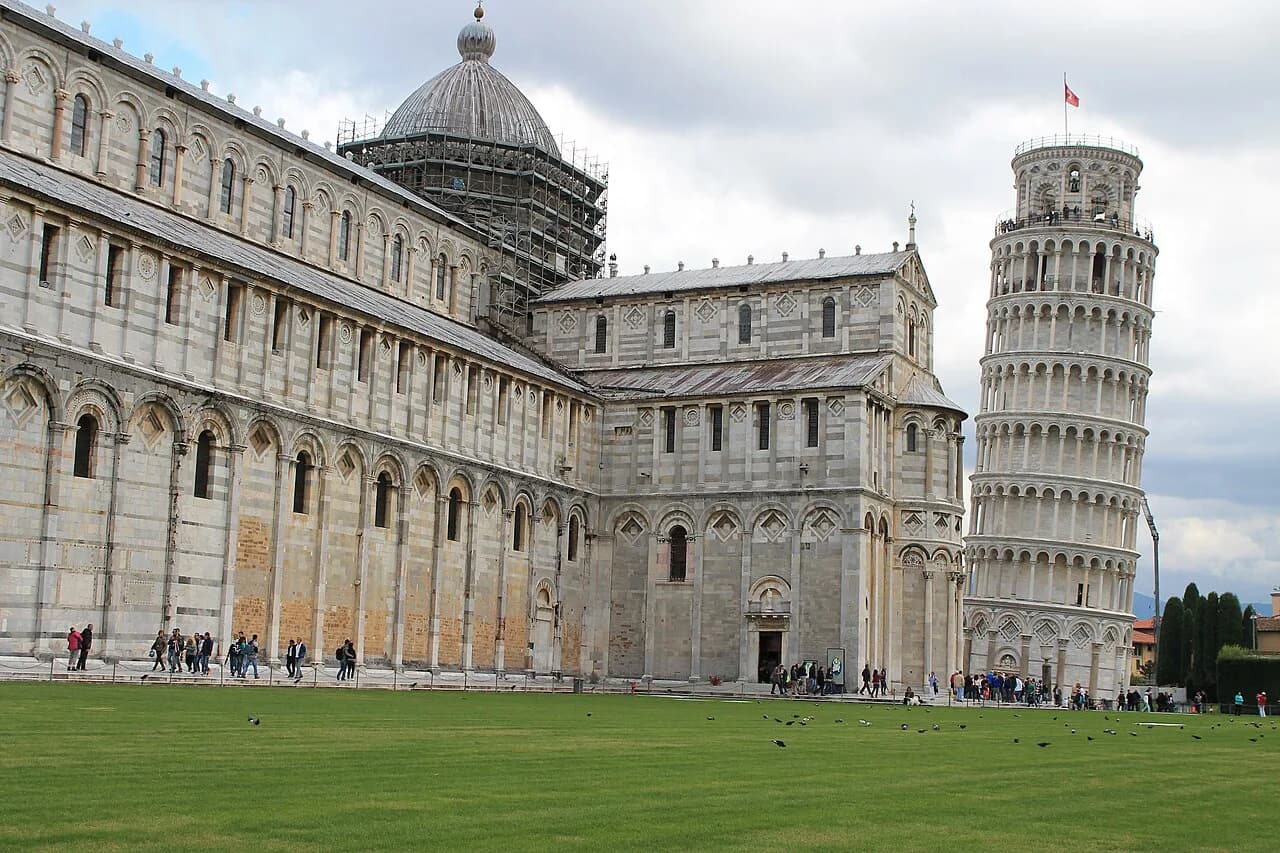
Pisa is a compact, walkable city, and for solo women weighing a day trip or an overnight stay, the practical answer is reassuring: Pisa is comfortable for solo women who take the same sensible precautions they would use in any European city. The historic core around Piazza dei Miracoli, the shopping stretch of Corso Italia, and the streets along the Arno stay busy with tourists, students, and residents from morning until well after dinner, and the crime that does affect visitors is overwhelmingly opportunistic and non-violent — pickpocketing in queues and photo crowds, not physical confrontation. It helps to separate two very different experiences that get lumped together online: feeling briefly uncomfortable, such as a tout offering a selfie stick or a cluster of loiterers near the station, and actually being in danger, which is rare in the areas most solo visitors spend their time. Most travellers only budget a few hours in Pisa to see the Leaning Tower before moving on to Florence or the coast, and that day-trip pattern is genuinely low-key: Piazza dei Miracoli and its surrounding streets stay well-trafficked and highly visible throughout opening hours. Solo women who stay overnight see a slightly different city once the tour buses leave and the crowds thin after dinner, particularly around the station and on quieter residential streets outside the centre, but that shift is more about atmosphere than any documented rise in danger.
The station area generates significant online concern, but actual documented risks concentrate on nuisances—unofficial taxis, selfie-stick sellers, occasional loitering—rather than violent crime. This discomfort-versus-danger distinction explains why online discussion overstates the practical risk.
Safe Neighbourhoods vs. Areas to Exercise Caution
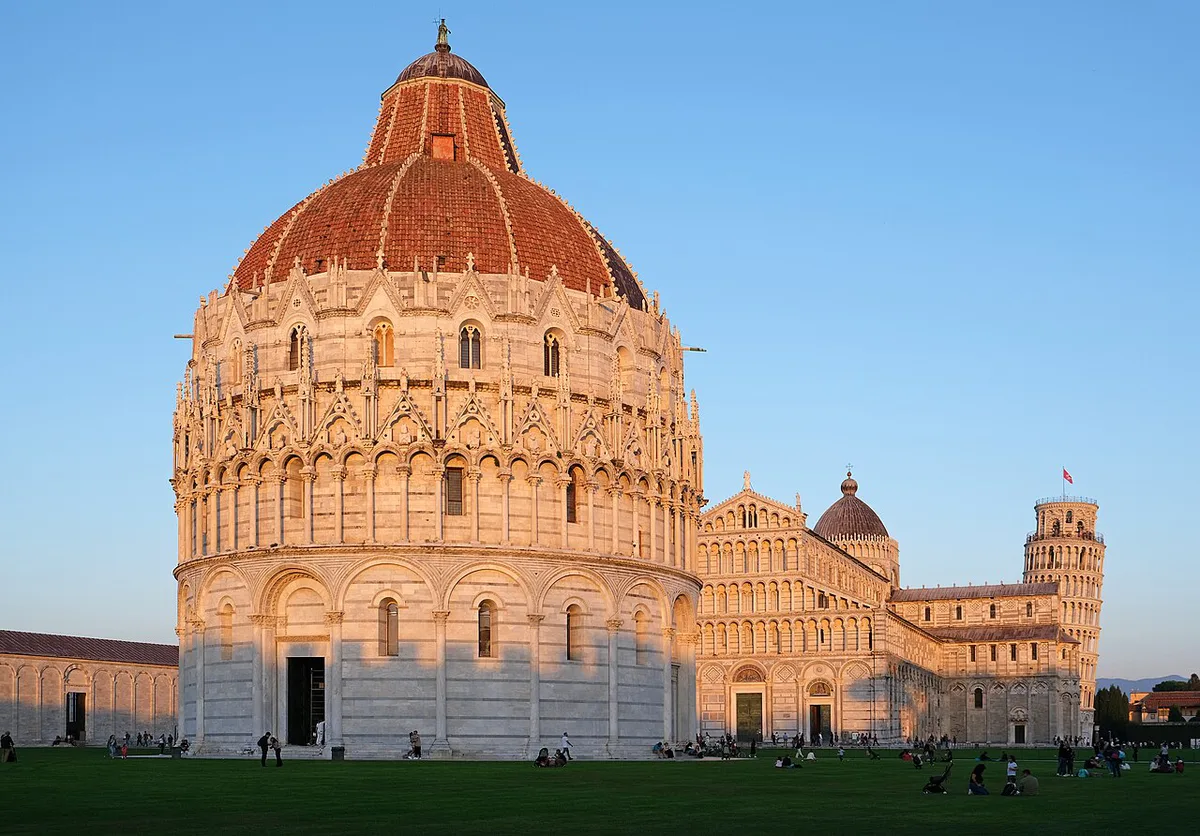
Where you base yourself changes the solo-travel equation more than any single safety tip. The tourist core radiating out from Piazza dei Miracoli, along Corso Italia and near Via Santa Maria, is the most reliably busy and well-lit part of Pisa, mixing souvenir shops and gelaterie with the student housing that keeps the area lively in the evening. The university district shares that same energy: Pisa is a college town, and students studying and socialising late add foot traffic and a casual, watched-over feel to streets that would otherwise empty out. The area immediately around Pisa Centrale is the one that generates the most online debate, and it deserves a more precise description than simply gritty. The discomfort solo women report there is almost always loitering or unlicensed taxi touts approaching arriving trains — nuisances that can feel unsettling after dark but are not, on their own, evidence of danger. The practical response is simple: keep luggage close, decline unsolicited taxi offers, and head into the pedestrian streets toward the centre rather than lingering on the station forecourt. Residential streets further from the historic core are quieter and less touristed, which cuts both ways: less crowd-related pickpocketing risk, but also fewer people around late at night. For a street-by-street breakdown, see the dedicated guide to areas to avoid in Pisa.
Choosing accommodation near the Arno or historic centre—rather than the station—determines whether evening walks follow lit, busy streets with café traffic or require late-night navigation through quiet residential areas. Location choice is the most effective risk mitigation.
| Area | Daytime Atmosphere | Evening Atmosphere | Best For |
|---|---|---|---|
| Tourist Core (Piazza dei Miracoli, Corso Italia) | Very busy, tour groups and vendors | Lively, well-lit cafés and restaurants open late | First-time visitors, day trips |
| Station Area (Pisa Centrale) | Busy with commuters and transit | Quieter, some loitering and unlicensed taxi touts | Passing through, not lingering after dark |
| Residential Pisa (outer streets) | Quiet, local pace of life | Sparse foot traffic once shops close | Longer stays wanting a local feel, with more planning |
Navigating Pisa Solo: Walking and Public Transport After Dark
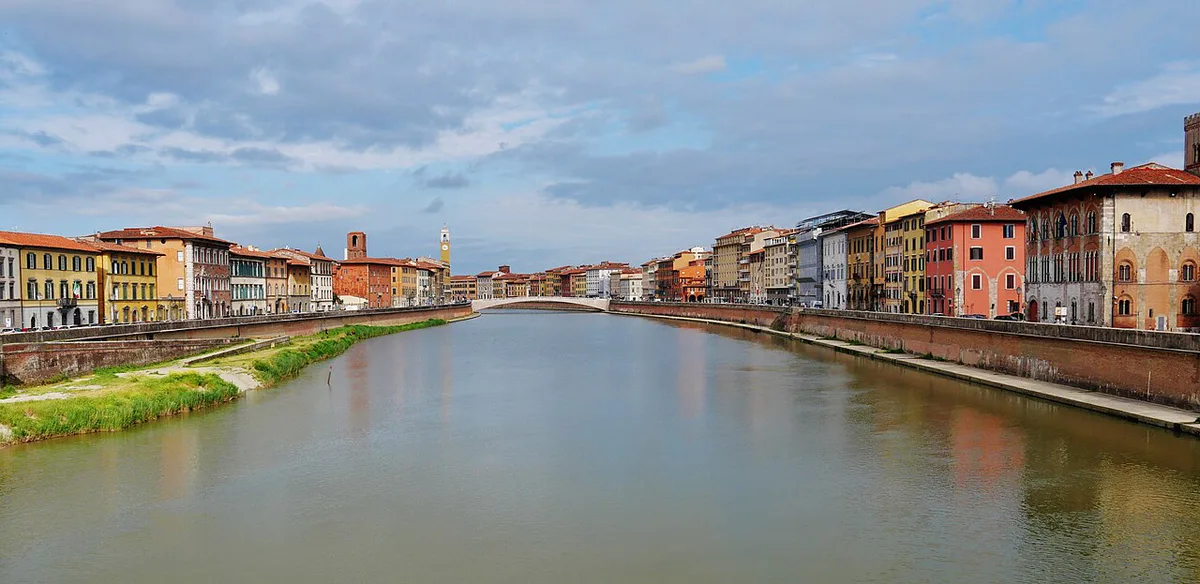
Getting around Pisa solo is straightforward during the day, and only needs a little more planning once the sun goes down. Trenitalia trains connect Pisa Centrale to Florence and Pisa's airport, and Autolinee Toscane runs the local bus network into the historic centre; sticking to these official operators rather than unmarked cars waiting outside the station is the simplest safety upgrade available to solo travellers. On foot, the Lungarno stretches along the Arno and the pedestrianised lanes around Piazza dei Miracoli stay lit and populated well into the evening, making them the natural default route for anyone walking back to accommodation alone. Away from those main arteries, some residential side streets are dimmer and emptier after dinner, so it is worth planning a route along a lit, busier street even if it adds a few minutes, rather than cutting through an unfamiliar shortcut. Basic habits travel well here: keep a phone charged, share a live location with someone before heading out at night, and treat a firm, confident pace as the best deterrent to the low-level hassling that occasionally surfaces near nightlife spots. For the fuller after-dark picture, read Pisa safety after dark, and pair it with the practical operator and route details in the public transport safety guide for Pisa before finalising an evening itinerary.
Common Scams and Nuisances Targeting Solo Travellers
The scams that actually affect solo visitors to Pisa are mundane rather than alarming, and knowing them in advance strips out most of the risk. Bag security matters most in one specific spot: the crowds photographing the Leaning Tower at Piazza dei Miracoli. It is worth keeping bags zipped in the Tower crowds specifically, since dense, distracted, camera-focused groups are exactly where opportunistic pickpocketing happens across Italy, not because Pisa itself is unusually crime-prone.
- Unofficial photographers or selfie-stick sellers working the Piazza dei Miracoli crowds, sometimes pressuring a purchase after taking a photo
- Unlicensed taxi touts approaching solo travellers as they exit Pisa Centrale, often quoting inflated flat fares
- Overly friendly strangers offering unsolicited directions or company near the station forecourt in the evening
- Distraction-style pickpocketing in dense photo queues around the Tower, where a bump or a request for a photo can mask a hand in a bag
Solo Travel Logistics: Dining, Accommodation, and Socialising Near the Arno
Accommodation choice does more for solo comfort in Pisa than almost any other decision. Booking near the Arno rather than the station puts a solo traveller within easy walking distance of the lit Lungarno, the historic centre, and the student quarter's evening energy, and avoids the late-night walk back through the quieter station forecourt. That student quarter is genuinely one of Pisa's assets for solo women: cafés and casual restaurants around the university area stay animated with a mixed crowd of locals and students into the evening, which makes solo dining and a solo aperitivo feel far less exposed than it would on an empty residential street. As of 2026, the same general rule applies as anywhere in Italy: choose a seat with a view of the room or the street, keep a bag on a lap rather than hooked over a chair back, and treat a busy, well-lit terrace along the river or Corso Italia as the default choice for an evening out alone.
Emergency Contacts and Local Resources
Knowing where to turn before an issue arises is part of standard solo-travel preparation, not a sign that Pisa is unusually risky. The pan-European emergency number 112 reaches police, medical, and fire services anywhere in Italy, including Pisa, and is the number to use for any urgent situation. The Questura, Pisa's police headquarters, handles in-person reports for theft or harassment, and official visitor information, including maps and current opening details for the main sights, is available through PisaTurismo.it. Before travelling, it is also worth checking current government travel advisories, such as those published by the U.S. State Department or the UK Foreign Office, for general guidance on Italy that applies alongside the city-specific advice in this guide.
- 112 — pan-European emergency number for police, ambulance, and fire across Italy
- Questura di Pisa — local police headquarters for in-person reports
- PisaTurismo.it — official tourism site for maps and visitor information points
- Home-country travel advisories (e.g., U.S. State Department, UK Foreign Office) — check before departure for current general guidance on Italy
Final Verdict: Should You Visit Pisa Solo?
Weighed against the questions solo women actually ask before booking, Pisa holds up well. The sights that draw most visitors sit inside a compact, well-trafficked core that stays lively and legible on foot, the main friction points are well understood and easy to plan around, and the university atmosphere gives the centre a lived-in, watched-over feel rather than a purely touristic one. The station area deserves a clear-eyed approach rather than avoidance altogether, and a handful of habits, such as booking near the Arno, keeping bags zipped in Tower crowds, and using official transport operators, cover most of the practical risk. For a solo traveller comfortable applying ordinary city precautions, Pisa is a reasonable and manageable choice, whether the plan is a few hours at the Tower or a longer overnight stay exploring the Lungarno and the streets beyond Corso Italia.
Late Arrival at Pisa Centrale: Walk, Bus, or Taxi?
If you arrive at Pisa Centrale late, decide your route before leaving the train rather than working it out on the forecourt. For accommodation near Corso Italia or the south bank of the Arno, the main pedestrian route along Via Filippo Corridoni and Corso Italia can be reasonable at around 10 PM because it is direct, lit, and still has some restaurant and student foot traffic. Avoid quieter shortcuts through side streets when carrying luggage.
If your hotel is near Piazza dei Miracoli, Via Santa Maria, or north of the Arno, a licensed taxi from the official rank outside the station is often the calmer choice after a long journey, especially with bags. Do not accept rides from people approaching you inside the station or on Piazza della Stazione. If using buses, check Autolinee Toscane times before arrival because evening frequency can thin out.
Frequently Asked Questions
Is it safe to walk alone in Pisa at night?
Walking alone at night in Pisa is manageable in the historic core and along the Arno, where cafés, restaurants, and student foot traffic keep the main streets lit and populated well into the evening. It is worth sticking to those busier routes rather than cutting through quieter residential side streets, and treating the area right around Pisa Centrale with a little more caution after dark.
What is the safest area to stay in Pisa for solo travellers?
Accommodation near the Arno or within the historic centre near Piazza dei Miracoli and Corso Italia tends to suit solo travellers best, since it keeps evening walks short and along well-lit, busy streets. Booking near the Arno rather than close to the station is a simple way to avoid a late-night walk back through the quieter station forecourt.
Are there common scams to watch for in Pisa?
The scams solo visitors most often encounter in Pisa are opportunistic rather than dangerous: pickpocketing in dense photo crowds at Piazza dei Miracoli, unofficial photographers or selfie-stick sellers, and unlicensed taxi touts near the station. Keeping bags zipped in the Tower crowds and using official transport operators covers most of the practical risk.
Is Pisa Centrale train station safe to arrive at alone?
Pisa Centrale is safe to arrive at as a solo traveller during normal operating hours, though the immediate forecourt can attract loitering and unlicensed taxi touts, especially later in the evening. Declining unsolicited taxi offers and heading directly into the pedestrian streets toward the centre is the simplest way to handle that stretch.
How should solo women get from the station to the Leaning Tower?
From Pisa Centrale, the walk into the historic centre and on to Piazza dei Miracoli follows well-trafficked pedestrian streets, and local Autolinee Toscane buses also connect the station to the centre for anyone who prefers not to walk. Sticking to official transport and the main pedestrian route, rather than accepting an offer from an unlicensed driver outside the station, is the standard precaution worth taking.