
Is Tbilisi Safe? A Comprehensive 2026 Safety Guide for Travelers
Last updated April 2026: if you're wondering whether is Tbilisi safe enough for a first visit, the short answer is yes — Georgia's capital is one of the more relaxed cities in the region for travelers, with violent crime against visitors rare and a culture that treats hospitality as a point of pride. The more useful question isn't whether serious crime is a threat, but where the genuine friction points sit: chaotic traffic, uneven pavements, and taxi drivers who quote inflated fares to anyone who looks unfamiliar with the city. This guide breaks down what actually deserves your attention, from neighborhood-specific risk levels to the border regions official advisories lump in with the rest of the country.
Quick Answer: Is Tbilisi Safe in 2026?
For most visitors, the practical answer is straightforward: Tbilisi carries a risk profile comparable to many major European capitals, and in the U.S. State Department's most recent advisory (reissued March 13, 2025), Georgia as a whole sits at Level 1: Exercise Normal Precautions, the same tier assigned to many close U.S. allies. That rating covers the entire country except two specific border regions, and it reflects a city where violent crime against tourists is genuinely uncommon rather than merely reported as low. The precautions worth taking are mundane: watch your footing on uneven sidewalks, agree on taxi fares before you get in, and if you happen to be near Rustaveli Avenue during a demonstration outside Parliament, treat it as a scheduling inconvenience rather than a danger — these gatherings are typically peaceful, and simply rerouting around them is the sensible move.
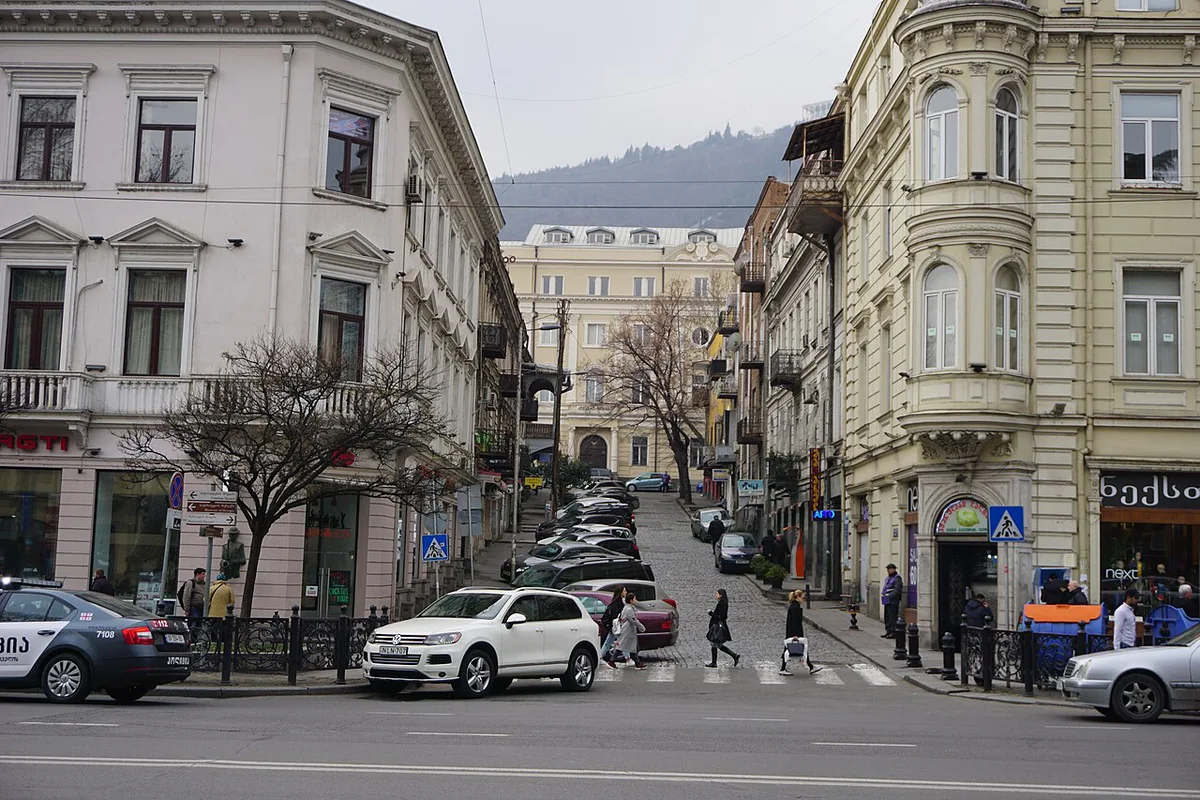
Residents identify traffic as their top safety concern—more so than crime. The uneven pavements and aggressive driving mentioned here are the everyday physical hazards most likely to affect visitors.
Geopolitical Context: Tbilisi vs the Occupied Border Regions
Georgia's Level 1 rating applies to the country's core territory, including Tbilisi, but it does not extend to two contested regions along the northern and western borders. The State Department separately rates South Ossetia and Abkhazia at Level 4: Do Not Travel, citing an ongoing Russian military and border-guard presence, the danger of landmines near the administrative boundary lines, and the risk of arrest, imprisonment, or fines for anyone who crosses without authorization. Because the exact boundary lines are difficult to identify on the ground, U.S. government employees posted to Georgia are themselves barred from entering these zones, and consular officials have no ability to provide emergency assistance there. None of this affects a standard Tbilisi itinerary — the capital sits well away from either boundary — but it's worth understanding the distinction before an official advisory headline makes the entire country sound riskier than the capital actually is.
- Tbilisi and the rest of core Georgia: Level 1, Exercise Normal Precautions
- South Ossetia: Level 4, Do Not Travel — occupation, landmines, unclear boundary lines
- Abkhazia: Level 4, Do Not Travel — same restrictions, no consular access
Neighborhood Safety Breakdown: Where to Stay in Tbilisi
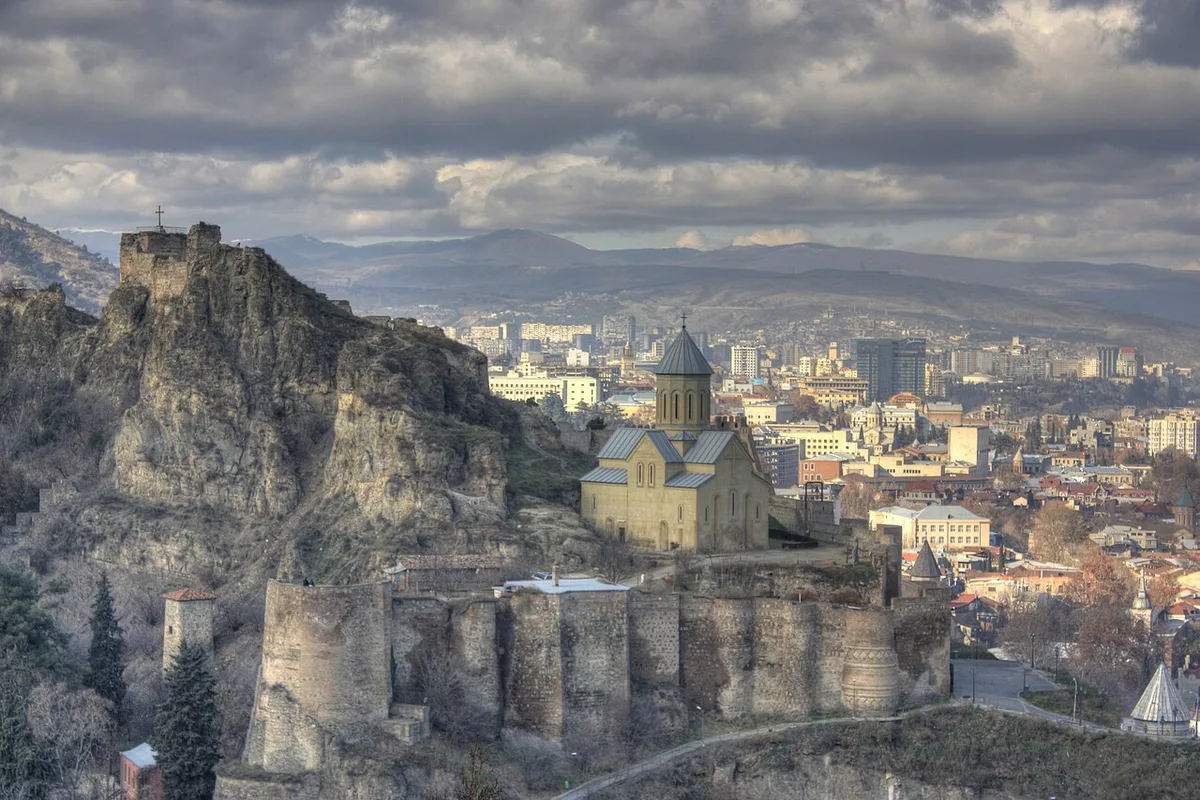
Tbilisi's safety profile varies more by district than by anything resembling a crime wave, and picking the right base does more for peace of mind than any single precaution. Vake, Vera, and Saburtalo are residential, leafy, and popular with expats and diplomats, with a slower nighttime pace and better-maintained streets — read the full breakdown of the Safest Neighborhoods in Tbilisi: A Local Safety & District Guide before booking. Old Tbilisi and Sololaki, the cobblestoned tourist core around the sulfur baths and Narikala, are safe by any conventional measure but see the highest concentration of petty theft and bar-tab scams simply because that's where the crowds and the cash are. Peripheral districts like Gldani and Didube are ordinary, workaday parts of the city rather than dangerous ones, but they carry less street lighting and foot traffic after dark, and most visitors have little practical reason to be there at night — the dedicated guide to areas to avoid in Tbilisi covers the specifics block by block.
- Safest / residential: Vake, Vera, Saburtalo
- Tourist hub, higher petty-crime exposure: Old Tbilisi, Sololaki
- Exercise more caution after dark: Gldani, Didube
Solo Female Travel in Tbilisi
Solo female travelers generally describe Tbilisi as manageable, helped by a culture where hospitality toward guests is taken seriously and street harassment is less pervasive than in some other regional capitals — though ordinary urban awareness still applies, as it would anywhere. Traditional attitudes coexist with a young, cosmopolitan population, particularly in the cafe culture around Vake and Saburtalo, so context — time of day, neighborhood, whether the street is busy or quiet — matters more than any blanket rule. For nighttime moves, defaulting to a Bolt ride rather than walking an unfamiliar route is the simplest risk-reducer, and if anything ever feels off, the same 112 emergency line covered later in this guide applies regardless of who you're traveling with. The dedicated solo female travel safety guide goes deeper on specific scenarios, from choosing accommodation to handling unwanted attention in bars.
Common Tourist Scams and Petty Crime
The most common ways travelers actually lose money in Tbilisi are mundane rather than violent. The best-documented example is the menu scam clustered around Shardeni Street's bar strip near Old Tbilisi, where venues hand over drinks or dishes without a visible price and then present an inflated bill at the end of the night — always ask for a priced menu before ordering, and treat any bar that resists as a reason to leave. Pickpocketing shows up in the same predictable spots as anywhere: dense, distracted crowds at Dezerter Bazaar (Desertirebi) and on packed Metro carriages during rush hour, where an unzipped bag or a phone in a back pocket is the actual vulnerability, not the city itself. Both the common tourist scams guide and the Tbilisi crime rate breakdown go into the reporting patterns and specific tactics in more detail.
Transport and Infrastructure Safety: Traffic, Metro, and Taxis
Ask residents what actually worries them in Tbilisi and traffic, not crime, tops the list. Drivers merge aggressively, jaywalking is normalized, and pavements in older districts are often cracked, narrow, or missing entirely, so the single most useful safety habit is simply watching your footing and the road rather than your phone. For getting around, the Metro is the most predictable option — fixed routes, fixed fares, and no exposure to the way marshrutka minibuses are driven, since these shared vans prioritize speed and route-cramming over a smooth ride. For anything a Metro line doesn't reach, the Bolt Rule is worth internalizing: book through the Bolt app rather than flagging an unmetered street taxi, since the fare is fixed and visible before you get in, removing the single most common way visitors get overcharged. The public transport safety guide covers route-specific detail for both the Metro and marshrutka network.
Safety at Night: Nightlife and Socializing
After dark, central Tbilisi — Old Town, Vake, and the main stretches of Rustaveli and Agmashenebeli Avenues — stays busy and well-lit well past midnight thanks to a genuinely active bar and restaurant scene. The clubbing circuit, anchored by internationally known venues like Bassiani, tends to be self-policing in practice: doors are selective, crowds are there for the music rather than trouble, and the main practical risks are the same ones that apply to any late-night scene anywhere — drink awareness and a reliable way home. Once you move outside that central core, street lighting and foot traffic thin out fast, which is the main reason a Bolt ride home rather than a long walk is standard local advice as much as it is for visitors. The Tbilisi safe at night guide breaks this down street by street.
Risk vs Reality: A Practical Safety Comparison
It helps to separate what a headline advisory implies from what actually shows up in day-to-day travel around Tbilisi. The table below sets the two side by side.
Headline advisories rating Georgia Level 4 refer only to militarily-occupied border regions (South Ossetia, Abkhazia) with landmines, not to Tbilisi itself, which carries a separate Level 1 rating.
| Perceived Risk | Reality for Travelers |
|---|---|
| Terrorism | Not a meaningful concern in Tbilisi; not cited in the State Department's specific warnings for the capital. |
| Violent crime (assault, mugging) | Rare against tourists; Georgia's core territory is rated Level 1, Exercise Normal Precautions. |
| Political demonstrations | Occasional and usually peaceful, concentrated near Parliament on Rustaveli Avenue; best avoided for logistics, not danger. |
| Petty theft and bar scams | The most common real issue — unpriced menus on Shardeni Street and pickpocketing in crowded markets or on the Metro. |
| Road traffic and pavements | The most common physical hazard — aggressive driving, jaywalking culture, and uneven sidewalks. |
| Border regions (South Ossetia, Abkhazia) | Rated Level 4, Do Not Travel, due to occupation, landmines, and unclear boundary lines — unrelated to travel within Tbilisi itself. |
Practical Safety Checklist and Emergency Contacts
A short amount of preparation resolves most of the practical friction points above before they become a problem. On day-to-day health logistics, pharmacies (look for the cross sign) are easy to find throughout the central districts, and many visitors default to bottled water out of habit rather than necessity. Whatever else is on the itinerary, save 112 as the single number that connects to police, ambulance, and fire services anywhere in Georgia.
- Enroll in the Smart Traveler Enrollment Program (STEP) so the nearest embassy can reach you in an emergency
- Pick up a local SIM card on arrival for reliable data, since ride-hailing and offline maps both depend on it
- Download offline maps of Tbilisi in case data coverage drops in older, narrower streets
- Save 112 as the single emergency number for police, ambulance, and fire before you land
- Buy travel insurance that covers medical evacuation, particularly for itineraries that continue through the wider Caucasus
Stray Dogs and Street Animals
Stray dogs are one of Tbilisi's more noticeable day-to-day hazards, especially around parks, underpasses, markets, and quieter residential streets. Many have plastic ear tags showing they have been handled by municipal animal-control programs, but a tag is not a reason to pet or feed them. Most dogs ignore passersby in busy areas such as Rustaveli Avenue, Rike Park, and the streets below Narikala Fortress; problems are more likely if a dog is startled, guarding food, or moving in a small group late at night.
The practical advice is simple: do not feed street dogs, do not try to take close-up photos, and give sleeping dogs space on narrow pavements. If you are walking back from Mtatsminda, Avlabari, or a quieter lane in Sololaki after dark and a dog starts following or barking, keep moving calmly toward a busier street or open shop rather than running. For any bite or scratch, call 112 and ask where to get urgent rabies post-exposure advice.
For trip-planning details, see UK FCDO travel advice for Georgia.
Explore is safe in other cities
Frequently Asked Questions
Is Tbilisi safe for tourists in 2026?
Yes — Georgia, including Tbilisi, is rated Level 1: Exercise Normal Precautions by the U.S. State Department, and violent crime against visitors is rare. The practical risks worth planning around are traffic, uneven pavements, and taxi overcharging rather than crime.
Is Tbilisi safe for solo female travelers?
Generally yes — many solo female travelers describe Tbilisi as manageable thanks to a strong hospitality culture, though ordinary urban precautions still apply. Sticking to well-lit central neighborhoods and booking a Bolt rather than walking alone late at night are the main practical habits.
Is Tbilisi safe at night?
Central areas — Old Town, Vake, and the main avenues — stay busy, lit, and low-risk well past midnight. Once you move away from that core, street lighting thins out, so a Bolt ride home is the standard local advice rather than walking.
What is the biggest safety risk in Tbilisi?
For most visitors it isn't crime at all — it's traffic. Aggressive driving, a jaywalking culture, and uneven or missing pavements in older districts cause more real-world trouble than any criminal threat.
Should travelers visit South Ossetia or Abkhazia?
No. Both regions are rated Level 4: Do Not Travel by the U.S. State Department due to Russian military occupation, landmines near the administrative boundary lines, and the risk of arrest — a rating entirely separate from Tbilisi's Level 1 status.
Is public transport safe in Tbilisi?
Yes, with the Metro being the most predictable option thanks to fixed routes and fares. Marshrutka minibuses are safe in the ordinary sense but are driven quickly, and Bolt is the recommended alternative to unmetered street taxis for price transparency.
Stay Safe in Tbilisi
Every Tbilisi safety guide on one page — areas, scams, night rules, and getting around.
Tbilisi Safety Guides
- Tbilisi Areas to Avoid: A Practical 2026 Safety and Logistics Guide
- Is Tbilisi Safe at Night? A 2026 Local Safety Guide
- Tbilisi Tourist Scams: 7 Common Traps & How to Avoid Them
- Is Tbilisi Safe for Solo Female Travellers? Safety Tips & Local Advice
- Tbilisi Public Transport Safety: A Guide to Metro, Buses & Taxis
- Tbilisi Crime Rate 2026
- Safest Neighborhoods in Tbilisi: A Local Safety & District Guide


