Tbilisi Public Transport Safety: Everything You Need to Know
Last updated March 2026, Tbilisi public transport safety comes down to two very different risk profiles: petty crime is rare on formal transit, while road behavior and pedestrian crossings pose the more realistic hazard. The Metro, city buses, marshrutka minibuses, and app-based ride-hail each carry their own trade-offs, and knowing which to pick for a night ride versus a hillside neighborhood makes the difference between a smooth transfer and a stressful one. This guide breaks each mode down against Georgia's current travel advisories, building on the wider overall Tbilisi safety guide.
Is Tbilisi Public Transport Safe? The Quick Verdict
For most visitors, Tbilisi public transport safety is less about crime and more about how you handle the city's chaotic road culture. Canada's official Georgia travel advice keeps a nationwide rating of take normal security precautions, but flags Tbilisi specifically for a higher degree of caution due to demonstrations, particularly around Rustaveli Avenue and other central gathering points that can disrupt bus routes and metro access without warning. Within that broader picture, the ranking among transit modes is consistent: the Metro is the safest and fastest way across town, city buses are a close second, marshrutka minibuses trail behind on physical safety even though they're cheap and reach neighborhoods buses skip, and Bolt or Yandex ride-hail apps are the standard, trackable choice once the sun goes down.
While Metro and buses rank safest, the greatest transport-related risk occurs between stops. Pedestrians lack automatic right of way even at marked crossings and drivers rarely slow down; underpasses at major junctions are consistently safer than surface crossings when transferring between vehicles.
- Metro: highest safety, fastest, avoids surface traffic and demonstrations
- Bus: modernized fleet, dedicated lanes, safe but slower in heavy traffic
- Marshrutka: cheapest and most direct route into hillside districts, but aggressive driving and rare seatbelts
- Bolt/Yandex: the standard for night travel, GPS-tracked and price-transparent
Tbilisi Metro Safety: What to Expect Underground
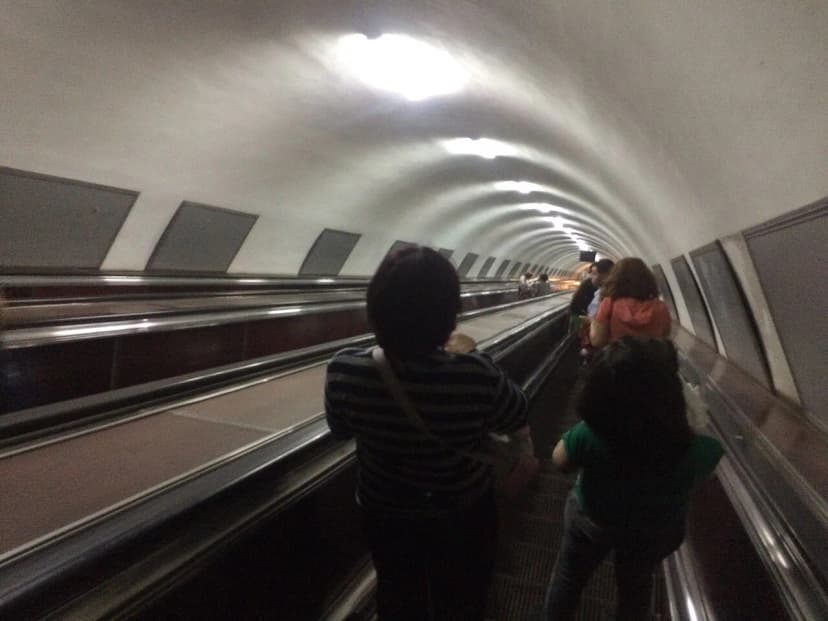
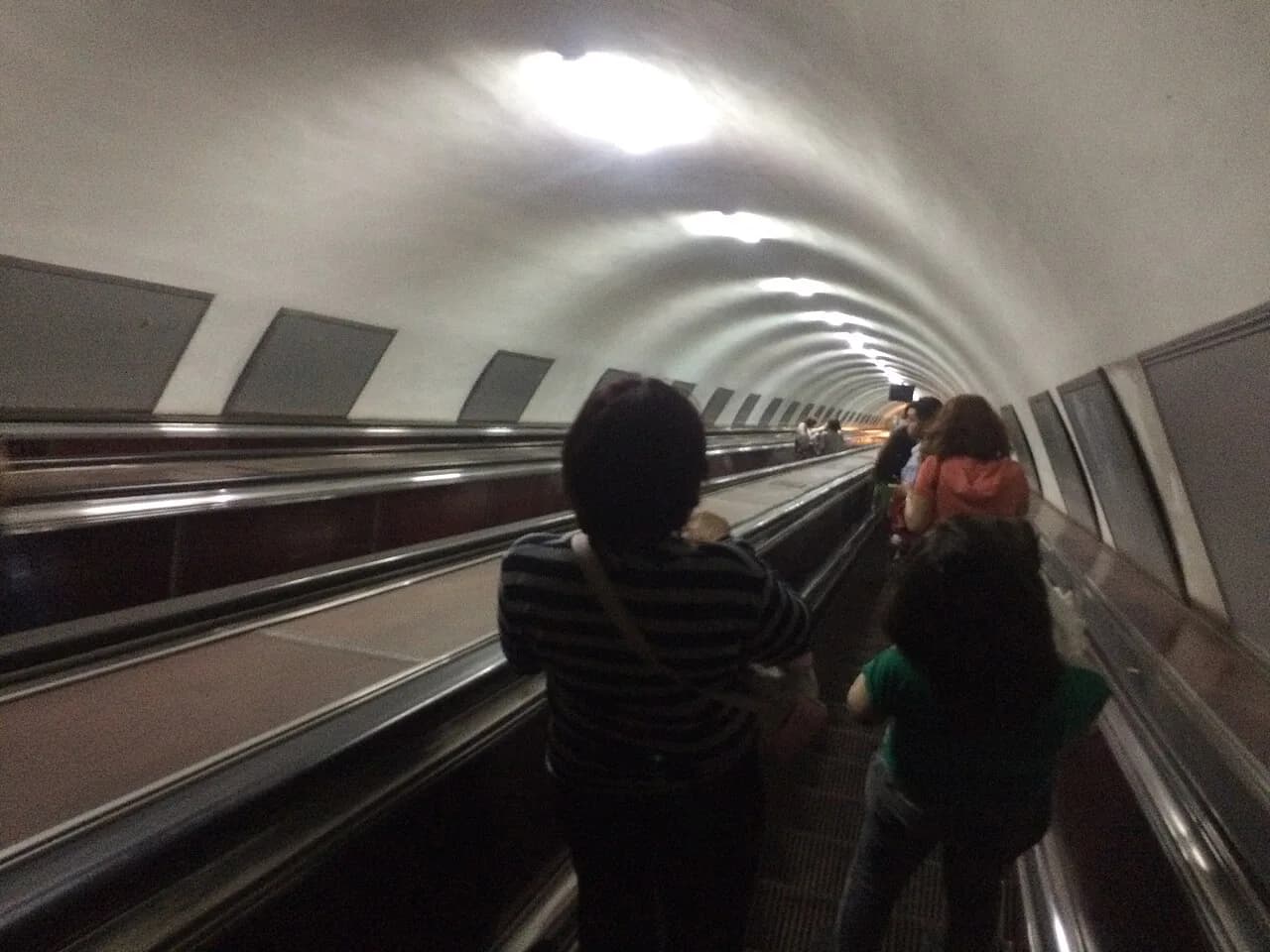
The Tbilisi Metro is a deep-level, Soviet-era system, and that depth is the first thing to plan around: stations use long, steep escalators that move quickly, which can catch out travelers with vertigo, mobility limitations, or heavy luggage. Escalator etiquette matters here, so stand to one side, keep bags close, and don't try to overtake on a moving step. Violent crime on the network is low, but the real-world risk is petty theft in packed carriages, especially around interchange hubs like Station Square and Liberty Square during rush hour, so treat crowd safety the way you would on any major-city subway: bag zipped, phone in a front pocket, valuables out of sight. Trains typically run from around 6:00 AM to midnight, which shapes how late you can rely on the network before switching to a taxi app. For a fuller picture of what changes once the trains stop, see the dedicated guide to nighttime safety in the city, and check Tbilisi's crime rate for how pickpocketing compares with other petty offenses citywide.
Buses and the Modernized Fleet: Reliability and Road Safety
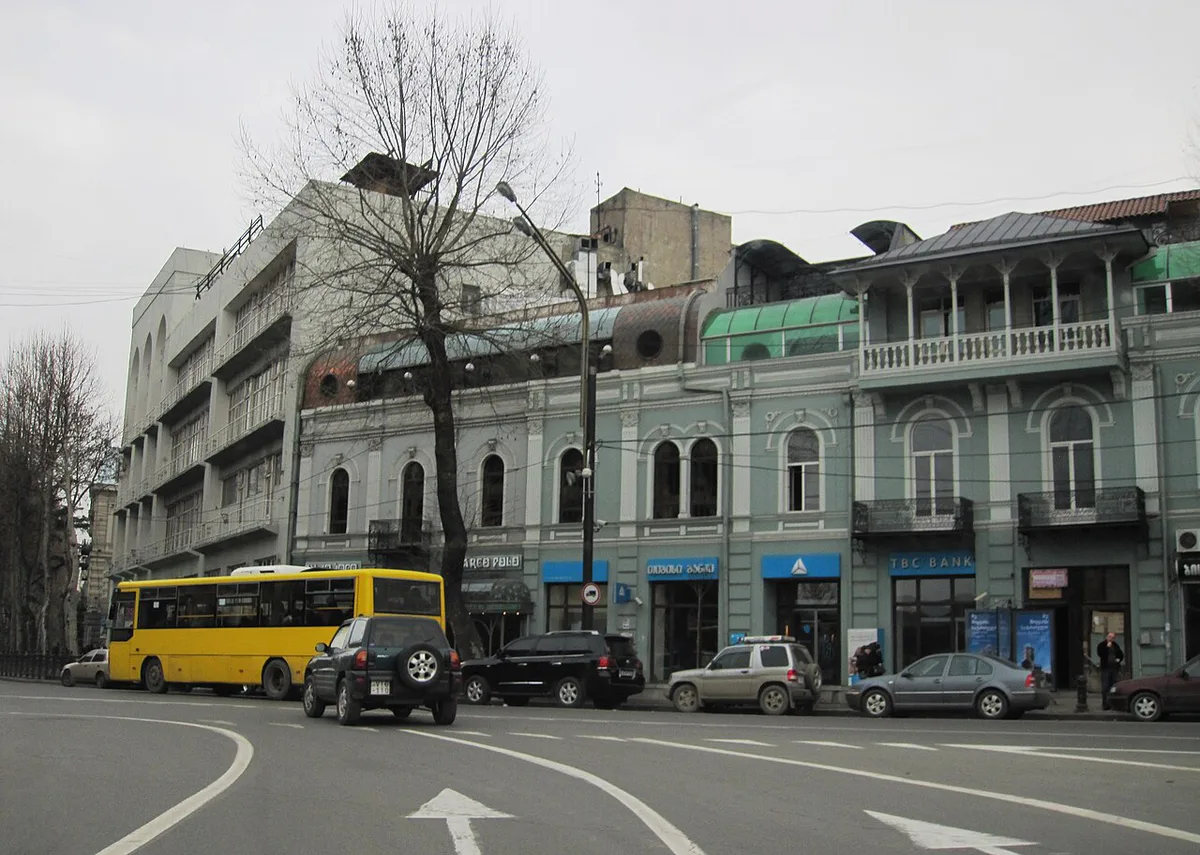
City buses have been modernized with blue MAN-branded vehicles replacing older stock, and many core routes now run in dedicated bus lanes that sidestep Tbilisi's heaviest congestion, a meaningful safety upgrade given how unpredictable surface traffic can be. Where buses still share lanes with general traffic, expect the same aggressive lane-changing and close following distances that define Georgian driving culture generally, so hold on rather than assume a smooth stop. The Tbilisi Transport app is the practical safety tool here: it shows real-time arrivals so you're not left waiting alone at an unfamiliar stop after dark, and it removes the guesswork of route numbers that aren't always signed in English.
The Marshrutka Experience: Cheap, Fast, and Chaotic
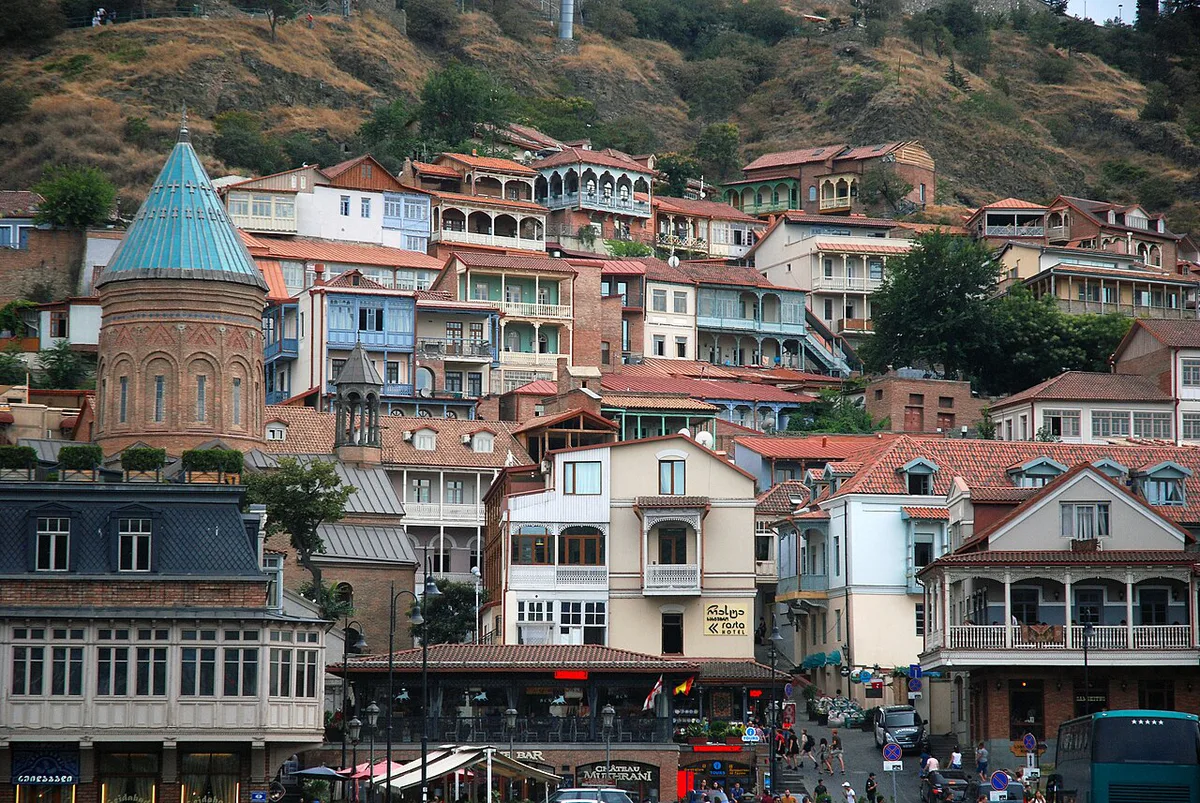
Marshrutka minibuses are the least formal link in the network, and they earn their reputation: drivers on these privately operated routes tend to drive faster and more aggressively than bus or metro operators, seatbelts are rare or nonexistent, and the ride can feel like a genuine test of nerves on steep hill routes. That said, they're often the only direct way into hillside neighborhoods that buses can't reach efficiently, and fares are collected informally, usually cash handed to the driver or an attendant partway through the ride. Sit toward the front if you're unfamiliar with a route so you can see the road and signal your stop clearly, either a spoken word or a buzzer press depending on the vehicle, and hold on at all times rather than standing loose in the aisle. For longer cross-town trips where a direct marshrutka route isn't essential, the Metro or a modern bus is the more comfortable and predictable choice.
Pedestrian Safety: The Real Risk Between Rides
The most underrated transport-safety risk in Tbilisi isn't inside any vehicle, it's the walk to and from the stop. In practice, pedestrians do not have automatic right of way at street level, even at marked zebra crossings, and drivers frequently do not slow down or stop the way visitors from countries with strict pedestrian-priority laws might expect. Underpasses exist at many major junctions specifically because surface crossings are unreliable, and using them is consistently the safer option even when it means a longer walk to your metro or bus stop. This risk compounds around certain areas, so cross-reference the neighborhoods to avoid guide before planning a walking route between transit connections, particularly at night or around large road junctions.
Solo Female Travel and Night Safety on Transit
Riding the Metro after dark is generally considered fine by the same low-violent-crime standard that applies citywide, since stations stay staffed and lit through operating hours, but the calculus changes the moment you step outside a station into a poorly lit street. For that last stretch, and for night travel generally, Bolt is the standard local recommendation over hailing a car on the street or walking an unfamiliar route home, since the app locks in a fare before you ride and shares your trip location. This is doubly relevant for travelers on their own, and the dedicated solo female travel guide covers additional precautions worth pairing with these transit basics.
The Metro operates until midnight and is safe for solo riders through closing, with staffed, lit stations. After midnight or for the final stretch home, Bolt or Yandex are the standard: they lock in fares before pickup and track your route by GPS, preventing the overcharging risk of street-hailed taxis.
Avoiding Scams, Fines, and Fake Inspectors
Ticket inspectors on the Metro and buses do carry out checks, and a legitimate inspector will be in uniform or carry visible identification tied to the transit operator; riding without a valid Metromoney tap or Travel Card balance risks a fine, not just an awkward conversation, so don't treat payment as optional even for a single short hop. Taxis are where most transport-adjacent scams show up: street-hailed cars can quote inflated fares with no real recourse once you're inside, while Bolt and Yandex fix the price before pickup and track the route via GPS, which is why app-based booking has become the default over flagging a car down, especially for visitors unfamiliar with typical local fares. The broader common tourist scams guide covers overcharging patterns that extend beyond transport, including the bar and nightclub overcharging scenarios flagged in official travel advisories.
Tickets, Costs, and Practical Logistics
Both the Metro and city buses run on the same tap-based Metromoney system, with a Travel Card option also available for visitors who want a top-up balance rather than single-use tokens; check current signage at any station for the latest 2026 fares and transfer windows, since operators periodically adjust pricing. Metro service generally runs from around 6:00 AM to midnight, while marshrutka and some bus routes start earlier and can run somewhat later depending on the line, so plan your last connection with a buffer rather than cutting it close. If you're choosing where to base yourself for easy transit access, proximity to a Metro line matters more than proximity to any single attraction, and the safest neighborhoods guide flags which areas combine good station access with lower overall risk. The table below summarizes the trade-offs across all four modes at a glance.
| Mode | Safety Level | Speed | Best For |
|---|---|---|---|
| Metro | High | Fast | Avoiding surface traffic; long cross-town distances |
| Bus | High | Moderate | Seeing the city; shorter hops on dedicated lanes |
| Marshrutka | Moderate/Low | Variable | Reaching hilly neighborhoods buses skip |
| Bolt (Taxi) | High | Fast | Night travel; door-to-door trips |
Frequently Asked Questions
Is the Tbilisi Metro safe for tourists at night?
Yes, within its roughly 6:00 AM to midnight operating hours the Metro is considered the safest transit option after dark, since stations remain staffed and lit; the bigger risk is the walk between a station exit and your final destination, where a ride-hail app is the safer finish to the trip.
Are marshrutka minibuses safe to ride in Tbilisi?
They're not unsafe in the sense of crime, but they carry more physical risk than the Metro or bus network because of aggressive driving and rare seatbelts; they're best reserved for reaching hillside neighborhoods that other transit doesn't cover directly.
Do you need a Metromoney card to ride public transport in Tbilisi?
Yes, Metro and bus fares are collected through the tap-based Metromoney system or the newer Travel Card option, and riding without a valid balance risks a fine from an inspector rather than just an awkward moment.
Is Bolt or Yandex safer than hailing a taxi on the street?
Yes, both fix the fare before pickup and track the trip by GPS, which removes the overcharging risk that comes with flagging down an unmetered street taxi, and that's why app-based ride-hail is the standard recommendation for night travel.
What's the biggest transport-related risk for pedestrians in Tbilisi?
Crossing the street itself, since pedestrians don't have reliable right of way even at marked crossings, so using underpasses at major junctions instead of surface crossings is consistently the safer habit between transit stops.