
Is Marseille Safe at Night? A Practical Guide for Travelers
Last updated March 2026. Is Marseille safe at night? For visitors sticking to the busier central districts, the answer is generally yes, though Marseille rewards a bit more situational awareness after dark than some other French cities. This guide works through the city district by district and hour by hour, from where an evening stroll still feels comfortable to which streets are better handled by taxi, so a night out can be planned around facts rather than reputation alone.
The Short Answer: Is Marseille Safe at Night?
Is Marseille safe at night? In the areas most visitors actually spend an evening in, yes, with the same everyday caution used in any large European port city. Much of Marseille's edgy reputation traces back to headlines about the northern districts, which sit well outside the tourist core, rather than to what typically happens around the Vieux-Port, Cours Julien, or the main hotel strips after dark. La Canebière, the wide boulevard running up from the Vieux-Port, is a useful example of the gap between 'gritty' and 'dangerous': its worn shopfronts and mixed crowd can look rougher after dark than the reality on the ground, since the avenue stays well-lit and busy with foot traffic heading to and from the port well into the evening. That visual grit, more than any specific pattern of incidents, is often what shapes outside impressions of the city. The general Marseille safety overview covers daytime risk factors in more depth, while this guide focuses on what changes once the sun goes down: which streets stay busy, which quiet down fast, and how to get home once the last metro has gone. Much of that reputation is also worth weighing against Marseille's crime rate data, which skews heavily toward outlying districts that most itineraries never touch in the first place.
Where It Feels Safe After Dark
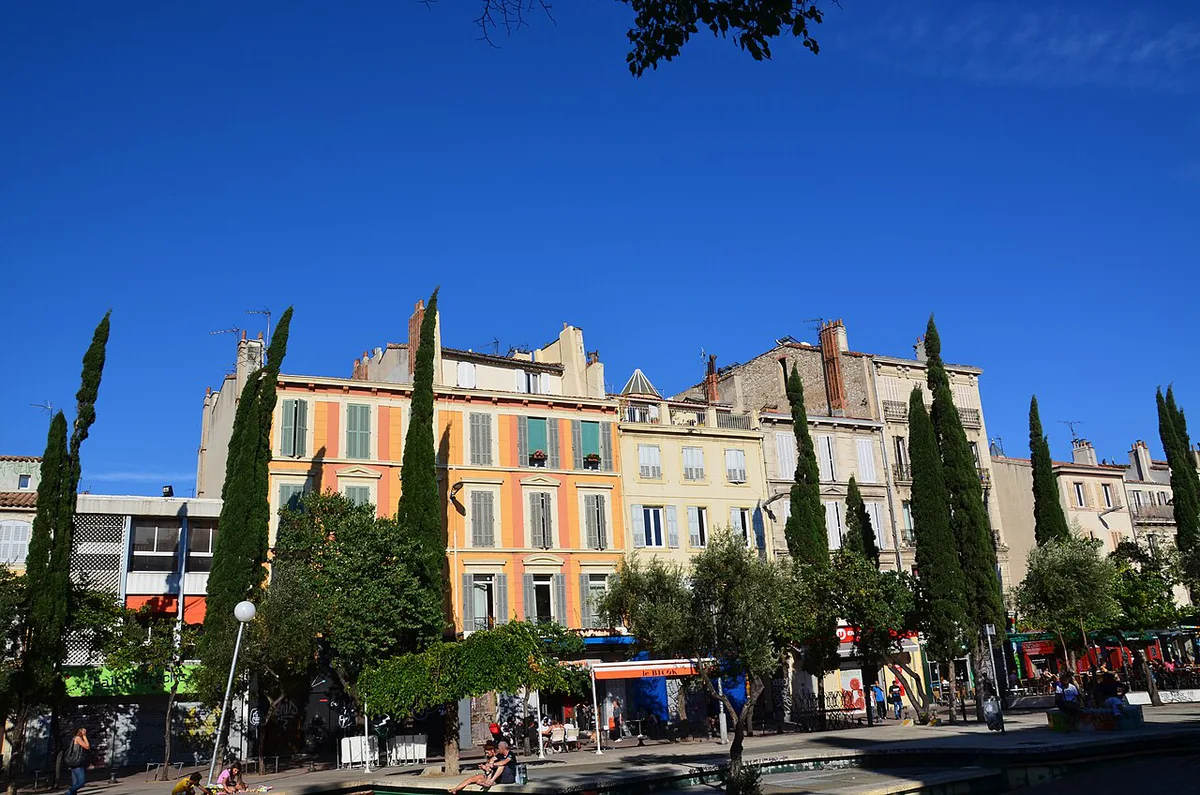
A handful of central districts stay lively, lit, and populated well into the night, which in Marseille's case is the closest thing to a safety guarantee. The Vieux-Port quaysides and the surrounding Opéra district keep restaurants, bars, and foot traffic going past midnight, so the streets rarely feel empty even late in the evening. That said, the crowds along the water are exactly where late-night phone-snatching incidents tend to happen, so keep phones pocketed rather than out for photos once the crowds thin. Cours Julien, together with the adjoining La Plaine, is Marseille's main going-out zone after dark, and it earns that reputation honestly, with bars and terraces staying busy for hours. Stick to the main streets around Cours Julien's square rather than cutting through quieter side lanes, and apply the same rule to La Plaine once its bars start emptying out. For a fuller district-by-district ranking of where to base a stay, the guide to the Safest Neighborhoods in Marseille: A Guide to Secure Areas & Stays goes beyond nightlife alone into where to sleep, eat, and settle in for a longer stay.
Safe-feeling areas like Vieux-Port and Cours Julien rely on active crowds and late venues. Post-midnight, when bars close and foot traffic thins, identical routes become risky, forcing a shift from walking to taxi or rideshare. Timing of departure is as critical as destination; crowds disperse rapidly once their activity centers close.
- Vieux-Port quaysides and Opéra district: busy and well-lit past midnight; keep phones out of sight in the crowds
- Cours Julien and La Plaine: Marseille's main going-out zone; stick to the main streets, not the side lanes
- Le Panier: charming and busy by day, quiet once the shops close; better as a daytime detour than an evening walk
- La Corniche: steady foot traffic and open sightlines along the seafront near the main hotel strip, good for an evening stroll
Areas to Exercise Caution After Dark
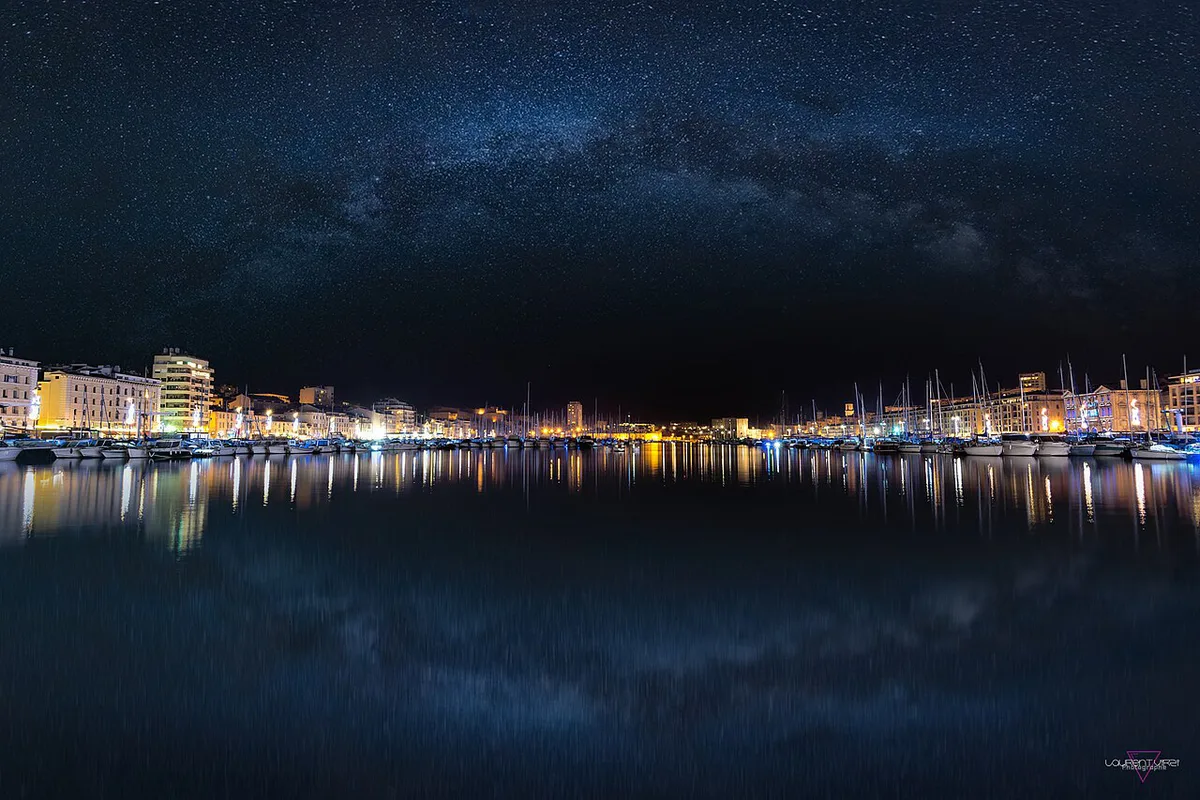
A smaller set of areas call for more deliberate route planning after dark, not because they're off-limits but because they reward extra awareness. The Quartiers Nord, Marseille's northern districts, sit well outside any typical visitor itinerary; hotels, restaurants, and the main sights all cluster to the south, so there is little practical reason to be up there after dark in the first place. The area immediately around Saint-Charles station carries heavy transit volume at all hours, and that volume attracts petty theft and pickpocketing, so travelers arriving late by train are better off heading straight for a taxi rank or a confirmed rideshare pickup than lingering outside the station entrance. Noailles stays genuinely busy and vibrant into the evening, with its market streets full of life, but the narrower alleys off the main thoroughfares can feel overwhelming once the shops close, so keep to Canebière and the other well-lit main streets rather than shortcutting through side lanes. None of this means Marseille's other districts are inherently unsafe; it mainly reflects where tourist infrastructure, lighting, and evening foot traffic are concentrated, and where they thin out fast. The areas to avoid in Marseille guide breaks these boundaries down in more detail for anyone mapping out a route in advance.
Nighttime Transport: Metro, Noctambus, and Rideshares
Marseille's metro and tramway network, run by RTM (Régie des Transports Metropolitaines), covers the city center well but winds down late in the evening, well before service resumes the next morning, so it is worth checking RTM's current schedule directly rather than assuming a specific last-train time. As of 2026, once the regular metro and tram lines stop, RTM's Noctambus night bus network keeps a reduced set of routes running, though wait times are longer and coverage thinner than the full daytime network, so budget extra time if it is part of the plan home. After midnight, door-to-door transport, whether Uber, FreeNow, or a licensed taxi, is the more dependable option over walking or waiting on a night bus, especially heading back from a nightlife area like Cours Julien to a hotel elsewhere in the city. At the Vieux-Port, taxis queue at a marked rank near the quay, while ride-hailing apps typically set a pickup point a short walk from the main tourist strip, so it is worth confirming the pin before heading toward it on foot. Ride-hailing apps operate broadly across the city center, and pairing an app pickup with a well-lit, populated meeting point, rather than a quiet side street, avoids the small added risk of waiting somewhere isolated for a car to arrive. The public transport safety guide covers daytime and nighttime transit safety together for a fuller picture.
Safety Tips for Solo Travelers and Nightlife Scams
A few nightlife-specific risks are worth planning around regardless of which district the evening takes place in. Street harassment is a real, if inconsistent, experience for women walking alone at night in Marseille; sticking to populated streets, keeping a phone charged, and stepping into a staffed bar or restaurant if something feels off are standard precautions, covered in more depth in the solo female travel safety tips. Drink spiking and distraction theft outside crowded bars and clubs are the two scams to watch for specifically at night. Distraction theft often works in pairs: one person creates a minor commotion or asks for help, while a second lifts a phone or wallet during the distraction, a pattern worth recognizing in the moment. Keeping an eye on a drink from order to last sip, and staying wary of anyone offering unsolicited help right outside a club entrance, closes off both openings; the wider common tourist scams in Marseille covers patterns that show up during the day as well. Street-side ATMs are also best avoided after dark; withdrawing cash earlier in the day, or using a machine inside a staffed, well-lit location, removes one more opportunity for opportunistic theft.
Petty theft concentration isn't tied to neighborhood but to crowds and transit volume. Vieux-Port's nightlife generates phone-snatching; Saint-Charles station's volume attracts pickpocketing. Distraction theft uses the same crowd-based mechanics in both. Front-pocket valuables, phone vigilance, and drink supervision mitigate the actual theft risks regardless of location.
- Keep valuables in a front pocket or zipped bag, not a back pocket, on crowded nightlife streets
- Screenshot the route home before heading out in case a phone loses signal or battery
- Agree on a meeting point in advance if a group is likely to split up during the night
Walk or Ride? A Quick Decision Guide
Timing changes the safety calculation more than almost anything else in Marseille. The same street that feels perfectly comfortable at 9 p.m. can call for a different approach after midnight, once bars empty out and foot traffic thins. Use the table below as a quick reference for whether walking still makes sense by district and time of night, or whether it is time to call a rideshare instead.
| Area | Before 10 PM | After Midnight |
|---|---|---|
| Vieux-Port & Opéra | Walk comfortably along the main quaysides and streets | Walk short, direct distances only; keep phones out of sight |
| Cours Julien & La Plaine | Walk the main streets around the square with normal caution | Rideshare or taxi recommended once bars start emptying out |
| Saint-Charles & Noailles | Walk with normal caution, keeping to Canebière and main streets | Head straight to a taxi rank or a confirmed rideshare pickup |
| Le Panier | Walk and explore freely | Avoid lingering; route back through busier streets instead |
Emergency Numbers and Late-Night Essentials
A little preparation before heading out makes any late-night situation easier to handle. Save two numbers before leaving the hotel: 112, the EU-wide emergency line that covers ambulance, fire, and police, and 17, the direct line for police in France; both connect from any phone, even one without a local SIM. Central Marseille has a number of 24-hour pharmacies, identifiable by an illuminated green cross sign even when the counter itself is closed for the night; hotel staff can usually point to the nearest one currently on duty, since the specific pharmacy open overnight rotates. It is also worth telling someone the evening's rough plan and expected return time, particularly for a solo traveler moving between the districts covered above, and keeping a note of the hotel's address written out in French in case a rideshare driver or taxi needs it typed in rather than spoken.
Late-Night Help Points Around the Center
If something feels wrong late at night, aim for staffed, brightly lit places rather than trying to solve it on a quiet side street. Around the Vieux-Port, the most reliable “safe pause” points are open restaurants, hotel lobbies near the Opéra side, and busy taxi or rideshare pickup areas along the quays. At Saint-Charles, go back inside the station concourse if it is open, or move directly to the official taxi area instead of waiting outside with luggage.
For police help in the central districts, the practical landmarks to know are the Hôtel de Police area near Noailles and the main station-side streets around Saint-Charles, but for any urgent situation it is better to call 112 or 17 than search for a desk on foot. Pharmacies marked by a green cross may advertise night-duty service, though the exact overnight pharmacy rotates, so hotel reception or a staffed restaurant is often the fastest place to ask for directions.
Frequently Asked Questions
Is Marseille safe to walk around at night?
In the well-populated districts covered above, especially the Vieux-Port quaysides, the Opéra district, and the main streets through Cours Julien, walking at night is generally fine with normal city precautions. Once a route heads toward Saint-Charles station or the Quartiers Nord, or once the late-night crowds thin out, switching to a taxi or rideshare is the safer call.
What is the most dangerous area in Marseille at night?
Travelers rarely have a practical reason to visit the Quartiers Nord, Marseille's northern districts, after dark, since these areas sit well outside the hotel, dining, and sightseeing core. The areas to avoid in Marseille guide maps these boundaries in more detail.
Is the Marseille metro safe at night?
The metro and tramway feel reasonably safe while running, but service winds down late in the evening, so it is worth checking RTM's current schedule rather than assuming a specific last train. Once the regular lines stop, the Noctambus night bus network covers a reduced set of routes, and a taxi or rideshare tends to be more practical after midnight.
Is Marseille safe for solo female travelers at night?
Solo women can and do go out at night in Marseille, though street harassment is a real, if inconsistent, possibility worth planning around. Sticking to populated streets, keeping a phone charged, and having a staffed bar or restaurant to step into are standard precautions covered in the solo female travel safety tips.
What should travelers do if they arrive at Saint-Charles station late at night?
Because the station area draws heavy transit volume and the petty theft that comes with it, the safer move is heading straight for a taxi rank or a confirmed rideshare pickup rather than lingering outside the entrance to check directions or wait around.


