Ghent Tourist Scams: How to Avoid Traps and Overpaying
Last updated June 2026, this guide separates real Ghent tourist scams from ordinary tourist-trap pricing so visitors can plan a trip with fewer surprises. Ghent's historic canal-side core sees far fewer organized scams than the well-documented schemes reported in Brussels or Paris, but bike theft, station-area pickpocketing, and inflated menu prices near the water still catch travelers off guard. For a full risk picture before arrival, pair this trap-and-scam breakdown with the general Ghent safety overview, which covers the wider security context beyond pricing and petty theft.
The Reality of Ghent Tourist Scams: Is Ghent Safe for Tourists?
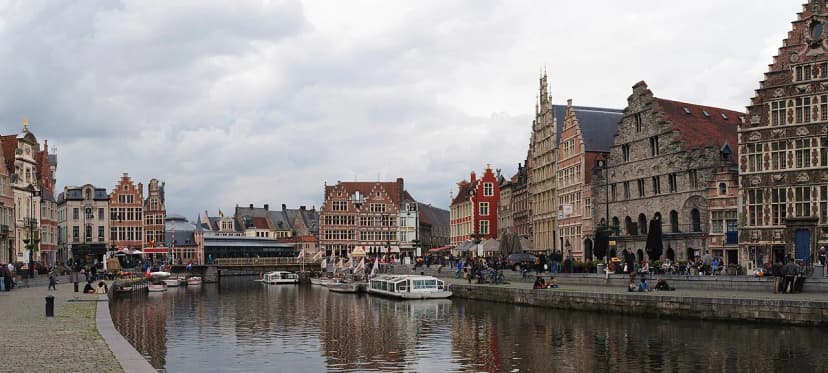
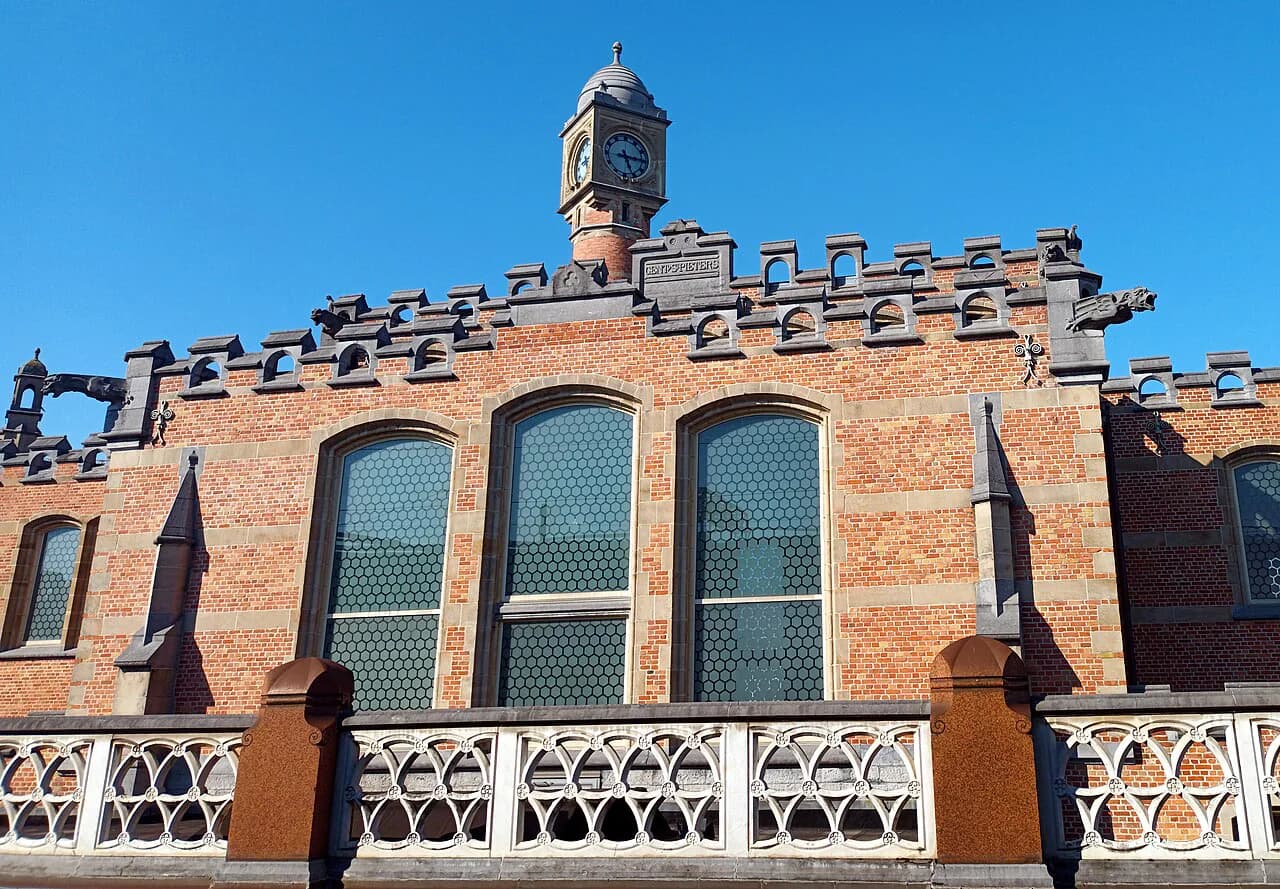
Ghent has a reputation among Belgian cities for being noticeably low-friction for visitors. Regular visitor accounts and local discussion consistently describe the medieval core as calm and walkable, without the coordinated scam operations that show up in guides to larger European capitals. Neither Politie Gent nor Visit Gent publishes the kind of standing scam alerts common in cities with entrenched street-fraud problems, which itself reflects how limited organized scamming is here. That does not mean the city is risk-free: petty opportunistic theft exists, particularly around transit hubs and nightlife strips, and a handful of businesses in the most photographed canal-side blocks price menus, treats, and tours well above what residents pay a few streets over. The most useful mindset is to treat Ghent tourist scams less as organized fraud to fear and more as a short, learnable list of situational risks and inflated-price traps worth knowing before setting out on foot from Sint-Pieters or the historic center.
While Ghent lacks organized scam networks, unofficial intermediaries consistently add costs across specific services: canal-tour touts misrepresent departures, cathedral 'guides' charge to skip the line, and waterfront businesses price above inland rates. Booking directly and choosing recognized operators removes these variable markups.
Common Petty Crimes and Scams to Watch For
The most consistent property crime reported in Ghent is bicycle theft, which locals treat as close to inevitable for any bike secured with only one flimsy lock overnight in a busy area. Beyond bikes, the picture is standard European city caution rather than anything scam-specific: pickpocketing clusters around Sint-Pieters train station during commuter rush hours and ticket-machine queues, and around dense festival crowds during events like the Gentse Feesten in July, when packed streets create easy cover for bag-dips and phone lifts. The classic petition or charity-clipboard scam that catches out visitors in Brussels shows up far less often in Ghent, so a street approach with a clipboard, survey, or bracelet deserves the same mild skepticism you would apply anywhere, without expecting it around every corner. Plainclothes-officer impersonation, a scam reported in some larger cities, is essentially unheard of here. On sunny days, an unattended phone left face-up on a canal-side terrace table remains the easiest opportunistic grab in the city center, and it tends to happen quickly rather than through any elaborate setup, so keeping bags and phones in view or on a lap at outdoor tables removes most of the remaining risk.
Bicycle theft is Ghent's most consistent property crime and catches many first-time visitors. But locals' experience with single-lock overnight parking reveals it is preventable: two separate locks (U-lock through frame plus cable for front wheel) and marked bike racks eliminate this risk entirely.
- Bicycle theft: the city's signature property crime, driven by low-effort single-lock parking overnight
- Sint-Pieters station pickpocketing: most common during commuter rush hours and around ticket machines
- Festival-crowd theft: bag and phone dips during the Gentse Feesten and other packed street events
- Terrace phone theft: unattended phones left on outdoor café tables near the Graslei and Korenlei
Ghent Tourist Traps: Where You Might Overpay
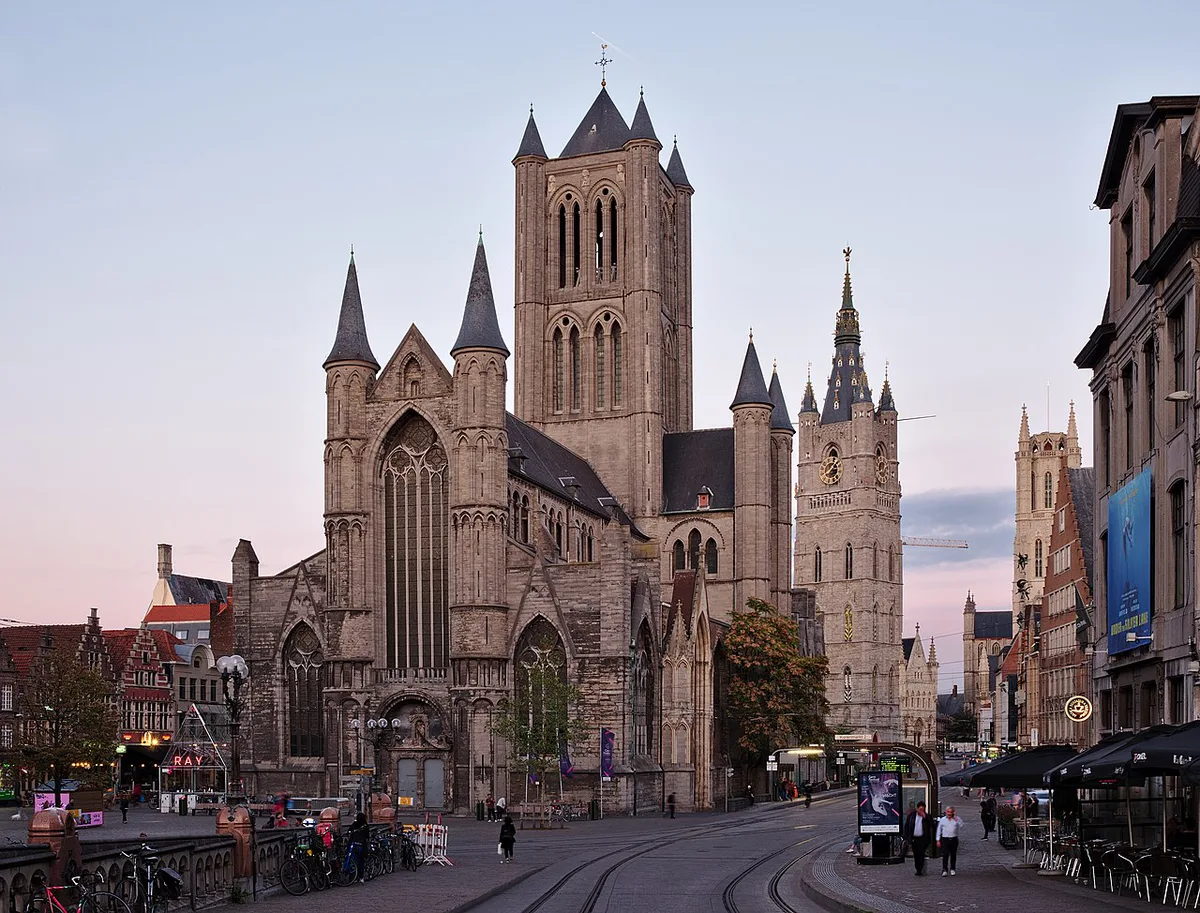
Ghent's biggest financial risk to visitors is not fraud but overpaying for an authentic-enough experience. Canal-side terraces along the Graslei and Korenlei command a premium simply for the view, waffle and chocolate shops directly facing the water often charge more than near-identical stalls two or three streets back, and "tourist menu" boards outside restaurants in the historic core tend to bundle a generic multi-course meal at a price that is easy to beat by walking a short distance inland. Unofficial canal-tour touts working the docks near the Graslei sometimes oversell or misrepresent departure times; the safer approach is booking directly with a recognized canal-tour operator at the dock rather than through a street tout or a third-party online reseller. The same logic applies to Saint Bavo's Cathedral and the Ghent Altarpiece: the panel painting is shown with timed viewing inside the cathedral, so lines form at busy periods, and the better move is booking the earliest available official slot directly through the cathedral's own ticketing rather than paying an unofficial "guide" outside who offers to skip the line for a fee. Legitimate timed-entry access never actually requires a paid intermediary.
| Where you spend | Standard-rate option | Tourist-trap pattern |
|---|---|---|
| Coffee or a waffle | A block or two back from the Graslei/Korenlei waterfront | Waterfront terraces charging a view premium |
| Sit-down dinner | A restaurant without a multi-language photo menu board out front | "Tourist menu" boards in the busiest medieval-core streets |
| Canal cruise | Booking directly at an official operator's dock kiosk | Buying from a street tout or unofficial online reseller |
| Ghent Altarpiece / Saint Bavo's Cathedral entry | Official cathedral ticketing, booked in advance | Unofficial "skip the line" guides offering paid entry help outside |
- Photos of food displayed on outdoor menu boards, a common sign of a generic tourist-menu kitchen
- Touts standing outside trying to walk passers-by to a table or onto a canal boat
- Menus printed in many languages with no Dutch or French version, often built for footfall rather than repeat local diners
Safety by District: Sint-Pieters Station and Overpoortstraat at Night
Two areas come up repeatedly in local safety discussions: the streets immediately around Sint-Pieters train station and Overpoortstraat, the student nightlife strip. Sint-Pieters is less about danger than about vigilance, since a busy transit hub with constant footfall, luggage, and ticket queues is exactly the environment pickpockets prefer; keeping bags zipped and in view while buying tickets or waiting on the platform removes most of the risk, and the area is markedly calmer outside rush hour. Overpoortstraat, lined with student bars, gets loud and crowded late at night, particularly on weekend evenings, and the usual big-crowd, high-alcohol precautions apply rather than any scam-specific risk. For a fuller neighborhood-by-neighborhood breakdown of where to stay alert, pair this section with the guide to areas to avoid in Ghent, and read the dedicated look at Ghent safety after dark before planning a late night out around the bar strip.
How to Avoid Transport Scams in Ghent
Ghent has little in the way of classic taxi scams like rigged meters, but the same general rule that applies across Belgium holds here: use a licensed taxi rank, such as those near Sint-Pieters station or Korenmarkt, or a reputable ride-hailing app, rather than accepting a ride from someone soliciting fares outside the station. For public transit, De Lijn operates the city's buses and trams, and tickets must be validated on boarding; travelers sometimes get caught out not by any scam but by riding without a validated ticket and facing an on-the-spot fine from a conductor, so tap or validate every single time rather than assuming a purchased ticket alone is enough. Buying a De Lijn ticket in advance through the official app avoids both the on-board price step-up some ticket types carry and any confusion about validation at the stop. For a deeper look at how to move around the city safely, including which routes and times warrant extra attention, see the dedicated public transport safety tips.
Practical Tips for a Scam-Free Visit
A little preparation removes most of the friction described above. CityCard Gent bundles entry to the city's major museums and attractions with public transport access; as of 2026, confirm current pricing and included venues directly with Visit Gent before buying, since city-card inclusions and rates are revised periodically. Book cathedral, museum, and canal-tour tickets directly through each venue's official channel rather than through resellers or street vendors, and keep a photo of any prepaid ticket confirmation on a phone in case a paper copy is lost. Belgium's widespread acceptance of contactless card payment also means there is rarely a need to carry large amounts of cash, which reduces exposure during busy periods like the Gentse Feesten. Bicycles deserve the most attention of all: Ghent is a cycling city, and a stolen bike is by far the most common loss visitors report, so always use two separate locks and park in a marked, well-lit bike rack rather than against a random railing overnight. Solo travelers, particularly women navigating the nightlife strip or late trains alone, should also read the dedicated solo female travel safety guide for additional district- and timing-specific advice.
- Use two separate locks: a U-lock through the frame and rear wheel, plus a secondary cable for the front wheel
- Park in a marked, well-lit, attended bike rack rather than an isolated street railing overnight
- Photograph the bike's frame number before travel in case a police report is needed later
- Book museum, cathedral, and canal-tour tickets directly through official channels rather than resellers
What to Do if You Are Scammed or Robbed in Ghent
If a theft or scam does happen, report it to Politie Gent as soon as possible; a police report is usually required for any travel insurance claim and helps local authorities track patterns even when recovery is unlikely. Ask for a written copy of the report at the time it is filed, since insurers typically want documentation rather than a verbal confirmation. For anything urgent or in progress, Belgium's nationwide emergency number is 112. Visit Gent's tourist information office can also help non-Dutch and non-French speakers navigate the reporting process and point toward embassy or consulate contacts for lost-document guidance. Keep a digital note of passport details, bank contact numbers for card cancellation, and travel insurance policy numbers stored separately from the originals, so a lost wallet or bag does not also mean losing the information needed to respond quickly.
Frequently Asked Questions
Is Ghent safer than Brussels for tourists?
In relative terms, yes: Ghent generally sees fewer organized street scams and less aggressive petty theft than Brussels, and the classic clipboard petition scam associated with the capital is much less common here. Ghent still carries the same baseline European city precautions around transit hubs and nightlife crowds, so treat the comparison as a difference in intensity rather than an absence of risk.
What are the most common pickpocket locations in Ghent?
Sint-Pieters train station during busy commuter periods and dense festival crowds, such as around the Gentse Feesten, are the settings most often mentioned for opportunistic pickpocketing, along with unattended phones left on outdoor terrace tables near the Graslei and Korenlei.
Are canal tours in Ghent a tourist trap?
Official canal tours booked directly at a recognized operator's dock are a legitimate, popular way to see the historic core and are not a scam, but unofficial touts working the waterfront can oversell or misrepresent departures, so book directly at the dock or through an official channel rather than from a street tout.
How do I avoid overpaying for chocolate and waffles in Ghent?
Shops directly on the Graslei and Korenlei waterfront charge a premium for the view, so walking two or three streets inland typically finds comparable quality at a lower price. Treat any shop with large tourist-menu-style photo displays out front as a signal to compare prices before buying.
Is Overpoortstraat safe for solo travelers at night?
Overpoortstraat is a busy student bar strip rather than a high-crime area, but it gets loud, crowded, and alcohol-heavy late on weekend nights, so the usual big-crowd precautions apply. Solo travelers should also check the dedicated guide to Ghent safety after dark for timing- and route-specific advice before heading out.