Ghent Public Transport Safety: What to Know Before You Ride
Last updated March 2026, this guide breaks down Ghent public transport safety for anyone weighing trams, buses, and night travel across the city. You'll find De Lijn's tram and bus network clean, well used, and considered safe by both locals and repeat visitors, with the more realistic risks being bike theft and a tram-track misstep rather than crime. The sections below cover the busiest hubs, the Nachtbus system, and how you can navigate the network solo with confidence.
Ghent Public Transport Safety: The Quick Answer
Ghent public transport safety is rarely a serious concern once you're moving around the city: the trams and buses run by De Lijn, the regional transit operator for Flanders, are consistently clean, well used, and considered safe by both residents and repeat visitors. The petty theft you should actually watch for is a bike going missing if left unlocked, or a phone left unattended on a tram seat, rather than any violent incident on board. If you want the wider context before diving into transit specifics, this guide complements the broader look at how safe Ghent is overall, and focuses specifically on what you can expect from trams, buses, stations, and night routes across the city. Flat streets, a compact historic core, and a transit network that stays busy well into the evening all work in your favor as a visitor.
Safety at Ghent's Major Transit Hubs
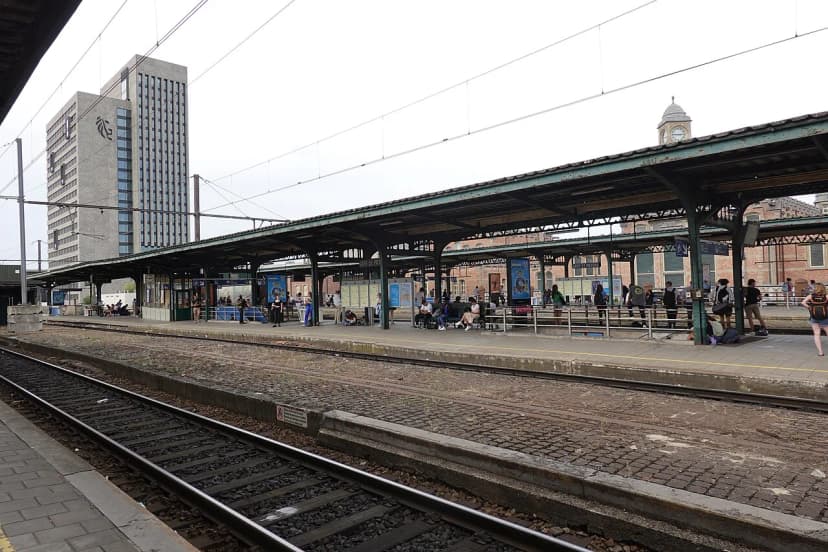
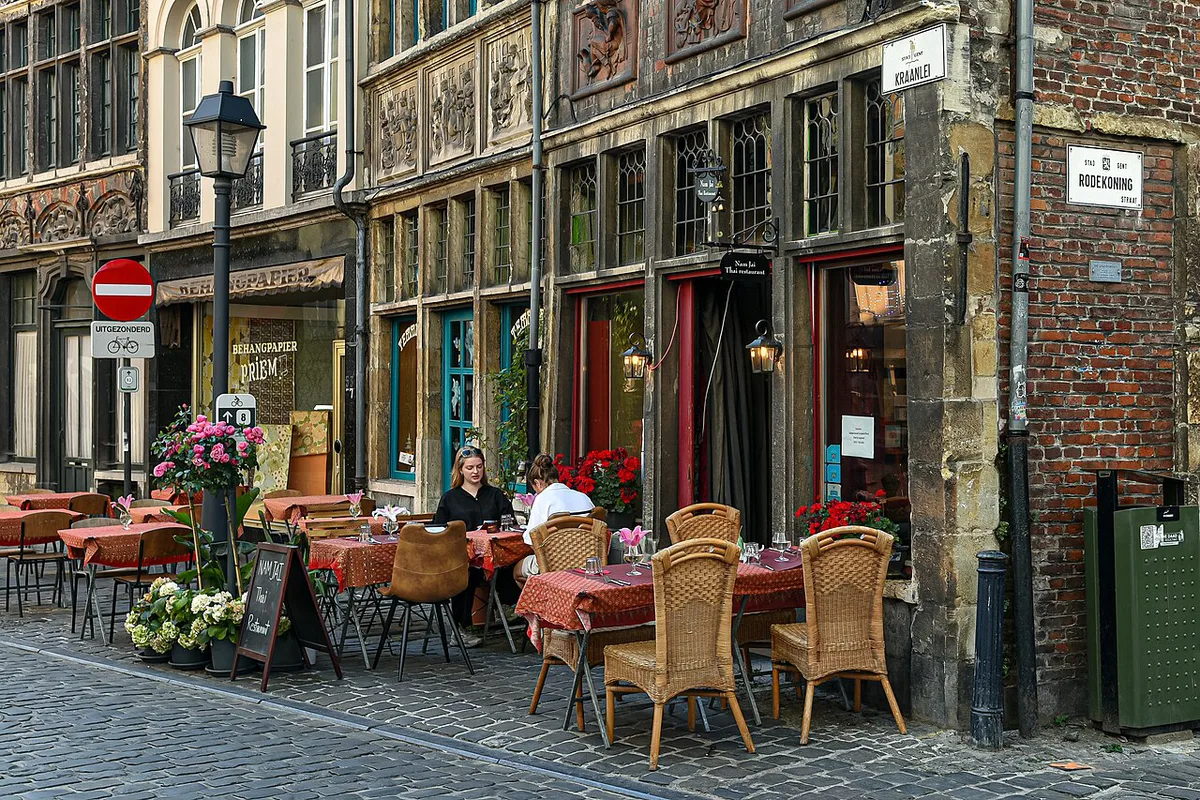
Gent-Sint-Pieters, jointly served by SNCB/NMBS national rail and De Lijn's tram and bus lines, is the busiest transit point in the city and the one spot where you should stay genuinely bag-aware. The concourse and the underground tram platforms draw heavy foot traffic throughout the day, and Securail, the Belgian rail security service, maintains a visible presence around the station, particularly near ticket halls and platform access points. Lighting across the underground tram platforms is consistent, and the layout channels most riders through a small number of well-trafficked corridors rather than isolated passageways, so you're rarely walking through an empty stretch to reach a tram. Gent-Dampoort, the secondary station on the city's northeast side, carries noticeably less foot traffic than Sint-Pieters, and its surroundings feel quieter after dark — if you're arriving or departing late from Dampoort, treat it with the same general caution you would give any lower-footfall transit point, rather than assuming any specific known danger. Korenmarkt, meanwhile, functions less like a station and more like the busiest tram intersection in the historic center, where several lines cross pedestrian and cyclist traffic at once; here the safety concern is less about crime and more about watching for trams while you cross the square or move between cafés and shops.
On-Board Safety on Trams and Buses
On board, Ghent's De Lijn trams — the modern Albatros and Hermelijn models that run the city network — are open-plan and well lit, with drivers visible and generally reachable from most points in the carriage. The bus network splits into two practical categories worth knowing: city lines that stay busy and predictable through the historic core, and regional lines heading toward suburbs and neighboring towns, which can run emptier and involve longer gaps between services, especially in the evening. The one on-board risk worth real attention is pickpocketing on the busiest connecting routes, particularly Tram Line 1, which links Gent-Sint-Pieters directly to the center and gets crowded with a mix of commuters, students, and luggage-carrying visitors during peak periods. Keep bags zipped and worn to the front, and avoid leaving a phone or wallet in an open outer pocket while boarding or standing in a packed carriage. These patterns line up with the broader common tourist scams in Ghent, most of which rely on crowding and distraction rather than any direct confrontation.
Night Transit: How the Nachtbus System Works
The Nachtbus, De Lijn's night bus system, operates on weekend nights and is the main practical alternative to walking or taking a taxi once standard tram service winds down for the evening. Routes and schedules have shifted in recent years around major events like the Gentse Feesten summer festival, so if you're planning a late return, check the current Nachtbus timetable on the De Lijn app or website rather than assuming a fixed weekday-and-weekend pattern will hold. If you're heading back to accommodation solo late at night, wait at a well-lit, populated stop and track the bus in real time through the app; that habit minimizes the time you spend standing alone at a dark stop, which matters more for comfort than any specific incident risk. This pairs with the wider picture in the guide to how safe Ghent is after dark, which covers how the city center feels once the crowds thin out and the trams stop running.
Solo and Female Traveler Safety on De Lijn
If you're traveling solo, including as a woman traveling alone, you'll likely find De Lijn's network straightforward to use even late in the evening, helped by the fact that trams and weekend Nachtbus routes stay populated with a cross-section of commuters, students, and service workers well into the night. If another passenger's behavior feels off, moving toward the driver's section or the nearest occupied seats is a practical first step, and you can flag the driver directly or use the intercom on newer vehicles if a situation escalates; calling 112 remains the fallback for anything urgent. These on-board habits sit alongside the wider advice in the dedicated guide for women traveling alone, which covers accommodation choices and street-level precautions that go beyond the transit network itself.
Tram Tracks and Pedestrian/Cyclist Safety
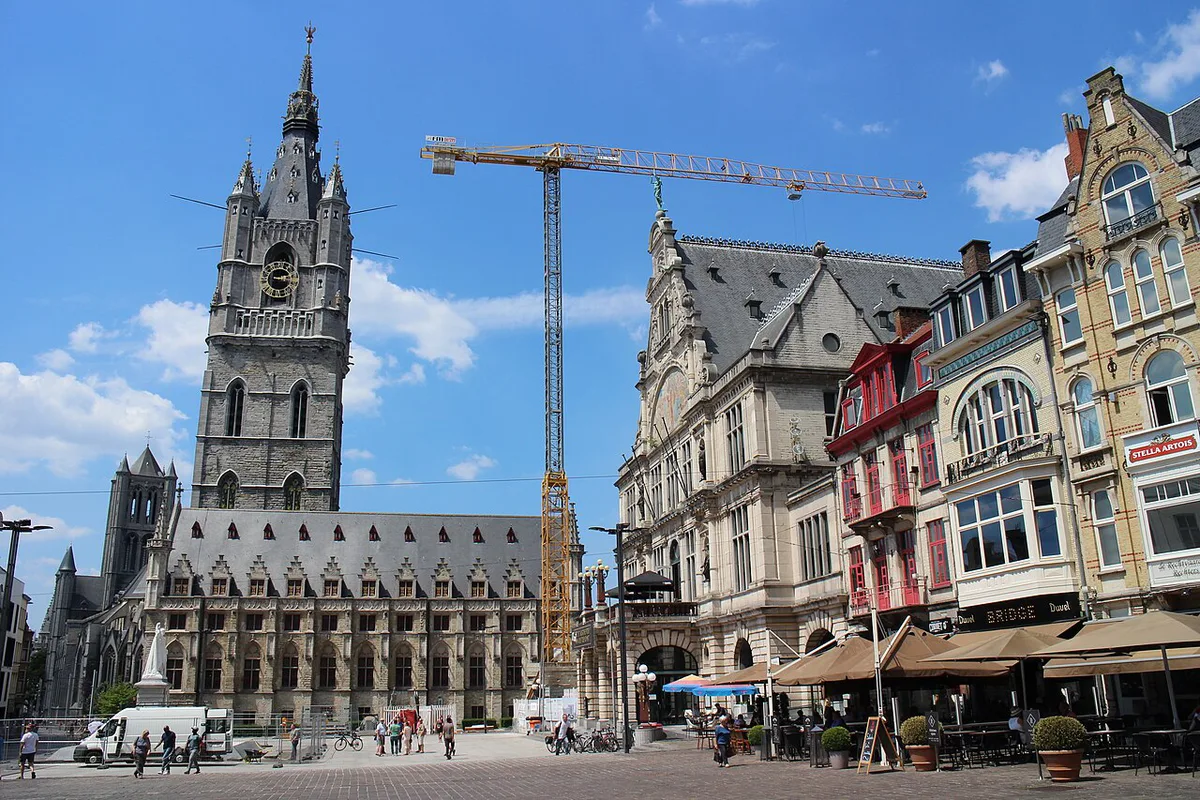
The most consistent physical safety issue tied to Ghent public transport safety is not crime but the tram tracks themselves. Ghent is flat, compact, and highly walkable and cyclable, and the same narrow historic streets that make it pleasant on foot also carry tram lines sharing space with pedestrians and cyclists — a track can catch a bike tire at the wrong angle, and trams emerging from narrow alleys or tight turns near the center offer little reaction time. Cross tram tracks at as close to a right angle as you can rather than a shallow diagonal, since that reduces the chance of a wheel or heel getting caught in the groove. Pause and look both directions before crossing in the pedestrian zone even where no vehicle is immediately visible, since trams run quieter than cars and can appear with little warning from a blind corner. If you're cycling, the realistic risk echoed across the city is a bike going missing when left unlocked, or a slip on wet tracks, rather than any on-board safety issue — a useful distinction if you're deciding between renting a bike and relying on the tram network.
Practical Logistics: Tickets, Hours, and Emergency Numbers
A few practical habits make it easier to move around Ghent safely. Buy tickets through the De Lijn app or tap in with contactless payment, branded Moby within the app, rather than carrying cash or paper tickets — it's faster and cuts down on the time you spend with a wallet or phone visibly out in a crowded space like Gent-Sint-Pieters. The network shifts from busy and well-supervised to quiet and comparatively isolated once standard tram and bus service winds down for the night, and that shift is your cue to switch to the Nachtbus or a taxi rather than wait for an infrequent late service. Keep the essentials on hand:
Pickpocketing concentrates on crowded routes like Tram Line 1. Using the De Lijn app or Moby contactless payment minimizes wallet and phone exposure in packed stations and busy transfers, reducing both temptation and opportunity.
- 112 — the single emergency number across Belgium for police, fire, and medical response
- De Lijn app — real-time arrivals, Nachtbus schedules, and mobile ticket or Moby contactless payment
- De Lijn customer service — lost property, route disruptions, and general travel questions
- Securail — rail security presence at Gent-Sint-Pieters for station-specific concerns
Public Transport vs Alternatives: Walking, Taxis, and Rideshare
For short hops within the historic center, walking is often the simpler and equally safe choice, since most of Ghent's core sights sit inside a compact, well-lit, pedestrian-heavy area. The tram becomes the more sensible option for longer distances, for reaching accommodation outside the center, or for travel later at night, when a lit tram or bus covers quieter stretches better than walking does — particularly relevant once you factor in the neighborhoods worth avoiding after dark. Taxis and rideshare options give you a reliable backup when the Nachtbus schedule doesn't line up with a late return, though they cost more than a De Lijn ticket; booking through a known taxi stand or app rather than hailing an unmarked car is the safer default in any unfamiliar city, Ghent included.
Renting a bike for Ghent's compact center faces two realistic concerns: the high theft rate when left unlocked, and tram tracks catching wheels at wrong angles. The tram network offers simpler logistics for visitors, particularly after dark.
| Option | Best For | Service Pattern |
|---|---|---|
| Walking | Short hops in the historic center | Well-lit, compact pedestrian area |
| De Lijn Tram/Bus (city center) | Longer distances or travel after dark | Stays busy and predictable well into the evening |
| De Lijn Regional Bus | Reaching suburbs and neighboring towns | Runs emptier with longer gaps between services, especially evening |
| Nachtbus | Late returns once standard tram service ends | Operates weekend nights only |
| Taxi/Rideshare | Backup when other transit options unavailable | Available anytime; more expensive than transit |
Frequently Asked Questions
Is the tram free in Ghent?
Not by default. Standard De Lijn tickets apply on Ghent's trams and buses whether bought via the app, at a vending point, or on board (on-board purchase typically costs more and requires exact change or card). The Ghent City Card is the exception: it bundles unlimited use of De Lijn trams and buses within the city for the card's validity period alongside museum and attraction access, so if you're already planning to buy one for sightseeing, it effectively makes transit free for that window. Without the City Card, budget for a standard single or day ticket through the app for the best rate.
Are there bad bus lines to avoid in Ghent?
There is no specific De Lijn line in Ghent flagged as unsafe. The more useful framing is time of day rather than line number: city lines through the historic core stay busy and predictable well into the evening, while regional lines heading toward outer suburbs run emptier and with longer gaps between services, especially at night. If a regional bus feels too quiet for comfort late at night, the Nachtbus or a taxi back toward the center is a reasonable substitute.
What should you do if you lose belongings on a De Lijn bus or tram?
Contact De Lijn's customer service as soon as possible with the route number, approximate time, and stop where you boarded or noticed the item missing — De Lijn logs lost property centrally rather than per vehicle, so reporting quickly improves the odds of a match. If the loss involves a wallet, cards, or a phone, also flag it to local police, since a police report is usually required for travel insurance claims or card replacement.
Is it safe to wait at bus stops alone after midnight in Ghent?
Generally yes for a city known for a calm, low-key nightlife pattern, but treat it the same way you would in any city: choose a well-lit, visible stop rather than a dim side street, and track the Nachtbus or last tram in real time through the De Lijn app so you're not standing exposed for longer than necessary. If a stop feels genuinely isolated, walking to a busier, better-lit stop nearby or calling a taxi is a reasonable adjustment.
How does Gent-Sint-Pieters station compare to Gent-Dampoort for safety?
Gent-Sint-Pieters is the busier of the two, with heavier foot traffic, a visible Securail presence, and consistently lit underground tram platforms, which makes it the more closely supervised of Ghent's main stations. Gent-Dampoort sees less traffic and feels quieter after dark, so it warrants the same baseline caution you'd give any lower-footfall station rather than any specific elevated risk — mainly, stay aware of your surroundings and avoid lingering on an empty platform longer than needed.