Safest Neighborhoods in Valencia: Where to Stay for Peace of Mind
Last updated April 2026, this guide breaks down the safest neighborhoods in Valencia for travelers, families, and anyone weighing a longer stay in Spain's third-largest city. Valencia has a reputation as one of the more relaxed and walkable major Spanish cities, and understanding Valencia's overall safety picture helps put individual district choices into context. From the elegant boulevards of L'Eixample to the quieter residential streets of Extramurs, the districts below balance security, character, and access to Valencia's main sights.
Valencia's Safest Neighborhoods at a Glance
For travelers who want the short answer first, Valencia's safest neighborhoods cluster around the city's central and northern districts: L'Eixample and Ruzafa, El Pla del Real, Campanar, the historic core of Ciutat Vella around El Carmen and La Seu, and the quieter residential streets of Extramurs. Compared with larger Spanish cities such as Madrid or Barcelona, Valencia is generally regarded by residents and visitors as a calmer, more walkable city, though — as in any major urban center — petty theft can still occur in busy tourist corridors. Each district below offers a different balance of character, cost, and proximity to the center, so the right choice depends on whether nightlife, family-friendly quiet, or easy access to major sights matters most for the trip.

- L'Eixample and Ruzafa - elegant boulevards paired with a lively food and nightlife scene
- El Pla del Real - residential, upscale streets near university buildings and consulates
- Campanar (Nou Campanar) - modern, family-oriented district with wide avenues and low foot traffic
- Ciutat Vella (El Carmen and La Seu) - historic old-town core with active street life
- Extramurs - a quieter residential alternative just outside the old city walls
Understanding Valencia's Safety Profile in 2026
Valencia's reputation as one of Spain's safer major cities holds up when looking at official crime rate data alongside the type of incidents most commonly reported by visitors. Violent crime is rare across nearly all central districts, and the more relevant concern is opportunistic petty theft — pickpocketing, phone snatching, and bag theft — concentrated in high-footfall tourist corridors such as the historic center, major markets, and the beachfront during peak season. Policing in the region falls under both national and regional structures, including the Generalitat Valenciana, but day-to-day city safety is largely handled locally. Neither Valencia's municipal nor national police publish a public neighborhood-by-neighborhood safety ranking, so the differences described in this guide reflect general character, lighting, foot traffic, and local reputation for 2026 rather than a formal score.
The Safest Neighborhoods in Valencia, Neighborhood by Neighborhood
The districts below are the ones most consistently described as Valencia's safest and most livable, whether for a short stay or a longer relocation.
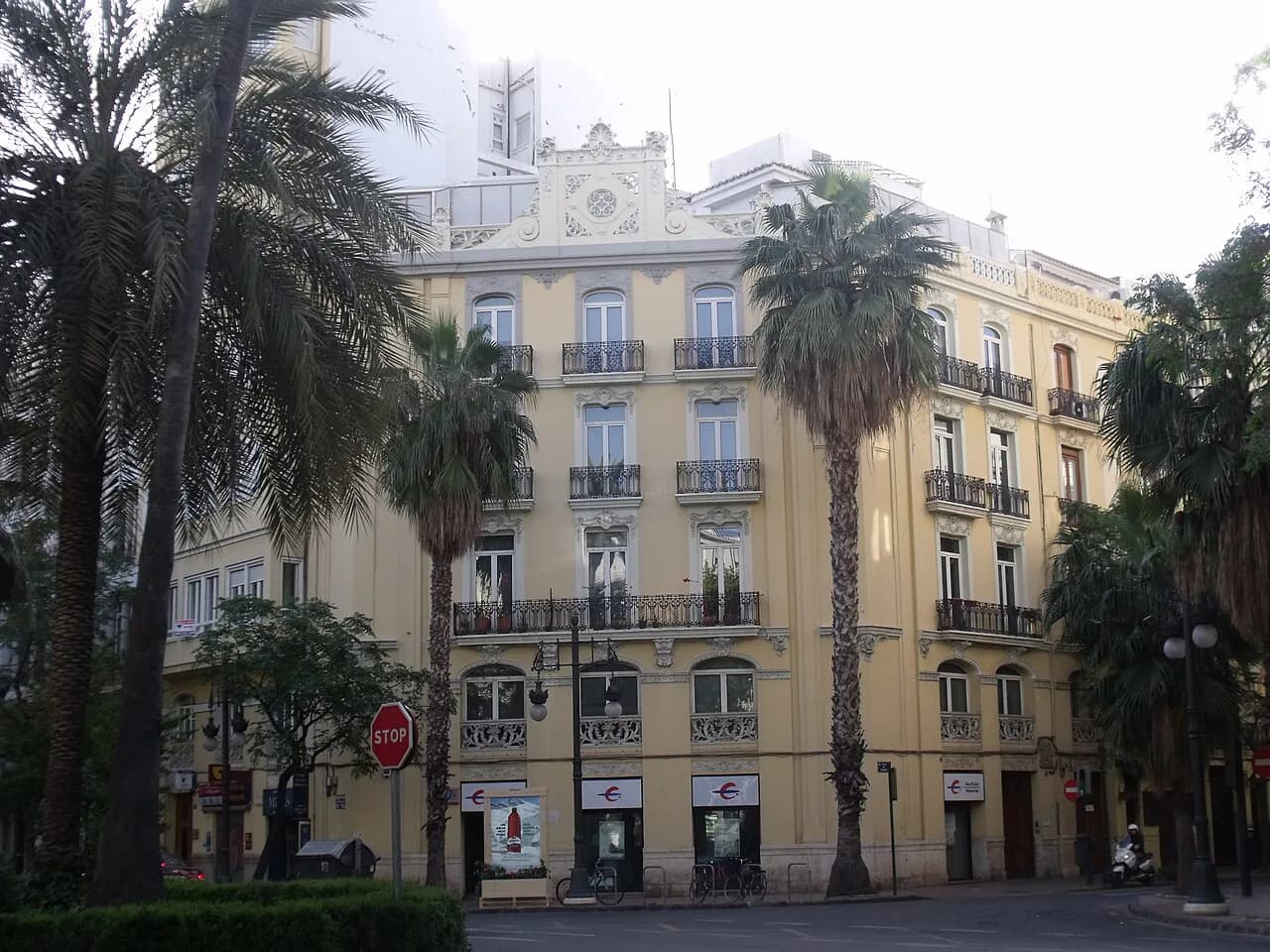
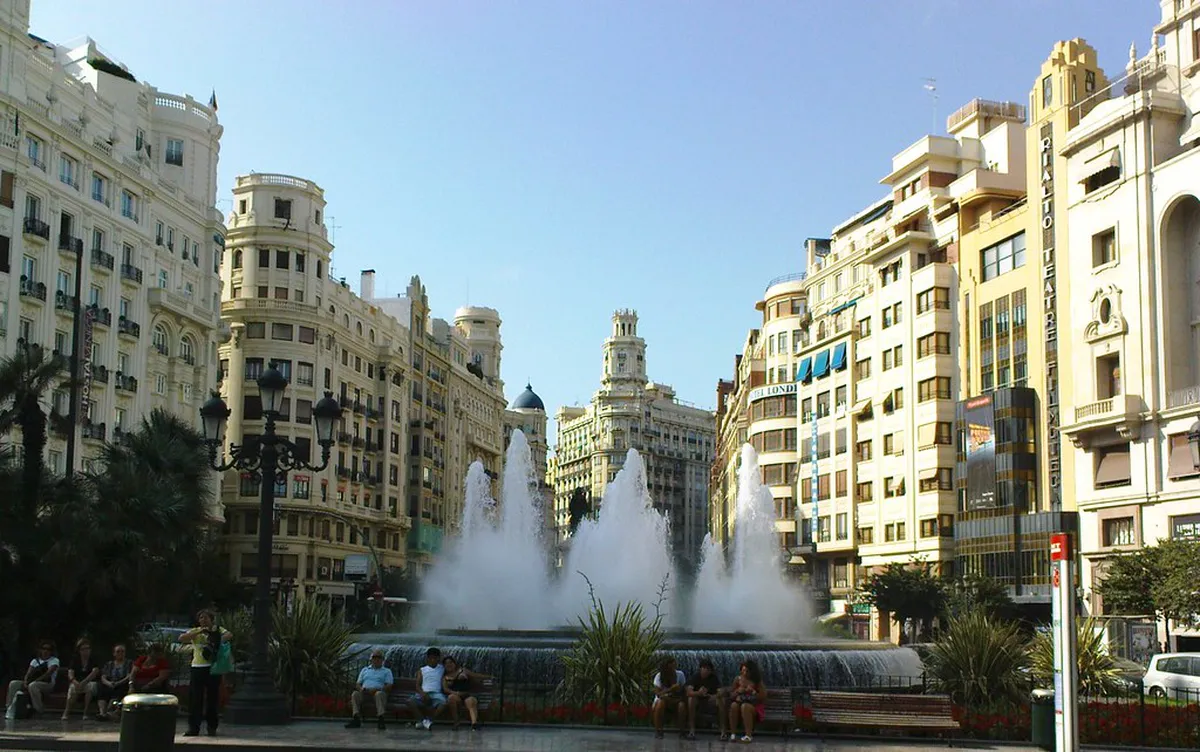
- L'Eixample and Gran Via - Valencia's elegant default choice, with wide, well-lit avenues and dense central commercial activity that keeps streets busy well into the evening. Best for: first-time visitors who want a polished, central base with easy walking access to the old town.
- Ruzafa (within L'Eixample) - the city's food and nightlife hub, dense with restaurants, cafes, and bars; the blocks north of Gran Via tend to be noticeably quieter after dark than the bar-heavy streets closer to the market, so booking deliberately matters here. Best for: travelers who want walkable nightlife without straying far from home.
- El Pla del Real - a residential, upscale district home to university buildings and several consulates, bordering the green corridor of the Turia Gardens. Best for: families and longer-stay visitors who want a quiet, leafy base close to museums and parks.
- Campanar (Nou Campanar) - a modern, purpose-built residential area with wide avenues and comparatively low foot traffic, popular with local families rather than tourists. Best for: digital nomads and families prioritizing quiet over nightlife, who don't mind a short transit ride into the historic core.
- Ciutat Vella - El Carmen and La Seu - the atmospheric old-town core, full of narrow lanes and historic architecture; El Carmen carries genuine old-town character but can get noisy near its concentration of bars, especially on weekend nights. Best for: travelers who prioritize atmosphere and walkability and don't mind some evening noise.
- Extramurs - a quieter, largely residential district just outside the old city walls, offering a calmer alternative to Ciutat Vella while staying within walking distance of the center. Best for: travelers who want central access without the old town's crowds or nightlife noise.
- Cabanyal seafront strips - Valencia's beachfront district, within reach of Malvarrosa beach and carrying a distinct maritime character; sticking to the better-established, tourist-facing streets is worth the extra care it takes when booking here. Best for: travelers prioritizing beach proximity over central-city convenience.
Comparing Valencia's Safest Areas
Use the table below as a quick decision matrix when weighing character, cost, and location against the general safety impression described in this guide. Cost levels and safety impressions here reflect the editorial assessment in this guide rather than an official ranking or published score.
| Neighborhood | Vibe | Cost Level | Best For | Safety Impression (editorial assessment) |
|---|---|---|---|---|
| L'Eixample & Gran Via | Elegant, central | Medium-High | First-time visitors | Very safe, well-lit |
| Ruzafa | Food & nightlife | Medium-High | Foodies, nightlife fans | Safe; quieter north of Gran Via |
| El Pla del Real | Residential, upscale | High | Families, longer stays | Very safe, quiet |
| Campanar | Modern, residential | Medium | Digital nomads, families | Very safe, low foot traffic |
| Ciutat Vella (El Carmen/La Seu) | Historic, atmospheric | Medium | Culture-focused travelers | Safe; some night noise |
| Extramurs | Quiet, residential | Medium | Travelers wanting calm | Safe, low-key |
| Cabanyal seafront | Beachfront, maritime | Medium | Beach-focused stays | Safe on main tourist streets |
Which Neighborhood Fits Your Trip?
Solo travelers, particularly women traveling alone, often do well in L'Eixample, the quieter stretches of Ruzafa north of Gran Via, or El Pla del Real, where streets stay busy into the evening and accommodation options are dense enough to choose a well-reviewed, centrally located building. Families weighing a longer stay tend to prioritize Campanar or El Pla del Real for their wide streets, lower foot traffic, and proximity to parks, even though both sit a short transit ride from the main tourist sights around Ciutat de les Arts i les Ciències and the old town. Digital nomads and remote workers planning an extended stay often split the difference by choosing Extramurs or Campanar, trading some nightlife access for quieter, more residential streets. Travelers building a trip mostly around the beach and Ciutat de les Arts i les Ciències should weigh the Cabanyal seafront strips against a more central base, since the trade-off is beach proximity versus a longer walk or transit ride back into the historic core.
Petty theft concentrates in tourist zones—the historic center, major markets, and beachfront during peak season—rather than in specific neighborhoods. Choose districts based on your trip preferences: nightlife, quiet, or cultural access. Stay alert in crowded areas regardless of which neighborhood you book.
Orienting Yourself: The Turia Gardens as a Navigation Landmark
The Turia Gardens, the long dry riverbed park that curves around the historic center, function as a useful navigational reference point for the neighborhoods covered in this guide. Several of the safest central districts, including El Pla del Real, L'Eixample, and Extramurs, sit along or near this green corridor, making it a well-used route for walking or cycling between neighborhoods even in the evening. Turisme València, the city's official tourism board, promotes the park and its surrounding districts as a core part of orienting a first visit, and using it as a mental reference point makes it easier to judge how far any given accommodation actually sits from the old town and the beach.
Staying Safe After Dark and Getting Around
Valencia's central neighborhoods stay well-lit and busy well into the evening, but the specifics of safety after dark still vary block by block, which is worth reading in full before deciding exactly which street to book. Public transport, including the Metrovalencia metro and tram network, is generally considered a safe way to move between neighborhoods, though the same pickpocketing risks that apply to crowded transit systems elsewhere in Europe apply here too; the guide to public transport safety tips covers this in more depth. Solo female travelers weighing which district to book, and what precautions to take once there, should also read the dedicated solo female travel safety guide alongside this one, since it goes further into street-level and after-dark specifics than a neighborhood overview can.
When evaluating after-dark safety, focus on practical features: wide streets, consistent lighting, and evening foot traffic. These principles help assess any neighborhood beyond those highlighted here. The Turia Gardens exemplifies these traits as a well-used evening navigation route across districts.
Neighborhoods and Situations That Warrant Extra Caution
Valencia's overall safety profile is strong, but a few pockets and situations deserve a closer look before booking or wandering off-plan. For a fuller breakdown of specific streets and districts that carry a different reputation than the ones featured here, see the dedicated guide to areas to avoid. Tourist-dense zones — the historic center, major markets, and the beachfront in high season — are also where most common tourist scams and opportunistic theft take place, so the caution needed is less about which neighborhood is booked and more about staying alert in crowded, distraction-heavy spots regardless of where accommodation is.
Common Mistakes and Local Safety Tips
A handful of avoidable mistakes account for most of the trouble visitors run into in otherwise safe neighborhoods.
- Leaving bags, phones, or towels unattended on Malvarrosa beach while swimming - a common and entirely preventable source of theft.
- Carrying a wallet in a back pocket or an open bag through crowded markets or the historic center.
- Assuming a well-lit main street means every side street nearby is equally safe after dark.
- Not knowing which police force to contact: the Policía Local handles day-to-day city issues and traffic, while the Policía Nacional handles more serious crime reports; in an emergency, 112 reaches police, fire, and medical services across Spain.
Arrival Safety Checklist for Valencia
Before settling into any of the neighborhoods above, a short checklist helps travelers get oriented quickly for a 2026 trip.
- Save 112, the general emergency number for police, fire, and medical services in Spain.
- Download a transport app for the Metrovalencia metro and tram network before arrival.
- Photograph or scan travel documents and store copies separately from the originals.
- Book accommodation on a specific, named street rather than a general area, and check its position relative to Gran Via or the Turia Gardens for orientation.
- Note the nearest Policía Local presence for the chosen neighborhood after check-in.
Best Metro Anchors for Safe Neighborhood Choices
For visitors comparing Valencia’s safe areas, Metrovalencia access is one of the biggest practical differences between districts. In L’Eixample, booking near Colón or Xàtiva keeps you close to well-used shopping streets, the old town, and direct airport connections. Around Gran Via del Marqués del Túria and Mercado de Colón, streets are broad, central, and active late enough to feel straightforward after dinner.
El Pla del Real is better anchored by Alameda and Aragón, useful for the Turia Gardens, university buildings, Mestalla, and quick links toward the beach or city center. Campanar and Nou Campanar feel calmer and more residential, but checking walking distance to Túria, Campanar, or Beniferri stations matters because some blocks become quiet at night. Extramurs works best near Àngel Guimerà, which is practical for airport transfers and central connections without staying inside Ciutat Vella’s narrowest streets.
Frequently Asked Questions
What is the safest neighborhood in Valencia?
There is no single official ranking, but L'Eixample, El Pla del Real, and Campanar are consistently described as Valencia's safest and most livable districts, thanks to their wide, well-lit streets and largely residential character.
Is Ciutat Vella, the old town, safe for tourists?
Yes, Ciutat Vella, including El Carmen and La Seu, is considered safe for tourists during the day and evening, though its narrow lanes and concentration of bars mean some streets get noisier or busier late at night than in quieter residential districts.
Which Valencia neighborhood is best for families?
Campanar and El Pla del Real are generally the best fit for families, offering wide avenues, lower foot traffic, and proximity to parks, at the cost of being a short transit ride from the main tourist sights in the historic center.
Where should solo female travelers stay in Valencia?
L'Eixample, the quieter stretches of Ruzafa north of Gran Via, and El Pla del Real are commonly recommended for solo female travelers because they stay busy and well-lit into the evening. The dedicated solo female travel safety guide covers neighborhood-specific precautions in more depth.
Are there neighborhoods in Valencia that tourists should avoid?
Valencia does not have large no-go zones for tourists, but certain streets and districts carry a different reputation than the ones featured in this guide. The areas-to-avoid guide breaks down the specifics so a trip can be planned around them.
How does Valencia's safety compare to Madrid or Barcelona?
Valencia is generally regarded by residents and visitors as calmer and more walkable than Spain's two largest cities, though, as in Madrid or Barcelona, petty theft in crowded tourist areas remains the most common issue rather than violent crime.