
Valencia Public Transport Safety: A Practical Guide for Travelers
Last updated June 2026, Valencia public transport safety remains strong across the city's metro, bus, and tram network, with petty theft rather than violent crime the primary concern for visitors. Metrovalencia, EMT buses, and the coastal tram lines are used daily by residents and tourists alike, and standard urban awareness, especially at crowded hubs like Xàtiva and Colón, is enough to keep a trip smooth. This guide breaks down safety by mode, night travel, pickpocket hotspots, and practical steps for solo travelers and families getting around the city.
Is Public Transport in Valencia Safe?
Public transport in Valencia is safe for the vast majority of trips, and the short answer for anyone comparing it against other European transit systems is reassuring: petty theft, not violent crime, is the main risk to plan around. Metrovalencia trains, EMT buses, and the city's tram lines are used daily by commuters, students, and visitors, and the network reflects the city's broader reputation covered in the guide to overall safety in Valencia. The city's crime rate skews toward opportunistic theft in crowded settings rather than confrontational incidents, so standard urban habits, including bag awareness, phone vigilance, and not flashing valuables, cover most of the real risk on board. Basing a stay in one of the safest neighborhoods in the city also puts travelers within easy reach of well-served metro and tram stops, which simplifies both daytime sightseeing and the evening return trip.
- Primary risk: pickpocketing in crowded carriages and at major interchange stations, not violent crime.
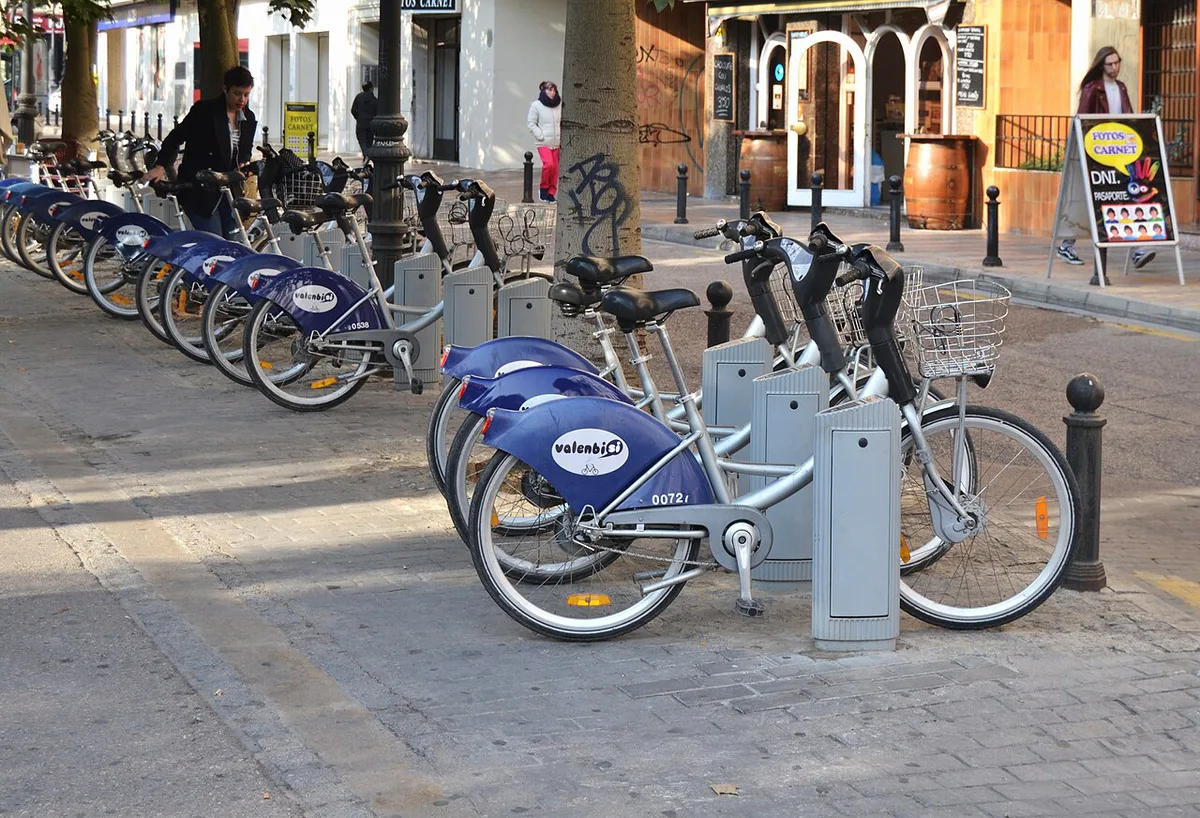
- Metrovalencia, EMT buses, trams, and Valenbisi bike-share all operate under regular municipal security oversight.
- Standard precautions, such as zipped bags, front pockets, and phone awareness, resolve most of the risk.
Valencia Public Transport Safety by Mode: Metro, Bus, and Tram
Valencia public transport safety varies slightly by mode, though all three core networks are considered safe for everyday and tourist use. Metrovalencia's underground and surface lines connect the airport, the historic center, and the beach, and the system sees its heaviest crowding, and its highest pickpocket risk, at interchange stations rather than on quieter suburban stretches. EMT buses run frequent daytime routes across the city, and drivers are generally attentive to passengers who look lost or uneasy, which makes the bus network a comfortable option for travelers still learning the city's layout. Trams heading toward the coast add a third layer of connectivity, and safety on these lines depends mostly on how crowded they get during peak beach hours.
- Metrovalencia: the busiest and highest-alert points are the interchange stations of Xàtiva and Colón during rush hour, where dense crowds create cover for phone and bag theft; keep devices in a front pocket or zipped bag rather than in hand.
- EMT buses: boarding is orderly, drivers can assist with directions or flag a stop, and the enclosed, monitored environment makes buses a low-risk option even for travelers unfamiliar with the routes.
- Trams to the coast: lines serving Malvarrosa and Cabanyal run safely day to day, but they get noticeably more crowded on hot afternoons and weekend evenings, when the mix of beachgoers and luggage-carrying tourists is the setting pickpockets favor most.
Getting Around Safely at Night on Valencia's Transit Network
Night travel is where Valencia public transport safety questions come up most often, and the practical answer is that the city covers the gap between Metrovalencia's daytime schedule and the early hours reasonably well. Metrovalencia's own service winds down late in the evening, and NitBús, the city's night bus network, picks up coverage after that point, running specific overnight routes rather than the full daytime map. For more detail on how the after-dark experience compares across neighborhoods and travel modes, see the dedicated guide to safety after dark in Valencia. Walking to or from a station late at night is generally low-risk in central, well-lit areas, but it is worth applying the same awareness used anywhere: stick to main streets near stops, keep headphones at a volume that still lets ambient sound through, and avoid unlit shortcuts even if they save a few minutes.
Late-night travelers should plan Metrovalencia-to-NitBús transitions using the official app before starting the journey, reducing the visible confusion that attracts pickpockets during the service handoff period.
- Metrovalencia service tapers off later in the evening; check the current schedule before planning a late return.
- NitBús covers the city overnight on a reduced route network, the more reliable option once Metrovalencia service ends.
- Well-lit, populated streets around stations are the safer walking route, even when a quieter path looks shorter.
Pickpocket Hotspots and Prevention on Metro and Tram Lines
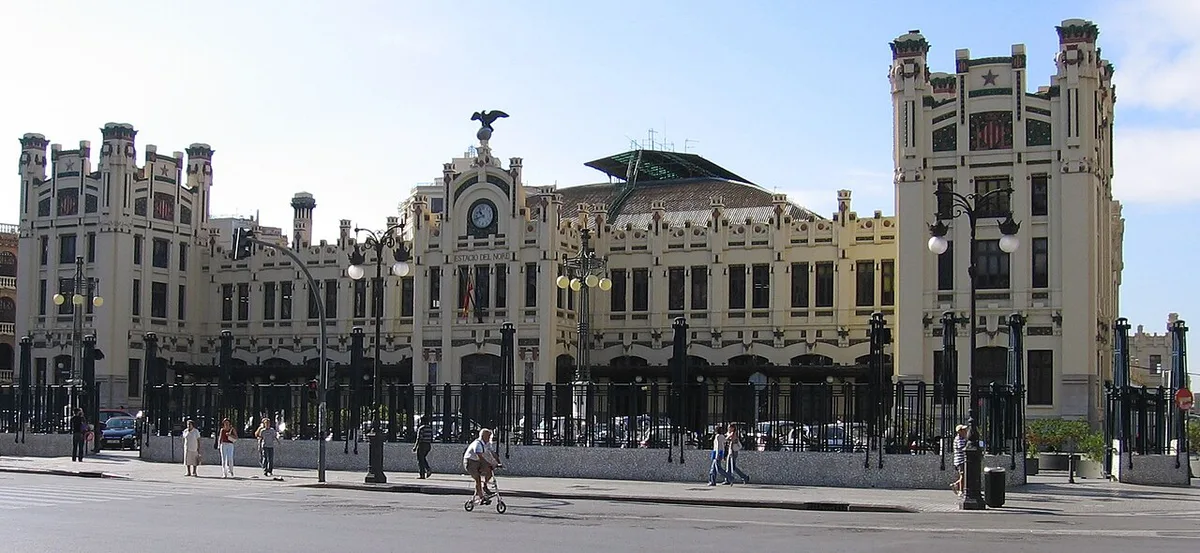
Pickpocketing, rather than any more serious offense, is the safety issue travelers are most likely to actually encounter on Valencia's transit network, and it clusters predictably around a handful of high-traffic points. Estació del Nord, the city's main train station and a connecting hub for several transit lines, draws large volumes of luggage-carrying travelers and is a natural target for opportunistic theft. Xàtiva and Colón see the same dynamic during the morning and evening rush, when packed carriages and platforms make it easy for a thief to work close to someone without being noticed. Tram lines heading to the beach carry an additional layer of risk: distracted, sunscreen-and-towel-laden riders heading to or from Malvarrosa and Las Arenas are an easier target than commuters moving briskly through downtown stations. For a broader rundown of tactics beyond public transport, the guide to common tourist scams in Valencia covers the wider pattern, and if a route runs through a neighborhood worth extra caution, cross-check it against the guide to neighborhoods to avoid.
Preventing theft combines identifying risky locations—Xàtiva, Colón, Estació del Nord, and beach trams—with behavioral defenses: zipped bags, front pockets, and pre-planned routes that eliminate visible hesitation.
- Keep phones in a front pocket or zipped bag on crowded carriages, especially through Xàtiva and Colón during rush hour.
- Wear backpacks on the front, or keep a hand on them, when moving through Estació del Nord.
- On beach-bound trams, keep valuables zipped away rather than in an open tote, particularly on hot, crowded afternoons.
- Avoid counting cash or displaying phones and cameras openly while standing on a packed platform.
Solo Female Travelers and Vulnerable Groups on Public Transport
Solo travelers, including women traveling alone, generally find Valencia's public transport network comfortable to use, provided the same crowd-awareness habits are applied consistently. Choosing a seat near the driver on EMT buses, or standing near other passengers rather than in an empty section of a tram carriage, is a simple way to stay visible and reduce the sense of isolation on a quiet late-evening route. The dedicated guide to solo female travel safety in Valencia goes into more detail on broader precautions beyond transit, including neighborhood choices and after-dark routines. On any service, having the next stop or transfer already planned, rather than working it out mid-journey, cuts down on the moments of visible hesitation that can attract unwanted attention, and keeping a phone charged with the destination address saved offline removes the need to stop and check directions on the street.
- Sit near the driver on EMT buses or in a populated carriage section on Metrovalencia and trams.
- Plan the route and transfer points in advance rather than checking directions visibly mid-journey.
- Keep emergency contacts and the accommodation address saved offline in case of a dead phone battery.
Practical Logistics: SUMA Card, Apps, and Ticket Validation
Getting the logistics right reduces the kind of stress that makes travelers less alert, which in turn supports overall Valencia public transport safety. The SUMA card is the standard reloadable pass covering Metrovalencia, EMT buses, and trams, and it is worth picking up early in a trip rather than juggling single-ride tickets at every stop. Both Metrovalencia and EMT publish official apps with live schedules and route planning, which cut down on the kind of on-platform confusion that leaves travelers distracted and visibly lost, a state pickpockets specifically look for. Ticket validation matters as much for avoiding an on-the-spot fine as for avoiding an awkward confrontation with an inspector, so tap or stamp every ticket at the start of a journey, even on short hops. For airport transfers, Metrovalencia lines 3 and 5 run a direct connection into the city center, and because the route is straightforward, there is little of the taxi-rank pressure or meter disputes reported in some other cities; travelers who do take a taxi from the official rank should still confirm the driver is running the meter before pulling away.
- Buy a SUMA card early in the trip to avoid managing single tickets at every station.
- Use the official Metrovalencia and EMT apps for live schedules rather than guessing at platform boards.
- Validate every ticket at the start of the journey to avoid fines or disputes with inspectors.
- From the airport, Metrovalencia lines 3 and 5 run direct into the center; if taking a taxi instead, confirm the meter is running from the rank.
Metro vs Bus vs Valenbisi: Comparing Safety and Convenience
Each mode of getting around Valencia carries a slightly different safety and convenience profile, and picking the right one for a given trip, especially after dark, is mostly about matching the mode to the situation. In our editorial assessment, Metrovalencia and EMT buses are the most consistently comfortable options for longer or later trips because they are enclosed, staffed or monitored, and run to a fixed schedule, while Valenbisi suits short, well-lit daytime hops rather than a late-night crossing of the city.
| Mode | Safety Profile | Best Use | Night Availability |
|---|---|---|---|
| Metrovalencia | Generally safe; watch belongings at busy interchanges like Xàtiva and Colón | Longer cross-city trips, airport transfers via lines 3/5 | Runs into the evening, then hands off to NitBús |
| EMT Buses | Enclosed, driver-assisted, comfortable for less confident travelers | Daytime sightseeing and routes off the metro map | NitBús covers core overnight routes |
| Trams (to Malvarrosa/Cabanyal) | Safe but more crowded on hot afternoons and weekends | Beach trips and coastal neighborhoods | Limited compared to metro core lines |
| Valenbisi (bike-share) | Low theft risk while riding; lock securely when parked | Short, well-lit daytime hops | Not recommended for late-night crossings |
What to Do in a Transport Emergency in Valencia
In the rare event of a real emergency on Valencia's public transport network, whether a theft, an accident, or feeling unsafe around another passenger, the first step is the same as anywhere in Spain: call 112, the national emergency number, which routes to police, medical, or fire services as needed. The Spanish National Police handle theft reports, and filing one promptly is useful both for any insurance claim and for the record if the item is recovered. Station staff and bus drivers can also flag an issue in the moment, including radioing for support or directing a passenger to the nearest staffed point, and Metrovalencia stations along the busier lines typically have some staff presence during operating hours. Keeping a written note of the line, direction, and approximate stop where an incident happened makes any follow-up report faster to file.
- Call 112 for any genuine emergency; it connects to police, medical, and fire services.
- Report theft to the Spanish National Police promptly for documentation and any possible recovery.
- Alert a driver or station staff member in the moment; they can call for support directly.
- Note the line, direction, and approximate stop of any incident to speed up reporting.
Frequently Asked Questions
Is it safe to use the Valencia metro at night?
Yes, within the hours Metrovalencia operates. Service tapers off later in the evening, and NitBús night buses cover the city after that point. Sticking to well-lit stations and busier carriages is the main extra precaution worth taking after dark.
What is the biggest safety risk on Valencia's public transport?
Pickpocketing at crowded interchange stations like Xàtiva and Colón, on beach-bound trams, and around Estació del Nord is the primary concern, rather than violent crime, which is rare on the network.
Is Metrovalencia safer than EMT buses?
Both are considered safe for regular and tourist use. Metrovalencia sees more crowding at a few interchange stations during rush hour, while EMT buses offer a more enclosed, driver-assisted environment, so the better choice often depends on the time of day and route rather than one mode being inherently safer.
Do solo female travelers need extra precautions on Valencia's transit network?
General precautions, such as sitting near the driver or in a populated carriage, planning routes in advance, and avoiding empty late-night carriages, are enough for most solo trips. The dedicated guide to solo female travel safety in Valencia has more detail for planning after-dark routines.
What should travelers use to pay for Valencia's public transport?
The SUMA card is the standard reloadable option covering Metrovalencia, EMT buses, and trams, and it is generally more convenient than buying single tickets for every ride. Checking current fares on the official Metrovalencia and EMT sites before traveling is the most reliable way to budget.
What number should travelers call in a transport emergency in Valencia?
112 is the national emergency number in Spain and connects to police, medical, and fire services. It works the same way for an incident on public transport as it does anywhere else in the city.


