Carcassonne Public Transport Safety: Essential Logistics & Tips
Last updated June 2026, Carcassonne public transport safety comes down to logistics more than danger: the compact RTCA bus network, the Airport Navette shuttle, and the walk between Bastide Saint-Louis and the medieval Cité shape how smooth a visit feels far more than any crime risk does. Physical safety on buses, at the Gare de Carcassonne, and around the Airport Navette is generally strong, but thin evening schedules, a near-standstill on Sundays, and a genuinely steep uphill walk to the Cité are the real stress points travelers report. This guide breaks down the RTCA network, the airport shuttle, the train station, and the walking routes so transfers can be planned with confidence.
Carcassonne Public Transport Safety: How the System Works
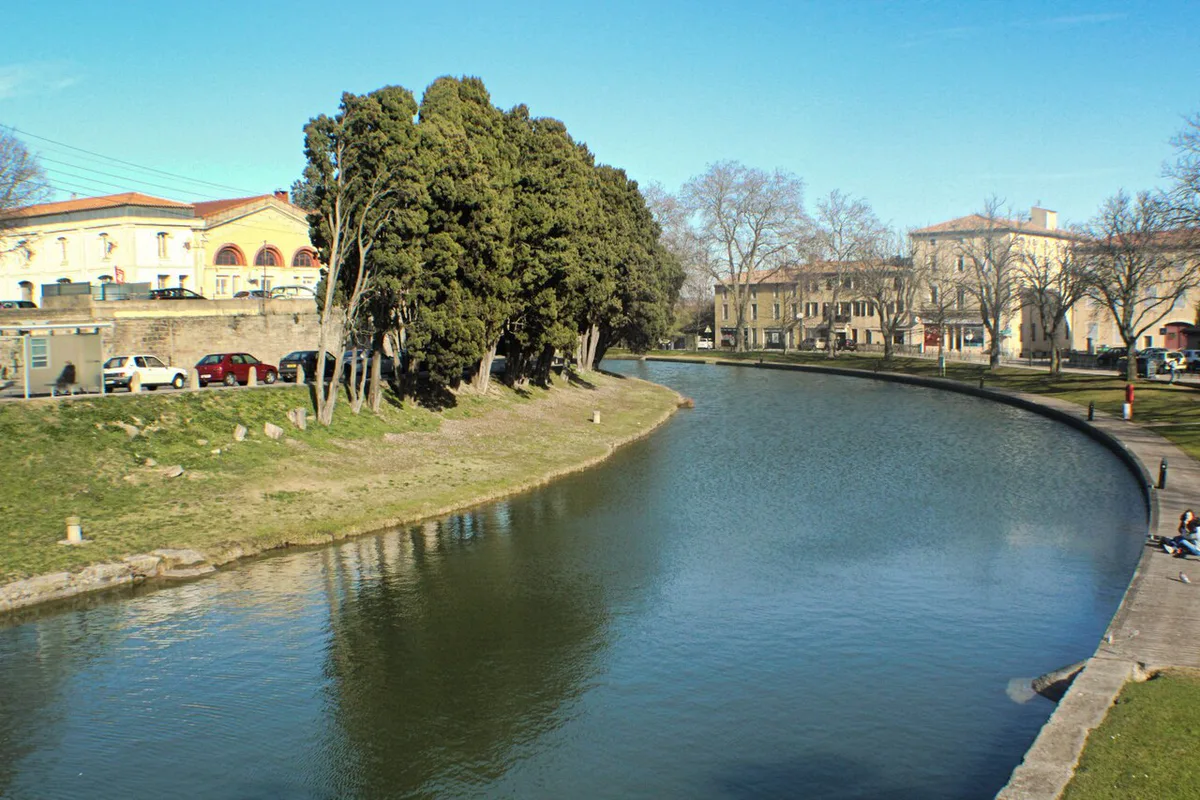
Carcassonne public transport safety comes down to three moving parts: the local RTCA bus network, the Airport Navette shuttle, and the Gare de Carcassonne. RTCA buses handle in-town journeys, linking Bastide Saint-Louis, the lower town along the Canal du Midi, with the medieval Cité on its hilltop above the Aude. The Navette shuttle exists specifically to bridge Carcassonne Airport (CCF) and the city, timed around scheduled flight arrivals rather than running on a fixed all-day loop. The Gare de Carcassonne, meanwhile, sits on the Toulouse–Narbonne rail line in the Bastide, next to the Canal du Midi, and is the hub for regional TER trains and longer Intercités services. None of these three systems carries a meaningful crime risk for travelers; the practical safety questions are almost all about timing, crowding, and route choice rather than danger. For the fuller picture of personal safety risk across the destination, this guide to overall safety in Carcassonne is a useful starting point before diving into transit specifics.
- RTCA local buses – link Bastide Saint-Louis and the medieval Cité for day-to-day journeys
- Airport Navette – shuttle timed to flight schedules at Carcassonne Airport (CCF), about 3km west of town
- Gare de Carcassonne – SNCF/TER station in the Bastide beside the Canal du Midi, on the Toulouse–Narbonne line
Airport Navette Safety: Shuttles, Luggage, and Late Arrivals
Carcassonne Airport (CCF) is small and serves a limited number of mostly seasonal, low-cost European routes, so the Navette shuttle is built around those scheduled arrivals rather than running continuously. In practice this makes it a safe, straightforward option for solo travelers landing during normal daytime windows: the ride into the city centre or the train station takes roughly 15-20 minutes, and drivers are used to loading planeloads of tourists with bags. Fares have historically run around €6 per person — confirm the exact price when boarding, since small seasonal adjustments happen. The trade-off is flexibility: if a flight lands outside the shuttle's aligned window, or is delayed late enough to miss it, there may not be another shuttle waiting. In that scenario, or for any late-night arrival, taxis outside the terminal are the more dependable choice and reach the lower town in under 10 minutes. On board the shuttle, keep bags on your lap or close at your feet rather than in an overhead rack during busier arrival banks, and hold onto your ticket or boarding confirmation until the ride ends. Solo travelers deciding between a shuttle and a taxi after a late landing may also want to weigh the specific guidance in this solo female travel safety guide before booking accommodation near a given drop-off point.
- Keep luggage within reach rather than in overhead racks during peak arrival banks
- Confirm the current Navette fare (historically around €6) before boarding
- If a flight lands outside the shuttle's scheduled window, head straight for the taxi rank instead of waiting
Gare de Carcassonne: Train Station Safety By Day and Night
The Gare de Carcassonne connects to Toulouse in roughly 45-60 minutes and to Narbonne in about 30 minutes on frequent TER regional services, with onward links toward Montpellier in around 1.5 hours; Intercités trains extend the same Toulouse–Narbonne corridor toward Marseille and Bordeaux, and high-speed TGV journeys to Paris or Lyon typically require a change in Toulouse or Narbonne. During normal daytime hours the station and the streets immediately around it are busy and low-risk. The situation to actually plan for is a late arrival: because Carcassonne sits on a well-used regional line, a late train is a matter of station awareness rather than danger — stick to lit, populated areas near the entrance while arranging onward transport rather than lingering on an empty platform. The other recurring issue at any regional station is petty theft around ticket machines and departure boards, where distracted travelers juggling luggage and paperwork are easy targets; this is exactly the kind of scenario covered in more detail in this guide to common tourist scams.
Station fatigue—juggling luggage, papers, and timing—increases vulnerability to petty theft at ticket machines. The problem compounds uphill: the 20-30 minute walk to the Cité is steep and exhausting with bags. A station-rank taxi solves both the security concern and luggage burden simultaneously.
- Keep bags zipped and in front of you while using ticket machines, especially during busy arrival windows
- Have accommodation details and a charged phone ready before leaving the platform, particularly for late trains
- Use the taxi rank directly outside the station rather than accepting unsolicited offers of a ride
The Walk to the Cité: Distance, Incline, and Nighttime Considerations
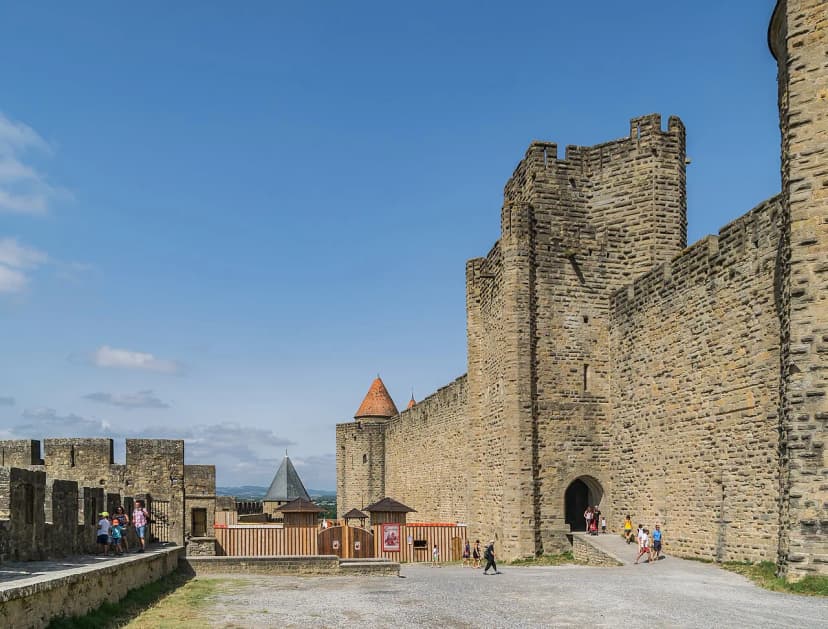
From the Gare de Carcassonne, the medieval Cité is roughly 2km away, which works out to about a 20-30 minute walk. The route crosses the Aude via the Pont Vieux, the old bridge linking the Bastide Saint-Louis to the base of the hill, before climbing up into the fortress itself. That final climb is the part travelers underestimate: it is a genuine, sustained incline, not a gentle slope, and it can feel considerably harder with a full suitcase, in summer heat, or for anyone with mobility limitations. With light luggage and in daylight, most travelers find the walk entirely manageable and even scenic, since it is the same approach used by day visitors heading up to the Château Comtal. After dark, or with heavy bags, a taxi from the station rank removes the incline problem entirely and is the more comfortable option. Travelers planning to walk back from the Cité late in the evening, after dinner or an evening visit, should read the specific route and lighting guidance in this breakdown of walking safely at night before setting off.
The Stress Factor: Bus Frequency, Sundays, and Evening Gaps
The biggest source of traveler frustration with Carcassonne public transport safety is not crime, it is the schedule. RTCA buses run a limited daily timetable that thins out well before midnight, and service drops drastically, in many cases close to a full stop, on Sundays and public holidays. This matters most if the plan is a late dinner in the Cité followed by a bus back to a Bastide hotel: do not assume a bus will be running, and check the current timetable before sitting down to eat. When the last bus has already gone, the realistic options are a taxi or the walk down via the Pont Vieux for those comfortable with a night walk. Language is a smaller hurdle than it might seem: RTCA's app and printed schedules default to French, but boarding is a simple transaction of naming a stop and paying a fare, and drivers are accustomed to tourists. It is still worth checking the current RTCA app or official website shortly before travel for 2026 timetables, since route-tracking tools and their branding change from one season to the next, and relying on an outdated app screenshot is a common source of missed connections.
Walking and Cycling Safety Between the Bastide and the Cité
The main pedestrian corridor between the two halves of town, across the Pont Vieux and up toward the Cité, is the route used by most day-trippers and stays reasonably well-lit and populated well into the evening, since it is also the route for restaurant traffic heading back down from the Cité. Side streets off that main path, particularly in pockets of the lower town, warrant more caution after dark than the main tourist route does; this guide to areas worth avoiding lays out which streets to skip on a night walk and why. For those who would rather cycle than tackle the incline on foot, Vélolib bike-share is available in town. As with any city bike-share scheme, lock the bike at a marked station rather than leaving it freestanding, and avoid leaving a rented or personal bike out overnight, since opportunistic bike theft is the more realistic risk here rather than confrontational crime.
Airport Shuttle vs Taxi vs Walking: Practical Decision Criteria
Once the safety basics are settled, the real decision usually comes down to cost, time, and how much uphill effort feels reasonable. Here is how the three main options compare for getting between Carcassonne's transit hubs and the city centre.
| Option | Cost | Safety Level | Time | Effort | Best For |
|---|---|---|---|---|---|
| Airport Navette shuttle | Around €6 per person (confirm current fare) | High | 15-20 minutes | Low | Budget solo or group arrivals aligned with flight schedules |
| Taxi | Metered fare, higher than the shuttle | High | Under 10 minutes (airport to lower town) | Low | Late arrivals, heavy luggage, off-schedule flights |
| Walking (station to Cité) | Free | Good in daylight; plan ahead after dark | 20-30 minutes (about 2km) | Moderate to high (uphill) | Light luggage, daytime arrivals |
Accessibility: Strollers, Wheelchairs, and Reduced Mobility
Carcassonne's transit safety picture changes somewhat for travelers with strollers, wheelchairs, or other mobility needs. The walk between the Gare de Carcassonne and the Cité involves a sustained uphill climb that is tiring even for able-bodied travelers with light bags, so it is not a realistic step-free route for wheelchair users or a stroller without assistance; a taxi is the more practical choice for that leg regardless of time of day. On the RTCA bus network itself, accessibility can vary by vehicle and route, since not every bus on a small regional network is built to the same accessibility standard. Confirm current accessibility details directly with RTCA or through the local tourist office before relying on a specific route, rather than assuming step-free boarding will be available on every service.
The steep 20-30 minute uphill walk to the Cité poses compound challenges: mobility-limited travelers cannot manage it without assistance, luggage makes the ascent exhausting, and station fatigue increases theft vulnerability. While RTCA accessibility varies by route, a taxi from the station rank bypasses all three constraints simultaneously.
Best Places to Wait for a Bus or Taxi After Dark
After dark, the safest transport choice in Carcassonne is often less about the vehicle and more about where you wait. If arriving by train, stay on the lit forecourt of the Gare de Carcassonne while checking bus times or calling a taxi, rather than drifting along quieter streets beside the Canal du Midi. In the Bastide Saint-Louis, Square Gambetta is a useful reference point because it sits on the normal walking route between the station area, Pont Vieux, and the climb toward the Cité.
For returns from the medieval Cité, avoid waiting on dim side lanes below the walls if the next RTCA bus is uncertain. Stay near the busier approaches around Porte Narbonnaise or inside the restaurant area until your taxi or onward plan is confirmed. If you decide to walk down, use the direct Pont Vieux route back toward the Bastide rather than improvised shortcuts through residential streets.
Frequently Asked Questions
Is there Uber in Carcassonne?
Uber does operate in Carcassonne, but coverage is not as deep as in larger French cities, so wait times can run longer than expected. Local taxis waiting at the Gare de Carcassonne and after scheduled airport arrivals are typically more reliable for an immediate pickup.
Can you use contactless payment on Carcassonne buses?
Payment options on smaller regional networks like RTCA can change from one season to the next, so it is worth checking the current RTCA app or asking the driver directly when boarding rather than assuming a specific payment method will work.
Is the walk from the station to the Cité too difficult with luggage?
With light luggage, the roughly 20-30 minute walk from the Gare de Carcassonne to the Cité is manageable for most travelers, even with the uphill stretch near the end. With heavy suitcases, mobility limitations, or after dark, a taxi from the station rank is the easier and more comfortable choice.
Are RTCA buses accessible for strollers or wheelchairs?
Accessibility can vary by vehicle and route on a network this size. Travelers who need step-free boarding or stroller space should confirm current accessibility details directly with RTCA or via the local tourist office before relying on a specific bus.
What is the emergency number for transit issues in Carcassonne?
As anywhere in France, dial 17 for police or 112 for the general European emergency line if something goes wrong while using public transport, whether that is a safety concern or a medical issue.