Is Lille Safe at Night? A Local Safety Guide for Travelers
Last updated July 2026, and the short answer for anyone asking is Lille safe at night is a qualified yes: this compact northern French city keeps its historic core busy, well-lit, and socially watched well past dinner, while a handful of specific spots call for the same street-smart habits used in any European city center. Vieux-Lille's bars and the central squares stay lively and safe deep into the evening, the student-driven nightlife around Solférino and Masséna is loud but generally good-natured, and the real after-dark caution points are narrower than a whole-neighborhood warning — mostly the station forecourts and a few transit pinch points. This guide breaks down which districts to relax in, which spots deserve extra alertness, and how to get home safely once the last transit run clears, building on the broader overall Lille safety picture.
The Quick Answer: Is Lille Safe at Night?
For most visitors, Lille falls into the same nightly safety bracket as other mid-sized French cities: normal urban precautions are enough for the vast majority of an evening out, and serious crime against tourists is uncommon rather than a routine occurrence. The city's compact center means Vieux-Lille, the central squares, and the main pedestrian shopping streets stay populated with residents, students, and service staff long after restaurants close, which keeps informal social oversight high through most of the night. Where extra caution genuinely matters is much narrower than an entire-city warning — it comes down to a short list of transit hubs and forecourt areas covered in the sections below, not full districts. Treat the rest of this guide as a practical, after-dark layer on top of the wider safety context for the city, since daytime and nighttime risk factors do not always overlap in the same places.
Nighttime Safety by Neighborhood
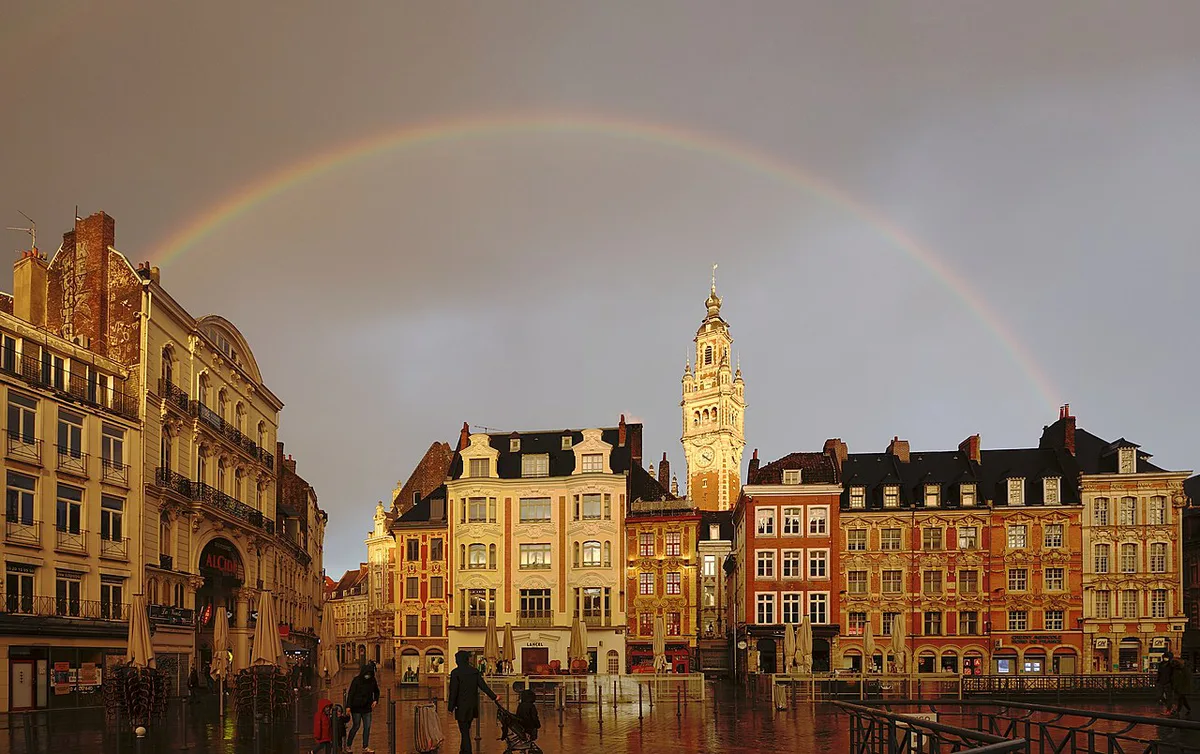
Lille's nightlife safety varies block by block rather than across the whole map, so knowing the character of each district helps set expectations before heading out. Vieux-Lille (Old Lille), with its cobbled lanes, wine bars, and restaurant terraces, stays one of the busiest and best-lit areas after dark, with steady foot traffic from diners and bar-goers well into the night. The central squares and main shopping streets keep a similar rhythm, carried by late-closing cafés and cinema crowds. Around Solférino and Masséna, the concentration of student housing and budget-friendly bars makes for a boisterous, sometimes loud scene on weekend nights, but the mood in this university quarter is generally good-natured rather than threatening — it is noise, not menace, that defines it. Wazemmes, known by day for its market, quiets down considerably once the stalls close, so its residential streets carry lighter foot traffic late at night than the more nightlife-dense districts. Vauban and the Sud sector are largely residential and studenty in character, unremarkable by general safety standards but without the crowd density that makes Vieux-Lille feel busy at 1 a.m. The snapshot below is a qualitative, editorial assessment rather than an official rating, meant only to set expectations district by district.
Quiet residential zones—Wazemmes after dark, Vauban, Sud—have low petty-crime risk but lack informal social oversight of crowded districts. Theft and scams concentrate where tourists gather, not in quiet neighborhoods; the actual after-midnight concern in residential areas is isolation, not crime.
| Neighborhood | Foot Traffic After Dark | Lighting | General Vibe |
|---|---|---|---|
| Vieux-Lille | High | Well-lit | Busy, bar- and restaurant-driven |
| Centre / central squares | High | Well-lit | Steady late-night foot traffic |
| Solférino / Masséna | Moderate to high | Well-lit on main streets | Boisterous, student-driven, good-natured |
| Wazemmes | Low to moderate | Mixed | Quiet residential once the market closes |
| Vauban / Sud | Low to moderate | Mixed | Residential, studenty, low crowd density |
Areas to Exercise Caution or Avoid at Night
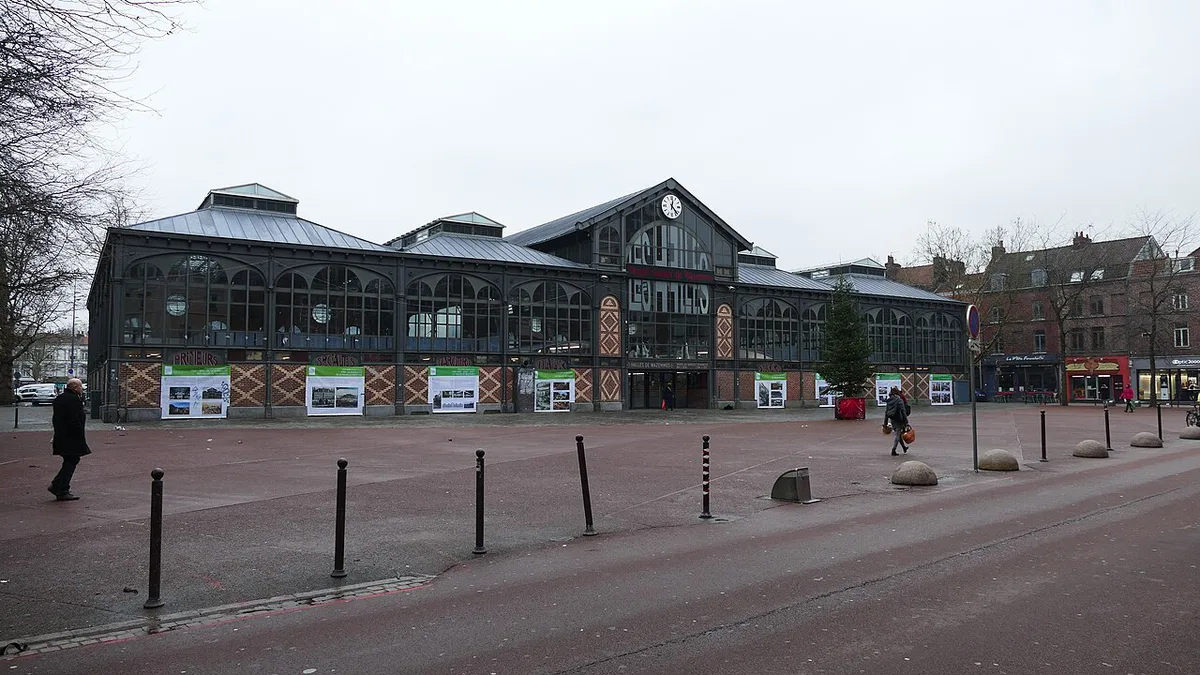
Rather than a citywide warning, the specific after-dark caution points in Lille are concentrated around the station forecourts and their immediate surroundings. Gare Lille Flandres, the older and more central of the city's two main stations, sits close to Vieux-Lille and the shopping core, so its forecourt stays relatively busy with taxis, late arrivals, and passing foot traffic — though the area right outside the entrances still deserves normal transit-hub alertness, especially very late at night. Gare Lille Europe, the newer high-speed rail station, sits in a quieter, more isolated pocket of the city with noticeably less passing foot traffic once the last trains clear, so waiting around outside it alone in the small hours deserves more caution than an equivalent wait at Lille Flandres. Beyond the stations, isolated metro entrances and underpasses on the fringes of the center are the kind of spot where reduced lighting and low foot traffic — not a bad neighborhood's reputation — are the actual risk factor, so it is worth treating quiet, poorly lit stops with the same alertness you would use in any city rather than singling out specific exits without a documented reason. For a fuller breakdown of which pockets deserve extra attention, see this guide to specific areas to avoid in Lille.
Getting Around Lille Safely at Night
Lille's night-time mobility runs through Ilévia, the operator behind the city's metro, tram, and bus network, and choosing the right mode after dark is mostly a trade-off between speed, cost, and how populated the route feels. The metro keeps running into the evening, with service naturally thinning out later at night, so it is worth checking Ilévia's official schedules directly for the exact last-departure times on the night you are traveling rather than relying on a fixed rule of thumb. On nights when the metro has stopped, Ilévia's Navette de Nuit night bus network is designed to cover core routes, and again the specifics are best confirmed on Ilévia's own site before you rely on them. The V'Lille bike-share system is a workable option for short, well-lit hops between the center and nearby districts, though it depends on rider comfort with cycling after dark. Taxis and rideshare apps remain the most door-to-door option once other transit has wound down, particularly from the station forecourts covered above.
| Mode | Best For | Trade-off |
|---|---|---|
| Walking | Short hops within a busy, well-lit district like Vieux-Lille or Centre | Comfortable in high-traffic areas, less ideal near quiet station forecourts late at night |
| V'Lille bike-share | Direct point-to-point trips once other transit has stopped | Requires comfort cycling at night and checking dock availability |
| Metro (Ilévia) | Longer cross-town trips while service is still running | Fastest option, but frequency drops later — confirm the last-train time before relying on it |
| Taxi / rideshare | Late-night door-to-door trips, especially from the gares | Most predictable option once transit has ended, at a higher cost than public transport |
Solo Female Travel Safety in Lille
Solo female travelers generally find Lille's nightlife districts manageable with the same precautions used across urban France: sticking to the busier, better-lit streets in Vieux-Lille and the central squares, keeping an eye on drinks in crowded bars, and pre-arranging a taxi or rideshare rather than waiting alone outside a quiet station late at night. The boisterous but good-natured energy around Solférino and Masséna's student bars means the crowds there are dense rather than hostile, which many solo travelers find easier to navigate than an empty street. Sharing a live location with someone, keeping a charged phone, and choosing accommodation within walking distance of a well-lit route back are simple habits that make a meaningful difference on a night out. For a more detailed, demographic-specific breakdown, the dedicated solo female travel safety guide covers accommodation choices and social scenarios in more depth.
The busiest nightlife zones—Vieux-Lille, Solférino, Masséna—feel safest due to crowds and lighting, yet they rank highest for pickpocketing. High foot traffic provides informal oversight and social safety, but simultaneously creates ideal conditions for opportunistic theft in crowded bars.
Common Scams and Petty Crime to Watch For
As in most European nightlife hubs, the realistic nighttime risk in Lille is petty crime and opportunistic scams rather than violent confrontation. Crowded bar streets in Vieux-Lille and around Solférino and Masséna are the highest-probability spots for pickpocketing, so keep bags zipped and in front, and avoid leaving phones unattended on bar tables. Distraction-based scams — a stranger asking for directions, a spilled drink, or a conveniently 'found' ring or bracelet — are a classic setup for a quick lift of a wallet or phone, and the standard response is simply to keep moving and keep hands on valuables. Around the station forecourts, unlicensed taxi touts and inflated fare offers are worth watching for; booking through a rideshare app or an official taxi rank sidesteps the issue entirely. The dedicated tourist scam breakdown for Lille goes through these tactics and a few others in more detail.
Practical Safety Checklist for Lille Nightlife
A short pre-departure checklist covers most of what genuinely changes after dark in Lille, from emergency numbers to event-driven crowd surges around the Braderie de Lille or a football match at Stade Pierre-Mauroy, both of which draw large crowds that temporarily change the usual foot-traffic and transit patterns.
- Save the local police number (17) and the pan-European emergency number (112) in your phone before heading out.
- Know that the Commissariat Central is Lille's main police station if you need to report an incident in person.
- Confirm the night's last metro departure and Navette de Nuit night bus routes directly on Ilévia's official site rather than assuming a fixed schedule.
- Check the calendar for the Braderie de Lille or a football match at Stade Pierre-Mauroy on match nights, since both change the usual crowd and transit patterns.
- Pre-arrange a taxi or rideshare pickup point if leaving from Gare Lille Europe late at night, given its quieter surroundings compared with Lille Flandres.
- Keep valuables zipped and out of reach in crowded bar streets around Vieux-Lille, Solférino, and Masséna.
- Travel in a group or stick to well-lit, populated streets when walking between the center and residential districts like Wazemmes, Vauban, or Sud after midnight.
- For deeper logistics on schedules and etiquette, review the public transport safety guide for Lille before your first late-night trip.
Best Late-Night Walking Routes in Central Lille
If you are walking after dinner or drinks, choose the broad, obvious routes that keep you near open businesses and steady foot traffic. From Gare Lille Flandres, the clearest route into the center is Rue Faidherbe toward Grand Place, then Place du Theatre and Rue Esquermoise for Vieux-Lille. These streets are more intuitive than cutting through smaller side lanes when you are tired or carrying luggage.
For nightlife around Massena and Solferino, stay on larger axes such as Rue Nationale, Boulevard de la Liberte, Rue Solferino, and Rue Massena, where there are bars, students, taxis, and late pedestrians. If returning toward Wazemmes, Rue Leon Gambetta is the more practical spine; avoid drifting through quiet market-side streets around Place de la Nouvelle Aventure once shutters are down. The safest route is usually the slightly longer one with lighting, tram or metro access, and visible people.
Frequently Asked Questions
Is Lille safe at night for tourists?
Generally yes, with normal urban precautions. Vieux-Lille, the central squares, and the main shopping streets stay busy and well-lit into the evening, and the main caution points are narrower than a whole-city warning — mainly the station forecourts and a few quiet transit spots covered above.
What time does the Lille Metro stop running at night?
Exact last-train times vary by night and are best checked directly on Ilévia's official schedules rather than assumed in advance. Service thins out later in the evening, and the Navette de Nuit night bus network is designed to cover core routes once the metro has stopped.
Is Vieux-Lille safe to walk around at night?
Yes, Vieux-Lille is one of the busiest and best-lit parts of the city after dark, with steady foot traffic from restaurant and bar patrons well into the night, making it one of the more comfortable areas for an evening stroll.
Is it safe to wait alone at Gare Lille Flandres or Gare Lille Europe late at night?
Gare Lille Flandres, being central and closer to Vieux-Lille, tends to stay busier with taxis and passing foot traffic. Gare Lille Europe is quieter and more isolated once late trains clear, so pre-arranging a taxi or rideshare pickup there is a sensible precaution.
How much time should travelers plan for getting home safely after a night out in Lille?
Build in a buffer before the last metro departure or confirm the Navette de Nuit route in advance, since relying on a specific transit connection without checking Ilévia's current schedule is the main way a night out runs into an unplanned late-night walk.