Is Arles Safe at Night? A Neighborhood-by-Neighborhood Safety Guide
Last updated May 2026, this guide answers the question you're likely asking before an evening stroll: is Arles safe at night? The short answer is reassuring — this UNESCO-listed city keeps its historic centre gently populated well after dark, restaurant terraces around Place du Forum stay lively, and serious crime against visitors remains uncommon compared with larger regional hubs like Marseille or Montpellier. Even so, you'll find Arles' narrow Roman and medieval lanes can feel more unsettling than they actually are, and festival nights bring a different, more crowd-driven set of risks worth planning around.
The Verdict: Is Arles Safe at Night?
Arles earns a clear yes on nighttime safety, especially measured against bigger Provençal and Mediterranean cities. As a compact, UNESCO World Heritage-listed town built around a well-preserved Roman core, Arles sees far less foot traffic — and far less of the crime that tends to follow foot traffic — than Marseille or Montpellier. Violent incidents involving travelers are rare, and the general profile after dark leans toward petty theft rather than anything more serious. It's worth noting that Bouches-du-Rhône as a department carries a reputation shaped heavily by its larger metros; that regional context doesn't map cleanly onto the evening walk you'll actually take through Arles itself, where the centre stays social and visible well past dinner. The bigger variable isn't the city overall but the calendar: a quiet Tuesday in November, with shuttered shopfronts and empty side streets by 9pm, feels almost sleepy, while the Féria d'Arles bullfighting festival and the Les Rencontres d'Arles photography festival transform the same streets into crowded, alcohol-fueled evenings where opportunistic theft climbs. Neither extreme is the full picture, and the practical answer sits in between: default vigilance on an ordinary night, heightened awareness during festival dates. If you want the fuller day-and-night safety picture beyond this after-dark focus, this overview of whether Arles is safe overall is a useful starting point before diving into neighborhood and transport specifics.
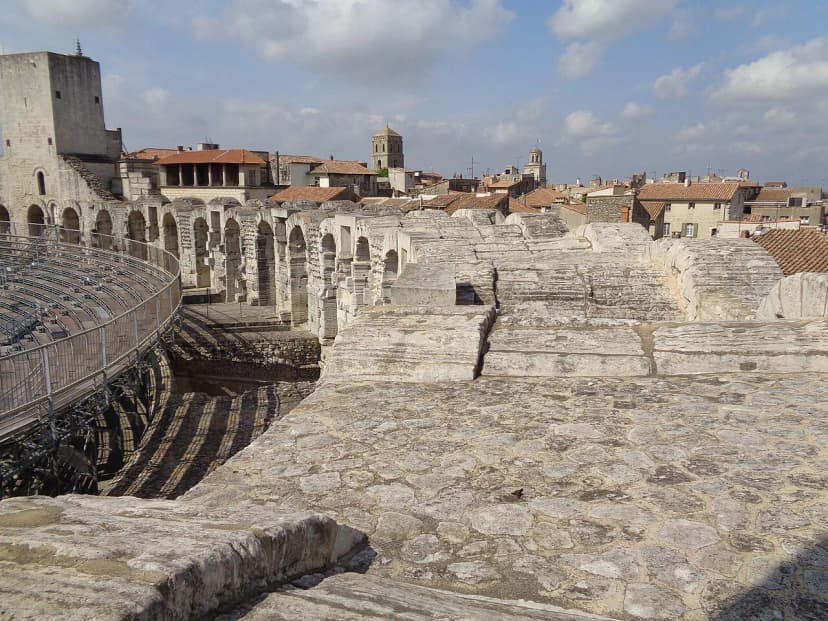
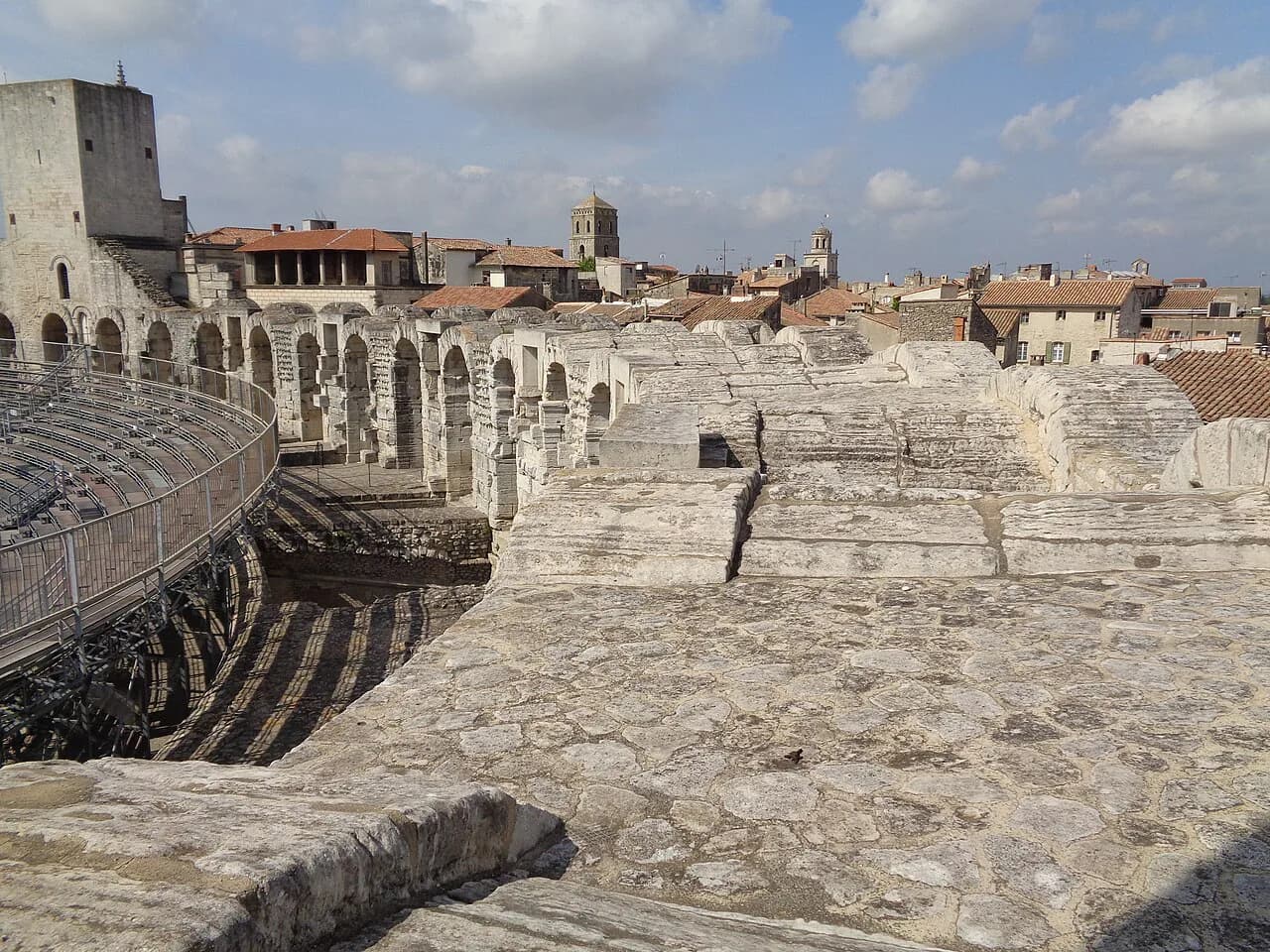
During the Féria d'Arles and Les Rencontres d'Arles, pickpocketing surges around the Amphitheatre and late-night bar strips as crowds, alcohol, and distracted tourists create easy opportunities. Pre-book transport and use a crossbody bag. On ordinary nights, petty theft remains the main concern, not violent crime.
Safety by Neighborhood After Dark
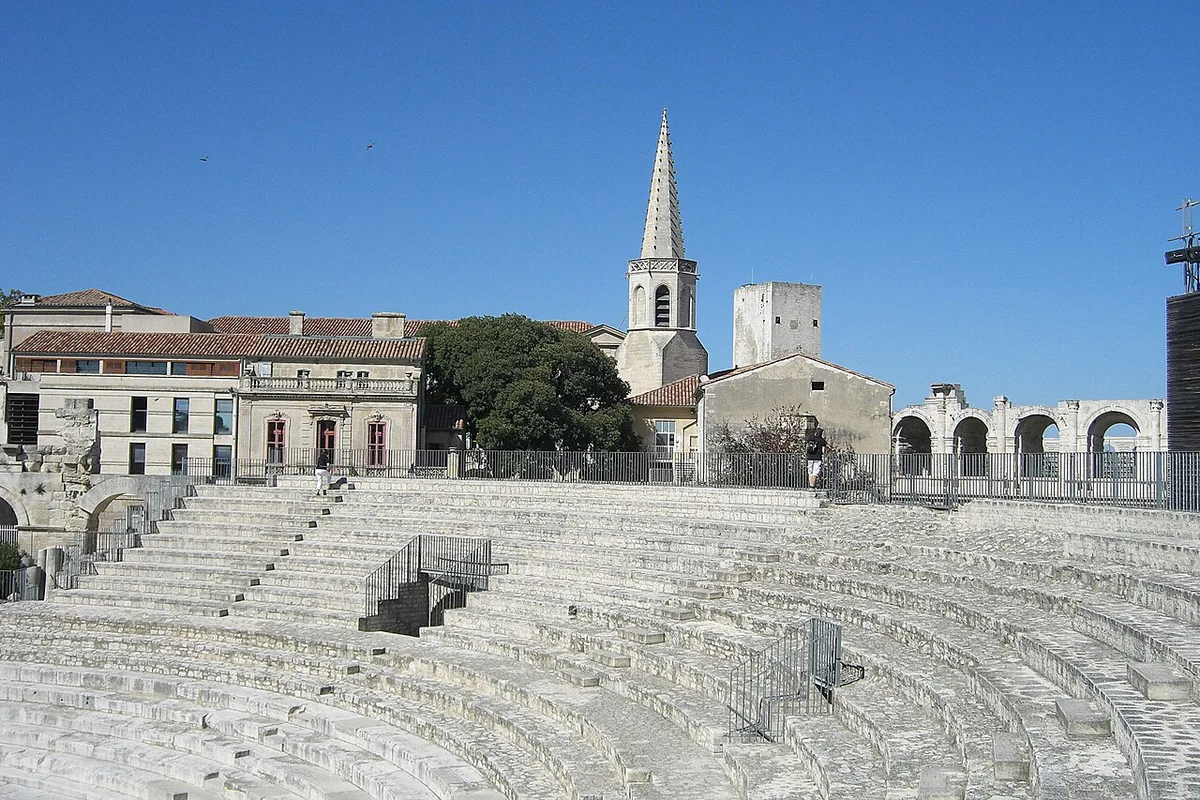
Where your night out happens in Arles matters more than any citywide summary. The centre-ville, particularly the loop around the Amphitheatre and Place de la République, stays busy with restaurant terraces, wine bars, and steady foot traffic well past 10pm, and that density is exactly what keeps the area comfortable after dark. Cross the Rhône into Trinquetaille and the character shifts to residential and quiet — not unsafe, just emptier, so the bridge crossing itself deserves more of your attention than the neighborhood waiting on the other side. Move beyond the historic core in any direction and lighting thins out fast: fewer restaurants means fewer reasons for people to be outside, and quiet streets after midnight are simply quiet streets, whether or not anything is actually wrong with them. A useful rule of thumb is to treat distance from Place du Forum as a rough proxy for how populated a route will feel late at night. For a more granular, street-level breakdown of where extra caution is genuinely warranted versus where it's just a dim alley, this guide to areas to avoid in Arles goes further than a neighborhood-level summary can.
- Centre-Ville and the Amphitheatre district: the busiest and best-lit option after dark, with restaurant terraces open late into the evening
- Place du Forum: cafes and bars keep this square gently populated even on off-season weeknights
- Trinquetaille: residential and quiet across the Rhône; the river crossing is the main planning point, not the district itself
- Outer periphery and industrial edges: sparser lighting and low foot traffic once daytime businesses close
Nighttime Logistics and Transport
Walking is the default way you'll move around Arles after dark, and the historic core generally rewards it: streets are narrow but legible, and the combination of restaurant lighting, signage, and passersby near Place du Forum and the Amphitheatre keeps sightlines reasonable even inside the medieval maze of side lanes. Taxis exist but thin out as the evening progresses — in a city this size, ranks can sit empty late at night, so calling ahead to book rather than expecting to hail one curbside after midnight is the more reliable approach. Rideshare apps operate with noticeably less driver density than in Paris or Marseille, which can mean longer waits on quieter nights, particularly outside the historic centre. Local and regional bus services wind down well before midnight, which is typical for a city of Arles' size, so if you're planning to be out late, default to a known walking route or a pre-booked ride rather than counting on a bus line still running. None of this makes Arles unusually risky — it simply means the trade-off between convenient walking and convenient late-night transport tilts differently than it would in a major city with all-night metro lines. This logistical trade-off is one of the bigger practical differences between Arles and larger French cities, and it's worth building into your evening plan rather than discovering it at 11pm. For the fuller rundown of what actually operates after dark and how to verify it, see this dedicated look at public transport safety in Arles.
Taxis thin out and buses stop before midnight. Central accommodation near Place du Forum addresses this transport gap by keeping walks home through lit, populated streets with open restaurants and bars, rather than isolated edges or residential areas.
Solo Female Travel at Night in Arles
Solo female travelers generally describe central Arles as comfortable to walk through in the early evening, though the low-level street harassment and occasional catcalling found across much of southern France can surface here too, and it tends to concentrate around bar clusters on festival nights rather than on an average Tuesday. The practical playbook doesn't differ much from other compact European cities: favor the lit, populated routes through the centre-ville over shortcuts through unlit side lanes, keep a specific hotel, restaurant, or landmark in mind as a fallback point if a street feels wrong, and treat late-night cafes or hotel lobbies near Place du Forum as legitimate places to pause, check directions, or wait for a booked taxi rather than lingering on an empty corner. None of this is Arles-specific advice so much as it's the baseline for any smaller city where late-night transport is thinner than in a capital. For neighborhood-specific and event-specific guidance that goes deeper than a general overview, this dedicated guide to solo female travel safety covers festival timing and route planning in more detail.
Common Nighttime Nuisances and Scams
The realistic risk after dark in Arles is petty theft, not violent crime, and that distinction matters for how you actually behave rather than just how a street makes you feel. Pickpocketing ticks up around the Amphitheatre and the late-night bar strip near Place du Forum specifically during the Féria d'Arles and Les Rencontres d'Arles, when dense crowds, alcohol, and distracted tourists create easy opportunities that simply don't exist on a quiet November evening. It's worth separating how a street feels from how safe it statistically is: a narrow, dimly lit medieval lane with shuttered storefronts can look unsettling while nothing ever happens there, whereas a bright, packed festival street is where a wallet or phone is more likely to actually go missing. Standard precautions cover most of the realistic risk — a crossbody bag instead of an open tote, a phone kept out of a back pocket, and normal alertness around ATMs, card terminals, and anyone creating a sudden distraction in a crowd. For the specific cons and diversion techniques reported around Arles' nightlife areas, this breakdown of tourist scams in Arles is worth a read before a festival weekend.
Practical Tips for a Safer Night in Arles
Choosing where you stay does more for nighttime safety than almost any single precaution on this list: a hotel or apartment within easy walking distance of the centre-ville and Place du Forum means your walk home routes through the best-lit, most populated streets in the city, rather than through quieter residential edges or across the river into Trinquetaille. Shops close up relatively early in the evening, but restaurants, wine bars, and cafes around the old town keep going considerably later, especially in peak summer months, so the streets don't actually go quiet until well after the dinner rush winds down — a useful cue for timing your walk back. Keep the basics on hand regardless of neighborhood or season: Police Nationale is reachable on 17, and the general European emergency number 112 connects to medical services if something more urgent comes up. During the Féria d'Arles or Les Rencontres d'Arles, build in extra time, a slightly wider berth around the most crowded blocks, and a firmer transport plan, since the gap between an ordinary Tuesday night and a festival Saturday is the single biggest variable in how a night in Arles actually feels. None of these steps require any special local knowledge beyond planning ahead, which is really the throughline across every section of this guide.
- Police Nationale (emergencies): 17
- General European emergency number: 112
- Book taxis ahead after dinner rather than expecting to hail one streetside
- Choose accommodation within walking distance of Place du Forum for the best-lit route home
Frequently Asked Questions
Is it safe to walk from the Arles train station to the center at night?
Generally yes, though it's a less lively walk than moving around the historic centre itself. The route from the station into the centre-ville passes through quieter streets with less foot traffic and dimmer lighting than the old town, so it's worth treating it like any transitional urban stretch: stay on the main route, keep valuables secured, and consider a taxi or rideshare if arriving very late or traveling alone with luggage.
Are there any specific streets to avoid after midnight?
Arles doesn't have a widely documented no-go street the way larger cities sometimes do; the more useful rule is distance from Place du Forum and the Amphitheatre, since foot traffic and lighting both drop off the further a route strays from the historic core. The neighborhood breakdown above covers where extra caution is genuinely warranted versus where a street just looks quieter than it actually is.
Can I safely use an ATM at night in Arles?
Using an ATM at night in central Arles is generally fine if you follow standard travel practice: choose a machine attached to a lit bank branch in the centre-ville rather than an isolated standalone unit, cover the keypad while entering a PIN, and avoid counting cash out in the open afterward.
Does Arles have a high rate of nighttime muggings?
No — muggings and violent street crime are uncommon in Arles, including at night. The realistic concern is petty theft, mainly pickpocketing around crowded festival nights rather than random confrontations, which is a meaningfully different risk profile than the muggings travelers might worry about in larger cities.
Is Arles more dangerous during the Féria or Les Rencontres d'Arles?
Not more dangerous in a violent-crime sense, but riskier for petty theft. Both events pack the centre-ville with crowds, alcohol, and distracted tourists, which is exactly the environment pickpockets favor, so extra vigilance with bags and phones is warranted on those specific dates in a way it isn't on an average off-season evening.
What time do restaurants and streets quiet down in Arles at night?
Shops close earlier in the evening, but restaurants, wine bars, and cafes around the old town and Place du Forum typically stay active considerably later, especially through the summer season, so the centre-ville doesn't fully empty out until well after the dinner rush has wound down.
Is Arles safe for families with children at night?
Yes — families generally find the centre-ville comfortable in the early evening, when restaurant terraces and the Amphitheatre area stay well populated and shops are still winding down rather than dark and shuttered. The same guidance applies: stick to well-lit, busy streets, wrap up outdoor time earlier than a full night out, and treat late festival nights as an adults-oriented exception rather than the norm.