
Arles Areas to Avoid: A Practical Neighborhood-by-Neighborhood Guide
Last updated June 2026, this guide breaks down the Arles areas to avoid, whether the concern is an unlit riverbank path after dinner or a residential district that offers a visitor nothing to see. Arles remains a safe, walkable city for the overwhelming majority of travelers, but a handful of peripheral neighborhoods and a few tourist-trap streets around the Roman monuments are worth understanding before booking accommodation. This overview separates genuinely quiet, lower-amenity residential pockets from the merely overpriced central blocks, so decisions about where to stay and where to simply pass through rest on specifics rather than vague warnings.
Arles Areas to Avoid: The Quick Answer
Arles is safe for the vast majority of tourists, and violent crime affecting visitors in the historic center is rare. The sharper contrasts show up on the edges of town, where urban planning has created a clear split between the UNESCO-listed core and outlying residential estates that hold little reason for a visitor to linger, especially after dark. The table below offers a fast reference before the details of each district.
| Neighborhood | Safety Level | Reason to Visit or Avoid |
|---|---|---|
| La Cité & L'Hauture | Safe, busy at most hours | Historic core; stay here for proximity to the Amphitheatre and Alyscamps |
| Trinquetaille | Safe, quiet and residential | Cross the Rhône for calmer nights; short bridge walk back to the center |
| Roquette | Safe, limited car access | Bohemian district with narrow streets; low traffic, few late-night crowds |
| Barriol | Avoid for overnight stays | Social housing district southwest of center; no tourist amenities |
| Griffeuille & Trébon | Avoid for overnight stays | North/east residential blocks; petty theft risk, no visitor draw |
| Gare d'Arles area | Exercise caution after dark | Station perimeter quiets down at night; a transition zone to the center |
Neighborhoods With Limited Tourist Appeal
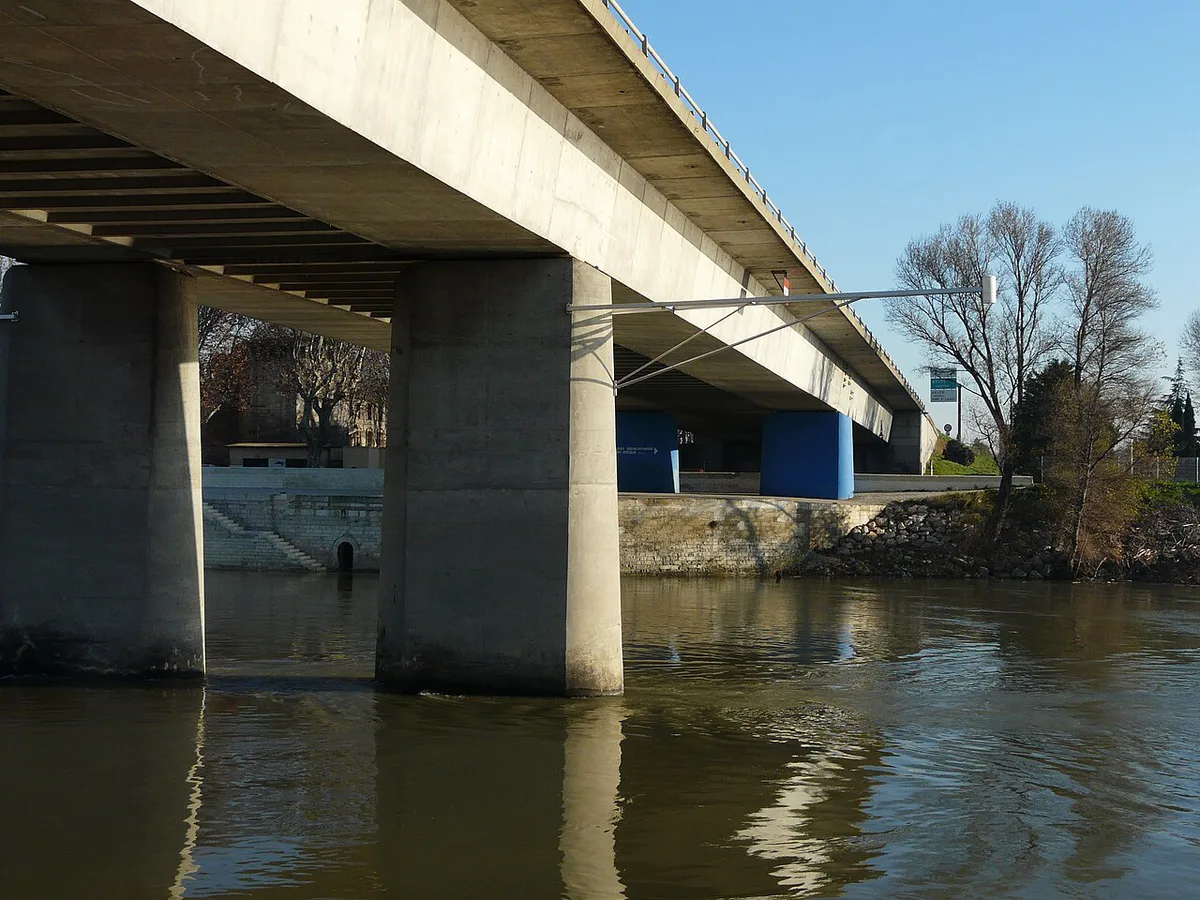
Barriol sits southwest of the historic center, well outside the loop most itineraries follow between the Amphitheatre, the Alyscamps, and the Rhône. It is a social housing district with thin police presence overnight, and it holds nothing a traveler would specifically come to see, no restaurants, sights, or market stalls worth the detour. Griffeuille and Trébon form a similar north/east counterpart: not no-go zones in daylight, but blocks with no amenities for visitors and a higher likelihood of petty theft after dark. None of these districts should factor into an accommodation search, and there is little reason for a short city-break itinerary to pass through them at all.
- Barriol: southwest of the center, social housing, thin police presence at night
- Griffeuille & Trébon: north/east residential blocks, no visitor amenities, elevated petty-theft risk after dark
The Train Station Area After Dark
Gare d'Arles is a short walk from the historic core, and the immediate station perimeter goes quiet once evening trains thin out, which is its own kind of caution flag since empty streets read as less reassuring than busy ones. Arriving on a late regional train is a common moment of uncertainty for first-time visitors, and the practical fix is simple: know the walking route to accommodation in advance, keep valuables zipped away, and treat the station forecourt as somewhere to move through rather than linger in after dark. Standard SNCF station-safety guidance applies at Gare d'Arles as much as anywhere else on the network. For a fuller breakdown of what changes after sunset across the city, see walking Arles after dark.
Tourist Traps Around the Amphitheatre
The immediate perimeter of the Arles Amphitheatre (Arena) is where the menu touristique problem concentrates: multilingual laminated menus, inflated prices on simple plats du jour, and tables that turn over fast because the crowd rarely returns. This is not a safety issue so much as a value one. Walking two or three streets back from the monument, toward Place du Forum or the Roquette side, generally turns up more honest pricing and a menu aimed at people who actually live in Arles rather than at day-trippers.
Parking Pitfalls and Car Break-Ins
Car break-ins, not violent crime, are the most common safety complaint tourists actually report across Provence, and Arles is no exception. Street parking in unlit residential stretches, particularly on the periphery and along quieter riverbank approaches, carries a real risk of smash-and-grab theft, especially when luggage or bags are visible through the window. The Rhône riverbank paths are a good example of this trade-off: pleasant for a daytime stroll, but unlit and empty enough after dark that neither walking nor parking along them after sunset is a good idea. The safer pattern, and the one the Arles Tourism Office's own guidance points toward, is a staffed or well-lit central parking facility near the historic core, an empty back seat and boot, and a quick habit-check before walking away from the car. For more on the scams layered on top of this risk, see common Arles tourist scams.
- Safer: staffed or well-lit central parking structures near the old town
- Safer: an empty back seat and boot, with nothing visible through the windows
- Riskier: unlit street parking on the periphery or along the riverbank at night
- Riskier: leaving luggage, bags, or electronics visible even for a short stop
Safety Logistics for Solo and First-Time Travelers
Solo travelers, and particularly solo women, generally do well in Arles, though the narrow lanes of the Hauture district thin out fast after dinner and can feel isolating late at night simply because there is no one else around, not because of any specific known threat. Sticking to the lit, populated core around Place de la République and Place du Forum after dark, and treating a late walk back through Hauture's quieter lanes with the same caution as any unfamiliar side street, covers most of the practical concern. For destination-specific guidance, see solo female travel safety. City buses run on the Envibus network, and regional trains connect Gare d'Arles to Nîmes, Avignon, and Marseille; both are considered safe by most travelers, with the same commonsense precautions, watching bags on crowded routes and knowing the last-departure time before an evening plan, applying here as anywhere. See public transport safety for route-specific detail, and for a broader look at how crime perception compares with day-to-day reality, see overall safety in Arles. For non-emergency concerns, the Police Municipale is the appropriate first contact rather than the national emergency line.
Solo travelers, particularly women, do well in Arles by staying in La Cité, Hauture, or Roquette, where lit areas remain accessible after dark rather than wandering isolated lanes that thin out quickly.
Where to Stay Instead
Once the districts to skip are off the table, three central options cover most travel styles and budgets well into 2026.
- La Cité & L'Hauture: the historic core inside the old town walls, minutes from the Amphitheatre and the Alyscamps; the trade-off is late-night noise around bars in peak season and narrow streets that rule out curbside parking.
- Trinquetaille: across the Rhône via the bridge, a quieter residential base with a short walk back to the center; the trade-off is that walk itself, which runs along an unlit riverbank stretch late at night.
- Roquette: a bohemian district just inside the old town's edge, known for color-shuttered houses and low car traffic; streets are narrow enough that most visitors leave the car in a central lot rather than driving in.
Weighing Cost Against Safety
Budget accommodation on the outskirts sometimes looks appealing on paper, a listing in Barriol might undercut an old-town studio by something like €40 a night, but factor in a €20 round-trip taxi for every late return and the arithmetic stops making sense before the safety trade-off even enters the picture. For most itineraries, the saving simply is not worth it. Timing matters too: safety planning during the Feria d'Arles, when the historic center fills with crowds, festival-adjacent gatherings, and late-night drinking, looks different from planning a trip during the quiet winter months, when the same streets are calm but some restaurants and shops reduce their hours. Whichever season, the same short list of principles carries the day: anchor accommodation inside La Cité, Hauture, Trinquetaille, or Roquette, treat Barriol, Griffeuille, and Trébon as places without visitor draw rather than places to fear, and keep valuables out of sight in the car at all times.
Budget periphery lodging in Barriol saves approximately €40 nightly but requires €20 taxi round-trips to avoid unlit parking—where car break-ins, Provence's most common tourist safety complaint, persistently occur.
Map Boundaries: Where the Visitor Zone Ends
For a quick map check, treat the visitor zone as the compact old center around the Arles Amphitheatre, Place de la République, Place du Forum, Boulevard des Lices, and the Rhône. Trinquetaille is the main safe exception outside that core: it sits directly across the river, still close enough for a normal walk back over the bridge.
The districts most visitors should skip are farther out and easier to spot by their position than by street-by-street warnings. Barriol sits south/southwest of the center, beyond the usual monument circuit and near the N113 side of town. Griffeuille lies east of the old center, while Trébon is north/northeast, beyond the station-and-railway side of the city. If an accommodation listing looks much cheaper but places you beyond the Rhône, the station, the N113, or the main rail-line edge without a clear reason to be there, it is usually a convenience downgrade rather than a clever deal.
For trip-planning details, see US State Department France travel advisory.
Frequently Asked Questions
Is Arles safe to walk at night?
The historic center, La Cité, Hauture, Place du Forum, and Place de la République, stays reasonably busy and lit well into the evening, and most visitors walk it without incident. The outer estates (Barriol, Griffeuille, Trébon) and the unlit stretches of the Rhône riverbank are different: they are quiet enough after dark that walking there is not necessary or advisable for a visitor.
Can luggage be left in a car in Arles?
No. Car break-ins are consistently the top safety complaint tourists report across Provence, and a visible bag or suitcase through a window is the single biggest trigger. Park in a staffed or well-lit central facility, and never leave anything visible in the car, even for a short stop.
Which part of Arles is best for families?
The pedestrianized core around Place du Forum and the Amphitheatre works well for families, since car traffic is minimal and most sights, cafés, and gelato stops sit within a short walk of each other. Trinquetaille is a reasonable alternative for a quieter base, though it adds a bridge crossing to reach the center.
Is the Trinquetaille bridge safe after midnight?
The bridge itself is a normal crossing point used by residents heading home, but the riverbank paths running alongside the Rhône on both sides are unlit and empty late at night. Stick to the bridge and the lit streets at either end rather than the riverside path itself when crossing after midnight.
Are Barriol, Griffeuille, or Trébon dangerous during the day?
They are not no-go zones in daylight, but they offer no restaurants, sights, or amenities for visitors, so there is little practical reason to visit. The higher risk, mainly petty theft, applies mainly after dark, which is also when overnight accommodation in these districts becomes hardest to justify.


