
Arles Public Transport Safety: Buses, Trains, and Night Travel
Last updated June 2026: Arles public transport safety is a genuine strength of this Roman-era city, where a walkable historic center, a compact Envia bus network, and a single regional train line combine to keep logistics simple for visitors. This guide breaks down exactly how the buses, the Gare d'Arles, and late-night transit options hold up for tourists, solo travelers, and anyone arriving with luggage. Expect practical, ground-level detail on where petty theft is more likely, how the Navia shuttles work, and what to do if something goes wrong.
Arles Public Transport Safety: The Short Answer
Arles public transport safety compares favorably with larger regional hubs. Visitors arriving from Marseille or Montpellier often notice how much calmer the pace feels the moment they step off an Envia bus or out of the Gare d'Arles — this is a compact, walkable Roman-era city where the historic core is small enough that many travelers never need transit at all once they arrive. In our editorial assessment, the main risk on Arles buses and trains is opportunistic petty theft during the busy spring and summer festival season, not violent crime, and that risk is manageable with the same station bag-awareness recommended for any regional French line. For a fuller picture of how the city compares on safety overall, see this guide's take on overall safety in Arles, which covers the broader context this page builds on for transit specifically.
The Envia Bus Network: Safety and Logistics
The Envia network is the local bus operator connecting central Arles with the surrounding communes, and it is the transit backbone most visitors will actually use. Onboard, buses carry CCTV coverage and a visible driver at the front, and ridership skews toward a genuine cross-section of the local population — students, commuters, and seniors doing errands — rather than the kind of anonymous late-night crowd that raises safety concerns in bigger cities. Within the historic center, Envia also runs the Navia shuttles, small electric vehicles operating on lines A and B that loop through the pedestrian core; because they are slow, short-hop, and PMR-adapted for passengers with reduced mobility, they are a genuinely comfortable option for seniors and solo travelers who would rather not navigate the Roman-era cobblestones on foot. Deciding between the bus and walking is mostly a question of distance: the center itself needs no transit at all, but a trip out to Luma Arles or the Musée Départemental Arles Antique — both sitting well outside comfortable walking range for most visitors — is where the Envia network earns its keep.
- CCTV coverage and a visible driver on every Envia bus
- Navia electric shuttles (lines A and B) serve the pedestrian core
- PMR-adapted vehicles for passengers with reduced mobility
- Best used for longer hops to Luma Arles or the Musée Départemental Arles Antique
Gare d'Arles Train Station Security
Arles sits on the Marseille–Avignon regional SNCF line, which means most arrivals are straightforward regional trains rather than the kind of high-traffic national hub where theft is more common. During the day, the Gare d'Arles functions like any small regional station: busy at peak commuter times, quiet in between, and generally low-risk. Late-arrival travelers should apply the same standard station bag-awareness recommended anywhere on a regional line — keep luggage within reach, don't set a bag down to check a phone, and stay near lit, populated areas of the platform while waiting. The walking route into the historic core from the station runs along Avenue de la Gare and through the Porte de la Cavalerie, a historic gateway that opens onto the pedestrian center; it's a manageable walk for most travelers with light luggage, though anyone arriving very late or with heavy bags should default to a taxi rather than the walk. The highest-traffic zones around any station are also where distraction-based pickpocketing is most likely to occur, so it's worth reviewing the patterns covered in this guide's rundown of common tourist scams before setting off.
Nighttime Transit: Safety and Availability
Envia buses and the Navia shuttles both run on a daytime-oriented schedule, and service thins out well before late evening — which means anyone out past dinner in Arles is generally choosing between walking and a taxi rather than catching a bus back to a hotel. That reduced late-night service isn't itself a red flag; the historic center is small enough to cross on foot in about the time it would take to wait for a bus anyway. Official taxis queue near the Gare d'Arles, and while ride-hailing apps exist in France, coverage in a city the size of Arles is more limited than in Paris or Marseille, so it's worth confirming current app availability before counting on one late at night. Solo travelers, and solo women in particular, should treat the station forecourt and the walk into town the same way they would in any French regional city after dark: stick to lit streets, avoid unfamiliar shortcuts, and have a taxi number saved rather than searching for one on the spot. This guide's dedicated pages on nighttime safety in Arles and guidance for women traveling solo go deeper on both fronts and are worth reading before a late arrival or a night out.
Envia buses offer strong daytime safety with CCTV and drivers, but service thins significantly before late evening. For after-dark returns or late train arrivals, taxis provide both convenience and the strongest safety profile.
Areas to Monitor Around Bus Stops and Transit Hubs
Not every Envia stop sits in the same context. Bus stops in the tourist-heavy Center-Ville or in Trinquetaille, just across the Rhône, function inside a well-lit, well-trafficked environment for most of the day and evening. Stops serving more residential, peripheral neighborhoods such as Griffeuille or Barriol carry a different character — quieter, more locally used, and less geared toward passing tourist traffic — which is worth knowing if an itinerary or accommodation booking places a stop in one of these areas. None of this amounts to a no-go zone; it simply means the same baseline awareness that applies to any residential bus stop in an unfamiliar city applies here too. For a fuller neighborhood-by-neighborhood breakdown, this guide's page on neighborhoods to approach with more caution covers where these transit hubs sit relative to the rest of the city.
Practical Safety Tips for Using Arles Transit
A few practical habits make Arles transit smoother and safer. Buying an Envia ticket through the network's app or tapping a contactless card at the validator avoids fumbling with cash or a wallet at an open-air stop, which is both faster and reduces the window for a distraction-based theft attempt. Travelers arriving at the Gare d'Arles with luggage should keep bags in view at all times, use a cross-body bag or a lock on larger suitcases when stepping away even briefly, and avoid stacking bags in a way that blocks a fast exit from a bus or platform. It's also worth knowing a handful of French phrases for a transit emergency — Au secours (help), Appelez la police (call the police), and J'ai perdu mes affaires (I've lost my belongings) — which cover most situations without needing fluency. For anything urgent, 17 reaches French police directly, and 112 is the general European emergency number that connects to police, fire, or medical services and works from any phone, including one without a local SIM.
Petty theft at transit hubs relies on distraction, particularly around the Gare d'Arles. Using contactless payment and keeping bags visible or worn cross-body substantially reduces this specific vulnerability.
- Use the Envia app or contactless payment instead of cash at stops
- Keep luggage in view and within reach at the Gare d'Arles
- Learn a few key French emergency phrases before traveling
- Save 17 (police) and 112 (general emergency) in your phone
Cost, Time, and Access Trade-offs: Walking, Bus, or Taxi
Choosing how to get around Arles usually comes down to three options, and each carries a different balance of cost, time, and safety. Walking costs nothing and is the safest option in daylight given how compact and pedestrian-friendly the historic center is, though it becomes a less appealing choice for longer trips or very late returns. The Envia bus and Navia shuttles cost little more than a single ticket or a multi-trip carnet, and they carry a strong daytime safety profile thanks to CCTV, a visible driver, and mixed everyday ridership — the trade-off is that service thins out at night and on the earlier-morning end too. A taxi costs more than a bus fare but delivers the highest level of safety and convenience after dark, particularly for late train arrivals, night outings, or trips to accommodation on the edge of town.
| Option | Typical Cost | Daytime Safety | Night Availability |
|---|---|---|---|
| Walking | Free | Very safe within the walkable center | Use caution late at night, stick to lit streets |
| Envia bus / Navia shuttle | Single ticket or multi-trip carnet | Strong — CCTV and a visible driver | Limited to daytime-oriented hours |
| Taxi | Higher than a bus fare | Strong | Best option for late-night transit |
The Last Mile From Bus Stops to Hotels
The main safety trade-off in Arles is usually not the bus ride itself, but the short walk after you get off. In the Center-Ville, stops near Place Lamartine, Boulevard des Lices, and the approaches to Place de la République leave you close to lit streets, restaurants, and regular foot traffic, so the last mile is normally simple if your accommodation is inside the historic core.
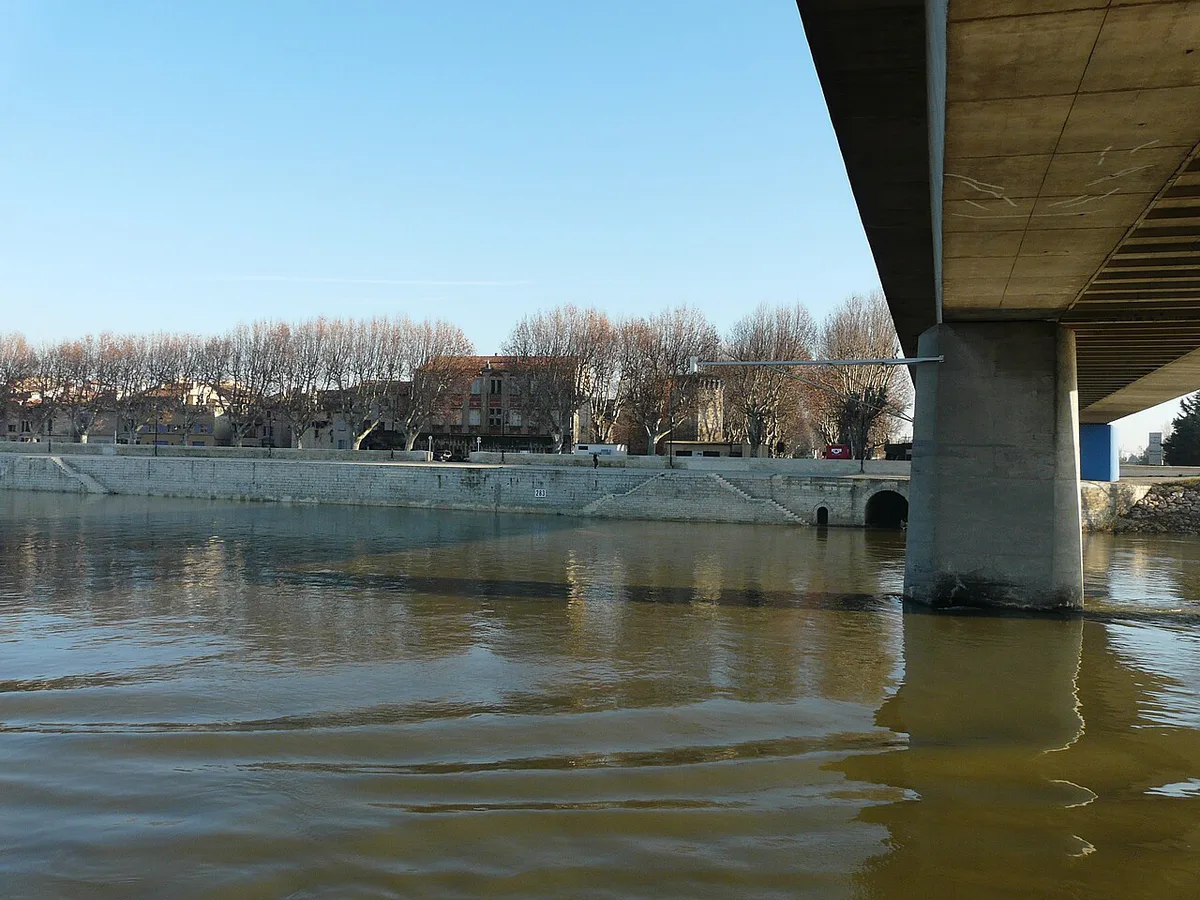
Trinquetaille, across the Rhône, is also practical for visitors, but check the exact walking route before booking: a hotel or apartment near the riverfront and the Pont de Trinquetaille feels very different from a quieter side street after dark. For peripheral areas such as Barriol, Griffeuille, or accommodation near commercial roads, prioritize a stop close to the property entrance, arrive before evening when possible, and use a taxi for late returns with luggage rather than relying on a long walk from the nearest Envia stop.
Frequently Asked Questions
Is there a subway or tram in Arles?
No. Arles has no subway or tram system — local transit runs entirely on the Envia bus network, including the electric Navia shuttles (lines A and B) that serve the historic center. Most of the historic core is walkable, so many visitors use these buses only for longer trips to places like Luma Arles.
Is the bus from Arles to the Camargue safe?
Yes, in general the same daytime safety profile that applies to the rest of the Envia network applies to routes heading out toward the Camargue. Standard precautions — keeping valuables in view, using contactless payment instead of cash, and confirming current timetables before setting out — cover the trip well.
Can you safely walk from the Gare d'Arles to the Roman Arena?
During the day, yes — the walk from the station into the historic center along Avenue de la Gare and through the Porte de la Cavalerie is manageable and leads toward the Roman Arena and the rest of the pedestrian core. Late at night, apply the same station bag-awareness recommended for any regional arrival, and default to a taxi if arriving very late or carrying heavy luggage.
What should you do if you lose belongings on an Envia bus?
Report it as soon as possible, ideally by noting the bus line and approximate time and contacting the Envia network directly, since lost items are often held at a central point rather than by the driver. For anything urgent, or if a theft rather than a simple loss is suspected, call 17 for the police or 112 for the general European emergency line.
What's the emergency number for transport issues in Arles?
17 reaches French police directly, and 112 is the general European emergency number, covering police, fire, and medical needs, that works from any phone even without a local SIM. Both are worth saving before relying on Arles transit late at night or with valuable luggage.


