
Strasbourg Areas to Avoid: A Guide to Staying Safe
Last updated July 2026, this guide maps out Strasbourg areas to avoid so visitors can spend less time worrying about a wrong turn and more time in the neighborhoods that actually reward a walk. Strasbourg remains one of the calmer major French cities for tourists, and the handful of districts covered here are flagged mainly for distance from the sights and, in a smaller number of cases, for a genuine bump in local safety concerns. The sections below cover the specific peripheral estates worth skipping, how the Gare district and nightlife strips like Laiterie behave differently by day and night, and where to base a stay instead.
Is Strasbourg Safe? The Short Answer
For most visitors, the direct answer is yes: Strasbourg is a safe, walkable city, and the historic core built around the Grande Île, Petite France, Krutenau, and the Orangerie sees the kind of low-level opportunistic crime found in almost any European city center rather than serious violent crime. Most safety concerns tourists actually run into in Strasbourg involve petty theft, like pickpocketing in crowded squares or on packed trams, rather than anything more serious — a pattern that holds up consistently across local and traveler discussions of the city. For a fuller breakdown of how the city compares district by district, see the overview at Strasbourg's broader safety picture. Compared with larger French cities, Strasbourg's compact size means fewer genuinely rough neighborhoods intersect with a typical visit, and the safest districts — Grande Île, Petite France, Krutenau, and Orangerie — are also the ones most itineraries already center around by default. The areas worth planning around aren't scattered randomly through downtown; they cluster in a specific ring of peripheral housing estates well outside the tram loop most itineraries use, plus a couple of pockets that shift character after dark rather than staying risky around the clock.
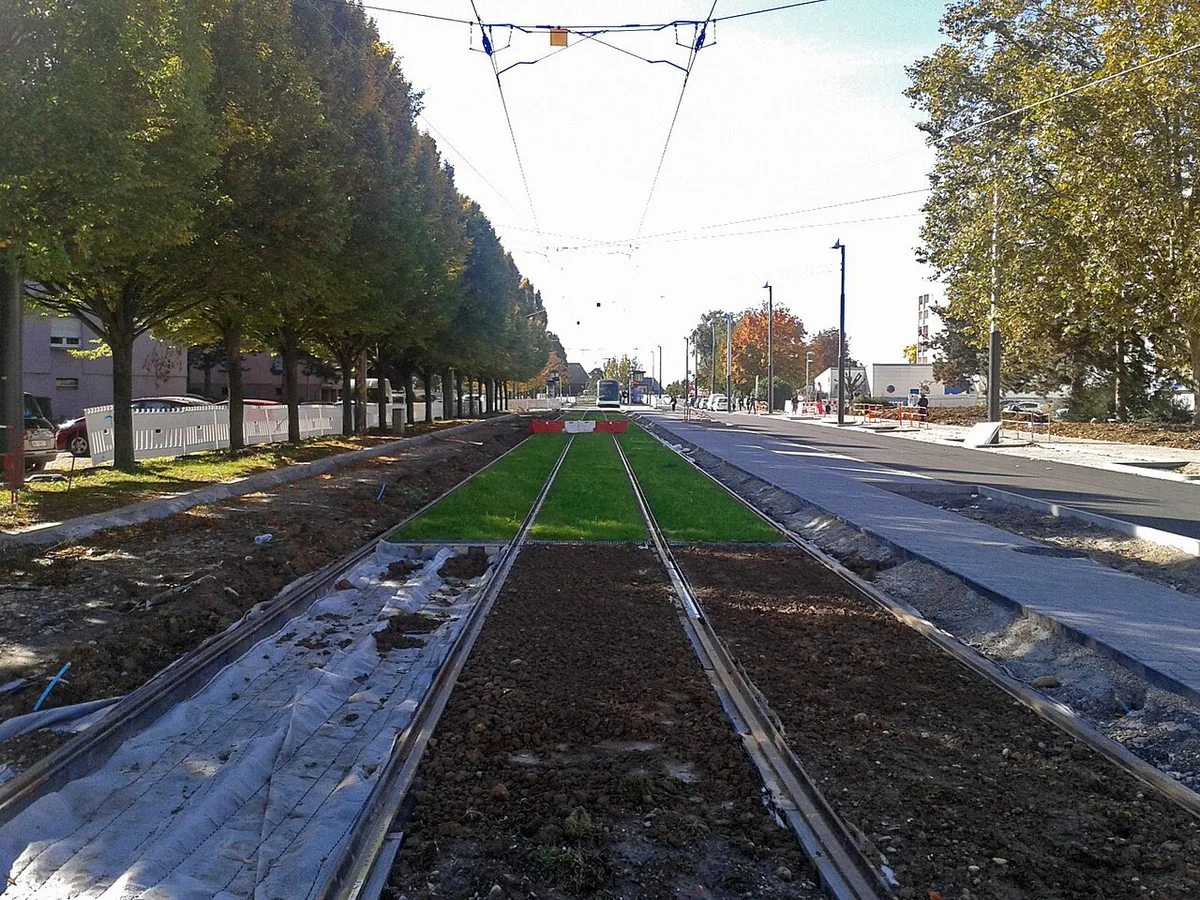
Strasbourg Areas to Avoid: Neuhof, Hautepierre, Elsau, and Cronenbourg
Local discussion consistently points to the same handful of Strasbourg areas to avoid for anything beyond a specific reason to visit. These aren't downtown blocks — they're peripheral estates, several of which carry France's official Quartier Prioritaire designation, a government classification for neighborhoods targeted for extra urban policy investment because of higher poverty rates and fewer services than the city average. None of them intersect with a typical sightseeing itinerary, so avoiding them rarely costs a visitor anything. The throughline across all four below is distance and demographics, not random street crime aimed at tourists. In our editorial assessment, these districts are best understood as places locals live rather than places visitors need to actively fear — the practical reason to skip them is that a trip out there trades sightseeing time for a neighborhood with nothing on the itinerary, not that central Strasbourg pushes travelers toward them in the first place.
- Neuhof: A large residential social housing district classified as a Quartier Prioritaire. It's primarily home to local residents rather than visitors, with higher poverty rates than the city average and essentially nothing on the tourist map.
- Hautepierre: A large housing estate on the city's periphery, also flagged as a Quartier Prioritaire. Its distance and residential layout put it well outside where most itineraries run.
- Elsau: A smaller peripheral estate with a residential profile similar to Neuhof and Hautepierre — quiet in the sense of having little to do, not somewhere that overlaps with sightseeing.
- Cronenbourg's far side: Cronenbourg closer to the center is simply an unremarkable residential neighborhood, but the section furthest from downtown blends into social housing blocks carrying the same caution flags as Neuhof and Hautepierre.
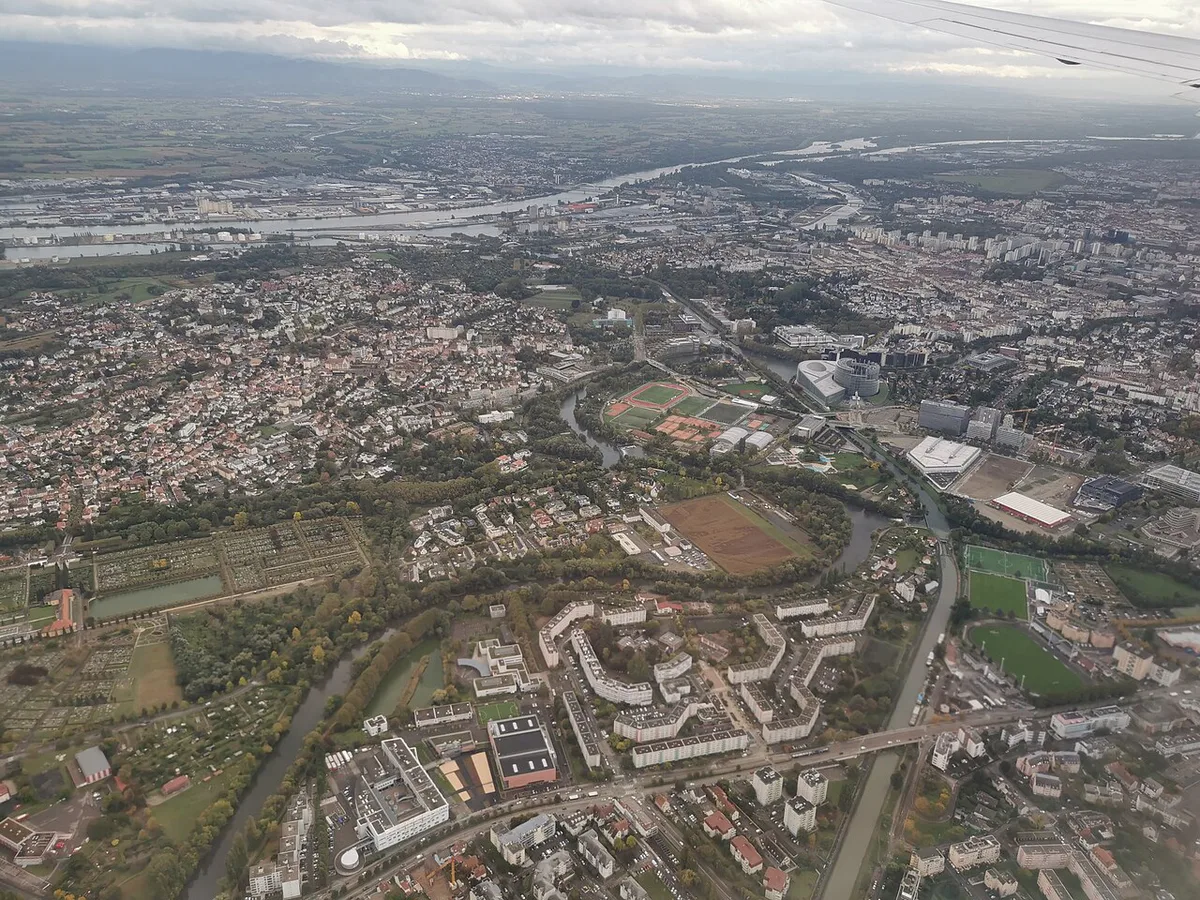
The Tourist Bubble vs. Strasbourg's Peripheral Districts
Central Strasbourg functions as a compact, walkable bubble: the Grande Île's cathedral quarter, the canals of Petite France, and the café streets of Krutenau sit within a short walk or a couple of tram stops of each other, which is part of why the city reads as safe and easy compared with larger French metros. The peripheral estates covered above sit well outside that bubble, past the tram network's outer stops rather than tucked just behind it. Leaving the compact core tends to show up in obvious visual cues — the density of half-timbered facades and cathedral sightlines gives way to modern housing blocks and wider, car-oriented streets, a fairly reliable sign that a neighborhood has shifted from tourist territory into a residential one. It also helps to separate two different reasons a neighborhood might get flagged. A small number of areas carry an actual increase in the kind of local safety concerns described earlier, tied to poverty and social housing density rather than random tourist-targeted crime. Most of the rest simply read as unremarkable or inconvenient — ordinary residential streets with nothing to see, sitting a tram ride from the nearest landmark. Both get lumped into loose "areas to avoid" lists online, but only the first group genuinely changes how a visit should be planned; the second is a reason to stay elsewhere out of convenience, not caution. The one nuance worth flagging inside the center itself is the Gare Centrale: the station is well-policed and safe to pass through at any hour, but the streets on its western exits are noticeably less polished after dark than the historic core just a few minutes' walk away — fine for checking into a hotel by day, less pleasant for aimless late-night wandering. The Laiterie district, known for its bars and live-music venues, follows a similar day/night pattern: comfortable and normal in daylight, and worth the same after-dark awareness as any nightlife strip once venues close and crowds thin out. For more on how the city's character shifts once the sun goes down, see Strasbourg after dark.
Petty theft clusters in central Strasbourg's crowded squares and trams, while peripheral estates carry potential local-crime concerns but minimal tourist-targeted crime. Both realities favor the center: it contains every landmark a visitor needs, making the security-through-crowds tradeoff worth the convenience.
Safety at the Strasbourg Christmas Market (Christkindelsmärik)
Strasbourg's Christkindelsmärik draws dense crowds into the Grande Île's narrow medieval streets and squares for weeks every winter, and the safety conversation here is less about violent crime and more about crowd management and pickpocketing in tightly packed chalets and market squares. Expect visible security measures typical of major French Christmas markets, including bag checks and security checkpoints at market entrances — build a few extra minutes into any plan to pass through them, especially on weekend evenings when crowds peak. Because the market spans multiple squares and streets across the Grande Île rather than a single site, it's worth building extra walking time into any evening visit, particularly during peak evening hours when the busiest chalet rows fill up fastest. The crowding itself is the main practical risk: keep bags zipped and to the front, stay aware in the densest chalet rows, and treat the market the way any packed pedestrian-only shopping street calls for. For the broader pattern of scams and pickpocketing to watch for around the city, see common tourist scams in Strasbourg.
Public Transport Safety: Trams and Buses
CTS (Compagnie des Transports Strasbourgeois) runs the city's tram and bus network, and the lines that matter most for this guide are the ones that head toward the peripheral estates covered above: Line A runs out toward Hautepierre, and Line C runs toward Neuhof. Riding either during the day for a specific reason — visiting a local contact, a match at the stadium, or similar — is unremarkable; it's a late-night ride to the end of either line without a clear reason that's worth reconsidering. Within the central tourist zone, trams and buses run a normal, well-used urban service, and the daytime experience on any line through downtown Strasbourg is low-risk. Night bus and last-tram timing vary by line and season, so it's worth checking the current CTS schedule before planning a late return from anywhere outside the immediate center. For a fuller rundown of which routes and hours call for more attention, see tram and bus safety tips.
Where to Stay: Safest Neighborhoods for Tourists
Choosing where to stay in Strasbourg is largely a trade-off between price and how central a neighborhood feels, rather than a safety gamble — nearly every area a first-time visitor would consider booking sits well inside the tourist bubble described above. The table below compares the districts most travelers weigh against each other; the ratings reflect our editorial assessment based on the same factors covered throughout this guide rather than any official scoring system. Price is usually the real trade-off, not safety. Grande Île and Petite France command the highest rates precisely because they put every landmark within walking distance, while Neudorf and the edges of Orangerie typically cost less for a short tram ride's extra distance rather than any meaningful safety gap. Krutenau tends to sit in between, trading a few postcard views for a livelier, younger café scene. None of the peripheral estates flagged earlier in this guide are common lodging choices for visitors in the first place, since the accommodation options that show up in most searches already sit inside the tourist bubble.
Grande Île and Petite France command the highest rates because they concentrate every major sightseeing draw, but the Christmas Market's seasonal crowds amplify their pickpocketing risk—the premium location buys convenience and natural foot traffic at the cost of heightened theft vulnerability.
| Neighborhood | Vibe | Proximity to Sights | Tourist-Friendly Level |
|---|---|---|---|
| Grande Île | Historic cathedral quarter, dense with landmarks and market stalls in winter | Center of everything | Very high |
| Petite France | Canal-side half-timbered houses, the most photographed corner of the city | Center, part of the Grande Île | Very high |
| Krutenau | Café- and bar-lined student quarter | Short walk to Grande Île | High |
| Neudorf | Quiet, largely residential neighborhood | A tram ride from the historic core | Moderate |
| Orangerie | Leafy, park-adjacent residential area popular with longer-stay visitors | A tram ride from the historic core | Moderate to high |
Solo Travel and Night Safety
Solo travelers, and solo women in particular, generally find Strasbourg comfortable by French city standards, provided the same common-sense night habits apply here as anywhere: stick to the lit, populated streets of the Grande Île, Petite France, and Krutenau after dark, keep the peripheral estates and the Gare's western exits for daytime-only visits, and treat Laiterie's nightlife strip like any bar district once the crowds thin out. Booking accommodation inside the tourist bubble outlined in the table above removes most of the guesswork, since it keeps a late walk home short and well-lit by default. For a full set of practical, situation-specific advice, see tips for traveling solo.
For trip-planning details, see US State Department France travel advisory.
Frequently Asked Questions
Is Strasbourg safe for solo female travelers?
Yes, in general — the central districts covered in this guide see the same relatively low-risk profile that makes Strasbourg comfortable for any solo visitor. The main precautions are the standard ones: stay within the well-lit central neighborhoods after dark, use a taxi or rideshare late at night rather than walking near the Gare's western exits, and keep the same awareness in Laiterie's nightlife strip that any bar district warrants once venues start closing.
Which districts in Strasbourg are best for families?
The Orangerie stands out for families thanks to its park and quieter, residential character, while Neudorf offers a calmer, more local base without straying far from the center. Grande Île and Petite France work well too if proximity to sights matters more than quiet streets, since both stay busy with pedestrian traffic through the day rather than nightlife crowds.
Are there any dangerous areas near the Strasbourg train station?
The Gare Centrale itself is safe and heavily policed at all hours. The streets on its western exits are simply less polished than the historic center a short walk away, especially late at night — worth a direct route to a hotel or taxi rather than a wandering stroll, but not an area defined by serious risk.
Is the Strasbourg Christmas Market safe at night?
Yes, with the market's own security measures — including checkpoints and bag checks at entrances — in place during opening hours. The main risk in the evening is the same as during the day: dense crowds create pickpocket opportunities in the Grande Île's narrow streets, so the usual bag-forward, valuables-secured habits matter more here than any after-dark danger.
How safe is the public transport system in Strasbourg?
CTS trams and buses are a normal, well-used part of daily life in Strasbourg and are low-risk for the routes most visitors use through the central tourist zone. The lines worth extra awareness late at night are the ones running toward the peripheral estates, such as Line A toward Hautepierre and Line C toward Neuhof, and mainly if there's a specific reason to ride them that far after dark.
Is Petite France safe to visit and stay in?
Yes — Petite France sits inside the same tourist bubble as the Grande Île, with dense foot traffic through the day and evening that keeps it comfortable for walking, photography, and dining. It's consistently one of the safest, most tourist-friendly neighborhoods to base a stay in, per the comparison above.


