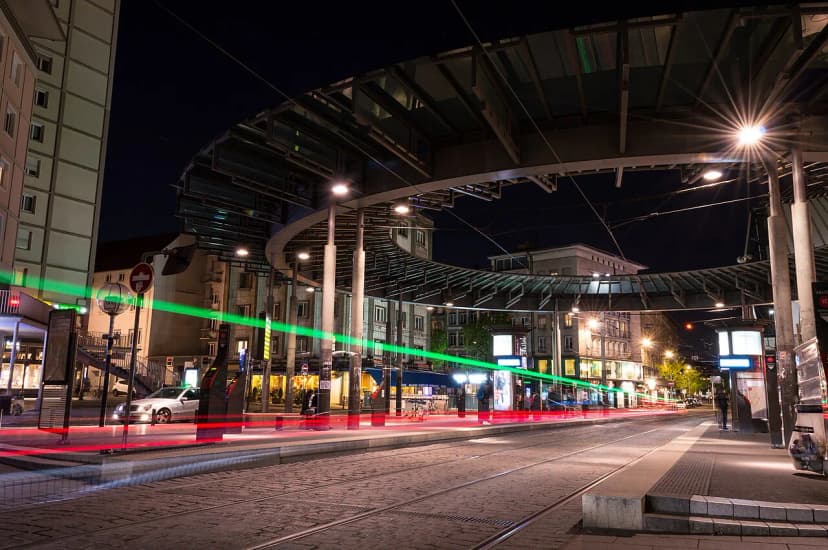
Strasbourg Public Transport Safety: What to Know Before You Ride the Tram
Last updated July 2026, this guide unpacks Strasbourg public transport safety for visitors deciding between trams, buses, and late-night taxis across the CTS network. The tram spine that carries most travelers between the Gare Centrale, the Cathedral, and the European Quarter stays safe throughout the network you will actually use, with pickpocketing in crowds posing far more risk than violent crime. What follows covers line-by-line notes, night protocols, ticket-validation pitfalls, and specific advice for solo travelers, families, and anyone hauling luggage between the station and a hotel.
Strasbourg Public Transport Safety: The Quick Answer
Yes — Strasbourg counts among France's safer cities for getting around by public transport, and the tram-and-bus network run by the Compagnie des Transports Strasbourgeois (CTS) reflects that. Six tram lines, labelled A through F, fan out from the historic centre to the surrounding suburbs and, via Line D, across the border into Kehl, Germany, with a single integrated bus network filling in the gaps the trams don't reach. For a wider read on the city's overall risk profile beyond transit specifically, the Strasbourg safety overview covers crime trends and neighborhood context in more depth. On the tram and bus network itself, the practical risk split is simple and worth internalizing before your first ride: soft risks like pickpocketing and bag-snatching in crowded carriages are common enough to plan around deliberately, while hard risks such as violent crime against transit riders are rare and not a realistic day-to-day concern for most visitors.
- Operator: CTS runs six tram lines (A-F) plus the connecting bus network
- Central hub: Homme de Fer, where lines A, B, C, D, and F intersect
- Main risk: pickpocketing in crowds, not violent crime
- Cross-border reach: Line D continues into Kehl, Germany
CTS Network at a Glance
Before the line-by-line detail below, this table summarizes the numbers that matter most for planning a safe, efficient trip across the CTS network in 2026.
| Detail | What to know |
|---|---|
| Lines | Six tram lines, A through F, plus an integrated bus network |
| Central hub | Homme de Fer — lines A, B, C, D, and F intersect |
| Secondary hub | Place de la République — lines B, C, E, and F intersect |
| Weekday tram hours | Roughly until 00:30 |
| Weekend tram hours | Roughly until 01:30 |
| Transfer window | One hour of tram-and-bus travel per single ticket |
| Cross-border line | Line D continues into Kehl, Germany |
Navigating the Tram Network by Line: Homme de Fer, Lines A and D, and the Kehl Crossing
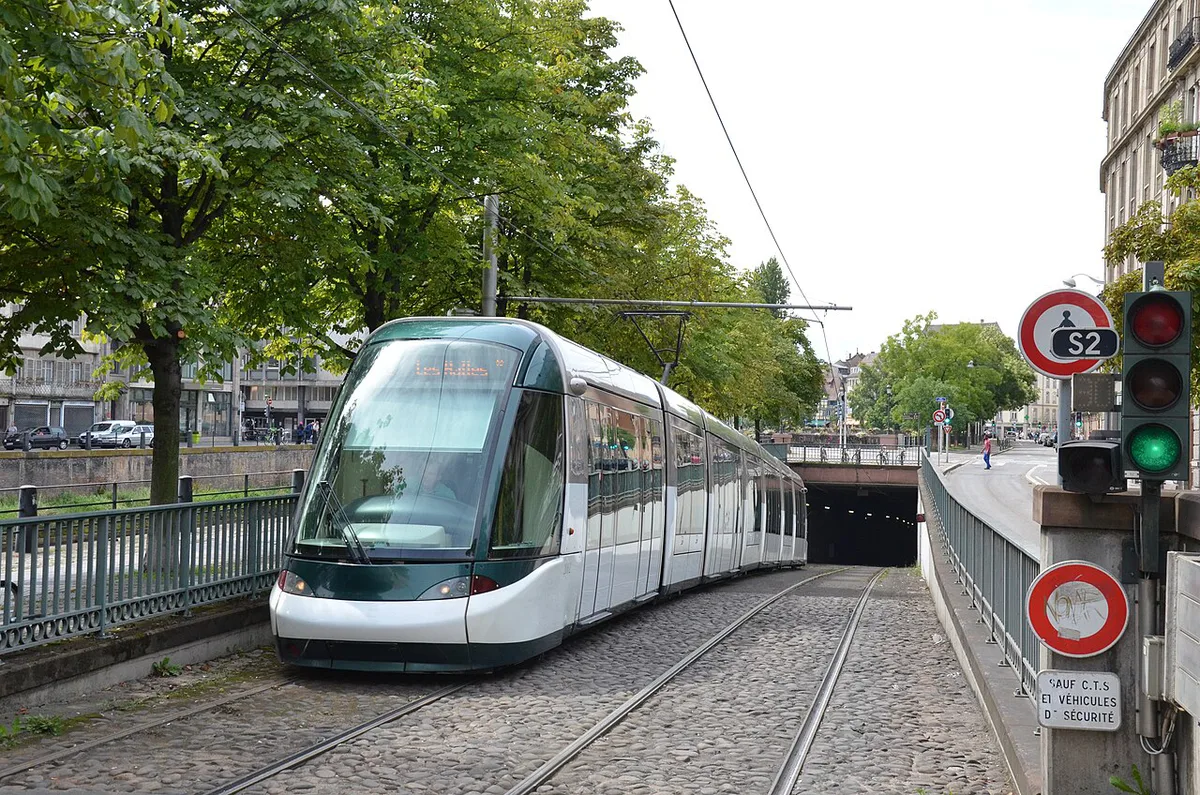
Homme de Fer is the busiest interchange in the system, the point where lines A, B, C, D, and F all cross, and it earns safety in numbers: the constant flow of riders and CTS staff means you are rarely isolated here, but that same congestion is exactly where a distracted moment costs you a phone or a wallet. Keep devices zipped away rather than resting in a back pocket while you are on the platform or transferring at this hub, and apply the same rule on airport-bound trains, where luggage and unfamiliar surroundings make travelers an easier target than locals moving through their daily routine. Lines A and D see the heaviest tourist traffic of the network because they link the Gare Centrale directly to the historic centre, with the Langstross Grand Rue stop dropping you within easy walking distance of the Cathedral; this corridor is also where pickpocketing around the Cathedral square and the Petite-France footbridges is most often reported, so treat a packed carriage on either line with the same caution you would use at any crowded landmark. Trams run on dedicated tracks separated from road traffic for most of the network, which keeps the schedule reliable even during peak commuting hours — useful to know when you are timing a transfer at a busy hub rather than padding your schedule for road congestion that largely does not apply here. Line D's extension across the Rhine to Kehl, Germany is unique to Strasbourg among French tram networks, and the ride itself carries no notable security difference from the domestic legs: expect the same CTS staff, the same rolling stock, and a standard border-adjacent stretch rather than any change in atmosphere once you cross.
- Homme de Fer: five lines converge (A, B, C, D, F) — watch phones in the crowd
- Lines A and D: Gare Centrale to Langstross Grand Rue, near the Cathedral
- Kehl crossing: Line D continues into Germany with no notable security change
Riding Safely at Night: Trams, Buses, and Taxis
Trams typically run until around 00:30 on weekdays and 01:30 on weekends, and that cutoff should shape your night-out planning more than any single safety concern on the network. Before the last tram, well-lit stations and carriages carrying other passengers are the norm, and the practices covered in this after-dark safety guide apply just as much on transit as they do on foot around the city. On buses, choosing a seat near the driver is standard advice for solo riders after dark, and it is worth following even on a short hop between well-populated stops. Once trams stop for the night, switch to a licensed option — the Taxi Strasbourg app — rather than hailing on the street, particularly after 01:30 when the tram option disappears from the timetable entirely and street activity thins out around the edges of the network.
- Weekday cutoff: trams run until roughly 00:30
- Weekend cutoff: trams run until roughly 01:30
- After the last tram: use the Taxi Strasbourg app, not a street hail
- On buses at night: sit near the driver, avoid empty carriages
Common Risks and How to Avoid Them
The clearest seasonal spike in transit-related theft comes with the Christmas Market, which runs from late November through late December and fills trams and the Cathedral-square stops with the kind of dense, distracted crowds pickpockets favor; the same elevated caution applies during the summer peak season when tourist numbers climb again. A less obvious risk is financial rather than physical: CTS validation pillars stand on the platform, not onboard the tram itself, and skipping that step before you board is what triggers on-the-spot fines from inspectors, who are typically polite but firm and settle payment by card immediately rather than accepting an excuse about not knowing the system. Physical safety deserves equal attention on a network built around quiet, priority-carrying vehicles — Strasbourg's trams run on dedicated tracks and move with very little noise, and they have priority over pedestrians and cyclists at crossings, so look both ways and remove earphones before crossing tram tracks even when the street looks empty and no tram is visible. For neighborhood-level context on which stops or end-of-line areas warrant extra caution, particularly late at night, see the neighborhoods to avoid at night guide.
Official channels—CTS app for tickets, Taxi Strasbourg app for late-night rides, kiosk machines rather than street offers—cut both scam and safety risks simultaneously, especially when tired, distracted, or waiting alone in a crowded station.
- Peak pickpocket season: Christmas Market, late November to late December
- Validate before boarding: pillars are on the platform, not the tram
- Fines are settled on the spot by card — validate first to avoid one
- Physical safety: quiet trams have priority — look both ways at crossings
Ticketing, Apps, and Avoiding Scams
Buy tickets through the official CTS app or the multilingual kiosks positioned at every stop — machines that accept credit cards and coins but not banknotes — rather than from anyone offering a shortcut around the queue. A single ticket covers both trams and buses for a one-hour transfer window, which cuts down on how often you need to stand at a kiosk in a crowded station juggling cash and a language you may not read fluently. That matters for safety as well as convenience: fewer transactions in busy stations mean fewer chances for the "helpful" stranger who approaches at a ticket machine offering a discounted, already-used ticket — a scam that overlaps with the wider pattern covered in the common tourist scams guide. Treat any unsolicited offer at a machine the same way you would treat one from a street vendor: decline politely, and buy directly from the kiosk screen or the app instead.
Safety Tips for Solo Travelers, Families, and Tourists with Luggage
Solo travelers generally find the network manageable with the same precautions that apply after dark anywhere in the city: choosing a seat near the driver on a late-night tram or bus, avoiding an empty carriage when a fuller one is available a few metres down the platform, and staying alert around Krutenau and Place Broglie late on weekend nights, when student-quarter rowdiness tends to peak. For neighborhood-level precautions beyond transit itself, see the guide for solo female travelers. Families traveling with strollers benefit from low-floor trams designed for easy, step-free boarding, and children under four ride free on both trams and buses, though strollers need to be folded during busy periods to keep aisles and doorways clear for other passengers. Tourists arriving with a full set of luggage should apply standard pickpocket rules at Gare Centrale — keep bags zipped and within your sightline at all times, and avoid setting anything down even briefly while you check a departure board — and keep that same vigilance for the walk or tram ride between the station and your hotel, when a suitcase or backpack makes you noticeably easier to target than a local commuter traveling light.
- Solo travelers: sit near the driver at night, skip empty carriages
- Families: low-floor trams for easy boarding; children under four ride free
- Luggage: standard pickpocket rules at Gare Centrale — keep bags zipped and in sight
Emergency Contacts and Onboard Security
CTS trams and buses carry onboard emergency buttons and intercoms that connect you directly to a controller if something goes wrong mid-journey, and using them immediately is the right call rather than waiting until the next stop. For anything beyond the vehicle itself, 112 is the European emergency number and works free of charge from any phone, including foreign mobiles with no local SIM; 17 reaches the police directly, and 15 connects to SAMU for medical emergencies. For theft reports or lost documents specifically, the tourist police desk at the Prefecture on Quai des Pêcheurs (03 90 22 16 00) is open on weekdays and is the practical first stop if a pickpocketing incident happens on the network. Save the numbers below before you travel rather than searching for them after something has already gone wrong.
Pickpocketing spikes during Christmas markets and summer peaks when crowded trams on lines A and D to the Cathedral and Homme de Fer interchange create ideal conditions for distracted theft—save the tourist police number (03 90 22 16 00) before you travel rather than searching afterward.
| Contact | Number | Use case |
|---|---|---|
| European emergency | 112 | Any emergency, free from any phone |
| Police | 17 | Crime in progress or immediate danger |
| Ambulance (SAMU) | 15 | Medical emergencies |
| Tourist police | 03 90 22 16 00 | Theft reports, lost documents (weekdays, Quai des Pêcheurs) |
Late-Night Buses: Hibus and Taxibus Options
After the last tram, do not assume every trip automatically requires a taxi, but check the CTS app before relying on night service. Strasbourg has limited Hibus night buses on the main late-night corridors, especially on nights leading into Friday, Saturday, Sunday, and public holidays. They run far less frequently than trams, so they work best when your stop is close to your hotel and you are comfortable waiting at a signed, well-lit stop.
Pont Saint-Nicolas is a useful night-bus interchange to know, while routes toward areas such as Port du Rhin, Poteries, Montagne Verte, and, on relevant services, Kehl Bahnhof may matter if you are staying outside the historic centre. For outer communes with no regular evening bus, CTS Taxibus services may connect from selected tram stations, but these require planning rather than a spontaneous street hail. If the next night bus means a long empty walk from the stop, a licensed taxi is the safer choice.
Frequently Asked Questions
How late do trams run in Strasbourg?
Trams operate until roughly 00:30 on weekdays and 01:30 on weekends. After that window, switch to the Taxi Strasbourg app rather than waiting for transit or hailing on the street.
Is the area around the Strasbourg train station safe at night?
Gare Centrale follows standard pickpocket rules rather than posing a heightened danger — keep luggage zipped and in view, especially during the walk or tram connection to your hotel.
Can I use my phone safely on the tram?
Generally yes, but keep it zipped away rather than in an easy-to-grab pocket at Homme de Fer, the central interchange, and on airport-bound trains, where crowding and distraction create the easiest opening for a snatch-and-run.
Do I need to validate my ticket before boarding?
Yes. Validation pillars are on the platform, not onboard, so validate before you board rather than after — skipping that step is what triggers an on-the-spot fine from inspectors, who settle payment by card immediately.
Is Line D safe to ride across the border into Kehl, Germany?
Yes — the cross-border stretch of Line D runs with the same CTS staff and rolling stock as the rest of the network, with no notable change in security once you cross into Kehl.