
Syracuse Tourist Scams: A Practical Guide
Last updated February 2026, this guide breaks down the Syracuse tourist scams that actually show up in Ortigia and around the Neapolis Archaeological Park, most of which are opportunistic rather than dangerous. Syracuse (Siracusa) remains a generally safe Sicilian city, and the handful of issues worth knowing about are soft scams and tourist traps: inflated taxi fares, unofficial parking helpers, and fish priced by weight rather than by the plate. Understanding the difference between an illegal scam and a legal-but-overpriced tourist trap is the fastest way to travel through Syracuse with confidence.
Is Syracuse Safe? The Short Answer
In our editorial assessment, Syracuse is a comparatively low-risk Sicilian destination for visitors who stay alert in crowded, tourist-heavy spots. The issues that come up most are financial rather than violent: someone angling for a tip they have not earned, a fish dish priced to surprise, or a taxi meter that suddenly stops working for the short ride into town. None of these require special equipment to avoid, just awareness of where and how they happen. For a fuller picture of overall risk levels and neighborhood-by-neighborhood context, see Is Syracuse Safe? 2026 Travel Safety Guide to Siracusa, Italy, which this guide complements with scam-specific detail.
Syracuse's financial scams span multiple venues—parking attendants demand immediate cash, restaurants hide fish prices per weight, and street vendors add items without stating cost. None require special vigilance once understood, but the concentration of cash-based risks makes payment-method awareness essential for safety.
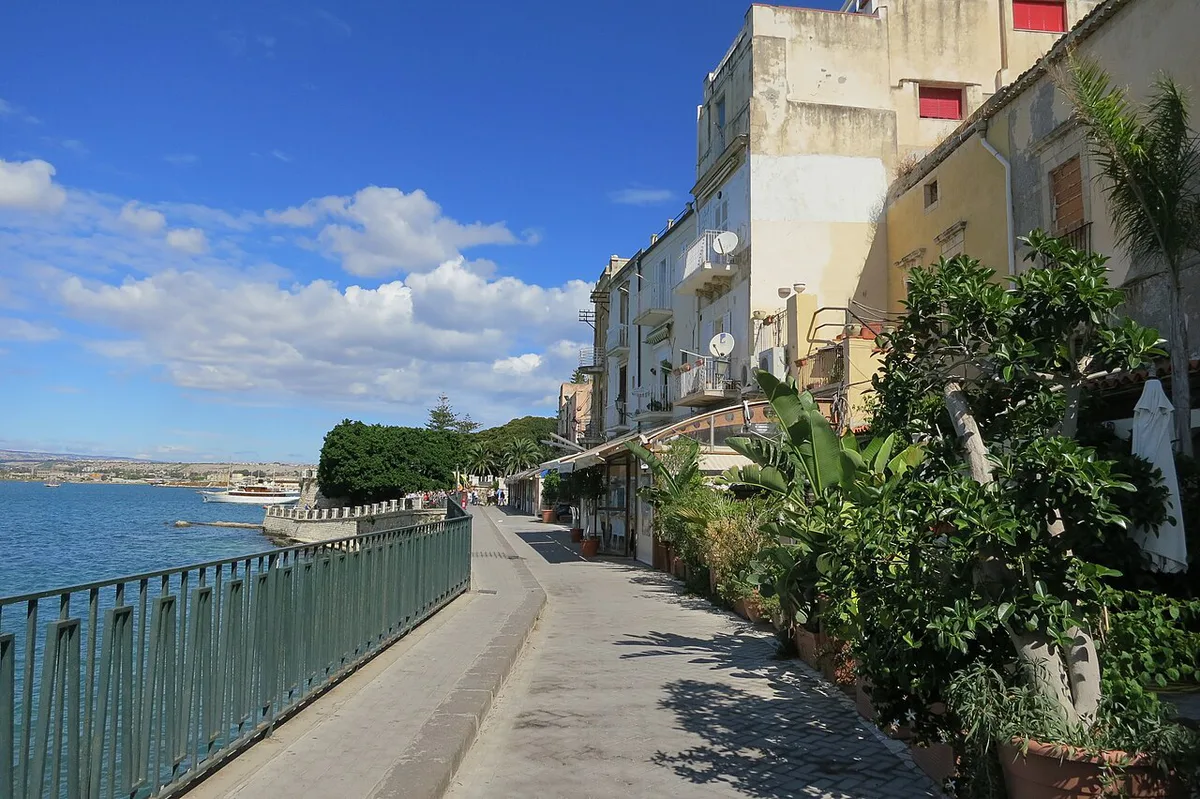
The Helpful Local and Parking Scams
The most distinctly local version of Syracuse tourist scams involves self-appointed parking attendants who wave drivers into a spot near the Neapolis Archaeological Park or along the fringes of Ortigia, then demand cash for watching the car. The spot is usually free public parking to begin with, and the man doing the waving has no official standing. Politely declining the offer and parking without paying rarely causes an issue; if pushed for payment, a firm no is enough. For guaranteed legitimate parking, the Talete parking lot near Ortigia's entrance is a signed, paid facility with posted rates, and it connects to the historic center by a short walk or the Siracusa City Service bus. Renting a car adds a separate trap: Ortigia's ZTL (limited traffic zone) is enforced by camera, and GPS apps do not always flag it clearly, so drivers who follow their navigation into the old town can pick up a fine that arrives by mail months later. Checking ZTL signage before entering Ortigia by car, or simply parking at Talete and walking in, avoids both problems.
- Unofficial parking men near Neapolis and Ortigia's edges are not city employees
- Talete parking lot offers signed, paid parking with posted rates
- ZTL cameras in Ortigia can issue fines to rental cars months after the trip
- The Siracusa City Service bus connects Talete parking to the historic center
Dining Scams and Tourist Menus in Ortigia
Restaurant overcharging is the most common financial complaint tied to Syracuse tourist scams, and it concentrates in the most visible tables around Piazza Duomo. The biggest single trap is fresh fish priced by the etto (100 grams) rather than by the plate; a whole grilled fish that looks like a normal entree can be weighed at the table and total well over €80 once the bill arrives, because the price on the menu was per 100 grams, not per portion. Asking the staff to state the total price before ordering fish, or confirming the exact weight and per-etto rate, prevents the surprise. A related but rarer trick is a separate tourist-facing menu with prices higher than the Italian-language menu at the same table; comparing menus, or asking to see the standard one, resolves it quickly. Separately, a coperto (cover charge) of roughly €2–€3 per person is a normal, legal Sicilian dining convention rather than a scam, and it should appear printed on the menu; a servizio (service charge) added on top without being disclosed in advance is the version worth questioning. Travelers dining solo can pair this section with Is Syracuse Safe for Solo Female Travelers? (Sicily Safety Guide) for table-side etiquette, and with Syracuse (Italy) Public Transport Safety: A Traveler's Guide for getting back to accommodation after an evening meal.
- Fish priced per etto (100g) rather than per plate can inflate a bill past €80
- Ask for the total price before ordering fish, not just the per-etto rate
- A €2-€3 coperto per person is standard and legal in Sicily if printed on the menu
- An undisclosed servizio charge added afterward is the detail worth questioning
Transport and Street Scams Near the Station
The taxi ride from Siracusa train station into Ortigia is short, typically running about €10–€15, which makes it an easy target for a driver who claims the meter is broken and quotes a flat fee well above that range. Agreeing on the fare before getting in, or insisting the meter runs, keeps the price anchored to the real distance. Street-level pickpocketing in Syracuse is less frequent than in Palermo or Catania, but the same distraction mechanics still appear occasionally: a stranger points out a stain, spill, or mark on clothing and offers to help clean it while an accomplice lifts a bag or wallet during the distraction. Declining the help and stepping away is the simplest defense. Walking back from the station after dark is generally manageable on the main routes into Ortigia; see Is Syracuse (Sicily) Safe at Night? A Local Safety Guide (2026) for route-specific guidance on that walk.
Taxi fares from Siracusa station typically run €10–€15; drivers claiming broken meters often quote inflated flat rates. Pickpockets use distraction tactics as well. Insisting the meter runs, identifying white taxis with visible municipal licenses, and using contactless payment collectively close most transport-related financial vulnerabilities.
- Standard taxi fare from Siracusa station to Ortigia runs about €10-15
- Agree the fare or confirm the meter is running before the taxi departs
- The bird-poop or spilled-drink distraction is rarer here than in Palermo or Catania but still occurs
- Decline unsolicited help from strangers pointing out marks on clothing or bags
Area-Specific Red Flags for Syracuse Tourist Scams
Ortigia's waterfront draws high-pressure sales pitches for private boat tours, some of which operate without proper insurance or licensing; booking through a listed operator with a storefront or verifiable reviews, rather than accepting a dockside offer on the spot, reduces that risk. Corso Umberto I and the other high-traffic shopping streets connecting the station to Ortigia warrant the same basic pickpocket awareness as any crowded commercial strip: bags zipped and worn to the front in dense crowds, phones kept out of easily grabbed pockets. None of these are Syracuse-specific dangers so much as standard tourist-district habits, but they are worth pairing with a broader map of the city's geography. For a fuller neighborhood breakdown, see Syracuse Areas to Avoid: Safety Guide for Siracusa, Italy.
- Book boat tours through listed operators rather than dockside high-pressure offers
- Keep bags zipped and to the front along Corso Umberto I during busy hours
- Treat waterfront tour pitches with the same scrutiny as any unlicensed activity vendor
Practical Defense and Local Logistics
A firm no, grazie, delivered without stopping to engage further, closes off most unwanted approaches from unofficial helpers, vendors, or self-appointed guides. For taxis, official vehicles in Syracuse are white cars displaying a shield or municipal license on the door; anything without visible identification is worth skipping in favor of a marked taxi or a booked ride. On payments, contactless card or phone payment is widely accepted in Ortigia's restaurants and shops and avoids handling cash in crowded areas altogether; when using ATMs, decline the dynamic currency conversion prompt (the option to be charged in home currency rather than euros) and choose to be billed in euros, since the conversion rate offered at the machine is consistently worse than the card network's own rate. Combining these habits with route awareness after dark, covered in Is Syracuse (Sicily) Safe at Night? A Local Safety Guide (2026), and with transit-specific precautions in Syracuse (Italy) Public Transport Safety: A Traveler's Guide, covers most of what a visitor needs for a low-friction trip.
- Say no, grazie firmly and keep walking to decline unwanted help or goods
- Official taxis are white cars with a visible shield or municipal license on the door
- Prefer contactless payment over cash in crowded tourist areas
- Always decline dynamic currency conversion at ATMs and choose to be billed in euros
Street Food and Market Price Checks in Ortigia
Small food purchases are where visitors can confuse a normal tourist-area markup with a scam. Around the Ortigia Market on Via Emmanuele de Benedictis, Piazza Archimede, and the streets leading toward Piazza Duomo, check the posted menu board before ordering arancini, cannoli, granita, sandwiches, or takeaway seafood cones. A higher price at a seated cafe with table service is not automatically suspicious, but a stall or bar that avoids showing prices, weighs food without explaining the unit price, or adds extras after you have already ordered deserves caution.
The practical defense is simple: point to the item on the menu, confirm whether the price is per piece, per portion, or by weight, and ask for the total before paying. For market tastings, cheese boards, or seafood snacks, be especially careful when the vendor keeps adding items without naming the cost. If the number sounds wrong, step back politely and choose another bar or rosticceria with clear posted prices.
Frequently Asked Questions
Is Syracuse safe for solo travelers?
Yes, in our editorial assessment Syracuse is a manageable destination for solo travelers, with most risks limited to opportunistic scams rather than violent crime. See Is Syracuse Safe? 2026 Travel Safety Guide to Siracusa, Italy for a fuller breakdown of overall risk levels and neighborhood context.
What should you do if you are overcharged at a restaurant?
Ask the server to itemize the bill and point to the specific line, such as a fish dish billed by weight or an undisclosed service charge, before paying. If the restaurant will not adjust an error, paying and requesting a receipt, then reporting the venue to local tourism authorities afterward, is more effective than an on-the-spot dispute.
Are there specific no-go zones in Syracuse?
Syracuse does not have zones considered dangerous in the way some larger Italian cities do, but certain areas warrant more caution after dark or during quiet hours. See Syracuse Areas to Avoid: Safety Guide for Siracusa, Italy for a street-level breakdown.
How do you report a scam to the local Carabinieri?
Scams or theft can be reported in person at the nearest Carabinieri station, and a written report (denuncia) is typically required for any insurance or bank dispute tied to the incident. Keep receipts, taxi details, or restaurant bills as documentation when filing.
What is a normal taxi fare from Siracusa train station to Ortigia?
A standard fare typically runs about €10–€15 for the short ride. Agreeing the price before departure, or confirming the meter is active, protects against a broken-meter overcharge.
Is the coperto charge at Ortigia restaurants a scam?
No, a coperto (cover charge) of roughly €2–€3 per person is a standard, legal practice across Sicily as long as it is printed on the menu. An undisclosed servizio charge added afterward without notice is the detail worth questioning.


