Is Syracuse Safe for Solo Female Travellers? A Local Safety Guide
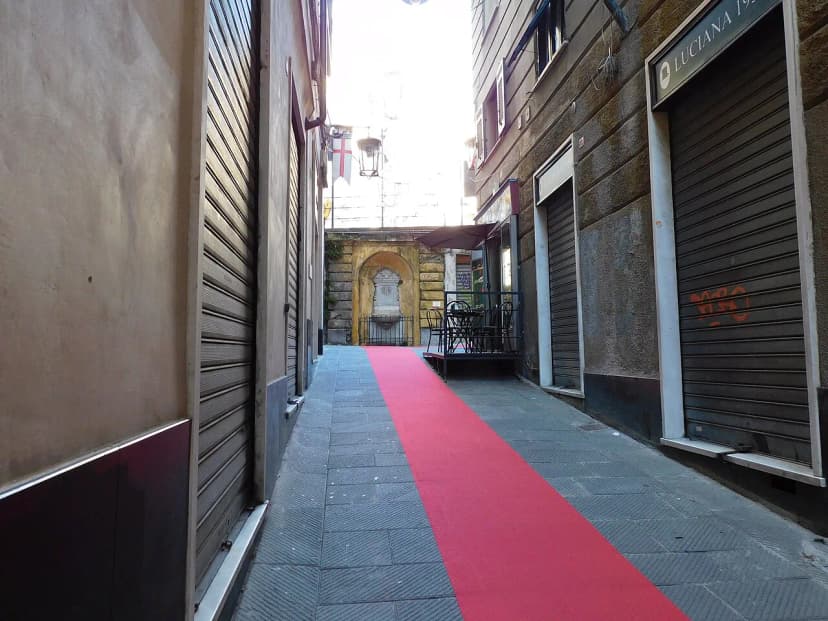
Last updated April 2026. For anyone weighing whether Syracuse is safe for solo female travellers, the short answer is reassuring: this is not Syracuse, New York, but Siracusa in southeastern Sicily, Italy, and it is widely regarded among Sicilian cities as an easy, comfortable base for women travelling alone. The historic island of Ortigia is compact, pedestrian-friendly, and busy with foot traffic well into the evening, which makes orientation simple even on a first solo trip. This guide breaks down exactly where to stay, how to handle the walk from the train station, and what realistic precautions look like once you're settled in.
Is Syracuse Safe for Solo Female Travellers? The Quick Answer
In our editorial assessment, Syracuse ranks among the more relaxed Sicilian destinations for women travelling solo, particularly when compared with the busier street life of Palermo or Catania. The city's main draw for solo travellers is Ortigia, the small island that holds the old town, and it is genuinely walkable end to end. Violent crime against tourists is rare here, and the routine concerns are the same ones you would plan around in any mid-sized Italian city: petty theft in crowded market moments, uneven attention on the street, and knowing which side of town to treat with a bit more caution after dark. Book accommodation on Ortigia itself, keep to the main lanes rather than cutting through unlit side streets, and treat the mainland side of the city as the one area that calls for routine awareness rather than the island.
Safe Neighbourhoods: Ortigia vs. Mainland Syracuse
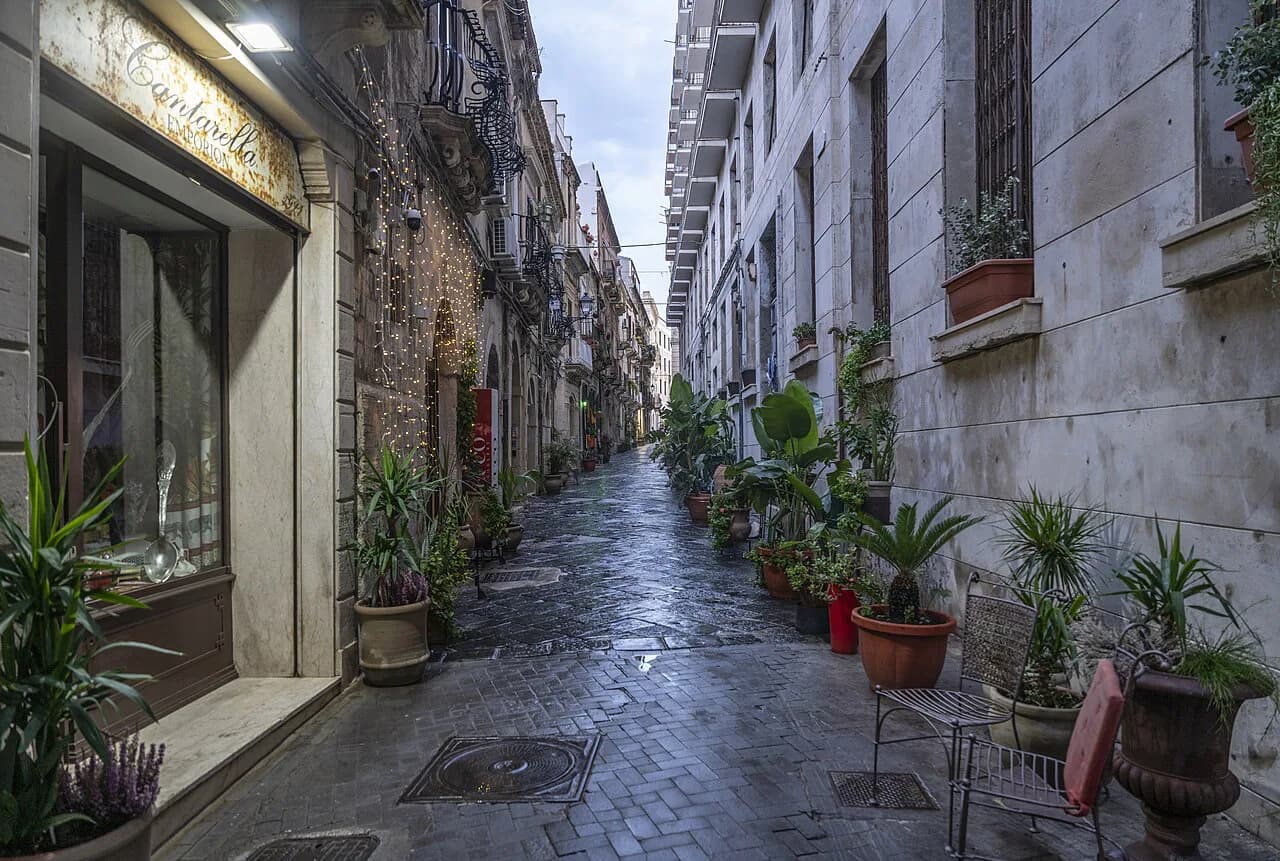
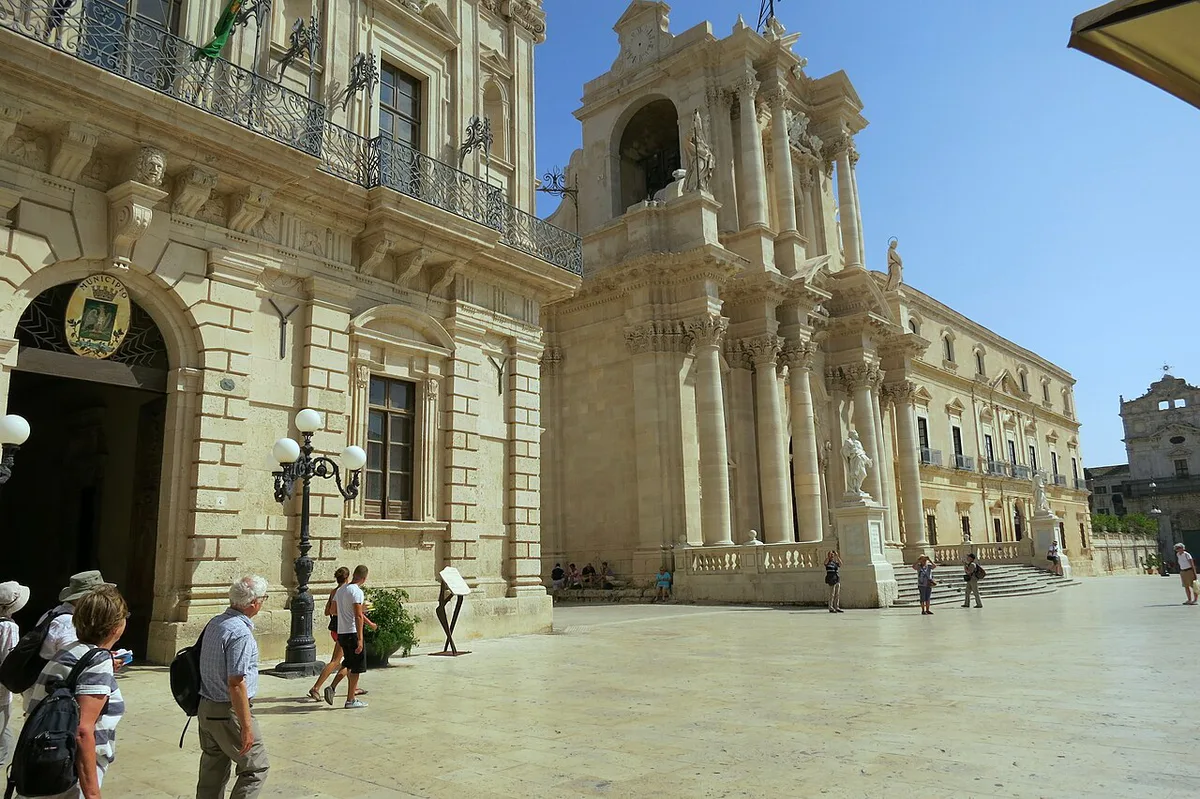
The single most useful safety decision for a solo trip to Syracuse is choosing where to sleep. Ortigia is pedestrianised in its core, dense with restaurants and shops that keep the streets active into the night, and small enough that most accommodation is a short walk from the main squares. The mainland side of Syracuse, including the Borgata district near the port and the streets around the train station, has a noticeably different character. Borgata is up-and-coming and often cheaper, but it lacks Ortigia's constant foot traffic and well-lit main lanes, which can feel less secure to a first-time solo visitor after dark. For a clear breakdown of which mainland pockets to plan around, see areas to avoid in Syracuse before booking.
The 15-20 minute station walk feels isolated at night with luggage, but Ortigia's pedestrianized core—dense with restaurants, shops, and constant foot traffic—transforms the arrival experience. Plan daylight arrival or use Siracusa d'Amare shuttles to bridge this gap.
| Area | Safety Profile | Cost | Best For |
|---|---|---|---|
| Ortigia (island old town) | High — pedestrianised, well-lit, busy into the evening | Higher | First-time solo travellers, short stays |
| Near Siracusa train station | Moderate — fine by day, quieter and less scenic at night | Lower | Budget stays, early train departures |
| Borgata (mainland, near port) | Lower priority for solo stays — different vibe, less tourist foot traffic | Lower | Longer stays with local familiarity |
Walking Alone at Night: What to Expect
Evenings on Ortigia are shaped by the passeggiata, the local tradition of an evening stroll that fills Corso Umberto, Via Roma, and Corso Matteotti with residents and visitors alike. That steady foot traffic is one of the island's biggest practical safety assets for a solo woman walking after dinner: these thoroughfares stay well-lit and populated much later than a typical residential street. The advice shifts once you step off the main lanes into narrower, quieter alleys, especially toward the edges of the island — stick to the lit, populated routes rather than shortcutting through empty backstreets. For a fuller neighbourhood-by-neighbourhood breakdown of what to expect after sunset, see Syracuse at night.
- Corso Umberto and Via Roma stay busy with the passeggiata crowd well into the evening
- Corso Matteotti is a reliable, well-lit route between Ortigia's main sights
- Narrow side alleys away from the main lanes are quieter and warrant more attention after dark
- The mainland side of the city, including the station area, feels far more isolated at night than Ortigia
Public Transport and Arrival Safety
The first stress point most solo travellers flag is the walk from Siracusa train station to Ortigia, a route of roughly 15 to 20 minutes on foot that connects the mainland arrival point to the island's old town. It is safe in daylight and early evening, but it is a functional rather than scenic walk, and it can feel isolated later at night, particularly with luggage. Trenitalia runs the main rail connections to and from Catania, and checking current schedules before arrival helps you plan a daylight arrival where possible. Once on the ground, the Siracusa d'Amare electric shuttles offer an easy, low-effort way to move around without walking long stretches alone, which is a useful option for evening arrivals or return trips after dinner. For the full arrival-to-accommodation breakdown, see Syracuse (Italy) Public Transport Safety: A Traveler's Guide.
- Siracusa train station to Ortigia is roughly a 15-20 minute walk
- Trenitalia operates the main train connections to and from Catania
- Siracusa d'Amare electric shuttles offer a low-walking alternative around the city
- A daylight or early-evening arrival makes the station-to-island walk noticeably easier
Common Scams and Petty Crime in Syracuse
Petty crime in Syracuse follows a familiar pattern for busy Italian tourist towns: pickpocketing risk rises in crowded moments, particularly around Ortigia's street markets, rather than being a constant background threat. Keep bags zipped and close to your body when browsing market stalls, and stay alert during the moments when a crowd bunches up. Restaurant pricing confusion, especially around the coperto (cover charge) added to a bill, is a more common frustration than any physical safety issue, so checking a menu for this line item before ordering avoids an awkward surprise at the end of a solo meal. For a fuller rundown of the scams to watch for across the city, see tourist scams in Syracuse.
- Pickpocketing risk is highest in crowded market moments, not on quiet streets
- The coperto (cover charge) is a common source of restaurant bill confusion, not a scam in the legal sense
- Keep valuables zipped and close to your body in the busiest stretches of the Ortigia market
Cultural Nuances: Dealing with Attention and Catcalling
Solo women travelling through Southern Italy should set realistic expectations around street attention: staring or occasional catcalling can occur in Syracuse, as in much of the region, but it is generally less frequent and less aggressive than in larger Italian cities. A confident, direct response or simply continuing on your way is usually enough to end an unwanted interaction. This kind of low-level attention is a cultural nuance to plan around rather than a safety threat, and it should not be confused with the routine caution recommended for the mainland side of the city after dark.
Solo Dining and Socialising in Syracuse
Ortigia's density works in a solo diner's favour: restaurants, bars, and cafes cluster along Corso Umberto and the surrounding lanes, so finding a table without a reservation is generally straightforward outside peak dinner hours. Sticking to spots with a visible local crowd rather than restaurants clustered immediately around the main tourist sights helps you avoid the 'tourist menu' trap, where a fixed, higher-priced menu is offered to visitors by default. Evening dining lines up naturally with the passeggiata along Via Roma and Corso Umberto, which means solo diners are walking to and from restaurants during the busiest, most populated hours of the evening. See evening safety in Syracuse for more on timing a solo dinner out.
Pickpocketing concentrates in crowded market moments around Ortigia. When dining solo near the markets, keep bags zipped and check for the coperto cover charge on bills—both manageable with basic awareness, not signs of danger.
- Corso Umberto and the surrounding lanes hold the highest concentration of solo-friendly restaurants and cafes
- Restaurants with a visible local crowd are a good sign of fair, non-tourist pricing
- Dining during passeggiata hours means walking through Ortigia's busiest, best-lit stretch
Practical Tips for a Stress-Free Solo Trip to Syracuse
A short checklist of practical planning details rounds out a solo trip to Syracuse. Italy's general emergency number is 112, and it is worth saving before arrival. The Viaggiare Sicuri portal from the Italian Ministry of Foreign Affairs is a useful reference for general national safety standards ahead of any Italian trip. For local logistics, maps, and shuttle routes around the city, Siracusa Turismo is the official tourism resource. Tap water in Syracuse is generally considered safe to drink, and staying connected with a local SIM or eSIM makes it easier to use maps and rideshare options if you need them during the mainland-to-Ortigia transition.
- Save 112, Italy's general emergency number, before you arrive
- Check Viaggiare Sicuri (Italian Ministry of Foreign Affairs) for general national safety guidance
- Consult Siracusa Turismo for official maps and shuttle routes around the city
- Arrange a local SIM or eSIM ahead of time for reliable maps and connectivity during transfers
Visiting Neapolis Archaeological Park Solo
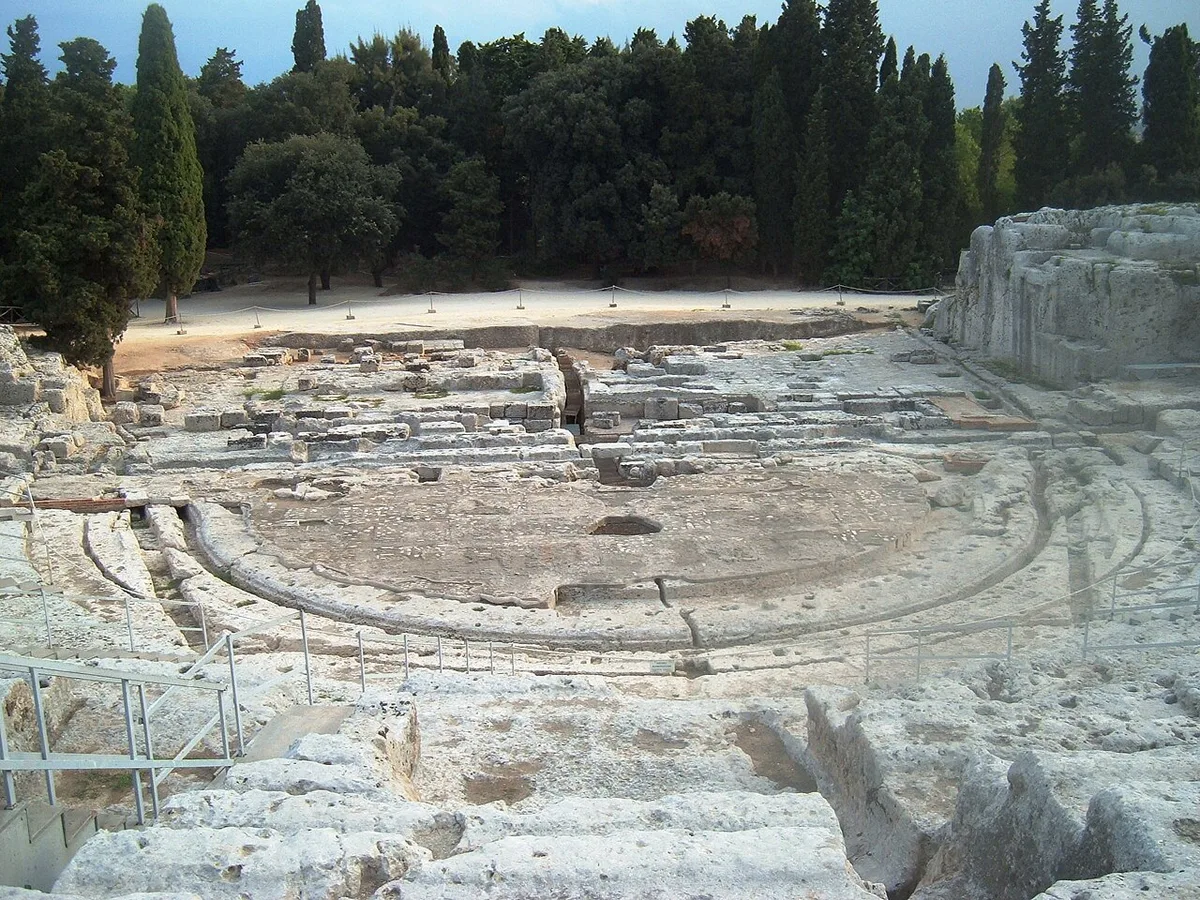
Neapolis Archaeological Park is the main safety consideration once you leave Ortigia for sightseeing, because it sits on the mainland rather than inside the compact old town. The Greek Theatre, Ear of Dionysius, and Latomia del Paradiso are all inside a managed archaeological area, so the visit itself feels straightforward for a solo traveller. The less comfortable part is usually the approach: from Ortigia it is a longer walk through modern Syracuse, including busier roads around Corso Gelone and Viale Paolo Orsi, rather than the well-lit restaurant streets of the island.
Plan this visit in daylight, especially if you are walking there and back. The area around the park is practical and trafficked during the day, but it is not a place most first-time solo visitors choose for wandering after dinner. Bring water and sun protection, keep valuables close at ticket queues, and use a taxi, bus, or shuttle connection back toward Ortigia if you feel tired after the site.
Pair this with our broader Syracuse tourism attractions guide for the full city overview.
Frequently Asked Questions
Is Syracuse, Italy safe for solo female travellers?
Yes — in our editorial assessment, Syracuse is one of the more comfortable Sicilian cities for solo female travellers, especially when you base yourself on Ortigia and keep to the well-lit main lanes like Corso Umberto and Via Roma.
Is Ortigia safer than mainland Syracuse?
Ortigia is generally considered the safer, more solo-friendly base thanks to its pedestrianised core and steady evening foot traffic, while the mainland side, including the Borgata district and the streets near the train station, calls for more routine caution after dark.
How safe is the walk from Siracusa train station to Ortigia?
The roughly 15-20 minute walk from the station to Ortigia is safe in daylight and early evening but can feel isolated later at night, particularly with luggage, so a daylight arrival or use of the Siracusa d'Amare shuttles is worth planning around.
What are the most common scams to watch for in Syracuse?
The main issues are pickpocketing in crowded market moments around Ortigia and confusion over the coperto, or cover charge, added to restaurant bills — both manageable with basic awareness rather than signs of a dangerous city.
Will solo female travellers experience catcalling in Syracuse?
Some staring or occasional catcalling can happen, as in much of Southern Italy, but it is generally less frequent and less aggressive than in Italy's larger cities, and a confident, direct response is usually enough to end it.
What is the emergency number in Syracuse, Italy?
Dial 112, Italy's general emergency number, which connects to police, medical, and fire services anywhere in the country, including Syracuse.