Is Genoa Safe for Solo Female Travelers?
Last updated June 2026, this guide tackles the question most travelers type into a search bar before booking flights to Liguria: is Genoa safe for solo female travellers? The short answer is yes, with a handful of practical caveats, because Genoa's reputation as a gritty, unpolished port city often outpaces the actual, on-the-ground experience of walking its streets alone. What follows is a district-by-district breakdown of where to base yourself, which alleys are worth skipping after dark, and how to move around the city with confidence rather than guesswork.
The Verdict: Is Genoa Safe for Solo Female Travellers?
For most solo women, Genoa is workable and safe to explore independently, provided the route adapts once the sun goes down. The city's online reputation as a gritty, unglamorous Ligurian port is largely about aesthetics rather than danger: peeling plaster, hanging laundry, and dim stone alleys read as intimidating even in blocks where the practical risk is genuinely low. The answer to is Genoa safe for solo female travellers is a confident yes along the well-trodden spine running from Piazza De Ferrari toward the Porto Antico waterfront and up into Castelletto, and a more cautious yes for the tangle of narrow lanes behind the old port. That distinction between perceived and actual safety is the single most useful framework for a solo trip here, and it is the lens used throughout this guide. For a broader, city-wide breakdown of crime patterns, tourist zones, and emergency planning, the general Genoa safety guide is worth reading alongside this solo-specific version, since it covers ground this article intentionally keeps brief. With a district map in hand and a few nighttime habits adjusted, Genoa in 2026 is a manageable, rewarding solo base rather than a city to avoid.
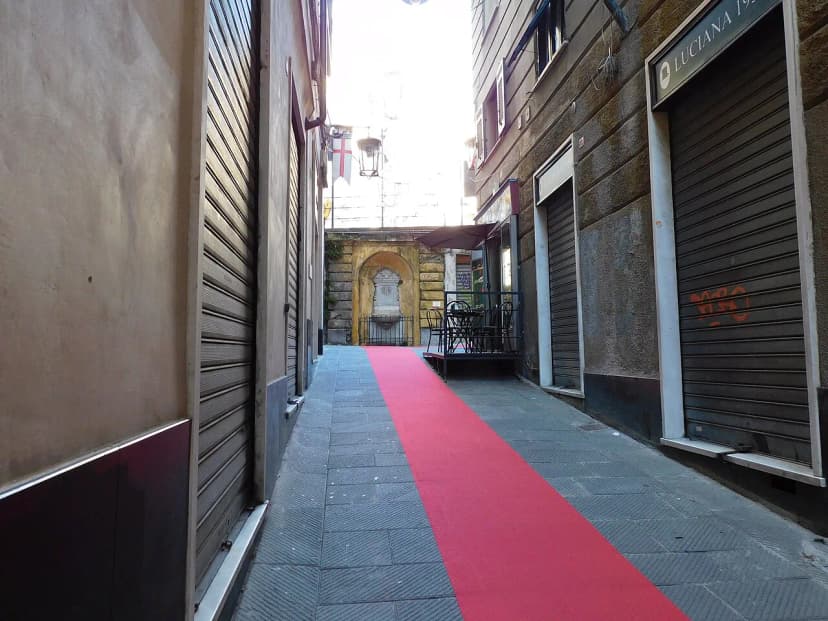
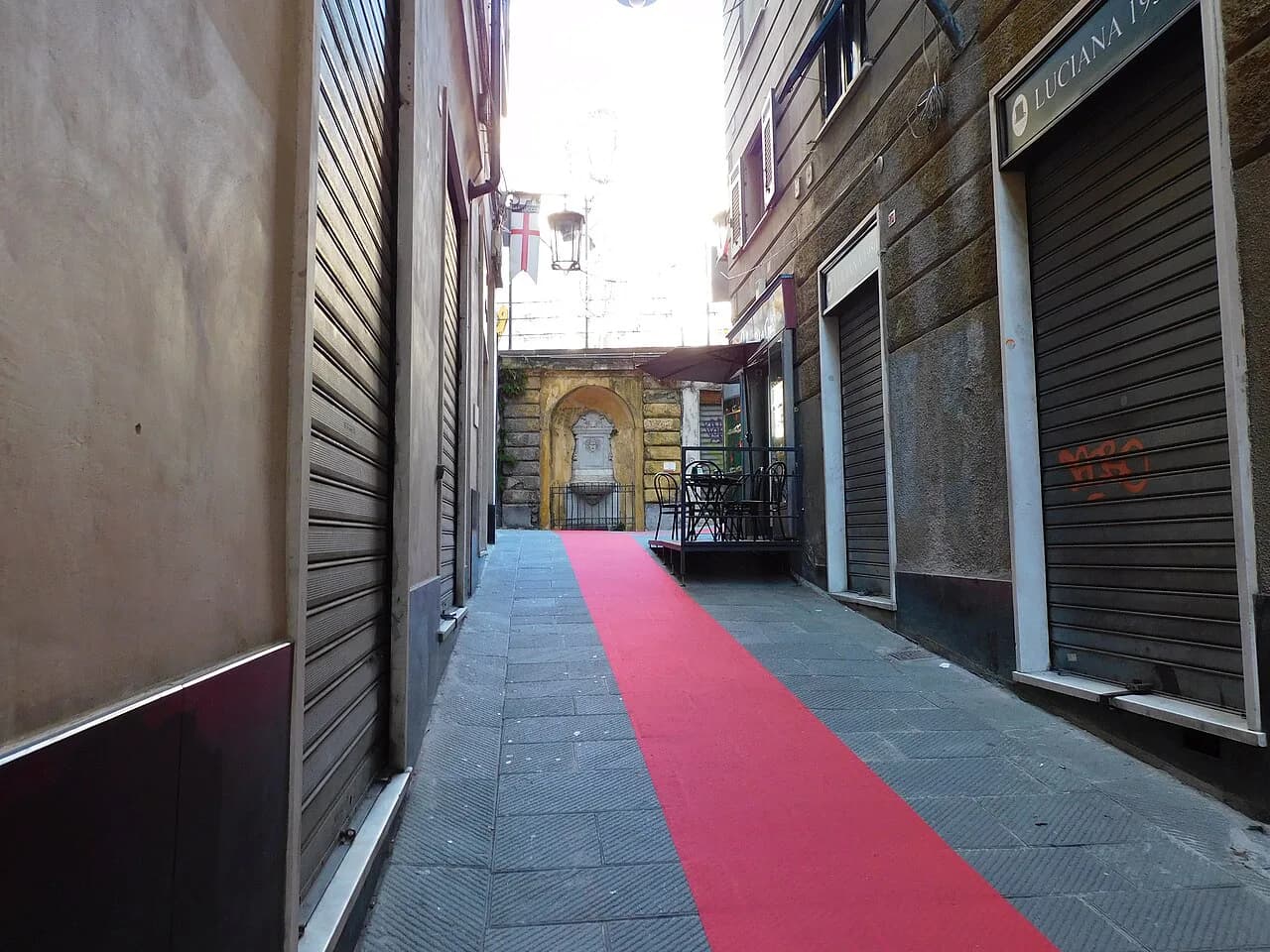
Genoa's intimidating appearance (peeling plaster, dim stone alleys, hanging laundry) reads as dangerous, but actual risk clusters in predictable zones: late-night train stations, poorly lit pockets near the port, and quiet vicoli after closing time. Sticking to the well-lit main spine makes the authentic gritty charm enjoyable rather than stressful.
Understanding the Vicoli: Old Town Safety by Day and Night
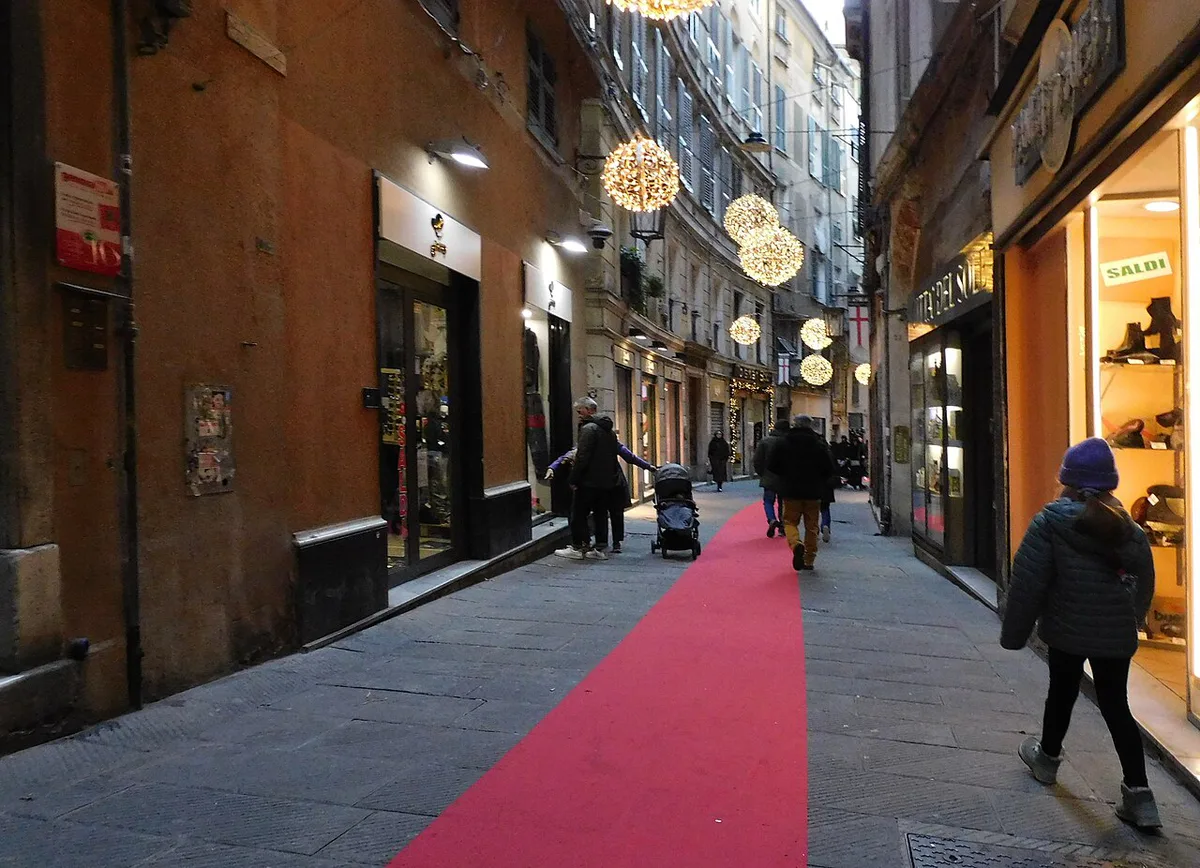
The centro storico is one of the largest and best-preserved medieval old towns in Europe, and its defining feature is the vicoli: a dense grid of narrow, covered lanes that block direct sunlight and amplify every footstep and echo. By day, these same alleys are full of bakeries, fabric shops, small grocers, and residents going about ordinary business, which makes the vicoli feel far more benign than their appearance suggests. At night the dynamic shifts, not because the lanes become dangerous overnight, but because they empty out and the sense of visibility drops sharply, which is enough to make solo navigation uncomfortable even where nothing untoward is happening. The one zone that recurs consistently in traveler accounts, echoed on forums like Reddit, is the strip between the old town and the waterfront, where the vicoli meet the port area after dark; that stretch is best treated as a walk-through corridor rather than a place to linger solo once the shops close. For a fuller breakdown of which hours and which specific blocks warrant extra caution, the Genoa safety after dark guide goes deeper than the scope here allows. Sticking to the lit, populated corridor between Piazza De Ferrari and the Porto Antico in the evening sidesteps most of this ambiguity entirely.
Neighborhood Safety Breakdown: Where to Stay and Where to Pause
Booking accommodation on the right side of the historic center does most of the safety legwork before a trip even starts. The comfortable, solo-friendly spine runs through Castelletto and the streets around Via Garibaldi and Via Luccoli, where wide, elegant boulevards, functioning street lighting, and a steady evening footfall make solo walking straightforward well after dinner. Albaro and the area immediately around Piazza De Ferrari offer a similar level of ease, with more modern infrastructure and a shorter, better-lit walk back from restaurants or the waterfront. Areas that warrant more caution include sections of the Prè district and the immediate vicinity of the main train stations after dark, along with the specific western alleys of the old town that solo women consistently flag as the one genuine skip-after-dark zone rather than a citywide pattern. The areas to avoid in Genoa guide maps these blocks in more detail for anyone building a full itinerary.
Booking in recommended neighborhoods is half the battle; the other half is the evening transit strategy. Once dark, unlit stretches warrant the same caution as quiet scam zones: switch to radio taxi rather than walking through empty vicoli, especially after dining in Prè or tucked-away trattorias deep in the old town.
- Comfortable to walk solo after dark: Castelletto, Via Garibaldi and Via Luccoli, Piazza De Ferrari, and the Porto Antico promenade
- Fine by day, worth a more direct route at night: the central vicoli of the centro storico
- Exercise more caution after dark: sections of Prè, the immediate area around the main train stations, and the western alleys flagged repeatedly by solo travelers
- Best booked for a first solo stay: hotels or apartments on the Via Garibaldi/Luccoli side or in Castelletto, both within easy reach of Piazza De Ferrari
Solo Female Logistics: Transport, Taxis, and Getting Around
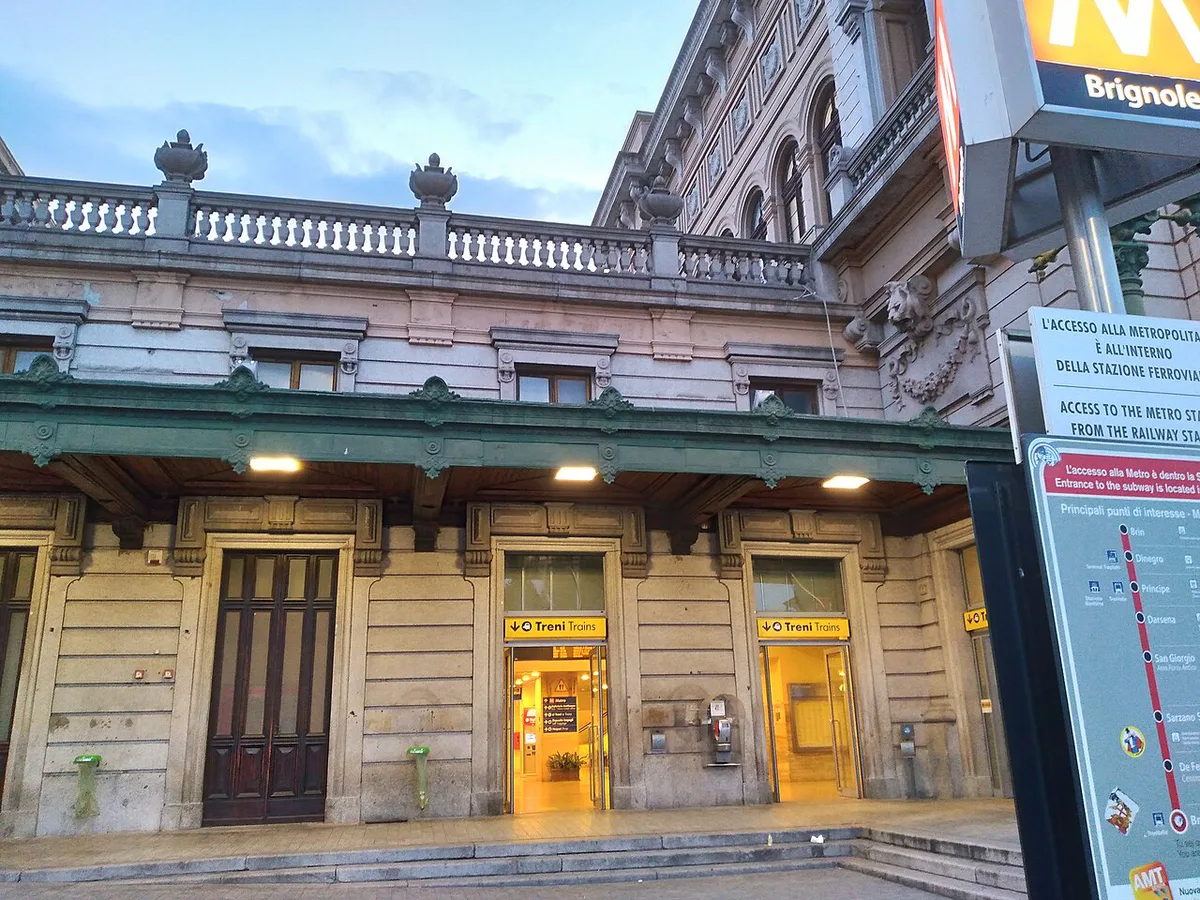
Genoa's public transport, run by the local operator AMT, covers the city with a metro line and an extensive bus network, and both are safe options for solo travelers who stick to the more central, populated stops. Two arrival points matter most for a first-night decision: Genova Piazza Principe, closer to the historic center and the vicoli, and Genova Brignole, closer to the newer eastern districts; choosing accommodation near whichever station a train actually arrives at avoids an unnecessary evening crossing of the city on the first night. Walking is the default way to get around during the day, but the rule for a solo evening is simple: once a route runs through unlit or empty stretches, switch to a radio taxi rather than pushing through on foot. Genoa's public elevators, the ascensori, are a distinctive local feature worth knowing about, since they connect the lower city to hillside districts like Castelletto without requiring a walk through dark, enclosed stairwells. The safest default corridor for evening walking runs from Piazza De Ferrari down to the Porto Antico waterfront, which stays lit and populated later than most side streets. For stop-by-stop and route-specific guidance, see the public transport safety tips for the metro and bus network.
Common Scams and Unwanted Attention in a Port City
As with most Italian port cities, Genoa's scams tend to be low-level and opportunistic rather than aggressive: overpriced tourist-zone menus without a visible price list, unofficial parking or ticket touts near the station, and distraction-based pickpocketing in crowded spots like the train stations and the busiest stretches of the old town. None of these are unique to solo women, but solo travelers are sometimes treated as easier targets for a hard sell, so a firm, brief no and continued walking is generally enough to end an interaction. Catcalling and unwanted comments are the more commonly reported nuisance, and they tend to cluster in the same places as elsewhere in Italy: quieter, secluded stretches rather than busy, populated ones, which is another reason the well-lit main corridors are worth defaulting to in the evening. Treating any unsolicited approach near the stations or in emptier vicoli with the same skepticism recommended for tourist scams generally keeps the experience closer to a nuisance than a real safety issue. A full rundown of scam patterns specific to the city is covered in the common tourist scams in Genoa guide.
Decision Criteria: Is Genoa the Right Solo Base for You?
Genoa sits in a different category from Florence or Milan for a first-time solo traveler in Italy: it is less polished and less purpose-built for tourism, which is exactly what gives it a more authentic, working-port character, but it also asks a little more navigational confidence of a solo visitor. The comparison below reflects the qualitative trade-offs rather than any formal ranking, since none of these cities publish a single comparable safety score.
| City | Vibe | Solo Safety Feel | First-Timer Difficulty |
|---|---|---|---|
| Genoa | Gritty, authentic working port with a medieval core | Comfortable on the main spine, more caution in the vicoli after dark | Moderate — layout takes a day to learn |
| Florence | Polished, tourist-oriented Renaissance center | Comfortable across most central districts | Easy — compact and well-signed |
| Milan | Modern, business-oriented metropolis | Comfortable in central and northern districts | Easy — grid layout and extensive metro |
- Choose Genoa if: an authentic, less-touristed Italian city with dramatic architecture and easy access to the Cinque Terre appeals more than a polished, first-timer-easy base
- Choose Florence or Milan instead if: this is a first solo trip to Italy and a simpler, more predictable layout matters more than atmosphere
- Either way, booking on the Via Garibaldi/Luccoli side or in Castelletto keeps evenings simple regardless of which city anchors the wider itinerary
Solo Dining Safety: Where to Eat Without a Dark Walk Back
For solo dinners, choose areas where the restaurant exit still leaves you on a visible, populated route. Around Piazza De Ferrari, Via XX Settembre, Via San Lorenzo, and the edge of Piazza delle Erbe, you are close to busy streets, taxi access, and the main pedestrian flow back toward central hotels. The Porto Antico waterfront is another practical choice, especially around the aquarium and Eataly Genova, because evening foot traffic usually lasts later than in the smallest old-town lanes.
The main safety trade-off is not dining alone; it is finishing late in a tucked-away trattoria and then needing to navigate empty vicoli without a clear route. If a restaurant is deep in Prè, the western old town, or a poorly lit side alley between the historic center and the port, save it for lunch or go with a taxi plan. For an easy solo evening, book within a short walk of Piazza De Ferrari, Via Garibaldi, Via Luccoli, or your hotel in Castelletto.
Frequently Asked Questions
Is it safe to walk alone in Genoa at night?
Walking alone at night is generally fine along the main corridor between Piazza De Ferrari and the Porto Antico and in districts like Castelletto, where streets stay lit and populated. The narrower vicoli and the strip between the old town and the port are better treated as places to pass through rather than linger once shops close.
What is the safest area to stay in Genoa as a solo woman?
Castelletto and the streets around Via Garibaldi and Via Luccoli are the most consistently recommended bases, offering wide, well-lit boulevards and a short, populated walk back from the center. Albaro and the immediate area around Piazza De Ferrari are similarly comfortable options.
Should solo female travelers avoid the vicoli entirely?
No — the vicoli are a functioning, residential part of the old town and are worth exploring by day, when shops and foot traffic are busy. The main adjustment is timing: by night, sticking to the main lit corridors rather than the emptiest side alleys is the safer default.
What is the best way to get from the train station to accommodation safely?
Confirm in advance whether arrival is at Genova Piazza Principe or Genova Brignole, since they sit on opposite sides of the city, and book accommodation reachable from that specific station without an unnecessary evening crossing. A radio taxi is a reasonable choice for a first arrival after dark rather than walking with luggage.
Do solo women need to worry about catcalling in Genoa?
Catcalling and unwanted comments are the most commonly reported nuisance rather than a serious safety threat, and they tend to occur more in quiet, secluded stretches than in busy, populated ones. Sticking to the main corridors in the evening reduces exposure to this significantly.