Is Genoa Safe at Night? A Neighborhood-by-Neighborhood Guide
Last updated March 2026, this guide answers the question every first-time visitor asks before booking a room near the port: is Genoa safe at night? The short answer is yes around the well-lit squares and main corridors, but Genoa's UNESCO-listed caruggi and its waterfront stretches near the port reward a bit of local know-how once the aperitivo crowd thins out. What follows breaks down which streets stay lively after dark, which specific corridor calls for a taxi instead of a walk, and how to use Genoa's own salita and discesa street-sign logic to stay oriented in the historic center.
Is Genoa Safe at Night? The Quick Answer
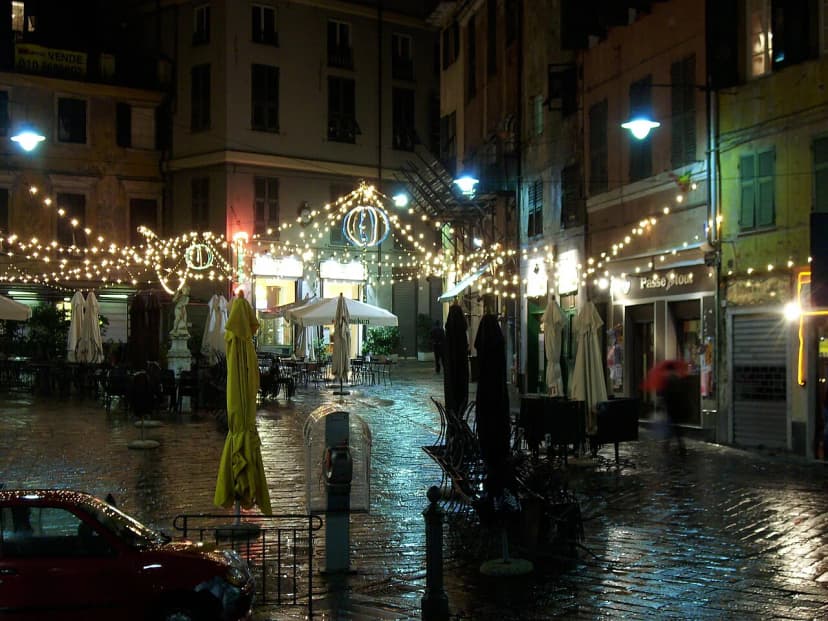
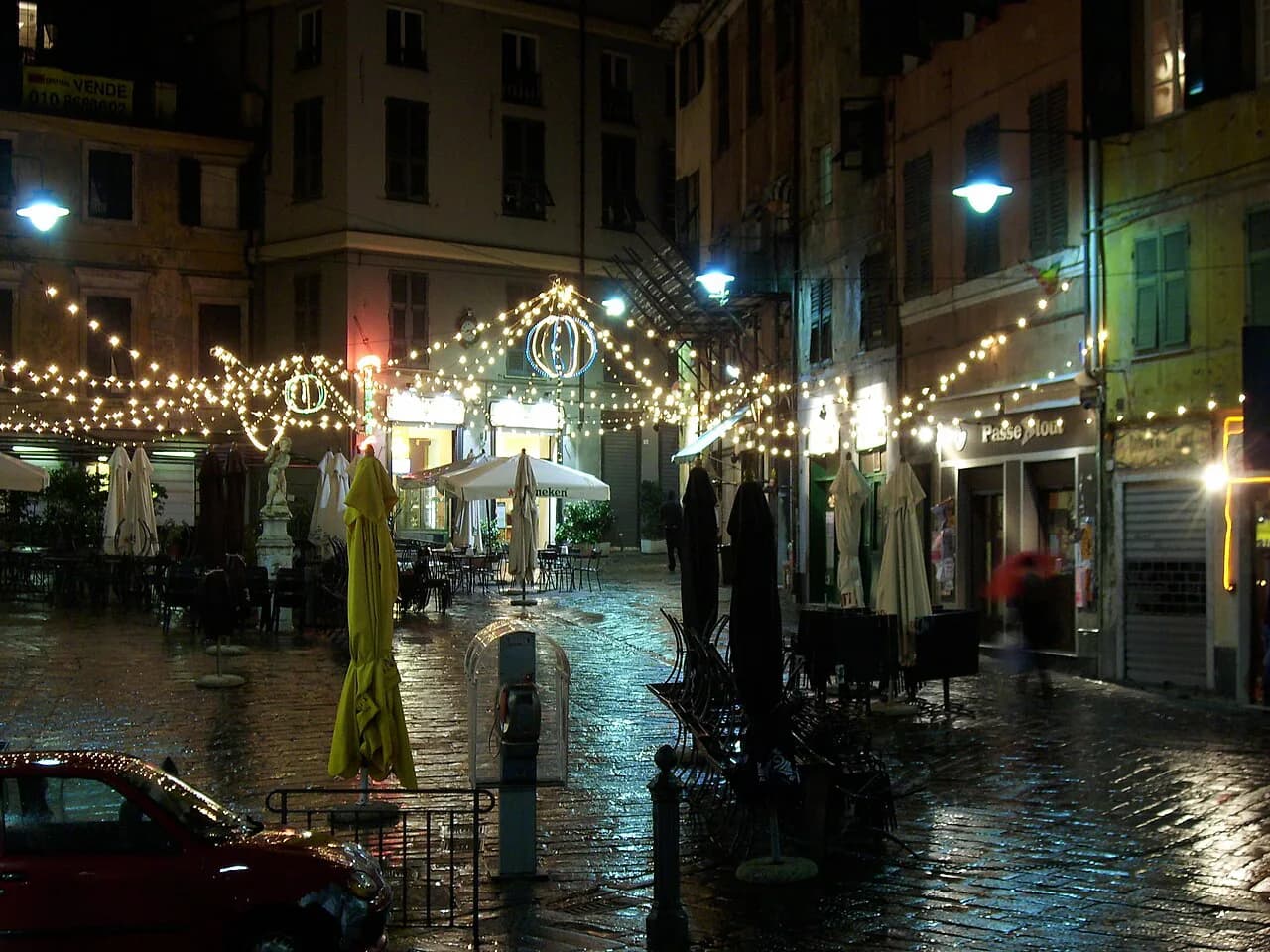
Genoa is generally safe at night, particularly around the Porto Antico waterfront and central squares like Piazza De Ferrari, where lighting, foot traffic, and outdoor cafe seating keep things lively well into the evening. The city's reputation for feeling risky after dark comes almost entirely from its geography: the caruggi, Genoa's dense medieval alley network, split sharply once the shutters come down, into what amounts to two different districts layered on top of each other. The aperitivo squares, Piazza delle Erbe and Piazza Lavagna among them, stay busy with locals and visitors well past dinner and feel comfortable for an evening stroll. A few turns away, the same caruggi can go quiet and unlit fast, and that's where local judgment matters more than a map app. As a working rule, stick to well-lit main thoroughfares such as Via Garibaldi and Via XX Settembre after around 10:00 PM, and treat the stretch between Piazza della Nunziata and the port as a taxi route rather than a walking route once it passes 11:00 PM, since that specific corridor is where even locals switch to a cab. For the broader picture on how Genoa's after-dark reputation holds up against its daytime one, see the general Genoa safety overview.
Genoa Neighborhood Safety at Night, Area by Area
Genoa's after-dark safety is really a neighborhood-by-neighborhood question, and where you're based, especially for cruise passengers staying overnight near the Porto Antico, shapes how much unsupervised walking you'll actually be doing after dinner. The breakdown below covers the districts visitors spend evenings in most often, with more granular street-level detail available in the areas to avoid guide for anyone staying near the western caruggi specifically.
| Area | Aperitivo Hours (7–9 PM) | After 10 PM | After 11 PM |
|---|---|---|---|
| Porto Antico & Molo | Well-lit, busy with restaurant and aquarium traffic | Well-lit and busy | Safe; walking fine |
| Piazza delle Erbe & Piazza Lavagna | Busy with locals and visitors | Caution in deeper alleys | Stick to main squares |
| Via Garibaldi & Via XX Settembre | Active with shoppers and diners | Well-lit; use these corridors | Main spine remains safe |
| Piazza della Nunziata–Port Corridor | Lively | Caution | Use taxi, not walking |
| Castelletto & Higher Districts | Quiet and residential | Generally safe | Use funicular/elevators; avoid dark staircases |
- Porto Antico & Molo: The renovated waterfront stays well lit and busy with restaurant and aquarium foot traffic into the evening, making it the most straightforward base for an overnight cruise stay.
- The Caruggi (historic center): Sociable and comfortable around Piazza delle Erbe and Piazza Lavagna; the deeper, unlit side alleys away from those two squares thin out fast and warrant more caution after roughly 10:00 PM.
- Castelletto and the higher districts: Quiet and residential, generally safe, though the hillside layout means using the funicular or public elevators rather than guessing at unfamiliar dark staircases after dinner.
- Via XX Settembre & Brignole: A well-lit, commercial corridor that stays active with shoppers and diners into the evening; the main watch-out here is pickpocketing near the station rather than a personal safety risk.
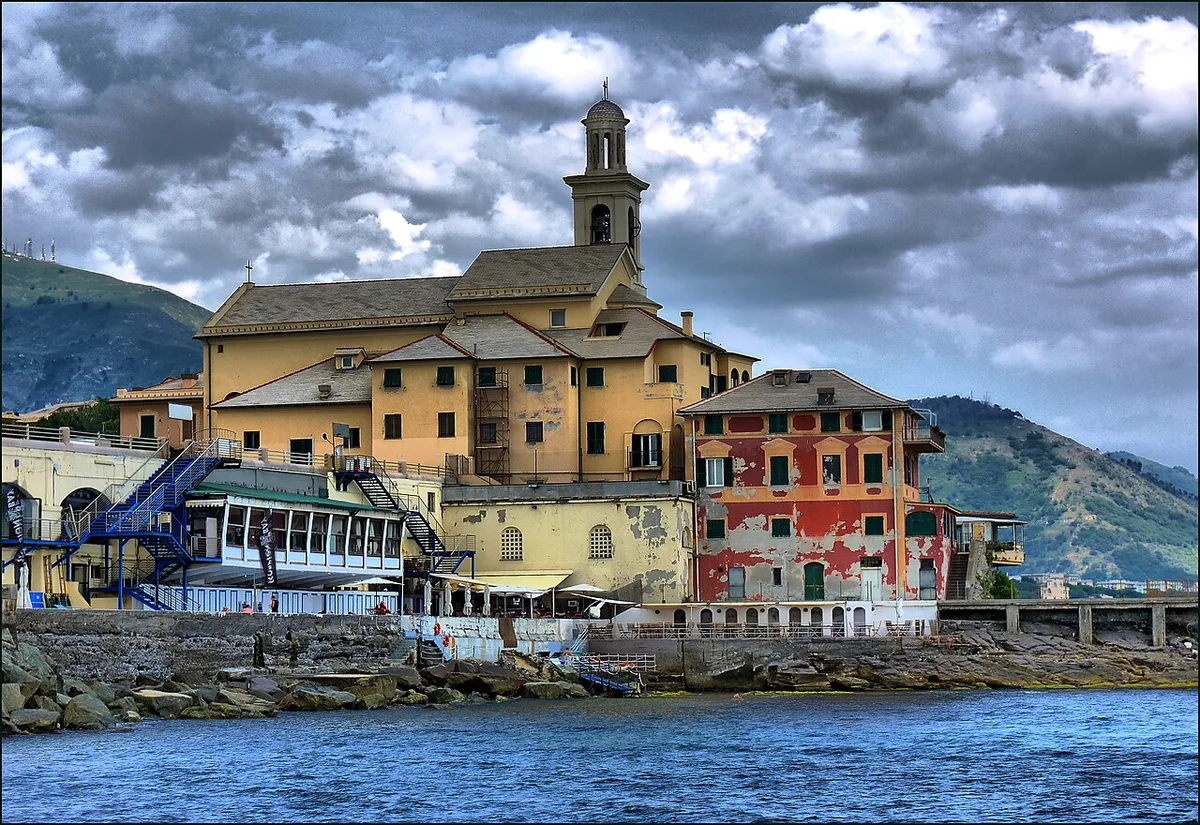
Navigating the Caruggi After Dark Without Getting Lost
The caruggi form Europe's largest surviving medieval alley network, and that scale is exactly why phone GPS struggles here: tall stone buildings block satellite signal, and the alleys twist in ways that rarely match up neatly with a map. Genoa's own street signage solves this better than a phone does. Look for salita (uphill) and discesa (downhill) markers on the tiled street-name plaques, which tell you at a glance whether you're heading toward the hillside neighborhoods or down toward the port and the main squares. Using that logic to reorient, instead of stopping to stare at a phone screen in a quiet alley, also changes how you present yourself: moving with purpose reads very differently to anyone watching than hesitating at a corner. For evening sightseeing specifically, the illuminated Rolli Days cultural circuit connecting Genoa's UNESCO-listed Rolli Palaces is worth building a route around, since the city has invested this corridor with dedicated lighting that makes it one of the more reliably safe paths through the historic center after dark.
Nighttime Logistics: Walking, Taxis, and Public Transit
Walking is a reasonable way to get between the Porto Antico, Piazza De Ferrari, and the main aperitivo squares well into the evening, since those routes stay lit and populated. Once you're heading somewhere off that spine, especially the stretch between Piazza della Nunziata and the port, the local habit is to switch to a taxi rather than walk it after 11:00 PM, a pattern locals themselves follow, not just a tourist precaution. For public transit, Genoa's AMT network has moved to app-based and contactless ticketing, so buying a paper ticket from an unofficial street vendor near a station is both a scam risk and functionally unnecessary; the MyAMT app or a tap-to-pay card at the gate covers it. Service frequency on both the metro and buses drops noticeably later in the evening, so build in extra wait time if a last connection matters. For a fuller rundown on ticket validation and station-specific notes, see the guide to navigating public transit safely.
- Walking: Fine along the lit main spine (Porto Antico, Piazza De Ferrari, Via Garibaldi, Via XX Settembre) into the evening; not recommended for the Piazza della Nunziata-to-port stretch after 11:00 PM.
- Taxis: The default for that port-side stretch and any late-night crossing off the main routes; official stands such as the one at Piazza De Ferrari are more predictable than hailing on the street.
- Public transit: The AMT metro and buses run less frequently later in the evening; validate tickets through the MyAMT app or a contactless card, and stay attentive around the San Giorgio escalators and Principe station's underground passageways.
Solo Traveler and Female Safety After Dark
Solo travelers, and solo female travelers especially, tend to ask a more specific question than whether Genoa is safe at night in general terms; it's really which stretch, at which hour, needs a taxi instead of a walk. The clearest local answer is the corridor between Piazza della Nunziata and the port, worth treating as a taxi route after 11:00 PM regardless of how confident you feel with directions. It's also worth knowing that the westside alleys covered in the areas-to-avoid guide tend to shift into a working, adult-oriented street scene after roughly 10:00 PM, which is useful context even if you're only passing through with luggage from a port transfer. Sticking to the illuminated Rolli Days route for evening sightseeing, keeping to the aperitivo squares (Piazza delle Erbe and Piazza Lavagna both work well) for solo dining, and carrying your hotel's address written in Italian to hand to a taxi driver are low-effort habits that make a real difference. For guidance built specifically around these questions, see the solo female travel safety guide.
The stretch between Piazza della Nunziata and the port after 11 PM is treated as a taxi route by both locals and visitors. This isn't a tourist precaution; it's the actual habit even Genoese residents follow, making it an irreplaceable guideline for overnight visitors regardless of confidence level.
Common Nighttime Scams and Pickpocket Risks
Genoa's nighttime risk profile leans much more toward scams and pickpocketing than toward violent crime, and recognizing the patterns matters more than avoiding any single neighborhood outright. Around transit hubs, particularly Principe station's underground passageways, distraction tactics, a bump, a spilled item, a sudden commotion, are typically the setup for a pickpocket working the confusion, so keep bags zipped and worn cross-body rather than over one shoulder. At outdoor aperitivo seating, keep bags on your lap or looped through a chair leg rather than hung on the back of it. A fuller list of these patterns, including how they typically get set up, is in the guide to common Genoa tourist scams.
- Unofficial 'guides' in the caruggi: offers of a hidden shortcut through the alleys for a fee. There is no legitimate need to pay anyone to walk through the historic center.
- Counterfeit 'eco-pass' sellers near the port: there is no genuine daily entry fee to the historic center; treat any such demand as a scam.
- Distraction pickpocketing at transit hubs: most reported around Principe station's underground passageways, using a bump or sudden commotion to work a crowd.
- Aperitivo bag theft: bags left hanging on the back of an outdoor chair are an easy target; keep valuables on your lap instead.
Summary Checklist for a Safe Night in Genoa
Keep this shortlist handy for a quick gut-check before heading out after dinner.
- Do stick to Via Garibaldi, Via XX Settembre, Piazza De Ferrari, and the aperitivo squares (Piazza delle Erbe, Piazza Lavagna) after 10:00 PM.
- Do take a taxi rather than walk the Piazza della Nunziata-to-port stretch after 11:00 PM.
- Do use the salita and discesa street signs to reorient in the caruggi instead of relying only on GPS.
- Do validate transit tickets through the MyAMT app or a tap-to-pay card rather than buying from an unofficial vendor.
- Don't linger checking your phone in a quiet, unlit alley away from the main squares.
- Don't accept an unsolicited 'guide' offer through the caruggi or pay a street seller for a daily entry fee to the historic center.
- Don't hang a bag on the back of a chair at outdoor aperitivo seating.
Aperitivo Hours vs. After Midnight in Genoa
Genoa feels very different at 8:00 PM than it does after midnight. During aperitivo hours, roughly 7:00 PM to 9:00 PM, Piazza delle Erbe, Piazza Lavagna, Piazza De Ferrari, Via San Lorenzo, and the Porto Antico usually have enough diners, students, and families around to make walking between them feel normal and comfortable.
After dinner service winds down, the safe choice is to follow the city’s bright, direct corridors rather than the shortest-looking alley on a map. From the waterfront, Via San Lorenzo toward Piazza De Ferrari is a better late route than cutting through quiet side caruggi. From the historic center toward Brignole, stay on Via XX Settembre instead of detouring through smaller lanes. If a bar or restaurant is in the deeper Maddalena lanes or beyond Piazza della Nunziata, plan the return before you sit down: either leave while streets are still active or use an official taxi stand for the late trip back.
Frequently Asked Questions
Is the historic center of Genoa safe for solo travelers at night?
Yes, in the main squares. The historic center, including the Sestiere della Maddalena, is generally safe for solo travelers, especially around Piazza delle Erbe and Piazza Lavagna, where evening foot traffic stays steady. The advice to be more careful applies specifically to the deeper, unlit caruggi away from those squares, particularly after around 10:00 PM.
What time should visitors stop walking through the caruggi alone?
Around 10:00 PM is the general marker for the quieter side alleys, and 11:00 PM is the specific point at which even locals switch from walking to a taxi for the stretch between Piazza della Nunziata and the port. The aperitivo squares themselves tend to stay comfortable later, since they remain busy with locals and visitors.
Is the Genoa metro safe to use late at night?
It's a reasonable option earlier in the evening, but service frequency on both the metro and buses drops noticeably later at night, so factor in longer waits. Stay attentive around the escalators at San Giorgio station and the underground passageways at Principe station, and always validate a ticket through the official MyAMT app or a contactless card rather than an unofficial street vendor.
What's the safest way to get back to a hotel or cruise ship after 11 PM?
For anywhere off the main lit spine, particularly the corridor between Piazza della Nunziata and the port used by many overnight cruise passengers, a taxi from an official stand, such as the one at Piazza De Ferrari, is the standard local recommendation over walking.
Are there specific scams to watch for around Genoa at night?
Yes. Unofficial 'guides' offering a shortcut through the caruggi for a fee, street sellers pushing a counterfeit 'eco-pass' near the port, and distraction-based pickpocketing around transit hubs like Principe station are the patterns most worth knowing. None of these involve an actual entry fee to the historic center, which doesn't exist.