Genoa Public Transport Safety Guide
Last updated March 2026, this guide answers the practical question behind every search for Genoa public transport safety: yes, the Metro, AMT buses, funiculars, and public elevators are generally safe to use, but Genoa's vertical layout and the crowds around Genova Piazza Principe reward a bit more situational awareness than a flat, grid-plan city would. Rather than one blanket verdict, it helps to treat each mode on its own terms — the short single-line Metro, the unstaffed hillside elevators, and the buses that thread through Sampierdarena each carry their own quirks. For the wider picture on the city beyond transit, see is Genoa safe for travelers before working through the stations, routes, and hubs covered below.
Genoa Public Transport Safety at a Glance
AMT Genova (Azienda Mobilità e Trasporti) runs the city's entire public transport web: buses, the single-line Metro, public elevators, funiculars, and the Navebus water shuttle. In our editorial assessment, the network is safe enough for confident independent travel, provided you bring the same situational awareness you'd use in any dense port city. The bigger risk sits less with the vehicles themselves and more with the transition points — crowded escalators, unstaffed elevator cabins, and the walk from a bus stop into the narrow caruggi after dark. Genova Piazza Principe and Genova Brignole are the two hubs where most visitors first meet the system, and both call for extra alertness during peak cruise-ship arrival windows, when the underpasses and platforms fill up quickly.
- AMT Genova operates buses, the Metro, public elevators, funiculars, and the Navebus water shuttle under one network.
- The single-line Metro is short and, per local guidance, generally safe to ride.
- Genova Piazza Principe and Genova Brignole are the two main rail hubs feeding the wider transit network.
- The Volabus airport shuttle stops call for the same bag-watching as the station underpasses.
Metro Safety: Genoa's Single-Line Rapid Transit
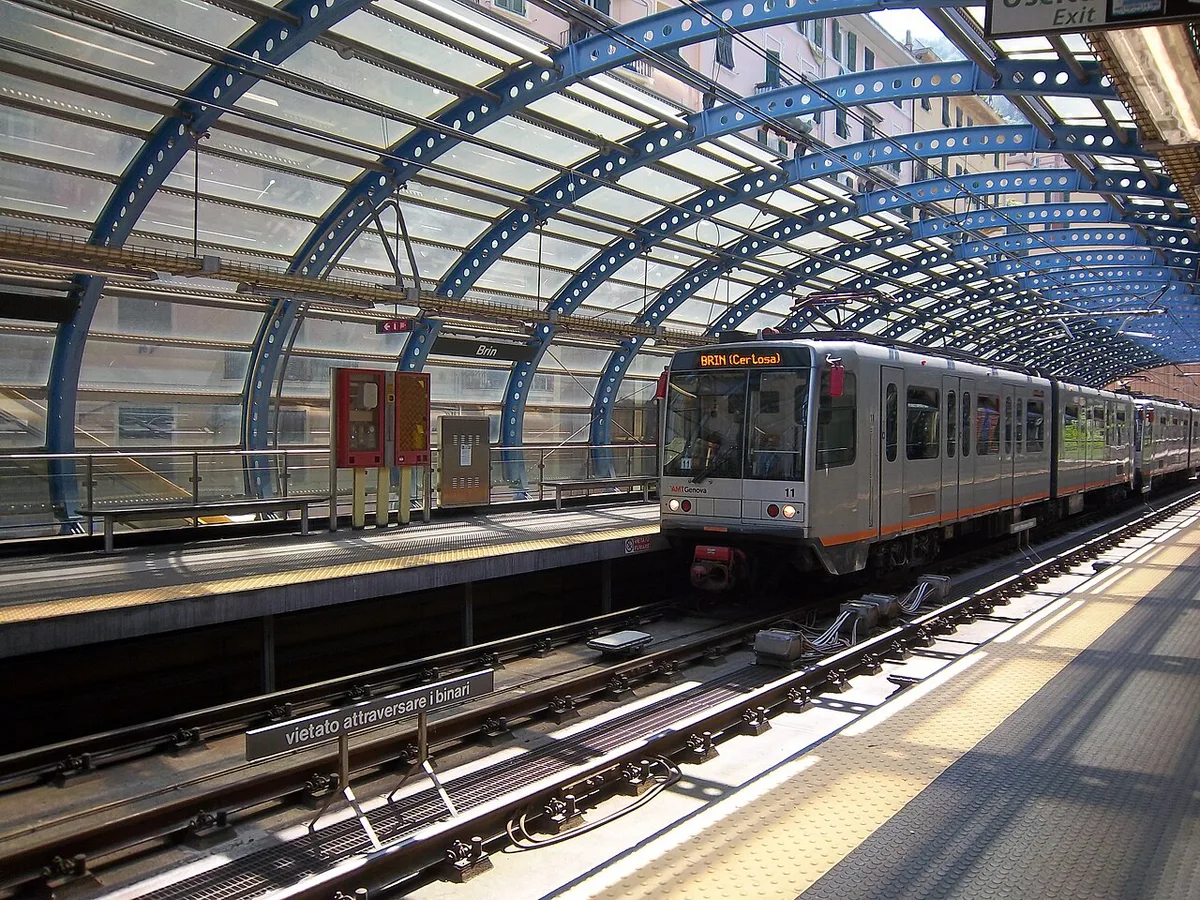
Genoa's Metro is a short, single line, and it is broadly safe for everyday use, including for solo riders. Where it earns a second look is at busier interchange points: San Giorgio and the Darsena area are flagged as higher-alert spots, particularly on escalators, where crowding creates the close contact pickpockets rely on. Keep bags zipped and held in front rather than on your back or shoulder when riding an escalator at a busy station. Cruise-ship days bring a noticeable surge of day-trippers through the network at once, so build in a little more patience — and a little more bag awareness — when a ship is in port. If a station or the surrounding streets feel like they deserve a wider berth, the dedicated guide to areas to avoid in Genoa breaks down specific pockets in more detail.
Transition points pose the real risk across the entire network: crowded escalators here, underpasses at major hubs, the disorienting caruggi walk after a bus ride. Each demands heightened bag-watching regardless of the transit mode itself.
Navigating the Vertical City: Funiculars and Public Elevators
Genoa is a vertical city, and its public elevators and funiculars are how residents and visitors move between the waterfront and the hillside districts. Elevators such as the Ascensore Castelletto Levante are often unstaffed and fully enclosed, which is normal for the system but worth knowing before you step in. Before riding, take a moment to check that the cabin lighting is working and that an emergency call button or intercom is visible — both are standard safety features on any unstaffed lift. Traveling with your fare already loaded avoids the fumbling that can mark you out as unfamiliar with the system; funiculars and elevators run on the same AMT ticketing as buses and the Metro, so a validated ticket or tapped card covers the ride. Families managing a stroller should expect a queue at peak hours, since cabin space is limited and shared with residents commuting between levels of the city.
Bus Safety and the Caruggi Last-Mile Walk
AMT's daytime bus network is dense, and the Nottambus night bus service extends coverage into the late hours once the Metro has thinned out. Two routes worth knowing by number: buses 20 and 35 carry a specific pickpocket note from local guidance, so treat them with the same bag-forward posture recommended on the Metro escalators, especially when they're crowded near the port. The bigger safety variable for most visitors isn't the bus itself but the last-mile walk — stepping off at a stop and threading into the caruggi, where narrow, similar-looking alleys can disorient even attentive travelers. Routes that serve the port and Sampierdarena see more industrial through-traffic and warrant extra attention after dark. Studying the route into your accommodation before boarding, rather than checking a phone map mid-alley, keeps you moving with purpose instead of pausing in an isolated passage.
- Buses 20 and 35 carry a specific pickpocket note; keep bags zipped and in front on crowded runs.
- The Nottambus night network covers the hours after the Metro slows down.
- Routes serving the port and Sampierdarena warrant extra alertness after dark.
Genova Piazza Principe vs Genova Brignole: Major Transit Hubs
The two hubs behave differently, and knowing which one you're arriving at helps calibrate expectations. Genova Piazza Principe is the busier, more transient hub, with underground passageways where bags need close watching and where aggressive panhandling and unsolicited luggage-carrying "help" is more common — politely decline offers to carry your bags and keep straps across your body while moving through the underpass. Genova Brignole leans commuter-heavy and generally calmer, though its adjoining gardens and pedestrian tunnels still deserve the same underpass caution as Principe, particularly once evening traffic thins out. At both stations, use the official taxi stand rather than accepting a ride from a driver who approaches you inside the station or at the curb; unauthorized drivers soliciting fares directly are a recurring complaint at Italian rail hubs generally, and Genoa is no exception.
The Navebus Water Shuttle: An Overlooked Safe Option
Alongside buses, the Metro, and the vertical transit network, AMT's Navebus water shuttle offers a daytime alternative along Genoa's waterfront. Running on a fixed schedule rather than weaving through traffic, it's a comparatively relaxed way to cover port-side distances without navigating station underpasses or crowded escalators. As with any water-based transit, plan crossings for daylight and early-evening hours rather than late at night, when service frequency drops and waterfront lighting matters more than boat access. For most safety-conscious itineraries, the Navebus is best treated as a scenic, low-stress complement to the Metro and bus network rather than a primary way to reach late-night destinations.
Avoiding Scams and Pickpockets on Genoa Transit
The most reported transit scam in Genoa is the fake inspector: someone posing as AMT staff to flag down travelers, distract them, or demand an on-the-spot "fine." Real AMT staff carry visible identification and work official validation points, not random approaches on a crowded platform; if in doubt, wait until you reach a staffed AMT office or ticket booth. Since AMT's ticketing has moved toward contactless and app-based validation, the official MyAMT app and tap-to-pay terminals are the safest way to buy and validate fares — avoid paper tickets from unauthorized street vendors, which are frequently counterfeit and can leave you liable for a fine despite thinking you'd paid correctly. Physically, a cross-body bag with the opening facing forward, plus keeping valuables out of back pockets, blunts most opportunistic pickpocketing on crowded buses and Metro escalators. Some shops around the busiest hubs display a yellow "Angolo Sicuro" sticker, signaling they'll assist a tourist in a moment of trouble, and the Punti Informativi points near the Aquarium offer QR codes linking directly to local carabinieri for urgent help. For a fuller rundown of tactics beyond transit, see the guide to Genoa's most common tourist scams.
Nighttime Transit: When to Switch from Metro to Taxi
Genoa's Metro and daytime bus network are solid choices into the evening, but the calculus shifts later at night. Local guidance points to roughly 10:00 PM as a sensible point to start sticking to main thoroughfares like Via Garibaldi rather than cutting through quieter alleys, and to avoid the dark stretch between Piazza della Nunziata and the port after 11:00 PM altogether — even locals default to a taxi for that particular walk. The Porto Antico area is the exception: it keeps strong lighting and a visible police presence until around midnight, making it a comparatively easy place for an evening out. When it's time to head back, Piazza De Ferrari's taxi stand supports a taxi-sharing option for solo travelers who'd rather split a fare with another verified passenger than walk alone. Aperitivo culture is a real part of an evening in Genoa, so plan the transit leg of the night before, not after, a few drinks — decide in advance whether you're walking a main street, taking a late bus, or booking a taxi, rather than deciding on the spot. For the fuller night-specific picture, see Is Genoa Safe at Night? A 2026 Neighborhood Safety Guide.
The Navebus offers a safe daytime alternative along the waterfront but disappears from the evening calculus; late-night returns require official taxis and lit thoroughfares, not water shuttles with reduced schedules.
| Transit Mode | Speed | Night Safety Notes | Best For |
|---|---|---|---|
| Metro | Fast for its short line | Fine early evening; ridership and staff presence both thin out later at night | Direct hops between Brignole, Principe, and central stops |
| AMT bus / Nottambus | Moderate, depends on traffic | Nottambus covers late hours; stick to well-lit stops and avoid isolated waits | Reaching neighborhoods outside the historic center |
| Taxi / official taxi stand | Slower to arrange, fastest door-to-door | Best choice once the Metro thins out, especially near Piazza della Nunziata and the port | Late-night transfers and solo travelers after dark |
| Navebus water shuttle | Leisurely, schedule-dependent | Suited to daytime and early-evening waterfront trips, not late-night transit | Scenic transfers along the port in daylight hours |
Transit Safety Checklist by Traveler Type
Not every rider needs the same checklist. Solo female travelers benefit from the general precautions above plus a few specifics for traveling alone — bag-forward posture on escalators, sticking to Via Garibaldi and other main thoroughfares after 10:00 PM, and using the Piazza De Ferrari taxi-share option rather than walking a quiet stretch solo; the dedicated solo female travel safety guide goes deeper on accommodation and evening planning. Families with strollers should build extra time into elevator and funicular transfers, since unstaffed cabins have limited space and can queue at peak hours, and should treat the Genova Piazza Principe underpasses as a hold-hands, stay-together zone. Cruise passengers on a short layover face a different risk profile: heavier crowds at Genova Piazza Principe and the Volabus stops, a tighter timeline that can pressure decisions, and less familiarity with which taxi stand is official. For that group, the safest plan is sticking to the official taxi queue, using the MyAMT app for any transit ticket, and prioritizing the well-lit Porto Antico corridor if time allows a short walk before returning to the ship.
- Solo female travelers: bag-forward on escalators, stick to Via Garibaldi after 10:00 PM, use the Piazza De Ferrari taxi-share stand.
- Families with strollers: budget extra time for elevator and funicular queues; keep the group together through station underpasses.
- Cruise passengers on a short layover: use the official taxi queue at Principe, book fares through the MyAMT app, and prioritize the well-lit Porto Antico corridor.
Frequently Asked Questions
Is Genoa's public transport safe to use at night?
Yes, with adjustments. The Metro and buses are reasonable early in the evening, but local guidance recommends sticking to main thoroughfares like Via Garibaldi after 10:00 PM and avoiding the dark stretch between Piazza della Nunziata and the port after 11:00 PM, switching to a taxi from the Piazza De Ferrari stand instead.
What are the 2026 ticket validation rules for AMT buses, the Metro, and elevators?
AMT's ticketing has shifted to contactless and app-based validation. You need to validate a digital ticket or tap a contactless card at the gate before boarding, ideally through the official MyAMT app or tap-to-pay terminals. Avoid paper tickets from unauthorized street vendors, since these are often counterfeit and can still leave you liable for a fine.
Which Genoa bus routes need extra caution?
Buses 20 and 35 carry a specific pickpocket note from local guidance, particularly on crowded runs near the port. Keep bags zipped and held in front, the same posture recommended on busy Metro escalators.
Are Genoa's public elevators and funiculars safe to use alone?
Generally yes, though they're often unstaffed and enclosed. Before riding somewhere like the Ascensore Castelletto Levante, check that the cabin lighting works and that an emergency call button or intercom is visible, and have your ticket or tapped card ready rather than fumbling once inside.
How do you spot a fake ticket inspector on Genoa transit?
Real AMT staff carry visible identification and operate from official validation points rather than making random approaches on a crowded platform or bus. If someone claiming to be an inspector demands an on-the-spot cash fine, it's reasonable to insist on continuing to a staffed AMT office or ticket booth instead.