Dubrovnik Areas to Avoid: A 2026 Guide to Crowds, Stairs, and Overpriced Streets
Last updated July 2026. Searches for Dubrovnik areas to avoid usually expect a map with red zones marked on it, but Dubrovnik doesn't have one. The Old Town, Lapad, Gruž, and the surrounding suburbs are all safe to walk through, including after dark. What actually trips up visitors is timing around cruise-ship arrivals, the steep unlit stairways behind the upper town, and tourist-menu pricing clustered at the main gates.
The Quick Answer: Dubrovnik Areas to Avoid
Dubrovnik areas to avoid have almost nothing to do with crime. The city has a strong overall safety reputation, and violent incidents against visitors are rare, even late at night. What genuinely disrupts a trip falls into practical categories instead: timing, terrain, and price. Each one has a straightforward workaround, covered section by section below.
- Peak cruise-ship hours inside the Old Town, when the Stradun and Pile Gate turn into a slow-moving bottleneck for an hour or two at a stretch
- Steep, unlit stone stairways behind Ploče and the upper town, sometimes nicknamed the Stairs of Dubrovnik, that don't show up on standard maps
- Tourist-menu streets clustered at the main gates, where food quality drops as prices climb compared with streets just a block or two further out
- Driving a rental car into the Old Town perimeter, where parking is scarce, expensive, and often full by mid-morning
Is Any Part of Dubrovnik Actually Dangerous?
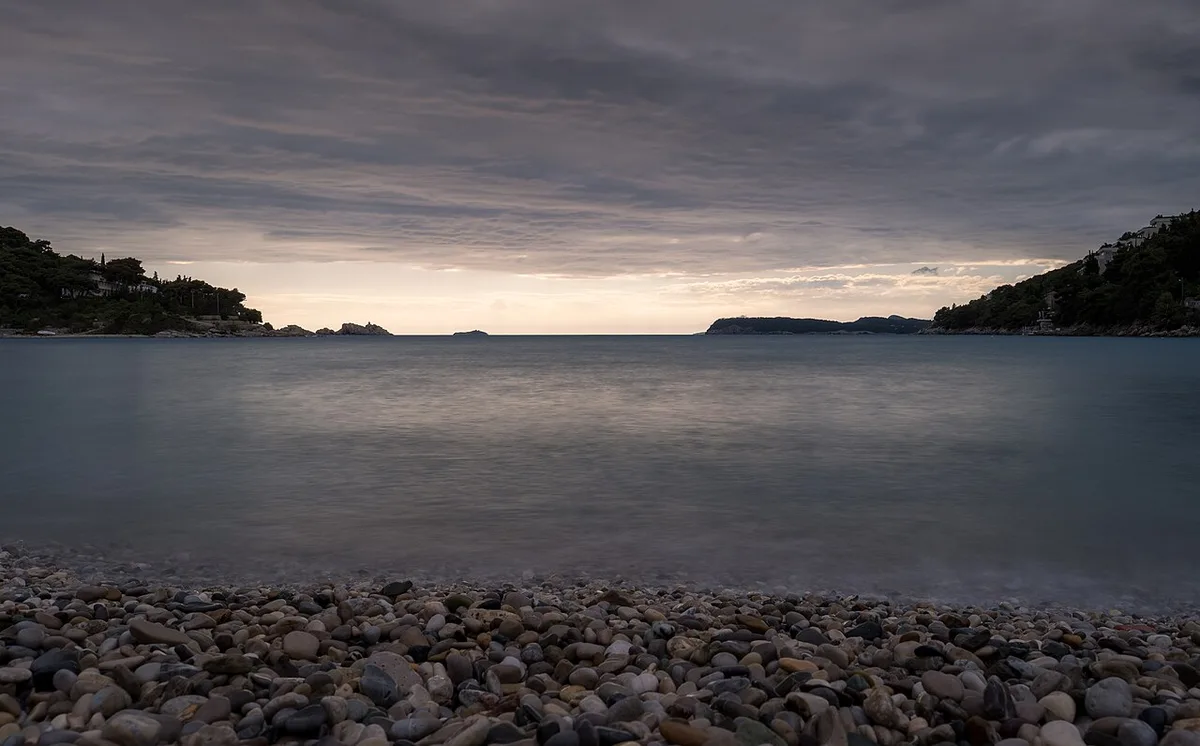
No district in Dubrovnik functions as a genuine no-go zone. The biggest safety issue most visitors run into is a slippery marble street after rain, not street crime. Petty theft can happen in the densest crowds, the same as in any major tourist destination, so keep bags zipped on the Stradun during peak hours. Solo travelers and families both report the same pattern: crowded, well-lit, tourist-heavy streets rather than isolated risk. Mokošica, a residential suburb east of the historic center, is where many locals actually live, and it sees very little tourist traffic. That's a reason to consider it for a budget stay, not a reason to avoid it. For a full breakdown of crime patterns, pickpocket risk, and specific solo-travel notes, see our guide on Is Dubrovnik Safe? 2026 Traveler Safety Guide and Local Tips.
Avoid the Old Town During Cruise-Ship Peaks
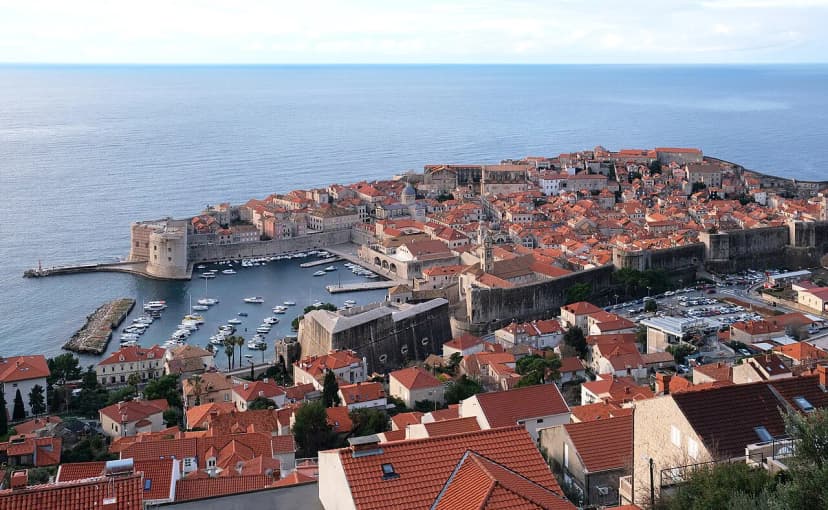
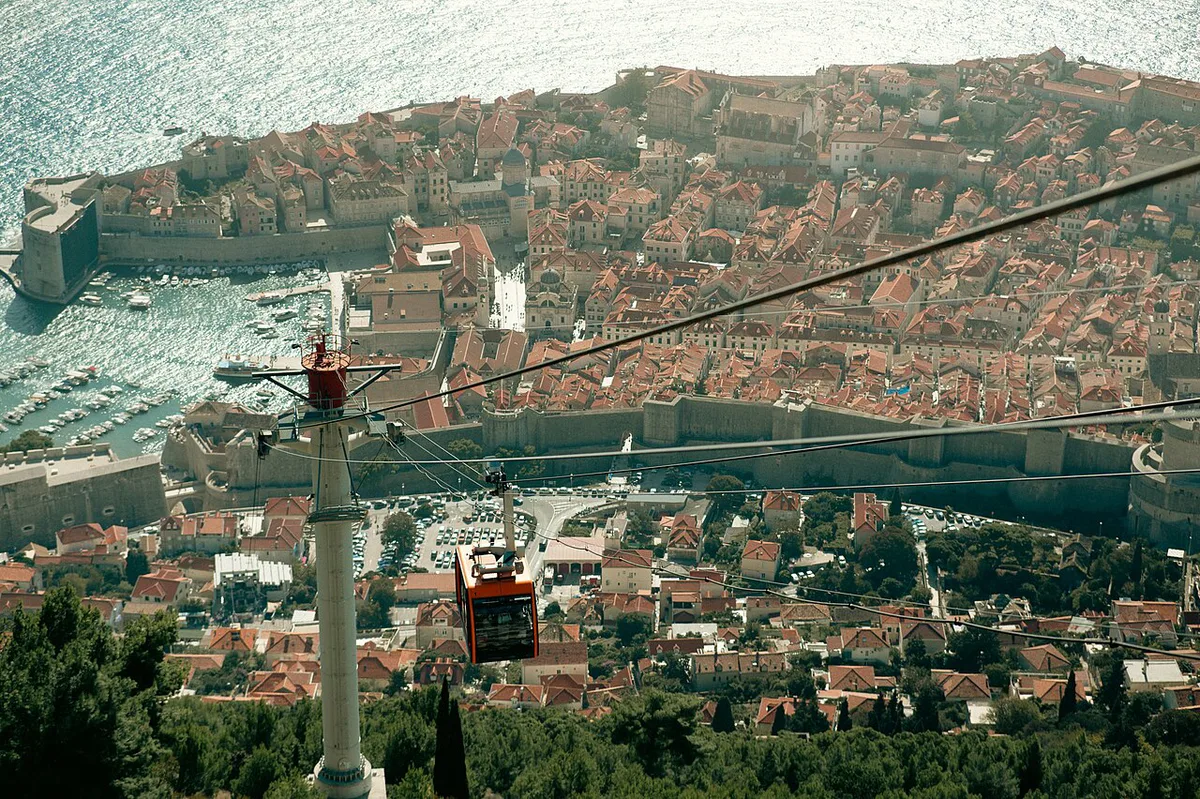
Dubrovnik's Old Town is a compact, walled peninsula built around one main paved lane, the Stradun. Pile Gate is the primary entrance most cruise passengers use to enter on foot. When two or three ships dock the same morning, passenger groups funnel through that single gate within a few hours. The result is a slow-moving crowd along the Stradun that turns a short walk into a much longer one. The city runs a program called Respect the City, aimed at spreading out cruise arrivals so fewer passengers move through the walls at once. Before planning a walking day, check the day's ship arrivals on the Dubrovnik port authority's published schedule. Entering through Ploče Gate instead of Pile Gate can also mean a shorter wait during the busiest hours. Staying inside or directly beside the walls has one advantage here: you can walk the Stradun before the first ship tender even lands.
The Stradun faces overlapping crowd pressures from cruise-ship tendering (a few hours after ships dock) and midday day-trippers (late morning through mid-afternoon). Visiting early morning or after sunset avoids both surges and the exposed limestone's midday heat.
Avoid Stradun at Midday
Even without ships in port, the Stradun fills up between late morning and mid-afternoon, when day-trippers, tour groups, and the day's heat all overlap. Summer temperatures on the exposed limestone street can make that window uncomfortable regardless of crowd size. Side streets running perpendicular to the main lane stay noticeably quieter and lead to smaller squares and churches worth a slower look. Ducking into an indoor stop, such as a museum or gallery, is a practical way to sidestep both the sun and the density. Locals tend to shift outdoor time to early morning or after sunset for the same reason. City wall opening hours shift by season, so check current hours before building a walk around them. Carrying water and picking shaded side streets matters more in Dubrovnik's peak summer months than almost anywhere else on the coast.
The Stairs Trap: Ploče and Mobility Issues
Maps make Ploče and the upper Old Town look close to everything, and in a straight line, they usually are. What maps don't show is the stone stairway network some locals and repeat visitors call the Stairs of Dubrovnik. Certain rentals in this area involve stairways of 300 steps or more between the street and the front door. That is a serious obstacle for travelers with mobility issues, heavy luggage, or small children in strollers. Photos in a listing rarely make the incline obvious, since a flight of stairs photographs the same whether it's ten steps or a hundred. Before booking a stay above the Old Town, ask the host directly how many steps separate the door from the nearest drivable road. Also ask whether a taxi or ride-share can reach the door, or whether the last stretch is on foot only. Travelers with strollers, wheelchairs, or recent injuries are generally better served by a flat-access listing in Lapad or Gruž.
Mokošica: Affordable, But a Commute Risk for Short Stays
Mokošica sits east of the historic center and offers lower nightly rates than the Old Town, Lapad, or Ploče. It's a legitimate budget option, particularly for longer stays or travelers prioritizing price over location. The trade-off is distance: getting to and from the Old Town and the city walls depends on the Libertas bus network, since taxis add up fast across a multi-day stay. For a two- or three-night trip built entirely around the historic center, that commute can eat a meaningful share of the available time. Mokošica works better paired with a longer overall stay, where a daily bus ride matters less against the total trip length. It also suits travelers who want everyday local life, ordinary grocery stores, and residential streets rather than a tourist-district base.
Skip Driving Into the Old Town Perimeter
Bringing a rental car into the Pile or Ploče perimeter is one of the most common regrets among first-time visitors. The Old Town itself is a pedestrian zone, so a car only ever gets as close as the surrounding streets. Street parking near the walls is scarce, and what exists tends to fill early in the day. Garage and lot rates around the Old Town typically run well above what the same car would cost to park near Lapad or Gruž. The Libertas bus network connects the main neighborhoods without a parking search, and it's the same system locals use daily. If a rental car is necessary for day trips outside the city, book accommodation with dedicated parking outside the Old Town perimeter, then walk or bus in from there. That single decision, made before booking, avoids most of the parking frustration reported by first-time visitors.
Tourist-Menu Zones Near the Main Gates
Restaurants within a block or two of Pile Gate and Ploče Gate see the highest foot traffic in the city, and pricing reflects it. Photo-menus with multi-language pricing are a reliable sign of a tourist-menu spot built for one-time customers rather than repeat business. Walking two or three streets away from the main gates, or eating in Lapad or Gruž instead, typically brings better value for a similar meal. Checking prices on a posted menu before sitting down avoids most of the frustration, and a menu without visible prices is worth skipping entirely. The main gates are also where overcharging complaints cluster most, a pattern covered in more detail in our guide to Dubrovnik Tourist Scams: 7 Common Rip-Offs and How to Avoid Them.
Nightlife Noise: Areas Families May Want to Avoid
Bars and late-night venues cluster inside parts of the Old Town, along the city walls, and in stretches of the Lapad Riviera, and both areas can run loud into the early hours. Families or light sleepers booking a stay in either district should check a listing's exact position relative to the bar strip, not just the neighborhood name on a map. A street directly above a late-closing bar can be considerably louder than one two blocks away in the same district. Streets set back from the main nightlife stretch are typically much quieter, even within Lapad or the Old Town itself. Reading recent reviews for mentions of noise is a faster check than guessing from a map.
Where to Go Instead: Lapad and Gruž
Lapad has a more residential feel than the Old Town, with beach access and lower prices for comparable rooms. It suits families and travelers who prefer to treat the walled city as a day destination rather than a home base. Lapad Bay's shoreline gives swimming and waterfront dining options that the Old Town itself doesn't have. Gruž centers on the working port, with a daily market and restaurants priced for locals as well as visitors. It also suits travelers connecting onward by regional ferry, since the ferry terminal sits inside the neighborhood. Both districts sit outside the Old Town's premium pricing while staying within an easy bus ride of it. If you're walking back to either neighborhood after dinner, our guide to Dubrovnik safe at night covers specific routes and lighting.
Ploče rentals often involve 300 steps or more between street and door. Lapad and Gruž remain flat with comparable prices, making them better suited for travelers with mobility issues, strollers, or luggage.
Dubrovnik Neighborhoods Compared
The table below lines up the trade-offs from every section above. Use it to match a neighborhood to what actually matters for a given trip: budget, mobility, or proximity to the walls. None of these are avoid in the sense of danger. They're avoid in the sense of fit.
| Area | Avoid If... | Choose If... | Physical Difficulty |
|---|---|---|---|
| Old Town | You dislike crowds and noise | You want history and walking proximity | High (steps) |
| Ploče | You're on a tight budget | You want the best views in the city | High (steep inclines) |
| Lapad | You want round-the-clock historic atmosphere | You want beaches and a family-friendly base | Low (flat) |
| Gruž | You want traditional Old Town atmosphere | You're taking ferries or watching your budget | Low (flat) |
For trip-planning details, see US State Department Croatia travel advisory.
Frequently Asked Questions
Is it safe to walk around Dubrovnik at night?
Yes, in general. Dubrovnik's tourist areas, including the Old Town and Lapad, are well-used and reasonably lit after dark, and violent crime against visitors is rare. The main practical concern at night is footing, since smooth marble streets get slippery when wet. Sticking to main pedestrian routes rather than unlit side stairways is the simplest precaution.
Which Dubrovnik neighborhood is best for limited mobility?
Lapad and Gruž are the flattest, most accessible options, with far fewer stairs than the Old Town or Ploče. Ploče in particular involves stone stairways that can run 300 steps or more between the road and some front doors. If mobility is a concern, confirm exact step counts with a host before booking anything above the Old Town.
Are there specific scam-prone areas in Dubrovnik?
Overcharging complaints cluster most around restaurants directly next to Pile Gate and Ploče Gate, where foot traffic is highest. It's less about a dangerous area and more about tourist-menu pricing built for one-time customers. Checking a menu's prices before sitting down, and walking a street or two further from the gates, avoids the issue almost entirely.
How do you avoid the cruise-ship crowds in the Old Town?
Check the Dubrovnik port authority's published arrivals schedule before planning a walking day. Visit the Stradun and city walls early morning or early evening, when ship-driven crowds thin out noticeably. On heavy port days, side streets and indoor stops such as museums stay far calmer than the main lane.
Is Mokošica safe to stay in?
Yes. Mokošica is a residential suburb with little tourist traffic and lower nightly rates than the center. The trade-off is commute time to the Old Town, which relies on the Libertas bus network rather than a short walk, so it suits longer stays better than quick two-night trips.
What's the best area to stay in for first-time visitors?
Lapad offers the easiest balance of price, beach access, and a short bus ride to the Old Town. Staying inside the walls costs more and adds the stairs and crowds described above. For a short trip focused on the historic center, a room just outside Pile Gate, without significant stairs, is a middle option worth checking.