Bucharest Crime Rate: A 2026 Safety Breakdown for Travelers
Last updated July 2026, the Bucharest crime rate remains low by European capital standards, with violent offenses accounting for a small share of total crime and petty theft driving most tourist-relevant reports. Romanian Police and Eurostat-adjacent data point to a city where pickpocketing on public transport and confidence scams around the Old Town pose more day-to-day risk than assault or robbery. This guide breaks down the numbers, names the districts where extra caution pays off, and explains how the picture compares to other European capitals.
Is Bucharest Safe? The Fast Answer
Bucharest earns a straightforward answer for most travelers: yes, with normal precautions. Romanian Police statistics classify violent crime as roughly 16 percent of total offenses recorded in the city, a share that has stayed low relative to a metro population near two million. Total recorded offenses fell 51 percent between 2000 and 2004, and dropped a further 7 percent between 2012 and 2013, according to Bucharest Police evaluation data. What remains is mostly petty: pickpocketing, street theft, and confidence scams that target visitors rather than assaults or robberies. For a broader look at day-to-day precautions across the city, see the Bucharest safety overview.
Bucharest Crime Rate vs Other EU Capitals: The Numbers
Crowd-sourced indices and national police data both classify Bucharest as a comparatively low-crime capital for violent offenses, though exact rankings shift year to year and are worth checking close to a travel date. What holds steady is the underlying data. In 2007, Bucharest Police recorded 11 murders and 983 other violent offenses across the city. By 2013, violent crime had fallen 13 percent from the previous year, even though murders ticked up to 19, with arrests made in 18 of those cases. Theft is the category that actually shapes a tourist's experience. Bucharest logged almost 19,000 theft crimes in 2022, a 5.9 percent rise from 2021, though the multi-year trend for theft has been downward. Close to a third of that theft happened on the street. That is the category most relevant to anyone carrying a phone, wallet, or camera in the Old Town or on transit.
| Metric | Figure | Source |
|---|---|---|
| Total offenses change, 2000-2004 | -51% | Bucharest Directorate-General of Police |
| Total offenses change, 2012-2013 | -7% | Bucharest Police 2013 evaluation report |
| Violent crime share of total crime (2013) | ~16% | Bucharest Police 2013 report |
| Murders recorded, 2007 | 11 | Bucharest Police |
| Other violent offenses, 2007 | 983 | Bucharest Police |
| Murders recorded, 2013 | 19 (18 arrests made) | Bucharest Police 2013 report |
| Violent crime change, 2012 to 2013 | -13% | Bucharest Police 2013 report |
| Theft crimes recorded, 2022 | ~19,000 | Romania theft statistics report |
| Theft change, 2021 to 2022 | +5.9% | Romania theft statistics report |
| Street theft share of total theft, 2022 | ~1/3 | Romania theft statistics report |
Petty Crime: Pickpocketing, Scams and the Old Town
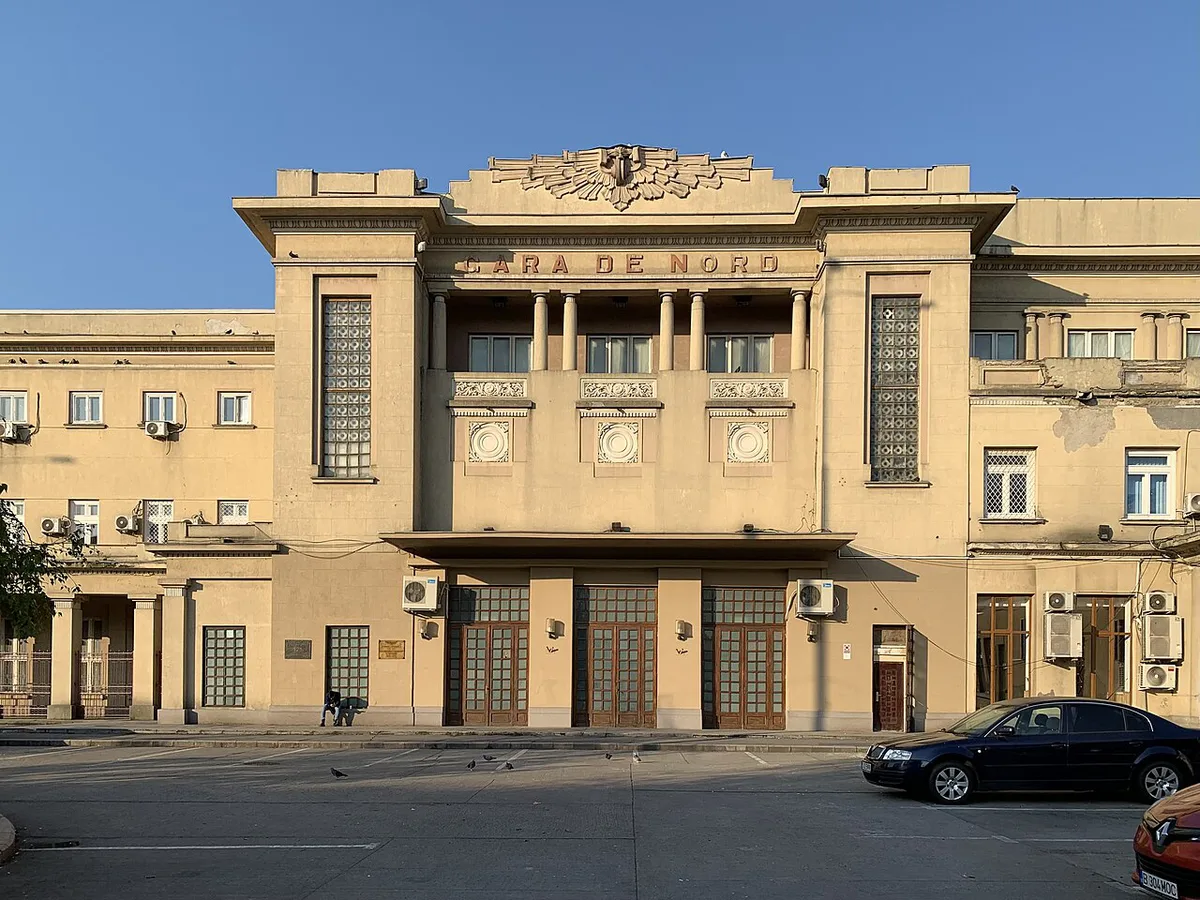
Petty crime is the category every visitor should plan around. Pickpocketing concentrates on Bucharest's public transport network, where crowding creates cover for quick hands. Gara de Nord, the city's main rail terminus, shows up repeatedly in local reporting as a pickpocketing hotspot, largely because of the volume of distracted travelers passing through. The Old Town district around Lipscani draws a similar risk profile after dark, when bar crowds and street vendors create the same kind of crowded, distracted environment. Confidence tricks add a second layer of risk. The so-called Maradona scam, a distraction-and-swap con documented in Bucharest crime reporting, still circulates in tourist-heavy pockets of the city. The routine has variations, but the core mechanic stays the same. A stranger creates a distraction, often around money or a dropped item. An accomplice then lifts a wallet or phone while attention is elsewhere. Keep valuables in a front pocket or zipped bag on the metro and around Gara de Nord, and treat unsolicited street interactions with mild skepticism. For the full list of tricks currently circulating, see the common scam tactics guide.
Violent and Organized Crime: What Tourists Actually Face
Violent and organized crime exist in Bucharest, but they operate largely outside tourist itineraries. Romanian Police records reference organized crime crackdowns against groups such as the Cămătaru clan and the Babubudu gang, but these networks focus on internal disputes and financial rackets, not visitors. For a city with close to two million residents, the volume of violent crime is low enough that it does not disrupt daily public life, per Bucharest Police assessments. Nightlife carries its own, smaller-scale risk profile. Old Town bars and clubs draw large crowds on weekend nights, and the greater risk there is drink-related theft or overcharging rather than assault. Keep an eye on unattended drinks, settle bar tabs before ordering rounds with strangers, and stick to licensed venues. Travelers planning a night out can check district-level safety after dark guidance before heading into the Old Town.
Safe and Risky Districts: Where to Stay and What to Avoid
Geography does a lot of the safety work in Bucharest. Crime data and local reporting point to higher levels of petty and property crime in the city's southern districts. Ferentari, in Sector 5, is named most often. Wikipedia's crime overview flags it as a socially disadvantaged area. Rahova, also in the south, carries a similar reputation locally. Neither district sits on a typical tourist route, and most visitors have no practical reason to pass through them. Sector 1 covers much of the city's northern half. It holds embassies, mid-range and upper hotels, and quiet residential streets, and it is the district most guidebooks and long-term residents point to first when asked where to base a stay. The table below summarizes the districts that come up most in traveler planning, with an editorial risk read based on the data cited throughout this guide.
| District | What You'll Notice | Editorial Risk Assessment |
|---|---|---|
| Old Town / Centrul Vechi (Lipscani) | Dense nightlife, bars, street vendors | Low for violent crime; moderate for pickpocketing and scams after dark, in our editorial assessment |
| Gara de Nord (North Station) | Bucharest's main rail terminus, heavy foot traffic | Low for violent crime; moderate to high for pickpocketing |
| Sector 1 (northern districts) | Embassies, hotels, quieter residential streets | Low overall, in our editorial assessment |
| Ferentari (Sector 5) | Named in Bucharest Police and Wikipedia crime data as socially disadvantaged | Higher locally reported crime; rarely on tourist routes |
| Rahova | Southern residential district with a similar local reputation to Ferentari | Higher locally reported crime; rarely on tourist routes |
Public Transport Safety: Metro, Buses and Rideshares After Dark
Bucharest's public transport network, run by Metrorex for the metro and STB for buses and trams, is where most of the city's pickpocketing happens. That is a function of crowding, not a sign the system itself is dangerous. Trains and platforms are typically well lit and monitored, and the practical risk is theft, not assault. The trade-off between transit and rideshare comes down to time of night and how much luggage or valuables are involved. During daytime and early evening, the metro is a fast, low-cost way to cross the city, and standard bag-awareness is enough. Late at night, or when carrying luggage from Gara de Nord, a tracked rideshare works better. Apps like Bolt or Uber remove the crowding risk and add a verifiable driver and route. Street-hailed taxis are the one option worth approaching with more caution. Skip flagging a cab directly off the curb. Book through a hotel, use a rideshare app, or call a licensed dispatch number instead. Unmetered or unlicensed cabs are the most common source of overcharging complaints in the city. Full route-by-route detail lives in the public transport precautions guide.
Corruption, Taxi Overcharging and Financial Scams
Institutional corruption is a genuine issue in Bucharest, and Wikipedia's overview of the city's crime landscape names it as one of the most cited justice-and-law concerns locally. Corruption nationally has declined over recent years due to government reform efforts, but Bucharest's level reportedly still runs above the Romanian average. For a visitor, that broad institutional picture rarely translates into a direct incident. What shows up in traveler experience is smaller-scale financial friction, not sweeping institutional risk.
Unlicensed taxis overcharge, currency-exchange counters vary rates, and ATM skimming devices prey on travelers—a layer of financial friction distinct from but complementary to the 19,000 thefts recorded in 2022.
- Unlicensed taxi drivers who quote inflated flat fares instead of using a meter or app.
- Currency exchange counters with posted rates that vary noticeably between one counter and the next.
- Occasional ATM skimming devices at standalone, less-monitored machines.
Safety for Solo Travelers, Women and Expats
Solo travelers, including women traveling alone, generally rate Bucharest as manageable with the same precautions that apply in most European capitals. The primary risk categories, pickpocketing and scams, are not gender-targeted, though unwanted attention in nightlife areas is a more common complaint than anything approaching physical danger. Walking alone at night through well-lit, populated streets in the Old Town or Sector 1 is common practice. For less-populated residential streets late at night, a rideshare is the lower-friction option. Longer-term residents and expats face a different calculus. Institutional corruption and financial paperwork matter more over months of banking and renting than any single night out. Verify a landlord's ownership documents before transferring a deposit, and use bank transfers with a paper trail rather than cash for larger transactions. For a deeper breakdown of night-specific and gender-specific guidance, see the guidance for solo women travelers guide.
Solo women travelers find Bucharest manageable because pickpocketing and confidence scams like the Maradona con affect all visitors equally—unlike cities where gender-targeted crime shapes the safety calculus.
Emergency Numbers and a Practical Safety Checklist
Romania's single emergency number is 112, and it connects to police, ambulance, and fire dispatch from any phone, including one without a local SIM. English-speaking operators are not guaranteed, so keep any call simple: name the location and the type of emergency, then give a callback number. To report a non-emergency theft or scam, visit a Politia Romana station in person. Tourist zones including the Old Town have a visible police presence that can point travelers to the nearest station. A language barrier is common outside major tourist points, so a translation app or hotel staff assistance helps when filing a report. Before heading out for the day, run through a short checklist:
- Save 112 and your accommodation's address in Romanian before you need them.
- Keep phones and wallets in front pockets or zipped bags on the metro and at Gara de Nord.
- Book taxis through a hotel desk or an app like Bolt or Uber rather than hailing on the street.
- Use bank-branch ATMs instead of standalone street machines to reduce skimming risk.
- Carry a photocopy or photo of your passport instead of the original for daily use.
Why Bucharest Can Feel Grittier Than Its Crime Rate
Bucharest can feel rougher than its crime profile suggests, especially on first arrival. Around Gara de Nord, Piața Unirii underpasses, and the edges of Centrul Vechi, traffic, graffiti, cracked pavements, and late-night crowds can read as unsafe. That atmosphere is not the same as a high violent-crime risk.
The practical distinction matters for visitors. A dim side street near Lipscani may feel uncomfortable after midnight, but the more likely problem is a phone lifted in a crowd. Communist-era apartment blocks in areas such as Pantelimon, Militari, or Rahova can look severe without being relevant to a normal sightseeing route. Use visible cues instead of appearances alone: stay on lit streets, avoid empty underpasses late at night, and switch to Bolt or Uber when a walk feels isolated.
See also our Safest Neighborhoods in Bucharest: Where to Stay in 2026 guide.
Further reading: Bucharest on Wikivoyage · Bucharest on Wikipedia
Frequently Asked Questions
Is Bucharest safe to visit in 2026?
Yes, for most travelers. Romanian Police data classifies violent crime as a small share of total offenses in the city, and the greater practical risk is pickpocketing and scams rather than assault. Standard city precautions cover most of what a visitor needs.
What is the biggest safety risk for tourists in Bucharest?
Petty theft. Pickpocketing concentrates on crowded public transport and around Gara de Nord, and confidence tricks like the Maradona scam target visitors in busy tourist areas such as the Old Town.
Is Bucharest safe at night?
Old Town streets and Sector 1 are well populated after dark, and walking through lit, busy areas is common practice. For quieter residential streets late at night, a tracked rideshare is the lower-friction option.
Which Bucharest neighborhoods should travelers avoid?
Ferentari and Rahova, both in the city's south, carry the strongest local reputation for higher crime, per Bucharest Police reporting and Wikipedia's crime overview. Neither sits on a typical tourist route, so most visitors have little reason to pass through.
How does Bucharest's crime rate compare to other European capitals?
Violent crime accounts for roughly 16 percent of total offenses recorded in the city, a share that has kept Bucharest's violent crime profile low relative to its population of close to two million. Exact index rankings against cities like London or Paris shift year to year, so check current listings close to a travel date.
Is public transport safe in Bucharest?
The metro and bus network run by Metrorex and STB are not dangerous, but they are the most common setting for pickpocketing due to crowding. Basic bag awareness, plus booking taxis through an app instead of hailing on the street, covers most of the practical risk.