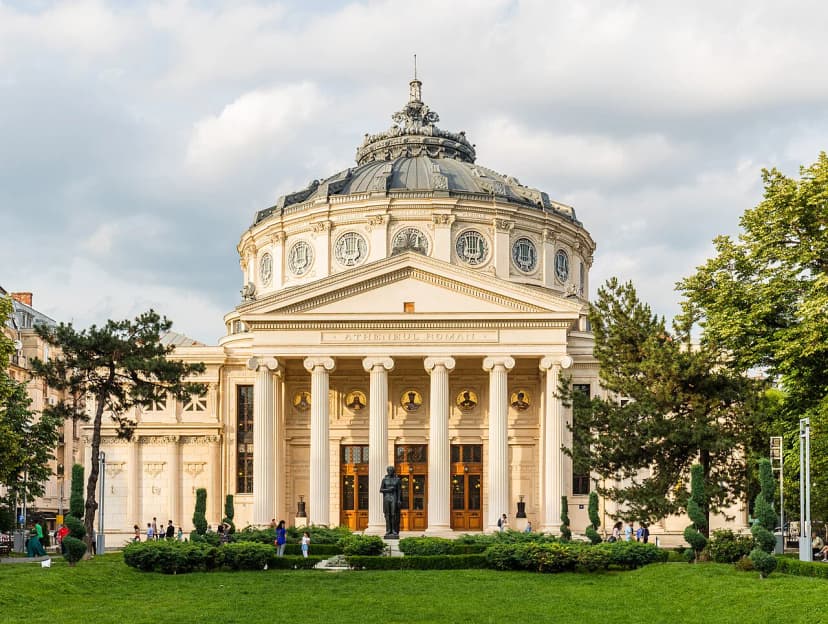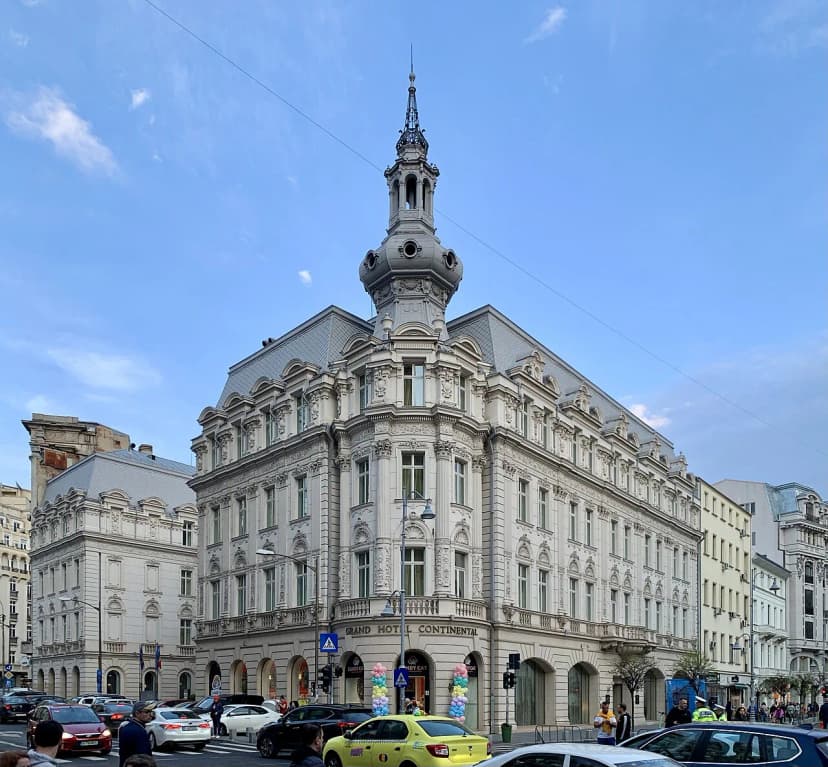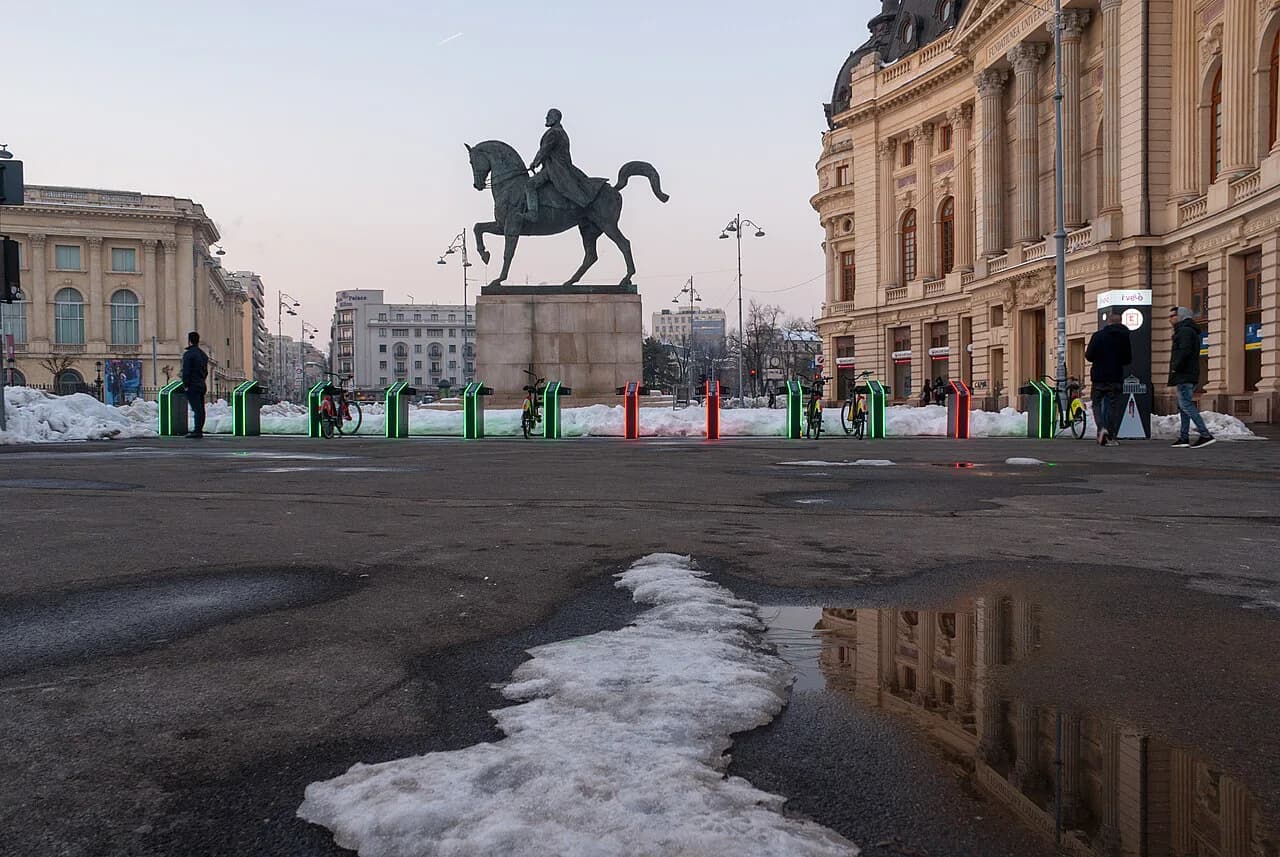
Safest Neighborhoods in Bucharest: Where to Stay and Areas to Avoid
Last updated July 2026. The safest neighborhoods in Bucharest cluster in the north and around the central squares, where steady foot traffic and better lighting keep petty crime lower than in outer districts. Compare Old Town, Piața Romană, Dorobanți, and the northern embassy district against the Bucharest safety overview before you pick where to stay. Each area trades quiet, convenience, and nightlife differently, so the right pick depends on the shape of the trip.
Is Bucharest Safe? The Quick Answer
Bucharest ranks among the safer capital cities in Europe for violent crime, according to local expat guides and long-term residents. Petty theft and scams cluster in specific tourist zones instead of spreading evenly across the city. Pickpocketing near crowded squares and overpriced taxi fares account for most visitor complaints, not assault or robbery. Check the Bucharest Crime Rate 2026: What the Data Says About Safety breakdown for the fuller data picture before booking. The real question for a visit is not whether the city is safe overall. It is which sector and street fit the plan, since comfort and quiet vary block by block across the citys six sectors.
The Safest Neighborhoods in Bucharest to Base Your Stay
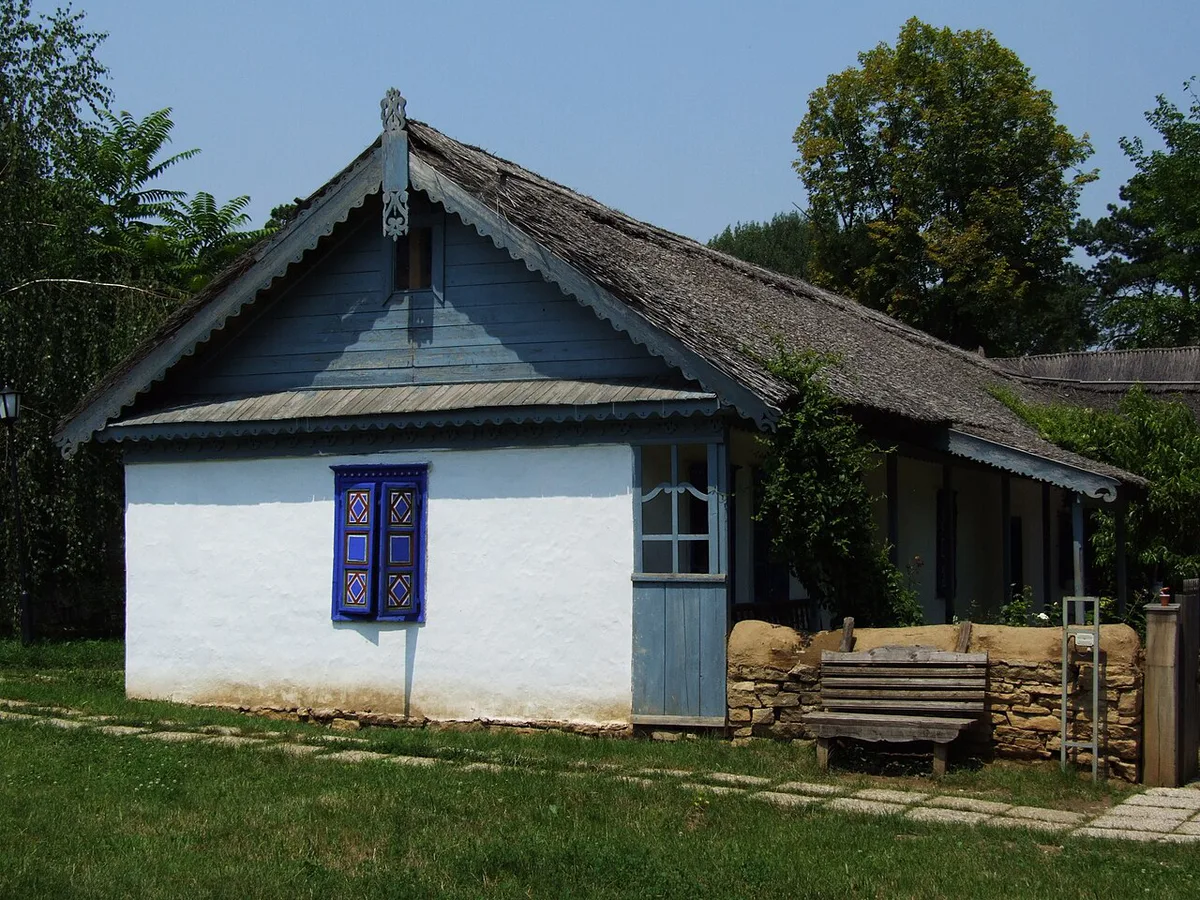
Bucharest's safer districts sit mostly north and central, spanning Sectors 1 and 2. Each one trades a different mix of quiet, convenience, and nightlife, so weigh the list below against how the days and evenings of the trip will actually run.
Primăverii and Aviatorilor derive safety from low-density residential streets and diplomatic stationing. Despite sitting north of the city center, the M2 metro provides practical access to downtown, making the longer commute worthwhile for quiet-seeking visitors.
- Old Town (Lipscani): Central and walkable, with the densest concentration of restaurants and bars in the city. Ask for a room above the ground-floor club level when booking to keep late-night noise out of the room.
- Universitate and Piața Romană: Central and connected by Metro Line M2, with steady foot traffic well into the evening. This is the most convenient base for reaching museums, restaurants, and the Old Town on foot.
- Dorobanți and Floreasca: Upscale streets lined with cafes and restaurants, calmer at night than the Old Town. Guidance in the solo female travel safety notes flags this pairing for its lighting and evening foot traffic.
- Primăverii and Aviatorilor: Bucharest's diplomatic district, home to embassies and secured residential streets. Expect quiet nights and a longer ride into the center in exchange.
- Cotroceni: Residential and tree-lined, near the Cotroceni Palace, one of the more tranquil options in the north. It suits travelers who want distance from nightlife noise.
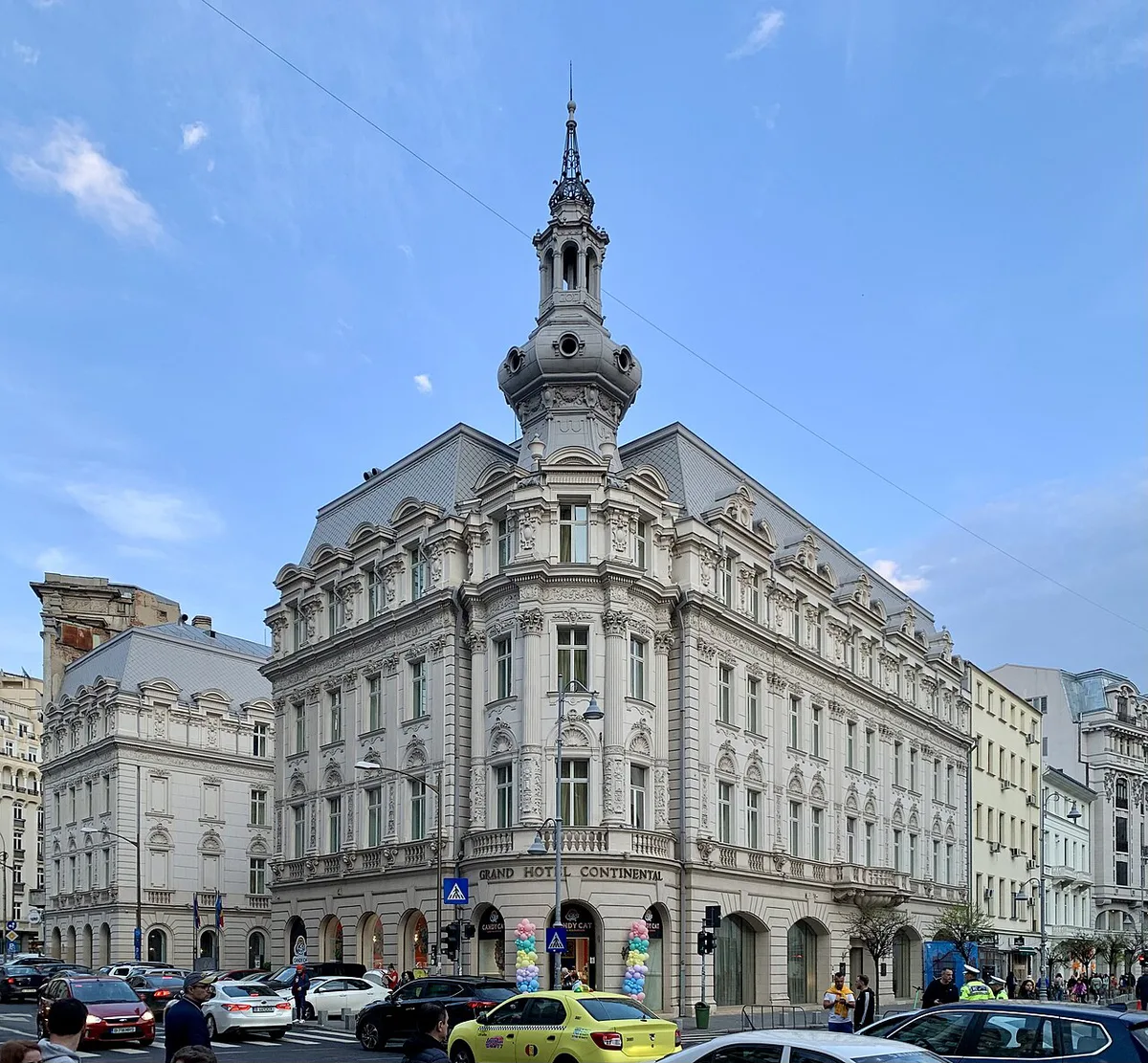
Neighborhood Trade-offs: Safety vs Convenience
The safest pockets of Bucharest sit furthest from downtown, so quiet often costs commute time. Primăverii and Aviatorilor sit north along Metro Line M2, which links them to Piața Romană and the center in a handful of stops. Locals treat the M2 blue line as a practical safety corridor for that commute, since it stays well-used and monitored at most hours. Piața Romană and the Old Town trade some of that quiet for a walk-everywhere location close to the main sights. Use the table below to weigh night-time feel against how far each area sits from downtown.
| Neighborhood | Night-time Feel | Transit Access | Best For |
|---|---|---|---|
| Old Town (Lipscani) | Lively and busy; watch for late-night crowds near clubs | Walkable; Universitate metro station nearby | First-time visitors wanting walkability |
| Piața Romană / Universitate | Busy, well-lit main avenues | Metro Line M2 stops at both squares | A central base with easy transit |
| Dorobanți / Floreasca | Calm residential streets with a few late dining strips | Bus routes plus the M2 corridor into the center | Travelers wanting dining plus quieter nights |
| Primăverii / Aviatorilor | Quiet, low foot traffic after dark | M2 corridor; longer ride to downtown sights | Longer stays, families, quiet as the priority |
| Cotroceni | Quiet and residential | Bus and tram access; short taxi to the center | Families and travelers skipping nightlife |
Bucharest Areas to Avoid
A handful of Bucharest districts see more petty crime and weaker infrastructure than the rest of the city. The areas to avoid guide covers these in more depth. The summary below covers the main ones worth knowing before booking a stay or a rental.
- Ferentari and Rahova (Sector 5): Local guides cite higher rates of petty theft here, along with older, poorly maintained housing stock south of Bulevardul Unirii.
- Pantelimon: Carries a gang reputation from past decades that still shapes how locals describe the district today.
- Giulești: Uneven sidewalks, potholes, and stray dogs make it a rougher walk than most of the city, day or night.
- Gara de Nord: Manageable in daylight since it is the citys main train station, but it draws more pickpockets and scams after dark. Plan arrivals and departures with that in mind.
Getting Around Safely: Transit, Taxis, and Nighttime Streets
Getting between neighborhoods safely matters as much as picking the right one to sleep in. The public transport safety guide covers the details in full. The basics below cover most trips.
Gara de Nord shifts from manageable during daytime to higher pickpocket risk after dark. Lit main roads like Calea Victoriei stay busy and well-used after dark, making them safer choices than dimly lit side streets in older districts.
- Metro Line M2 (Blue Line): Connects Primăverii, Aviatorilor, and Piața Romană to downtown. It is the fastest way to cross the safer northern sectors without a car.
- STB buses and trams: Useful for shorter local hops, though slower and more crowded than the metro during rush hour.
- Bolt and Uber: Both operate across Bucharest and are the standard recommendation over street-hailed yellow cabs, where overcharging is a frequent complaint. Read more in the common tourist scams rundown.
- Lit main roads: Calea Victoriei and the main boulevards stay busy and lit after dark. Side streets in older districts get dimmer fast, so check the Bucharest at night guide before a late walk home.
Best Accommodation Options in Safe Zones
Hotel picks below sit inside the safer, well-connected districts covered above, so a stay at any of them starts from a solid base. Rates are standard weekend rates reported in 2025 travel guides. Prices shift with season and demand, so confirm the current rate on the hotel's own listing before booking.
| Hotel | Area | Standard Weekend Rate* |
|---|---|---|
| Radisson Blu Hotel Bucharest | Calea Victoriei | $175 |
| The Marmorosch, Autograph Collection | Old Town, Strada Doamnei | $175 |
| Hilton Garden Inn Bucharest Old Town | Old Town, near Universitate metro station | $150 |
| Mercure Bucharest City Center | Old Town, near Piața Amzei | $130 |
Which Neighborhood Fits Your Trip?
Match the neighborhood to the shape of the trip rather than to the map alone. A few quick pairings help narrow the choice fast.
- Traveling with kids: Cotroceni's residential streets and distance from nightlife suit families best.
- Want nightlife within walking distance: Piața Romană or the Old Town keep bars, restaurants, and late transit close by.
- Prioritizing quiet over convenience: Primăverii and Aviatorilor trade a longer commute on Metro Line M2 for calmer streets.
- Solo and want busy, lit streets after dark: Dorobanți and Floreasca pair dense dining options with steady evening foot traffic.
Common Mistakes to Avoid in Bucharest
A few recurring mistakes trip up visitors more than any specific neighborhood does. Knowing these ahead of time saves both money and unnecessary worry.
- Hailing a yellow cab on the street: Overpriced fares are a frequent complaint among visitors. Book through Bolt, Uber, or a hotel-arranged car instead.
- Ignoring the red dot marking: Some Bucharest buildings, including a few in the Old Town, carry a red dot marking seismic risk under Romania's building code. Check a hotel's building rating if earthquake safety matters, especially for older buildings in Sector 3.
- Reading rough-looking as dangerous: Aging facades in central sectors do not automatically mean higher crime. Judge a street by its lighting and foot traffic at the time you're actually walking it, not by architecture alone.
How Bucharest’s Sectors Affect Where You Book
Bucharest is divided into six sectors, but visitors should not treat a whole sector as equally safe or convenient. Sector 1 is usually the safest bet for accommodation, especially around Calea Victoriei, Piața Victoriei, Dorobanți, Aviatorilor, and Băneasa.
Sector 2 can also work well near Floreasca and the Piața Romană edge, where restaurants, offices, and evening foot traffic keep streets active. Sector 3 includes the Old Town and Unirii, so it is central and practical, but noisier and more exposed to tourist scams.
- Best overall sector for quiet stays: Sector 1, especially north of Piața Victoriei.
- Best sector edge for dining and nightlife access: Sector 2 near Floreasca or Piața Romană.
- Most convenient but least quiet central base: Sector 3 around Old Town and Unirii.
- Sector to treat most cautiously when booking: Sector 5, especially Ferentari and Rahova.
Further reading: Bucharest on Wikivoyage · Bucharest on Wikipedia
Frequently Asked Questions
Is Bucharest safe for tourists in 2026?
Yes, in the general sense. Violent crime is uncommon in the areas tourists use most. Petty theft and scams are the bigger risk, and they cluster in specific spots like the Old Town at closing time. See the Bucharest safety overview for the full picture.
What is the safest neighborhood to stay in Bucharest?
Primăverii and Aviatorilor offer the quietest, most secured streets, thanks to their embassy presence and residential setting. Piața Romană and the Old Town trade some of that quiet for central convenience and walkability to the main sights.
Is Old Town Bucharest safe at night?
Old Town is generally safe from violent crime at night, but it is the citys top spot for pickpocketing and overpriced bar tabs. Book a room above the ground-floor club level for quieter sleep, and stick to well-lit main streets late at night.
Which Bucharest neighborhoods should travelers avoid?
Ferentari and Rahova in Sector 5 see more petty crime and weaker infrastructure than most of the city. Pantelimon and Giulești also carry reputations worth knowing before booking a stay nearby. See the areas to avoid guide for specifics.
Is the Bucharest metro safe to use?
Yes. Metro Line M2 is a practical, well-used way to move between the safer northern sectors and downtown. Standard city precautions still apply: keep bags zipped and watch belongings at busy stations, as covered in the public transport safety guide.