Malaga Areas to Avoid: What Travelers Should Actually Know
Last updated July 2026, this guide covers Malaga areas to avoid for anyone planning where to stay or walk after dark. Malaga's city center is heavily policed and considered very safe by local standards, a contrast covered in more depth in is Malaga safe overall. The neighborhoods worth knowing about are peripheral residential estates on the north side of the city, well outside any hotel, beach, or sightseeing route.
Malaga Areas to Avoid: The Quick Answer
Malaga has a reputation as one of the safer major cities on Spain's Costa del Sol, and that holds up across almost every district you're likely to see. There are no true tourist no-go zones in Malaga, in the sense of areas that overlap with hotels, beaches, or sightseeing routes. The honest answer to Malaga areas to avoid is narrower than most searches suggest: a small number of peripheral residential estates that sit well north of the center and rarely appear on any visitor's map. Everywhere you're likely to book a hotel, eat dinner, or walk to a museum sits outside these zones. The sections below break down which districts carry real concern, which just need evening caution, and where petty theft rather than danger is the actual issue. Online results on this topic tend to split two ways. Vacation-rental sites focus on selling stays in the safest districts without explaining why other areas get flagged. Forum threads go the other direction, naming individual streets and estates with little context on how relevant they actually are to your plans. This guide sits between the two: it names the areas that matter, explains why they get mentioned, and separates real risk from areas that are simply overlooked by tourism rather than dangerous.
| Neighborhood | Safety Level | Why It's Listed | Tourist Interest |
|---|---|---|---|
| Palma-Palmilla | Avoid | Data-linked to city crime numbers; no visitor infrastructure | None |
| Parts of Cruz de Humilladero | Avoid | Peripheral estate with a similar profile to Palma-Palmilla | None |
| Los Asperones, La Corta, García Grana | Avoid | Peripheral residential zones named in local online discussion | None |
| El Perchel & La Trinidad | Caution after dark | Poorly lit streets, few services open at night | Low |
| Huelin | Generally safe | A few pockets near the industrial zone worth skipping after dark | Moderate, local dining |
| Centro Histórico & Soho | Safe, watch belongings | Heavily policed; pickpocketing is the main risk | High |
- Real concern, data-linked: Palma-Palmilla and parts of Cruz de Humilladero, both peripheral estates north of the center.
- Also named in local forums: Los Asperones, La Corta, and García Grana, similar peripheral residential zones.
- Caution after dark, not avoidance: El Perchel, La Trinidad, and the port and park areas once crowds thin out.
- Petty theft, not danger: Centro Histórico and Soho, where pickpocketing is the main risk.
- Solid choices for a stay: Teatinos, El Limonar, Pedregalejo, Soho, and El Palo.
Why Palma-Palmilla and Cruz de Humilladero Come Up in Local Data
Malaga does not have tourist no-go zones in the way some larger cities do. The honest answer to where crime concentrates points to two connected areas: Palma-Palmilla and parts of Cruz de Humilladero, both on the city's northern edge. Local data and community discussion consistently link these estates to Malaga's crime numbers. Neither has hotels, restaurants built for travelers, or any listed attraction, and neither appears on a standard sightseeing map. It is worth stressing that only parts of Cruz de Humilladero carry this caution; large sections of the district function as ordinary residential neighborhoods with no particular concern attached. If you come across a rental listing in either area, it usually undercuts Centro or Soho rates by a wide margin, and that gap is the entire appeal. What the discount doesn't cover is the added cost and time of taxis back to the center every night, since public transport thins out on the periphery after dark. Factoring in those extra rides often narrows your savings considerably, before you even weigh the trade-off of staying somewhere with little tourist infrastructure. Online forums, including threads on r/Malaga, sometimes widen the list of areas worth skipping. Los Asperones, La Corta, and García Grana come up most often alongside Palma-Palmilla. These are smaller residential estates on the city's outer edge, built for local housing rather than tourism, and none intersect with a typical Malaga itinerary. Treat any unusually cheap listing in these areas the same way: confirm the exact address on a map before paying a deposit.
Areas That Need Caution, Not Avoidance
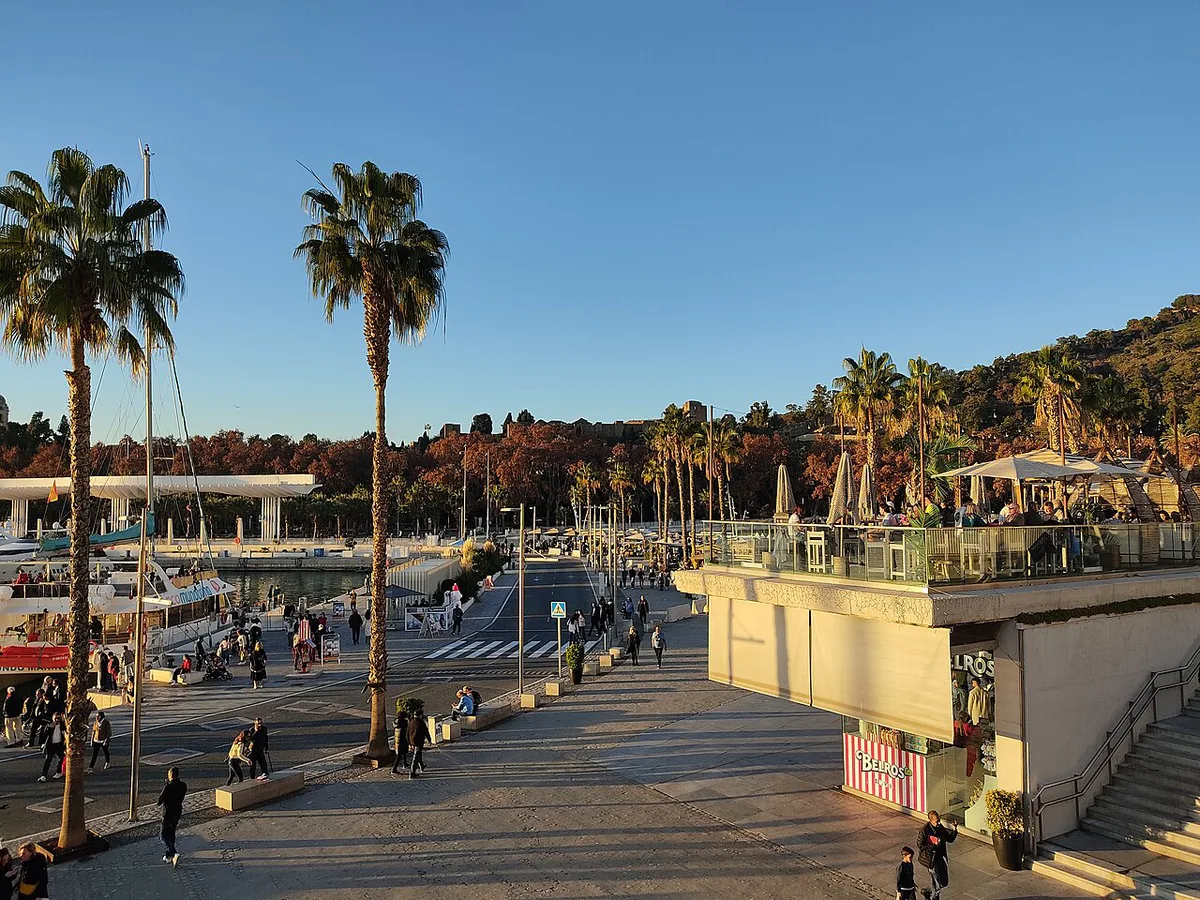
El Perchel and La Trinidad sit near the Guadalmedina riverbed close to the center, and both are straightforward to visit in daylight, with markets, cafes, and residential streets typical of a working Malaga neighborhood. After dark, the same streets can feel poorly lit and quiet, with fewer open restaurants and less foot traffic than Soho or Centro Histórico. Book a short taxi or rideshare for the walk back, rather than following the riverbed on foot, and you remove most of the concern. For a fuller rundown of after-dark precautions across the city, see Malaga safety after dark. Huelin, west of the port, is a local neighborhood known for its tapas bars and a weekday food scene that draws residents more than tourists. Most of it is straightforward for visitors at any hour, but the pockets closest to the industrial zone are quieter and less walkable once the sun goes down. Stick to the streets near the neighborhood's restaurant strip in the evening, and treat the industrial edges as a daytime-only stop rather than an evening destination. The port promenade and Parque de Malaga stay busy and well-lit on summer evenings, drawing families and evening strollers, but both thin out fast after midnight. Standard urban precautions apply at that point: stay on lit paths, keep valuables out of sight, and head back to a hotel in a group or a taxi once the crowds clear. None of this is unique to Malaga; it is the same advice that applies to a park or waterfront in any European city late at night.
Tourist Risks Inside the Safe Zones
Centro Histórico is where most visitors spend their time, and it is also where petty theft clusters. The risk here is pickpocketing and distraction scams, not violent crime, and it concentrates around busy spots like Calle Larios and the cathedral. A common version involves a stranger pointing out a fake stain on clothing while a second person picks a pocket in the confusion that follows. Phone snatching from outdoor cafe tables is another pattern worth watching for, especially at tables facing the street. None of this requires avoiding the area; it just means keeping your bag closed and your phone off the table. A full breakdown of these tactics, and how to avoid falling for them, is covered in common Malaga tourist scams. Soho, Malaga's street-art and gallery district, is safe by any standard measure and popular for its murals, galleries, and bars. The main thing to plan around is the later bar crowd on weekend nights, which can get loud and crowded near closing time. That is a noise and crowd-management consideration, not a safety one, and it fades by the early morning hours.
Where to Stay Instead: Teatinos, El Limonar, and Pedregalejo
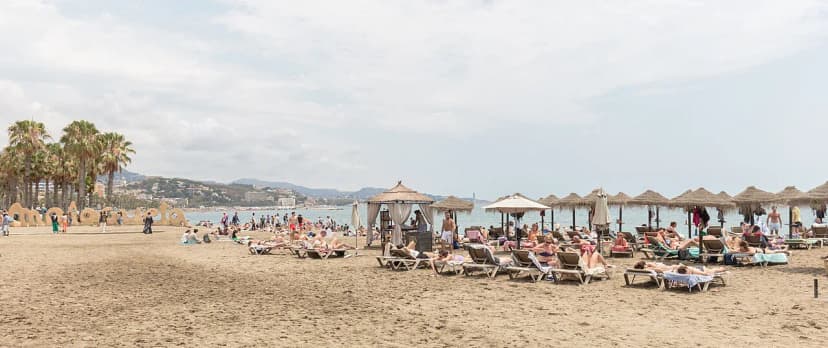
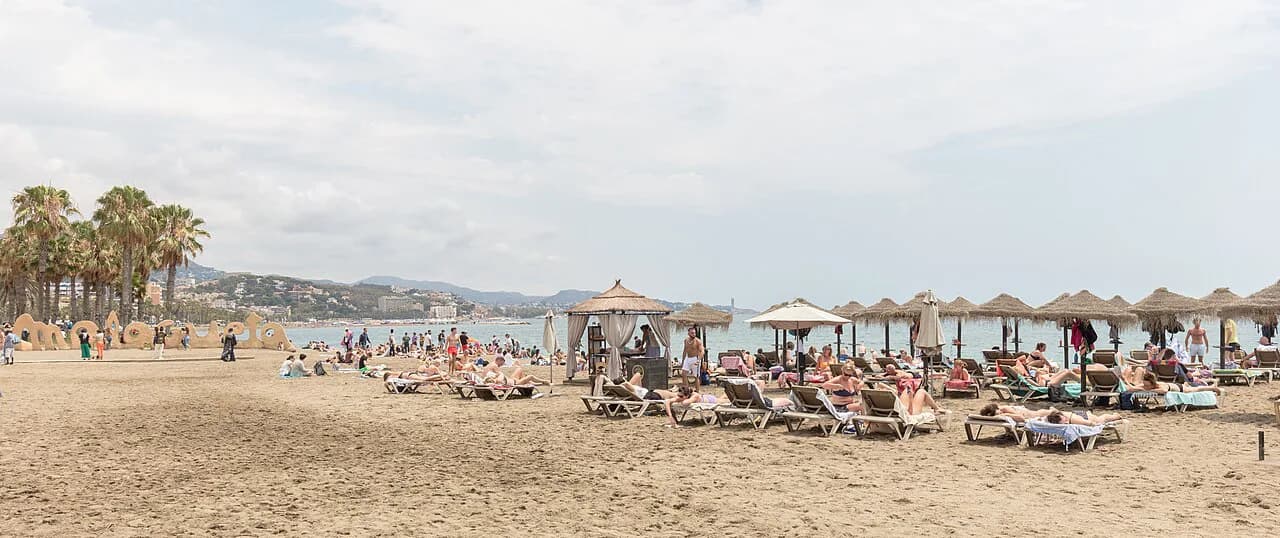
Three neighborhoods cover most of what you're looking for if you're skipping the center. Teatinos trades center access for lower rates. El Limonar trades it for quiet, residential streets. Pedregalejo trades it for beach time and a slower pace. Teatinos sits near the university and Malaga's business district, popular with longer-stay visitors, students, and business travelers who don't need to be inside Centro Histórico every evening. El Limonar is a residential district known for consulates and villas, with a slower pace than the Centro and streets built more for residents than tour groups. Pedregalejo keeps a fishing-village layout and beachfront chiringuitos, an alternative to the busier sand near the city center. El Palo, just past Pedregalejo, offers a similar beach-first, local pace with its own stretch of promenade. None of these three neighborhoods carry any of the caution notes that apply to Palma-Palmilla or Cruz de Humilladero. The trade-off is entirely about convenience and pace, not safety. Proximity to Calle Larios is the main factor to weigh: Teatinos and El Limonar both need a bus or taxi into the historic center, while Pedregalejo and El Palo swap that convenience for beach frontage.
These quieter neighborhoods trade central access for tranquility, but emergency response is identical across Malaga. Whether staying in Teatinos, El Limonar, Pedregalejo, or elsewhere, dial 112 for police, medical, or fire assistance.
| Neighborhood | Vibe | Best For | Getting to Calle Larios |
|---|---|---|---|
| Teatinos | Modern, university-adjacent | Longer stays, budget-conscious and business travelers | Bus routes run into the center |
| El Limonar | Quiet, upscale, residential | Travelers wanting distance from nightlife noise | Short taxi or bus ride |
| Pedregalejo | Beachfront, local chiringuitos | Beach access over nightlife | Bus along the coastal road |
Practical Safety Tips for Malaga
Malaga's Cercanías trains connect the airport, city center, and coastal towns such as Fuengirola and Nerja, and they see heavy daily use from both commuters and travelers heading along the coast. Standard train etiquette still applies: keep your bag zipped and in view, especially on crowded weekend services during peak summer months. For any emergency, dial 112, the number that reaches police, medical, and fire services anywhere in Spain, including English-speaking operators. Non-Spanish speakers can also contact SATE, the Foreign Tourist Assistance Service, to report theft or file a police report with an interpreter present, a service aimed specifically at visitors rather than residents. The nearest Policía Nacional station is the standard place to file an in-person report if something goes missing during your stay, and doing so promptly matters for any travel insurance claim. This matches the heavier police presence already noted in the city center, and it's a big part of why petty theft, not violent crime, is the main concern there. None of these steps are specific to Malaga's riskier pockets; they apply just as much inside Centro Histórico as anywhere else in the city, since even a low-risk area benefits from basic precautions.
For trip-planning details, see US State Department Spain travel advisory.
Frequently Asked Questions
What is the most dangerous area in Malaga?
Local data and community discussion point most consistently to Palma-Palmilla and parts of Cruz de Humilladero, two peripheral estates on the city's northern edge. Neither sits near hotels, beaches, or sightseeing routes, so the practical risk to a typical visitor is low.
Is Centro Histórico safe at night?
Yes, Centro Histórico is heavily policed and busy well into the evening. The main risk there is pickpocketing rather than violent crime, so the usual precautions around bags and phones matter more than avoidance.
Should you avoid El Perchel or La Trinidad?
Not during the day. Both are fine for sightseeing, and caution mainly applies after dark, when streets get quieter and less lit. A short taxi ride back to your hotel removes most of the concern.
What is SATE and how do you contact it?
SATE is the Foreign Tourist Assistance Service, set up to help visitors report theft or other crimes with an interpreter present. It works alongside the Policía Nacional and is the recommended first stop for a non-Spanish speaker who needs to file a report.
Where should first-time visitors stay in Malaga?
Centro Histórico, Soho, Teatinos, El Limonar, and Pedregalejo all work well, depending on the trade-off you prefer between walkability and quiet. Centro and Soho put you closest to the sights, while Teatinos, El Limonar, and Pedregalejo trade some walking distance for lower rates, quiet streets, or beach access.
Do peripheral estates like Los Asperones affect a typical Malaga vacation?
No. These estates sit well outside any tourist route, and a standard vacation itinerary covering the center, beaches, and popular day trips never passes through them.