Is Malaga Safe? The Complete 2026 Safety Guide
Last updated July 2026. Malaga's crime rate sits well below Spain's national average, and the short answer to is Malaga safe is yes for nearly every visitor. The realistic risk is opportunistic pickpocketing in busy tourist zones, not violent crime, and this guide maps the safest neighborhoods, transport options, and scams worth recognizing before you land.
Is Malaga Safe in 2026? The Quick Verdict
Malaga is safer than several other major Spanish and European cities for typical visitors. National crime data shows a citywide decline in the first half of 2025, and violent crime remains rare. Petty theft, not physical harm, causes almost every tourist-related incident here. The golden rule is simple: keep bags zipped and in view in crowded areas, and most trips pass without any issue at all.
- Solo travelers: central districts feel comfortable; use a taxi after midnight in quieter areas.
- Families: violent crime stays rare; standard beach and crowd precautions are enough.
- Night owls: central streets stay busy with diners and bar-goers until around 2 a.m.
Malaga Crime Rate 2026: How It Compares to the Rest of Spain
Spanish Ministry of the Interior data puts Malaga's crime incidence at about 35 per 1,000 people. That sits well below the national average of 47 per 1,000. Total reported crime in Malaga fell around 2% during the first half of 2025. Homicides and violent assaults remain exceptionally low across that same period. On a global scale, the Hellosafe Safest Countries in the World index ranks Spain 25th, with a score of 79.7 out of 100.
| Metric | Malaga | Spain (national) |
|---|---|---|
| Crime incidents per 1,000 people | About 35 | About 47 |
| Crime trend, first half of 2025 | Down about 2% | Ministry-reported decline nationwide |
| Most common offense | Petty theft and pickpocketing | Petty theft and pickpocketing |
Safest Neighborhoods in Malaga (and Where to Be More Alert)
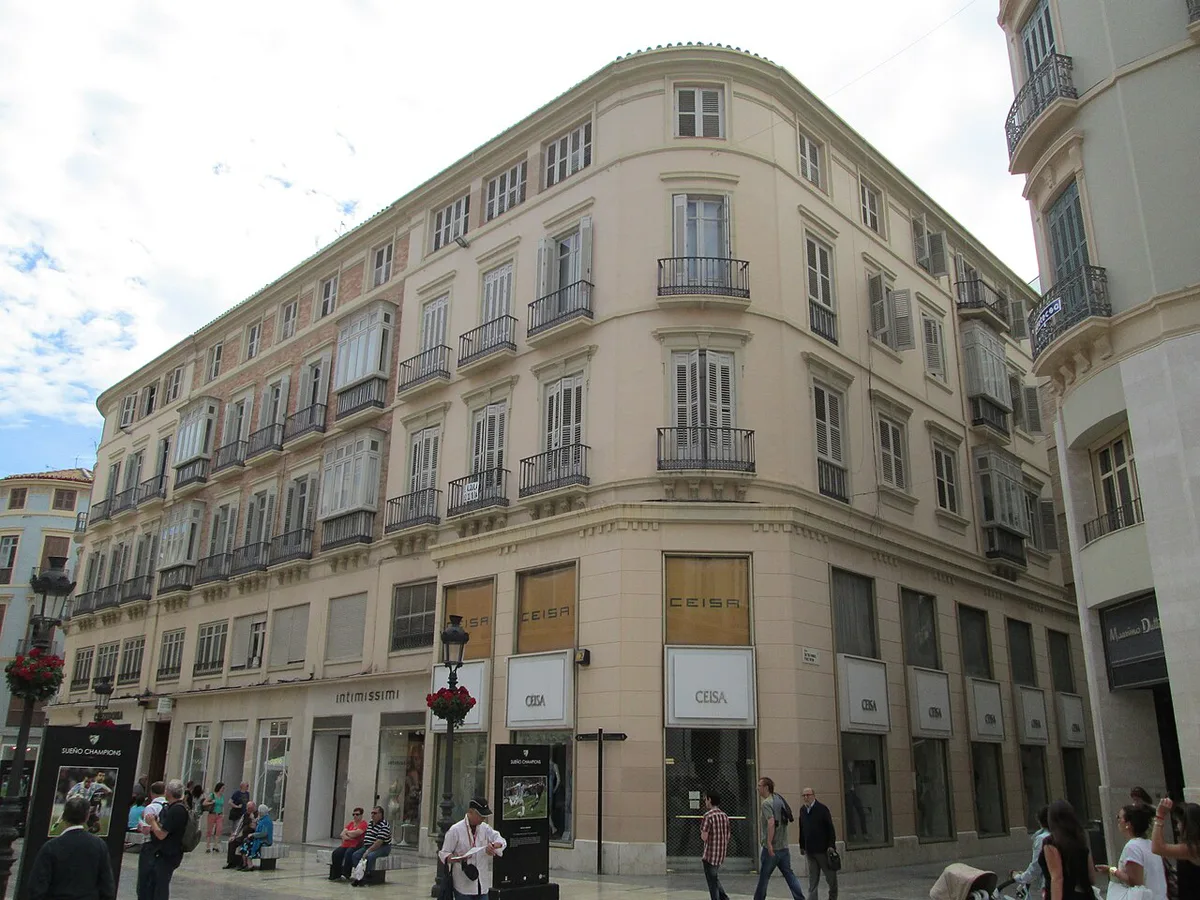
Centro Histórico anchors most visits, with restaurants, shops, and monuments inside walkable streets. Soho functions as the arts district, with galleries and murals close to the port. Teatinos, the university area, draws students and local families rather than tour groups. For nightlife within walking distance of a hotel, Centro Histórico and Soho keep bars and restaurants close by. El Limonar and Pedregalejo trade some of that proximity for quieter, residential streets. Malaga police flag a short list of tourist zones as pickpocketing hotspots, mostly because of foot traffic rather than actual danger. At the beach, theft usually means someone lifting a phone or wallet off an unattended towel, not a confrontation. For a full street-by-street breakdown of which areas call for extra caution after dark, see neighborhoods to avoid in Malaga.
Central districts like Soho and Centro Histórico remain distinctly safe after dark, as restaurants and bars draw crowds until around 2 a.m., creating natural foot traffic that deters opportunistic theft and pickpocketing.
- Safe by day and evening: Centro Histórico, Soho, and Teatinos.
- Quieter, residential alternatives: El Limonar and Pedregalejo.
- Pickpocketing hotspots, crowded rather than dangerous: the old quarter, Malagueta and Misericordia beaches, and busy event spaces.
- Extra caution after dark: La Trinidad, El Perchel side streets, Palma-Palmilla, and Cruz Verde, north of Plaza de la Merced.
Solo and Female Travel Safety in Malaga
Most solo and female travelers report feeling comfortable across Malaga's central districts. The city runs on a late schedule, and that works in a visitor's favor. Central streets stay busy with diners and bar-goers until around 2 a.m., and that foot traffic acts as a passive safety net. Walking alone at night in Malaga is generally fine on the main routes through the old quarter, Soho, and the port. Quiet residential side streets deserve the same caution as any city: stick to lit main roads, and take a licensed taxi rather than cut through unlit outskirts. For a full breakdown of specific routes and after-dark neighborhood advice, see walking alone in Malaga at night.
Malaga recorded a 2% crime decline in the first half of 2025, providing statistical support for the common experience of solo and female travelers finding central districts comfortable and safe.
Getting Around Safely: Taxis, Uber, and Public Transit
Malaga's official white taxis are metered, regulated, and a reliable late-night option. Ride-hailing apps, including Uber and Cabify, also operate in the city and log the trip in-app, which appeals to solo travelers after dark. Public transit is generally very safe. Pickpocketing risk is low but rises on crowded buses and trains, so keep luggage close on the Cercanías line that serves the airport and coastal towns. Malaga's metro carries a security guard on evening services, according to local transport guidance. Walking works well in the center, though drivers can be assertive at crossings, so use marked lights and signals.
| Option | Relative cost | Late-night reliability | Security notes |
|---|---|---|---|
| Official white taxis | Higher than transit | High; ranks operate late | Regulated, metered, trackable fare |
| Uber / Cabify | Similar to taxis | High in central districts | Trip logged in-app |
| Cercanías train / buses | Lowest cost | Runs into the evening; reduced late frequency | Watch luggage in crowded carriages |
Common Malaga Tourist Scams and Petty Theft
Most tourist-targeted incidents in Malaga are scams or petty theft, not aggressive crime. In the bird-poo trick, someone squirts liquid onto a visitor's back, then offers to wipe it off while lifting a wallet or phone. A related scam offers a free flower or rosemary sprig, then demands payment once it is accepted. Fake direction-seekers lean in close over a phone or map, then take an item while a visitor is distracted. All three concentrate around the old quarter and other crowded tourist spots. At the beach, never leave a bag unattended on a towel while swimming. For a full breakdown of these tricks and how to shut them down politely, see common Malaga tourist scams.
- Leaving a bag unattended on the beach while swimming.
- Storing luggage in a parked hire car's trunk, especially at trailhead parking for Caminito del Rey or Ronda day trips.
- Accepting a free flower, herb sprig, or back wipe-down from a stranger.
- Flashing cash or a phone in a crowded plaza or on public transit.
Anti-Tourism Protests in Malaga: What They Mean for Travelers
Malaga has seen demonstrations over housing costs and the pressure short-term rentals put on local rents. These echo similar protests across other Spanish cities in recent years. The marches target policy, specifically housing affordability, not individual visitors. Scheduled protests concentrate in specific plazas and routes, and they pass without incident for bystanders who are not part of them. Respectful behavior lowers friction further: keep noise down late at night in residential buildings, and be mindful in neighborhoods where locals actually live. Checking local Malaga news before a trip flags any scheduled marches, so routes can be adjusted around them.
Cashless Payments and Emergency Numbers in Malaga
Malaga is highly card-friendly. Contactless and chip cards work at restaurants, taxis, museums, and most market stalls, which cuts the need to carry much cash. Carrying only small cash amounts for incidental purchases is still sound practice. In an emergency, dial 112 for fire, police, or ambulance. Reach the National Police directly at 091, Local Police at 092, and medical emergencies at 061. The SATE Tourist Assistance Service supports visitors specifically, with English-speaking staff, at +34 951 926 161. Spain's AlertCops app offers another direct reporting channel to police. For non-emergency medical needs, both the public SAS health service and private hospitals serve the Malaga area. Check current provider listings and any travel-insurance network requirements before departure.
- 112: general emergencies (fire, police, ambulance)
- 091: National Police
- 092: Local Police
- 061: medical emergencies
- SATE Tourist Assistance Service: +34 951 926 161
Final Verdict and Safety Checklist for Malaga
Malaga earns its reputation as a relaxed, secure Andalusian city for 2026 travel. Crime sits below the national average, violent crime stays rare, and the practical risk is opportunistic theft in crowded tourist zones. Plan around that single risk category, and the rest of a trip runs the way most visitors expect: walkable, social, and busy well into the evening.
- Do keep bags zipped and in front of you in crowds.
- Do use official taxis or ride-hailing apps late at night.
- Do check local Malaga news for scheduled protests before traveling.
- Don't leave valuables in a hire car, especially the trunk.
- Don't accept unsolicited free items or help from strangers.
- Don't leave a bag unattended on the beach while swimming.
For trip-planning details, see UK FCDO travel advice for Spain.
Explore is safe in other cities
Further reading: Malaga on Wikivoyage · Malaga on Wikipedia
Frequently Asked Questions
Is Malaga safe for solo female travelers?
Yes. Most solo and female travelers report feeling comfortable in Malaga's central districts, especially around the old quarter, Soho, and the port. Busy streets late into the evening add a layer of passive safety. Quiet residential side streets still deserve the same caution as anywhere else.
Is Malaga safe at night?
Central Malaga stays busy with diners and bar-goers until around 2 a.m., which keeps main routes well populated. Quieter residential outskirts and unlit side streets carry more risk after dark. Stick to main roads or take a licensed taxi on those stretches.
What is the Malaga crime rate in 2026?
Malaga records about 35 crimes per 1,000 people, versus a Spanish national average of 47 per 1,000, according to Spanish Ministry of the Interior data. Overall crime fell roughly 2% in the first half of 2025, and violent crime remains rare.
Are there anti-tourism protests in Malaga?
Yes, demonstrations over housing costs and short-term rentals have occurred in Malaga, echoing protests in other Spanish cities. They target policy, not individual travelers, and rarely affect visitors who are not part of the march.
What is the biggest safety risk for tourists in Malaga?
Opportunistic pickpocketing and bag-snatching in crowded tourist zones is the most common issue, not violent crime. The old quarter, the Malagueta and Misericordia beaches, and crowded events are the spots police flag most often.
Is it safe to leave belongings in a hire car in Malaga?
No. Thieves specifically target hire cars parked at trailheads and viewpoints, including stops on day trips to Ronda or Caminito del Rey. Keep the trunk empty and take valuables with you whenever the car is unattended.
Stay Safe in Malaga
Every Malaga safety guide on one page — areas, scams, night rules, and getting around.