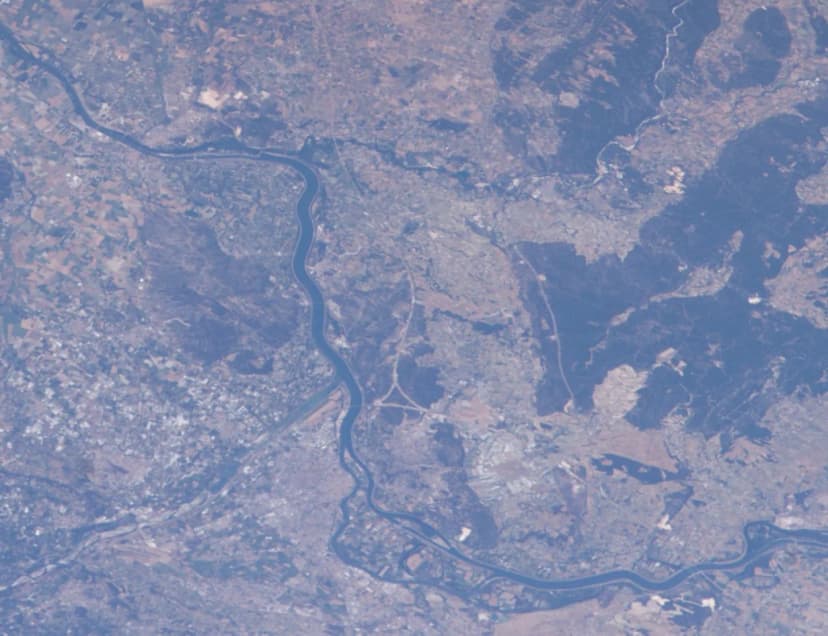
Is Nice Safe? What Travelers Need to Know Before Visiting
Last updated July 2026: is Nice safe for a French Riviera trip you're actually planning this year? Yes, for the overwhelming majority of visitors, and the honest risk in Nice is opportunistic pickpocketing and theft from beaches or parked cars, not violence. This guide walks through which neighborhoods deserve real caution, how scams typically play out around Gare de Nice-Ville and Tram Line 1, and what solo travelers should plan for after dark.
Is Nice Safe in 2026? The Quick Verdict
Nice is safe for the overwhelming majority of travelers, including solo travelers, families, and retirees exploring the French Riviera. Its realistic risk profile leans almost entirely toward property crime: pickpocketing, bag-snatching, and theft from parked cars or unattended beach towels. Violent crime directed at tourists is rare and shouldn't shape how you plan a trip. Petty theft clusters around a handful of predictable, named locations rather than the city at large, which makes it easier to plan around than a vague blanket warning suggests.
- Violent crime aimed at tourists: rare, not a meaningful planning factor.
- Petty theft: the main real risk, concentrated around transit hubs and markets.
- Natural hazards: seasonal jellyfish and pebble-beach footing, not city crime.
- Overall visitor experience: broadly similar to other major Mediterranean resort cities, in our editorial assessment.
Where to Stay: Safe Neighborhoods and Areas of Caution
Vieux Nice (the Old Town), the Promenade des Anglais, and the Carre d'Or shopping district are the three zones travelers use as a home base most often. All three see heavy foot traffic and steady visibility well into the evening. Jean-Medecin, the main shopping thoroughfare linking the train station to the old town, stays busy and safe by day, but it thins out late at night, so extra alertness matters more after the shops close than during the afternoon rush. Ariane and Les Moulins are residential districts away from the tourist core with little reason for a visitor to go; local guidance treats them as areas to skip rather than explore. Rooms near Gare de Nice-Ville often price lower than beachfront options, but that trade-off comes with more vigilance, especially around the station itself. For street-level detail beyond this overview, see areas to avoid in Nice.
| Area | Safety Notes | Relative Cost | Best For |
|---|---|---|---|
| Vieux Nice (Old Town) | Crowded and well-lit; watch bags in market crowds | Mid to high | Walkable sightseeing, dining |
| Promenade des Anglais | Busy day and night; theft targets beach chairs and towels | High | Beachfront stays, evening walks |
| Carre d'Or | Upscale, quiet after stores close | High | Shopping, boutique hotels |
| Le Port (Port Lympia) | Generally safe, easy tram and bus access | Mid to high | Harbor dining, ferry connections |
| Jean-Medecin | Safe and crowded by day; thins out late at night | Mid | Shopping, transit hub |
| Ariane / Les Moulins | Residential, non-tourist; local guidance favors caution | Lower, but not a tourist base | Not a typical visitor stay |
Pickpockets and Petty Theft: Where They Actually Happen
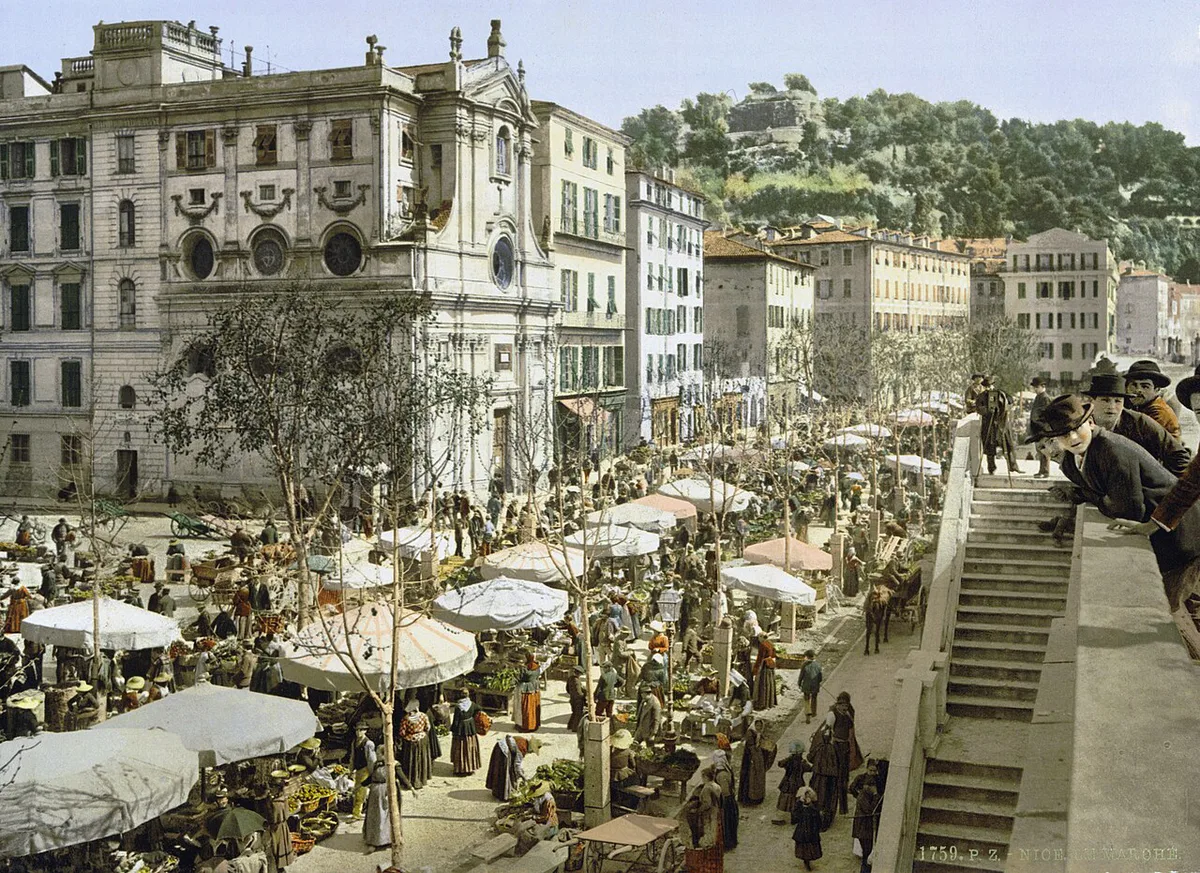
Pickpocketing in Nice concentrates around a short list of places rather than everywhere. Gare de Nice-Ville, the main train station, sees distraction-style theft near ticket machines and platforms during peak arrival times. Tram Line 1 gets crowded enough during rush hour and event days that bag-slashing and phone-snatching become a real risk, especially near the doors. Cours Saleya and other open-air markets draw dense, slow-moving crowds, exactly the setup pickpockets look for. A cross-body bag worn in front, a zipped pocket for your phone, and basic awareness in these specific spots cover most of the real risk. Older travel writing sometimes repeats a decades-old label for the Riviera as a 'sunny place for shady people,' a phrase tied to novelist W. Somerset Maugham, who lived in the region for years. That reputation traces back to historical scandal among wealthy expatriates, not a warning about the scams you might run into today. The tourist scams in Nice guide covers current patterns, including street-vendor pressure tactics and inflated pricing, in more detail.
Tram Line 1, the route most visitors use daily, concentrates pickpocketing during rush hours and event crowds with particular risk near carriage doors; bag-slashing and phone-snatching are real threats in these conditions.
- Street performers: normal entertainment; walk on if anyone pressures you to pay for a photo.
- Rose or bracelet 'gifts': decline immediately and firmly; accepting one often leads to a payment demand.
- Clipboard petitions or 'free' wristbands near landmarks: a common distraction setup for pickpocketing.
- Souvenir stalls right on Cours Saleya or the Promenade: prices run higher; look for a 'Made in Nice' label, a certification recognized by the local tourism office, to confirm regional origin instead of imported stock.
- Menus touristiques on the Promenade or Cours Saleya: not illegal, but rarely the best value; a couple of blocks inland usually costs less.
Car Break-Ins and Beach Belongings: The Other Real Risk
Beyond pickpocketing, two theft patterns come up consistently for Nice: break-ins at parked cars and theft of unattended items on the beach. Never leave luggage, bags, or electronics visible inside a parked car, even for a short errand; the trunk is safer than the back seat, and leaving nothing valuable in the car at all is safer still. On the beach, take turns watching bags when swimming, or use a paid lounger rental where an attendant keeps an eye on the row. Many public beach sections also have lifeguard posts in season, and staying within sight of one adds a layer of general oversight. These habits cover most of the everyday property-crime risk that visitors to Nice actually encounter.
Solo Travelers, Women, and Nightlife on the Promenade
The Promenade des Anglais stays busy well past midnight, especially near Place Massena and the beachfront bars, and that crowd density is itself a safety factor. Solo travelers, including women walking alone, generally report feeling comfortable along these lit, populated stretches. Basic precautions still apply: stick to main lit routes, skip empty beach-access ramps after dark, and keep a bag zipped rather than carried open. Booking a licensed taxi or a ride-hailing app from a marked stand is a safer bet late at night than flagging down an unmarked car. Nightlife safety changes block by block rather than city-wide, so knowing which stretches quiet down early matters more than a single yes-or-no answer. Nice safety after dark breaks down specific streets, timing, and transport options for the nighttime hours.
Getting Around: Is the Nice Tram Safe?
Tram Line 1 connects Gare de Nice-Ville, Jean-Medecin, and Vieux Nice, and it's the route most visitors ride daily. Riding it is safe in the ordinary sense: the real risk is pickpocketing in crowded carriages, not anything more serious. Ticket validation matters regardless of intent, since an unvalidated ticket can draw an on-the-spot fine from transit inspectors. The Lignes d'Azur mobile app lets you buy and validate tickets from your phone, which beats fumbling with cash or a card at a station kiosk. Check the Lignes d'Azur website directly for current operating hours, night frequency, and any service alerts before you travel, since schedules shift with the season.
Natural Hazards: Jellyfish, Pebble Beaches, and Tap Water
Nice's beaches are pebble, not sand, so pack water shoes if walking barefoot on stones sounds uncomfortable. Stinger jellyfish, known locally as meduses, do turn up in the Mediterranean during the warmest stretch of summer, particularly July and August. Check posted beach flags or local beach-report boards before swimming if you're visiting in peak season, since conditions shift week to week. Tap water across Nice is treated and safe to drink, so a refillable bottle covers you without needing bottled water at every stop.
Updated for 2026: jellyfish appear seasonally in July and August, while property theft at train stations and markets is an ongoing concern, requiring distinct seasonal and location-based vigilance strategies.
Etiquette and the 'Bonjour Rule'
Churches across Nice expect shoulders and knees covered, so save swimwear and bare chests for the beach and the Promenade itself. Evening restaurants lean smart-casual rather than beachwear, especially around Cours Saleya and Place Massena. Bringing your own bag or basket to an open-air market is standard practice rather than an inconvenience. One habit changes how you're treated almost everywhere in France: open every interaction, from a bakery counter to a taxi stand, with a simple 'Bonjour.' Skipping that greeting reads as rude here, and it often earns a noticeably cooler response than starting politely does.
Money, Casinos, and the 'Dangerous to Your Wallet' Reputation
Some guidebooks repeat a claim that Nice's casinos are rigged compared to Monaco's. That framing traces back to a decades-old marketing rivalry between Nice and Monaco casino operators, not a live concern for anyone visiting today. Casinos, including Cafe de Paris in Monaco, are commercial businesses built to profit the house, the same as casinos anywhere else. Set a spending limit before sitting down, and treat any winnings as a bonus rather than an expectation. Niçois cuisine leans Italian, a legacy of the region belonging to the Kingdom of Sardinia until 1860, so socca (a chickpea-flour pancake) and pissaladiere (a baked onion tart) sit next to classic French dishes on most menus. None of that is a safety concern, but restaurants advertising a fixed menu touristique directly on the Promenade or Cours Saleya are rarely the best value. A couple of streets inland typically costs less for a comparable meal, and that price gap has more to do with foot traffic than with quality. Booking a stay outside peak summer, roughly late September through April by most regional travel guides, typically costs less and comes with lighter crowds, though safety patterns themselves don't shift much by season.
For trip-planning details, see UK FCDO travel advice for France.
Explore is safe in other cities
Further reading: Nice on Wikivoyage · Nice on Wikipedia
Frequently Asked Questions
Is Nice safe for tourists in 2026?
Yes. Nice remains safe for the large majority of travelers, and the realistic risk is opportunistic pickpocketing and theft, not violent crime. Staying alert around crowded spots like Gare de Nice-Ville, Tram Line 1, and open-air markets covers most of the real risk.
What areas of Nice should you avoid?
Ariane and Les Moulins are residential districts away from the tourist core with little reason for visitors to go. Central zones like Vieux Nice, the Promenade des Anglais, and Carre d'Or see heavy foot traffic and stay comfortable for visitors. See areas to avoid in Nice for street-level detail.
Is the Nice tram safe to ride, including at night?
Yes, riding Tram Line 1 is safe in the ordinary sense, with pickpocketing in crowded carriages as the main risk rather than anything more serious. Validate your ticket, ideally through the Lignes d'Azur app, and check the operator's site for current night frequency before you travel.
Is Nice safe for solo female travelers?
Yes, solo travelers including women generally report feeling comfortable in Nice, especially along busy, lit routes like the Promenade des Anglais. Basic precautions, like avoiding empty beach-access ramps after dark, still apply, and Nice safety after dark covers nighttime specifics in more depth.
Is tap water in Nice safe to drink?
Yes, tap water across Nice is treated and safe to drink, so a refillable bottle works instead of buying bottled water throughout your trip.
Are the casinos in Nice rigged?
No. The 'rigged casino' claim traces back to a historical marketing rivalry between Nice and Monaco, not a real safety or fairness concern today. Casinos are commercial businesses designed to profit the house wherever you play, so set a spending limit and treat any winnings as a bonus.
Stay Safe in Nice
Every Nice safety guide on one page — areas, scams, night rules, and getting around.