Krakow Areas to Avoid: Safety, Logistics, and Local Advice
Last updated July 2026: Krakow ranks among Europe's more reassuring capitals for visitors, so a genuinely useful list of Krakow areas to avoid has to separate real safety concerns from simple noise, distance, and scam exposure. Some neighborhoods get skipped because they are inconvenient or dull for a short stay rather than dangerous, while a handful of central blocks call for basic street smarts around late-night touts and pickpockets. This guide walks through the residential estates locals steer clear of after dark, the districts that work against a first visit logistically, and the exact streets where scams are most common, so lodging and evening plans can be made with confidence.
Krakow Areas to Avoid: The Quick Answer
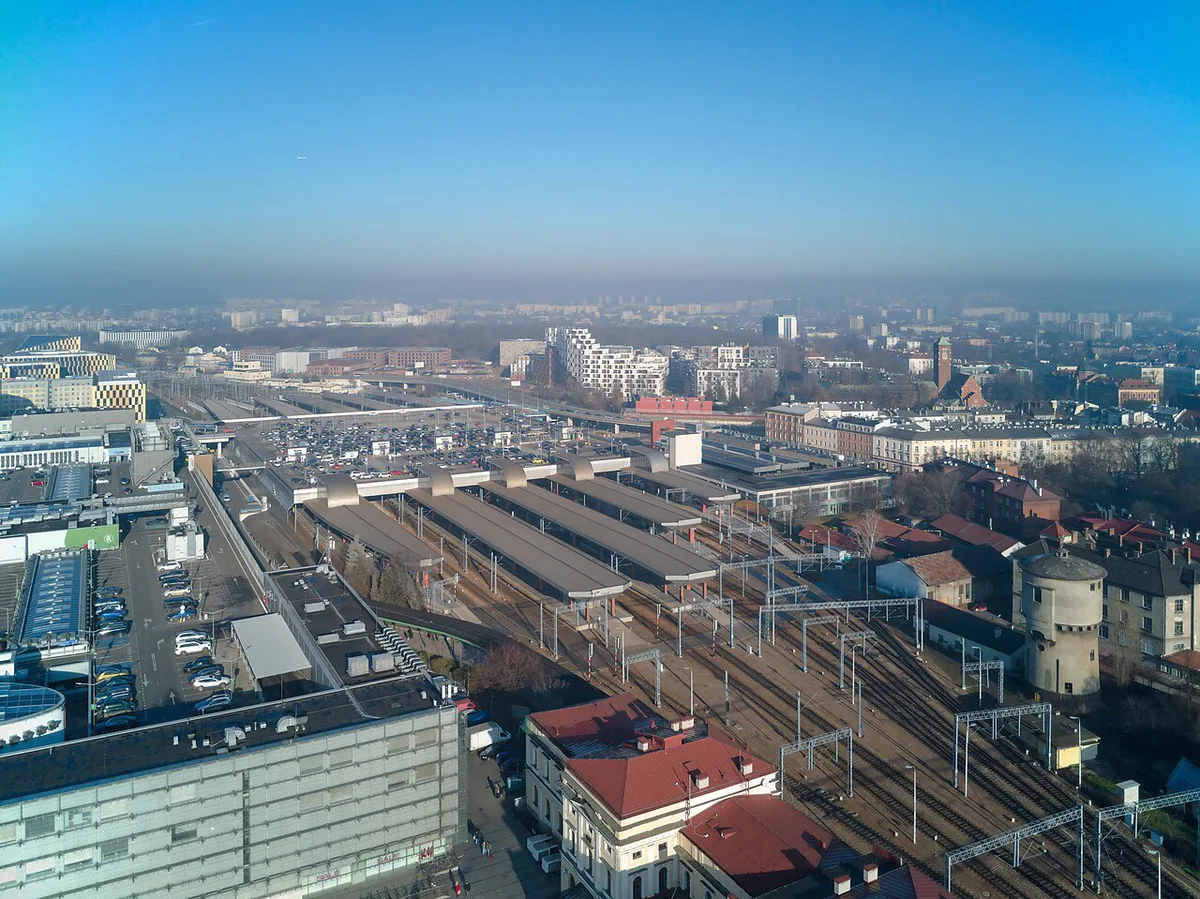
Compared with most major European capitals, Krakow performs well on violent-crime risk, and official travel advisories consistently frame Poland overall as a low-risk destination for travelers, while comparative international safety indices tend to place Krakow ahead of many Western European cities of similar size. That context matters, because it means Krakow does not have a citywide no-go district in the way some capitals do; even its quieter outer estates are more sleepy than sinister. The areas worth flagging fall into three different categories instead: residential estates that are simply not built for visitors, districts that are logistically inconvenient for a short trip, and a small cluster of central streets where scams, not crime, are the real hazard. One candid caution worth naming specifically is the immediate perimeter of Kraków Główny train station and the adjoining bus station late at night, where a transient population and occasional rough sleepers gather around the concourses and underpasses; the area is well-lit and monitored, not a hotspot for crime against visitors, but it is not somewhere to linger after arriving on a late train. For the full picture of citywide risk factors beyond this list, the Krakow safety overview covers the broader context in more depth.
Krakow's low violent-crime record masks the actual visitor concerns: scams at Rynek Główny's touts, inflated restaurant bills, and pickpocketing in dense nightlife crowds. These financial and petty risks dwarf physical danger.
Residential Estates Locals Skip After Dark
Ask a Krakow resident which parts of the city to skip and the answer usually points to a set of communist-era housing estates well outside the tourist core: Bieżanów, Prokocim, Kurdwanów, and Kozłówek. These are dense blocks of prefabricated apartment buildings built for local families, not sightseeing, and they carry little of interest for a visitor once evening sets in. Street lighting is inconsistent between buildings, restaurants and shops close early, and the general lack of foot traffic after dinner is what gives these estates their reputation locally, rather than any documented pattern of crime against tourists. None of that makes them dangerous in a headline sense, but ending up there after mistiming a night bus can feel disorienting compared with the well-lit, busy streets of the center. One local nuance worth knowing: Krakow's football rivalry between Cracovia and Wisła Kraków, nicknamed the Holy War locally, runs deepest in exactly these residential outskirts. It almost never touches visitors directly, but wearing a rival club's jersey in the wrong estate on a match day is one of the few realistic ways a traveler could attract unwanted attention, so save the football colors for inside the stadium.
- Bieżanów
- Prokocim
- Kurdwanów
- Kozłówek
Where Not to Stay for Sightseeing: Logistical Avoids
Some Krakow districts are worth avoiding for booking a room specifically, not because they are unsafe but because they work against the point of a short city break. Nowa Huta is the clearest example: its socialist-realist architecture and Cold War-era urban planning make it a genuinely fascinating half-day trip, but staying there means a 30 to 40 minute tram commute back from the Old Town and Kazimierz every night, and the district itself quiets down early in the evening, without the restaurant and bar density that makes late walks feel normal elsewhere in the city. First-time visitors in particular tend to find the back-and-forth commute eats into time better spent sightseeing. Industrial pockets such as Rybitwy trade cheap nightly rates for essentially zero dining, shopping, or nightlife infrastructure, which makes them impractical even on a tight budget. Outer western districts like Bronowice or Dębniki raise a similar time-versus-money trade-off worth weighing before booking: rents run lower out there, but every evening out costs extra minutes and tram fare getting back to accommodation. Hotels sitting directly on Aleje Trzech Wieszczów, the busy ring road that encircles the Old Town, deserve a second look too, since rooms facing that road pick up noticeably more traffic noise and air pollution than side streets just a block away.
Central Streets to Navigate Carefully: Scams Near the Square
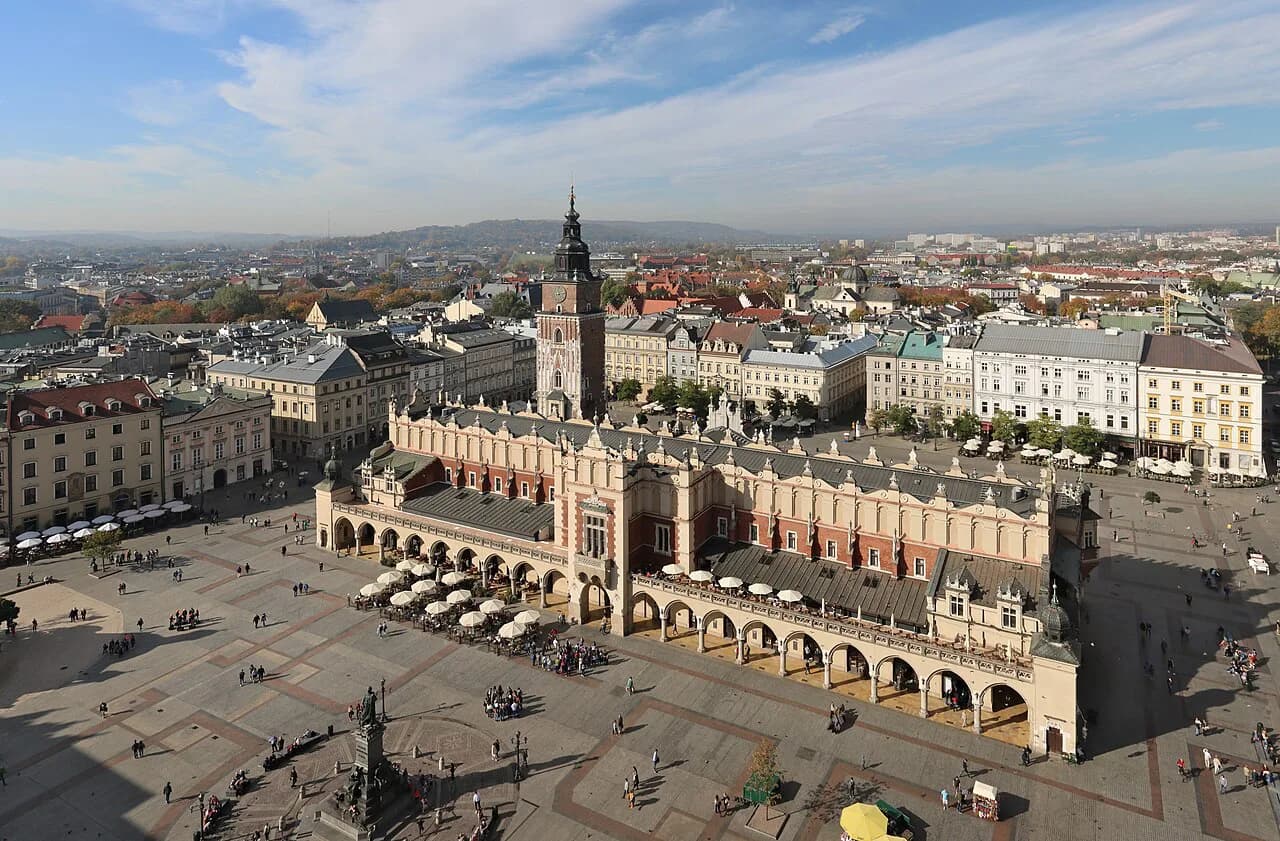
The streets immediately around Rynek Główny, the Main Market Square, and along Grodzka Street are where Krakow's most common risk to visitors actually plays out, and it has nothing to do with violent crime. Touts, sometimes nicknamed umbrella girls for the umbrellas they carry as a signal, approach passersby with offers of a free drink at a nearby gentlemen's club. The drink is rarely free in practice, and the bill that follows tends to arrive inflated well beyond what was implied, often before a card has even been handed over. The simplest response is a firm no and to keep walking; legitimate Krakow bars and clubs do not need to solicit customers off the street. Floriańska and Grodzka are also where overpriced tourist menus tend to appear most often, typically at restaurants with no visible pricing in the window or a menu that changes once seated. Checking prices before ordering, and treating a restaurant tout as a red flag rather than an invitation, avoids the bulk of this risk. The typical tourist scam tactics guide covers these patterns and several others in more detail, including how each one usually unfolds.
Nightlife Reality Check: Noise vs Safety in Stare Miasto and Kazimierz
Stare Miasto, the Old Town, and Kazimierz both sit at the center of Krakow's nightlife, and the real trade-off between them is noise, not danger. Streets like Szewska and Floriańska inside the Old Town stay loud with bar crowds and street noise well into the early hours on weekends, which makes them a poor choice for anyone planning an early start the next morning. Kazimierz carries a similarly dense bar scene concentrated around a handful of squares, with a slightly younger, more local crowd than the more tourist-heavy Old Town strip, and comparable late-night noise on weekend nights. Both districts are heavily patrolled and well-lit at night, and the practical risk for visitors in these crowds is pickpocketing in dense, distracted bar lines rather than anything more serious. For a closer look at what changes across the city after dark, the Krakow nighttime safety guide breaks down the wider picture. If unbroken sleep matters more than being in the thick of it, booking a street or two back from the main bar clusters rather than directly on them makes a meaningful difference without sacrificing walkability.
Neighborhood Decision Table: Where to Stay vs Skip
The table below summarizes how Krakow's key districts compare on the factors that actually affect a trip: general safety, noise level, tourist interest, and who each area suits best. Use it alongside the sections above to weigh logistics against atmosphere before booking.
| Neighborhood | Safety | Noise Level | Tourist Interest | Best For |
|---|---|---|---|---|
| Old Town (Stare Miasto) | High, heavily patrolled | High, especially weekends | Very high | First-timers who want everything within walking distance |
| Kazimierz | High | High near the bar squares | High, culture and dining focused | Food, history, and nightlife with some walking |
| Podgórze | High | Low to moderate | Moderate and growing | Quieter stays with easy tram access to the center |
| Nowa Huta | High but feels isolated at night | Low | Niche, day-trip level | History buffs on a day visit, not overnight stays |
| Residential outskirts (Bieżanów, Prokocim, Kurdwanów, Kozłówek) | Generally safe, just uneventful | Low | Minimal | Skip unless visiting locals directly |
Practical Safety Tips and Logistics for Getting Around
A short checklist covers most of what actually matters for staying comfortable and safe in Krakow after dark, on top of avoiding the specific areas above.
- Book rides through Bolt or Uber rather than flagging an unmarked taxi off the street; both apps show the fare and driver details before the trip starts, which sidesteps the classic unmarked-taxi overcharge.
- Save 112 for any general emergency and 997 to reach police directly; both numbers work anywhere in Poland, including from a foreign SIM card, and connect to English-speaking operators in most cases.
- MPK Kraków runs night trams and buses on core routes through the small hours on weekends, covering the Old Town, Kazimierz, and Podgórze reliably; sticking to well-lit stops near major hubs rather than quiet side-street stops is the safer call when traveling solo late.
- Keep bags zipped and phones out of back pockets in Old Town and Kazimierz bar crowds, where pickpocketing in a dense, distracted line is the more realistic risk than anything more serious.
For trip-planning details, see US State Department Poland travel advisory.
Frequently Asked Questions
Is Krakow safe for tourists overall?
Yes. Violent crime against travelers is rare, and the specific Krakow areas to avoid on this list are about noise, distance, or scam exposure rather than danger. Sticking to well-lit, busy streets in the center, using licensed ride apps after dark, and staying alert around the Rynek's free-drink touts covers most of the practical risk.
Which Krakow neighborhood should first-time visitors avoid staying in?
Nowa Huta is the main one to skip for an overnight base, even though it is worth a daytime visit for its socialist-realist architecture; it sits 30 to 40 minutes by tram from the Old Town and Kazimierz and quiets down early in the evening. Residential estates like Bieżanów, Prokocim, Kurdwanów, and Kozłówek are similarly impractical, since they were built for local families rather than visitors and offer little in the way of restaurants or evening activity within walking distance.
Are the touts near the Main Market Square dangerous?
They are more of a financial nuisance than a physical danger. Touts near Rynek Główny and Grodzka Street who offer a free drink at a gentlemen's club are steering customers toward an inflated bill, not violence. Declining firmly and continuing to walk resolves the situation in nearly every case, and it is worth treating any street solicitation the same way.
Is it safe to stay near Kraków Główny train station?
The station itself is well-lit, monitored, and fine to pass through at any hour, but the immediate perimeter and the adjoining bus station attract a transient crowd with occasional rough sleepers late at night. It is not a hotspot for crime against visitors, just not the most pleasant corner of the city to linger in after dark, particularly with luggage.
What is the best way to get around Krakow safely at night?
Bolt and Uber are the most reliable options after dark, with fares and driver details shown in the app before the ride starts. MPK Kraków also runs night trams and buses on core routes through the weekend, which cover the Old Town, Kazimierz, and Podgórze reliably for anyone who prefers public transport over a rideshare.